
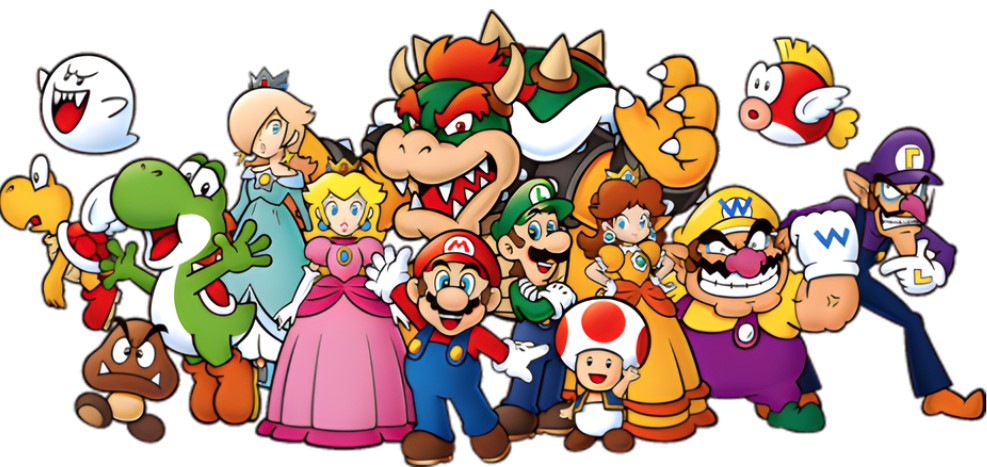
For a stretch of gaming history, every company seemed to want its own cartoon icon. Mario had already proven that a mascot could sell a game, a console, and an identity all at once, while Sonic showed that attitude could be just as marketable as level design.
The result was a rush of animal heroes, oddball creatures, and heavily branded platform stars that arrived with big ambitions and left with much smaller legacies. Some were tied to struggling hardware, some were pushed too hard by marketing, and some simply landed at the exact moment players were moving on from mascot platformers altogether.
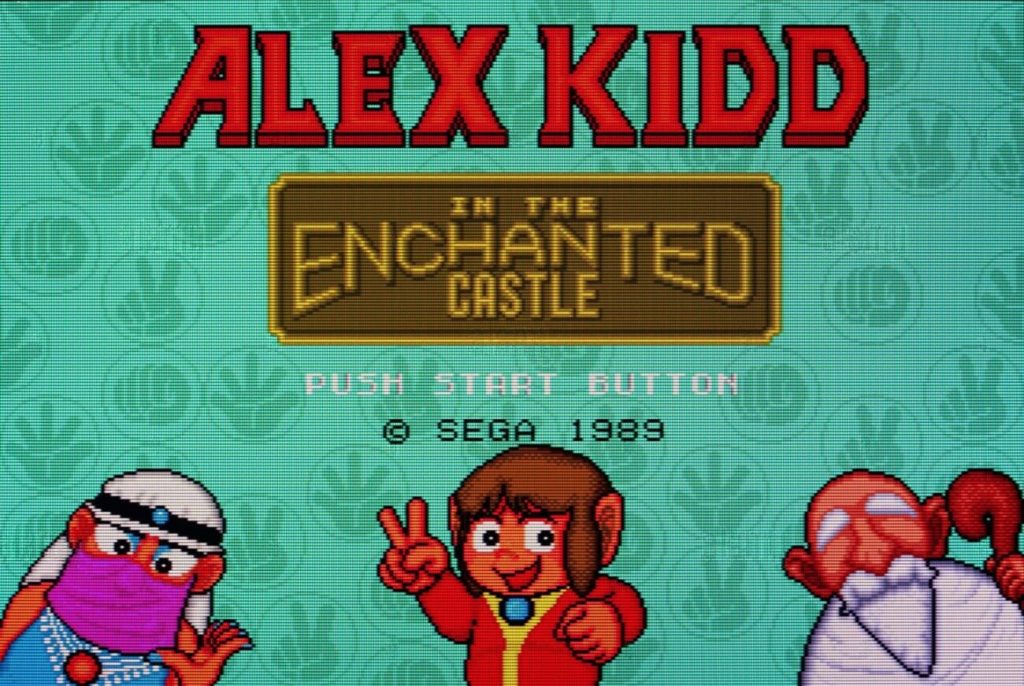
1. Alex Kidd
Before Sonic took over Sega’s image, Alex Kidd was already in the role. He starred in 1986’s Miracle World and stood out with strange but memorable ideas, including rock-paper-scissors boss battles, vehicles, shops, and levels built around punching enemies instead of simply jumping on them.
What makes Alex Kidd notable is that he was not a bad prototype for a mascot era that had not fully arrived yet. He just became outdated once Sega found a cleaner, faster, more distinctive identity in Sonic. That switch says a lot about how quickly mascot design evolved in the late 1980s and early 1990s.
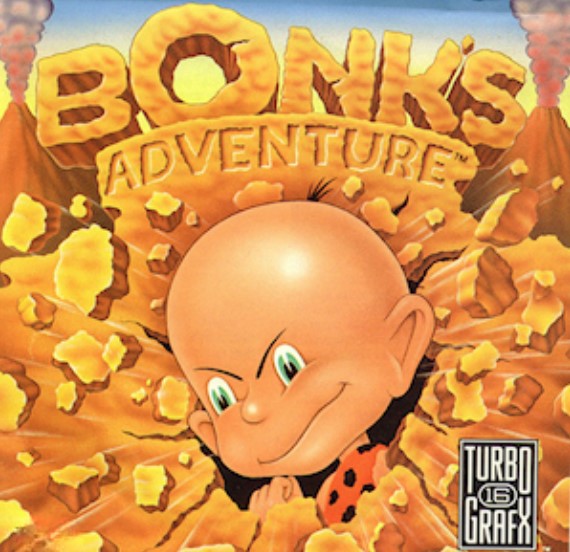
2. Bonk
Bonk was the big-headed caveman built to represent the TurboGrafx-16, and unlike many failed mascots, he actually had a strong game behind him. His prehistoric platforming mixed headbutts, wall-climbing, and exaggerated animation with a style that stood apart from the usual plumber-and-hedgehog formula.
The real problem was the machine attached to him. Bonk became closely associated with a console that never caught on in international markets, which meant even a capable mascot had limited room to grow. He earned a cult following, but a cult following was never enough to change the balance of the console wars.
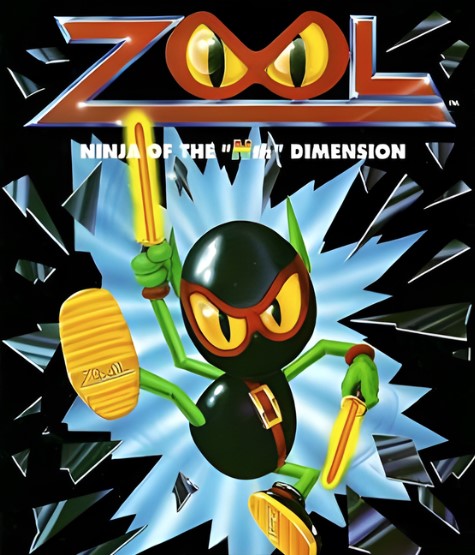
3. Zool
Zool arrived as a ninja ant with speed, bright visuals, and one of the stranger marketing hooks of the era: heavy Chupa Chups product placement. On paper, that sounded like a ready-made mascot push. In practice, it made the whole package feel more like a branding exercise than a lasting character launch.
His bigger issue was timing. PC and Amiga audiences never embraced mascot platformers in the same way console players did, and by 1993, shooters were rapidly changing what many players wanted from games. As one retrospective noted, by the time Doom came out in 1993, characters like Zool were already looking old-fashioned.
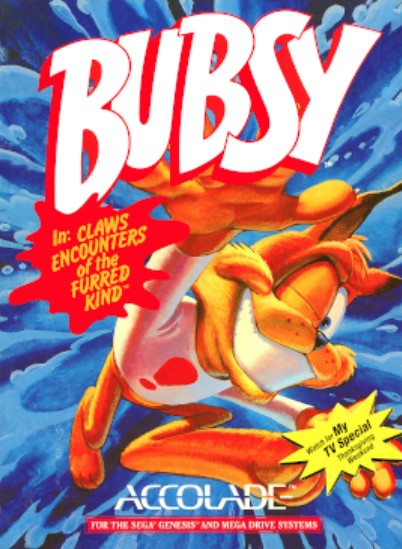
4. Bubsy
Bubsy may be the clearest example of a mascot pushed harder than the game itself. He had catchphrases, attitude, sequels, and even an animated pilot, but the games never matched the confidence of the campaign around him.
That mismatch became the story. Early attention curdled into irritation, and his reputation was permanently damaged when Bubsy 3D became widely known as one of gaming’s roughest transitions into 3D. Bubsy did not just fail to replace Mario; he became a warning about what happens when branding outruns design.
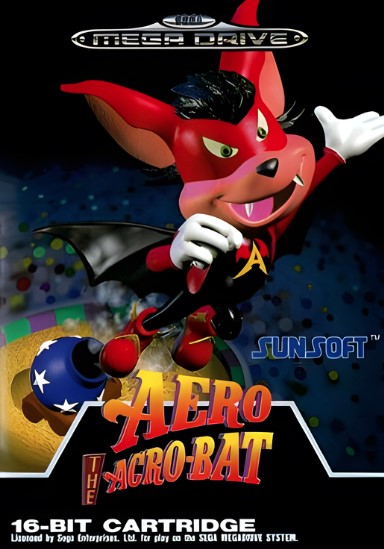
5. Aero the Acro-Bat
Aero had a solid foundation. The circus theme was different, the movement set had more purpose than many copycats, and the stages often asked players to complete objectives instead of simply sprinting to the exit. That gave the games a little more structure than many mascot platformers of the period.
Even so, “solid” was not enough in 1993, a year crowded with lookalike contenders. Aero earned decent reviews and never developed the kind of broad identity that turns a competent platform star into a permanent one. He is remembered more as an artifact of the mascot arms race than as one of its winners.
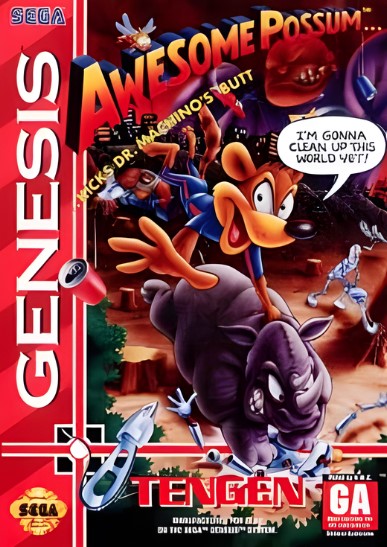
6. Awesome Possum
Few mascots feel more trapped in their own concept than Awesome Possum. The game tried to mix platforming with environmental trivia, interrupting the action to quiz players on ecology and conservation.
That educational angle gave the character a point of difference, but it also made the game feel awkwardly stitched together. Add weak controls and repetitive voice clips, and the result became one of the era’s more notorious misses. He was supposed to be distinctive. He ended up memorable for the wrong reasons.
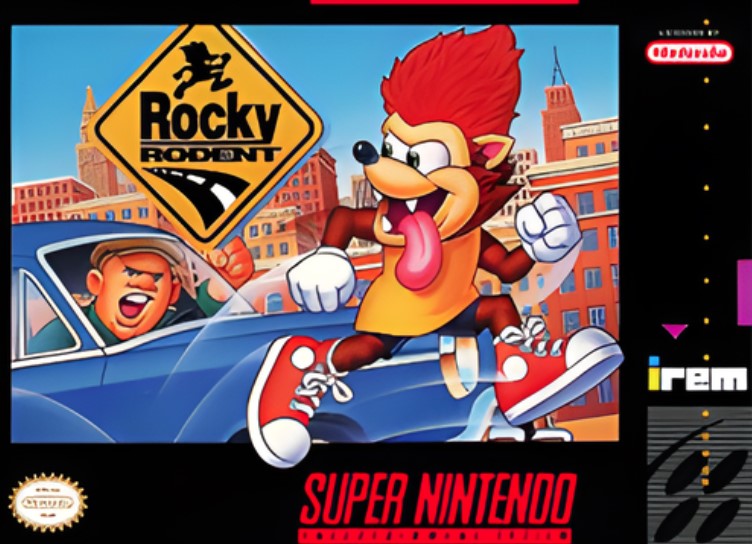
7. Rocky Rodent
Rocky Rodent had one genuinely inventive gimmick: his hair functioned as a weapon and a tool, with different hairsprays changing what he could do. That idea had the kind of readable identity mascot games needed, especially in an era obsessed with cartoon silhouettes and one-note hooks.
But a gimmick only matters if the game around it feels good. Rocky was dragged down by sluggish controls and level design that never fully capitalized on his style-changing concept. In a packed field, interesting ideas without sharp execution disappeared fast.
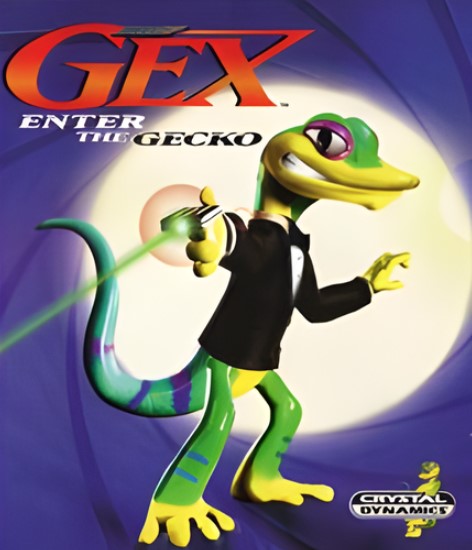
8. Gex
Gex was one of the few characters here who briefly looked like he might stick. He had a recognizable voice, a clear gimmick in his TV-themed worlds, and enough personality to stand out from generic mascots. His wall-climbing, tail attacks, and pop-culture chatter gave Crystal Dynamics a mascot with an actual angle.
Still, the series never fully escaped uneven game design, and the humor that helped Gex stand out also dated him quickly. He remains more recognizable than many of his peers, but that visibility never turned into the kind of enduring platforming status that Mario, Sonic, or even later survivors like Ratchet & Clank managed to hold.
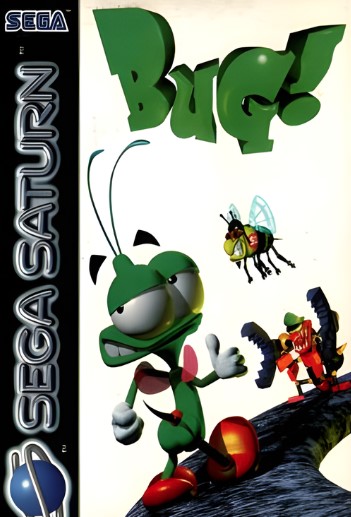
9. Bug!
Bug! was Sega Saturn’s attempt to show off 3D at a time when everyone was trying to define what 3D platforming should look like. The game used fixed paths through 3D spaces, with movement along walls and ceilings giving it a distinct visual identity.
That identity was also its limit. Once true 3D platformers started setting the standard, Bug!’s more restricted structure felt like a transitional experiment rather than a future-proof mascot. He represented a hardware showcase more than a character players needed to follow for years.
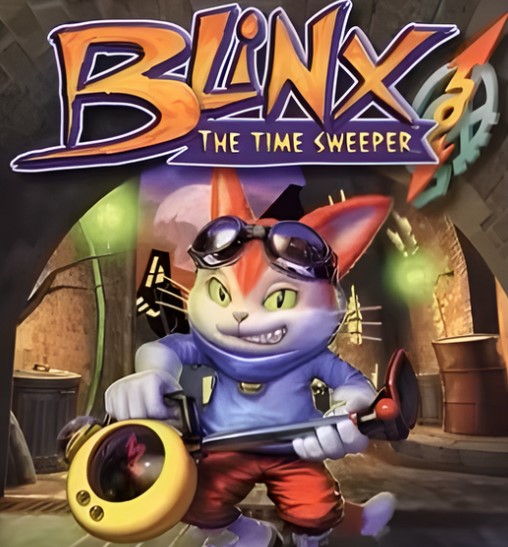
10. Blinx
Blinx arrived much later than most of the classic mascot casualties, which made his struggle even more revealing. Microsoft positioned him as an Xbox character with a technological hook: time manipulation powered by the console’s hard drive. His vacuum-based combat and puzzle solving gave him a modern-looking gimmick compared with older platform mascots.
But by the early 2000s, the market had changed. Mascots were no longer automatic system sellers, and platform heroes increasingly needed hybrid ideas, stronger worlds, or franchise-level staying power. Blinx had a mechanic, but not the kind of charisma or ease of play that could turn a mascot experiment into a brand pillar.
What ties these characters together is not simply failure. Several had good games, a few had clever mechanics, and some were launched with serious corporate backing. The real pattern is that Mario was never just a mascot. He was attached to consistent design quality, hardware momentum, and a series that kept evolving while staying instantly recognizable. That is why so many challengers faded. They were built to compete with a symbol, when what they really needed was a lasting platform, a sharper identity, and games strong enough to survive after the marketing stopped.

