

Single-player games did not spend 2025 trying to prove they still mattered. They simply took over the conversation in different ways: through unforgettable worlds, smarter systems, stranger art direction, and stories that stayed in players’ heads long after the credits. The strongest releases did not all chase the same goal, either. Some were giant prestige adventures, some were punishing action games, and some were surprisingly intimate. What connected them was a clear sense of authorship and the confidence to let one player sink fully into a world at their own pace.
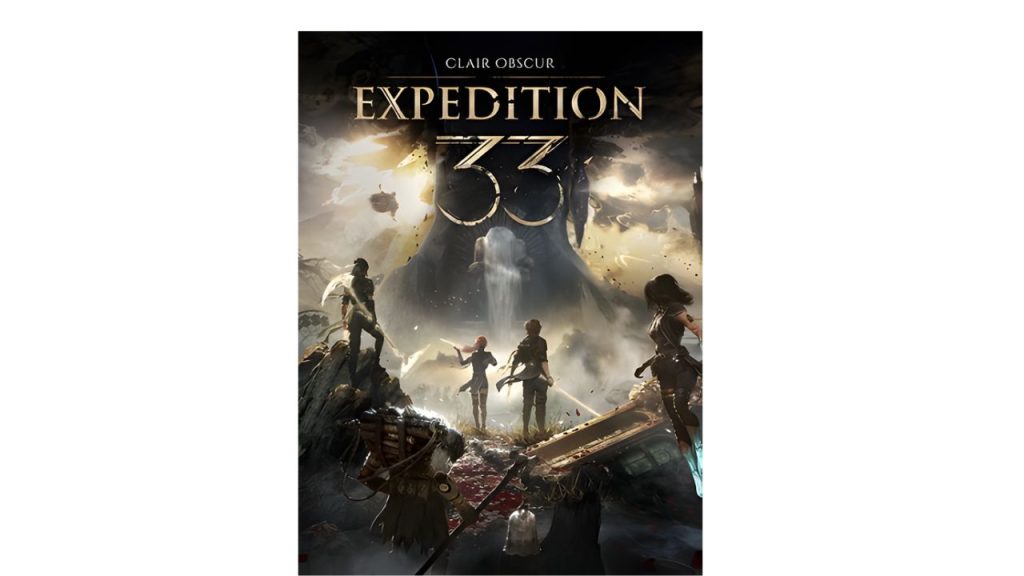
1. Clair Obscur: Expedition 33
This was the kind of breakout RPG that immediately became a reference point. Sandfall Interactive built a fantasy world inspired by French art history, then paired it with turn-based combat that asks for real-time dodges and parries. That mechanical twist kept fights tense, but the bigger draw was the premise: an expedition setting out against a force that annually erases lives. The game also stood out for its emotional weight. Coverage around it repeatedly highlighted its themes of grief, fate, and inevitability, and its April 24, 2025 release quickly turned into one of the year’s major RPG milestones. For players who wanted a new universe instead of a sequel, this was one of the easiest picks of the year.
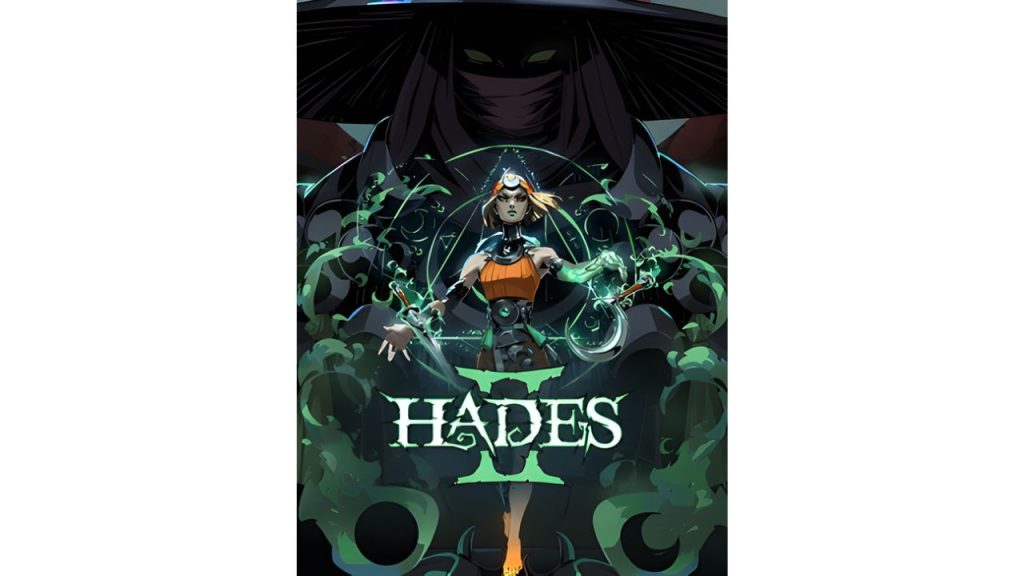
2. Hades II
Supergiant’s sequel had a difficult job: follow one of the most beloved roguelikes in modern gaming without feeling like a repeat. It managed that by shifting the focus to Melinoë, deepening the cast dynamics, and making every run feel packed with character drama rather than just progression. What made Hades II land so well as a solo game was the density of its writing. Conversations kept evolving over long playtimes, relationships felt reactive, and the underworld remained full of sharp visual identity. By the time the full release arrived on September 25, 2025, it had become clear that the sequel was not just bigger. It was more confident.
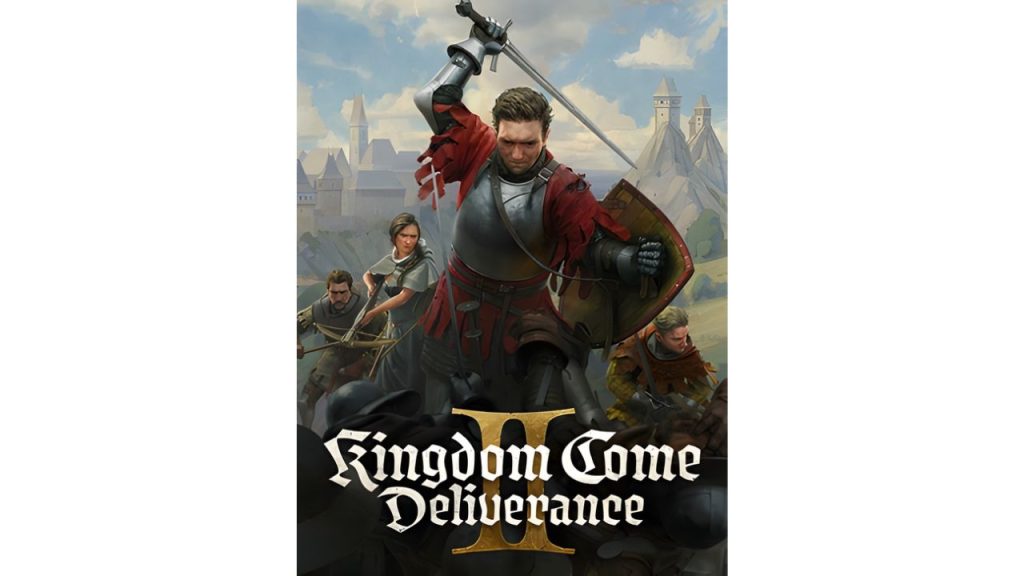
3. Kingdom Come: Deliverance II
Few games in 2025 committed this hard to immersion. Warhorse returned to 15th-century Bohemia with a larger historical sandbox, grounded combat, and a social world where status and behavior mattered as much as sword skill. The appeal was not fantasy power. It was friction, consequence, and texture. That made the sequel unusually sticky. Hours disappeared into travel, conversation, preparation, and small detours that made the setting feel lived in. Critics also pointed to the game’s wit and sense of place, which helped prevent all that realism from turning dry. For players who wanted a world that felt stubbornly physical and specific, it delivered.
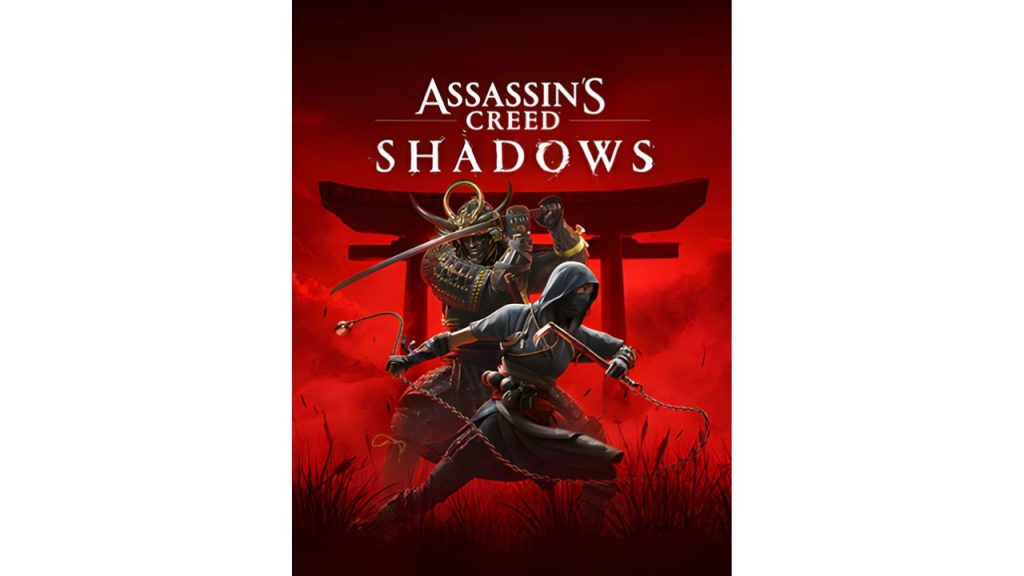
4. Assassin’s Creed Shadows
After years of demand for this setting, Ubisoft finally took the series to feudal Japan and built a dual-protagonist structure around it. Naoe and Yasuke did more than offer two combat styles; they gave the game two different rhythms. One path favored stealth and precision, while the other leaned into direct, forceful encounters. The open world helped close the gap between spectacle and exploration. Seasonal shifts, environmental detail, and a broader emphasis on discovery gave the setting more presence than a checklist map alone could provide. Several RPG roundups also singled out how the two playable characters carry separate quests and skill trees, making the campaign feel less like one giant lane and more like two intertwined journeys.
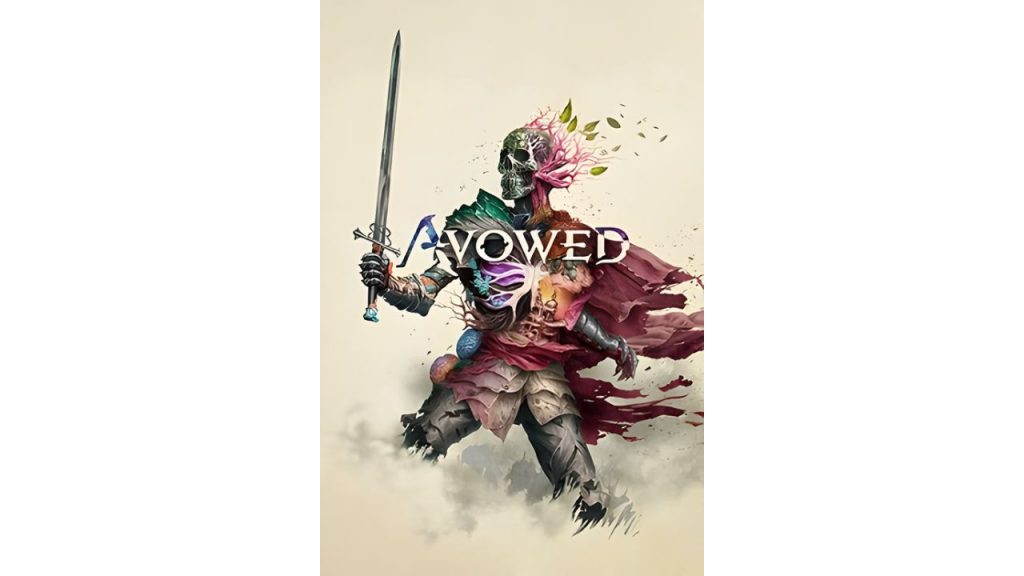
5. Avowed
Obsidian approached Avowed with a tighter scale than the largest open-world RPGs, and that restraint helped. Set in Eora, the same universe as Pillars of Eternity, the game mixed first-person exploration, magic-heavy combat, and party conversations that emphasized character chemistry over sheer map size. Its strongest feature was not sheer volume. It was how often the game slowed down and let companions matter. Campfire exchanges and faction tensions gave the Living Lands a human center, while the combat system let players move fluidly between blades, spells, and ranged options. That balance made Avowed feel approachable without feeling thin.
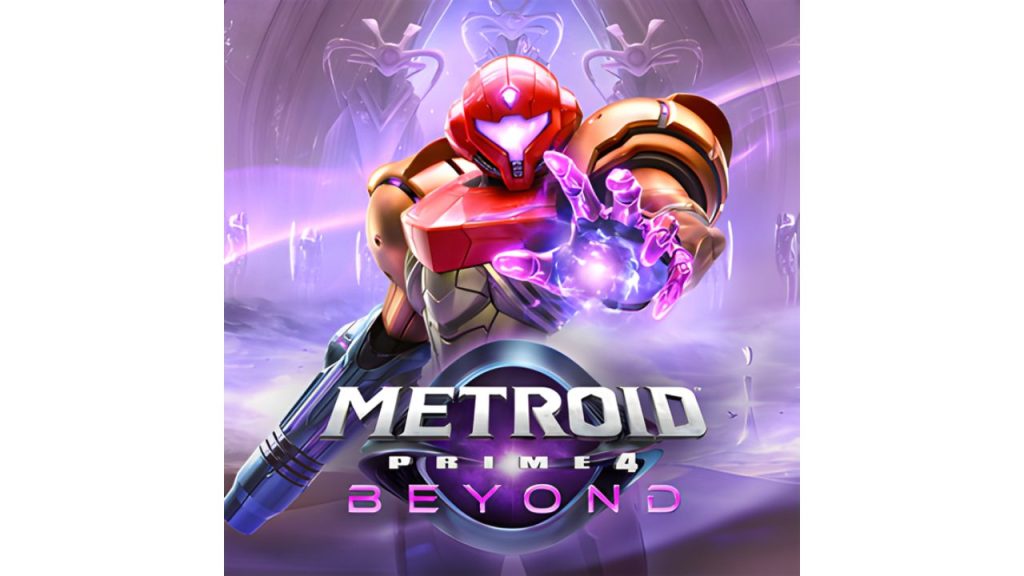
6. Metroid Prime 4: Beyond
Long waits can crush momentum, but Samus Aran’s return avoided that trap by focusing on what the series has always done better than most: atmosphere, isolation, and environmental problem-solving. Exploration remained the spine of the experience, with upgrades unlocking new routes and reframing older spaces. What pushed this installment into must-play territory was how modern hardware amplified the series’ strengths. Dense visual detail, stronger environmental storytelling, and newly introduced abilities made scanning, fighting, and backtracking feel fresh rather than nostalgic. After such a long gap, it arrived looking focused instead of overextended.
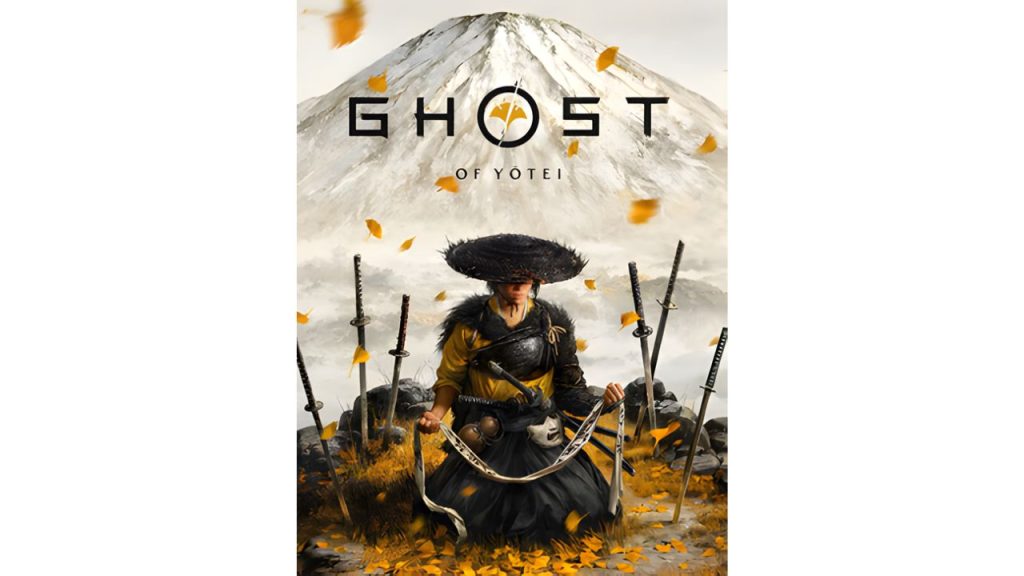
7. Ghost of Yotei
Sucker Punch did not simply revisit the formula of its earlier samurai epic. It introduced a new protagonist, a rougher frontier setting around Mount Yotei, and a revenge story told with a heavier emphasis on memory, mood, and regional identity. The result was a game that felt cinematic without constantly interrupting itself. Its world carried much of the load. Quiet travel, local side stories, and visual contrast between brutality and stillness gave the campaign unusual pacing for a big-budget action game. Tech-focused coverage also noted instant transitions between childhood memories and present day, a storytelling trick that sharpened the emotional throughline instead of existing as a showcase feature.
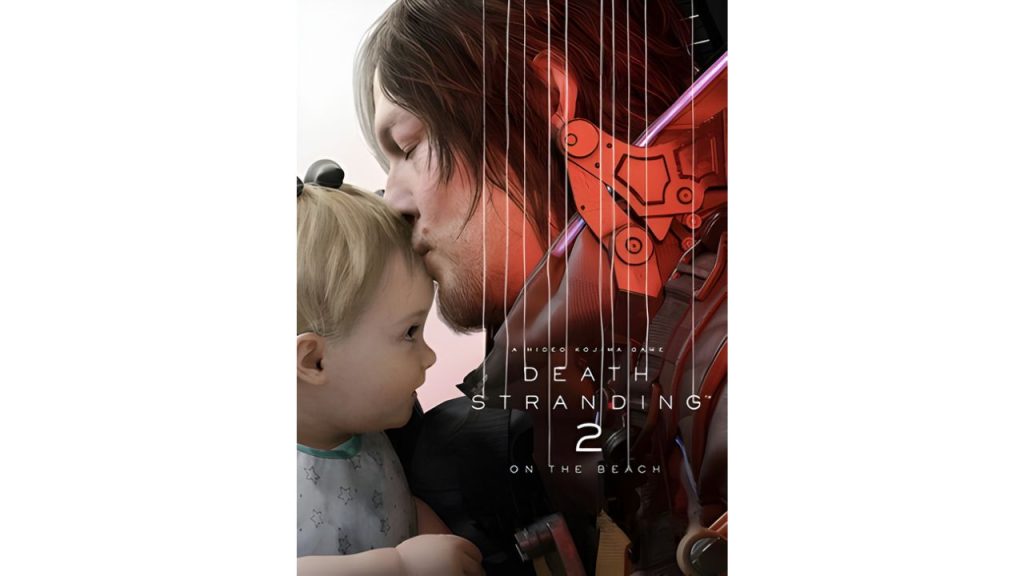
8. Death Stranding 2: On the Beach
Kojima Productions returned with another game built around movement, burden, and connection, but the sequel sharpened the emotional focus. New environments, especially Australia, gave the journey a different visual identity, while the terrain and weather once again turned travel into the point rather than just the gap between missions. That remains divisive design, but as a single-player experience it is unmistakably authored. Players are asked to pay attention to routes, risk, preparation, and loneliness in a way few blockbuster games attempt. The sequel’s smaller, more character-centered story also gave the strangeness more payoff, keeping the game from feeling like pure abstraction.

9. Silent Hill f
Horror had a strong year, but Silent Hill f stood out by shifting the series to 1960s Japan without losing its psychological identity. The new setting changed the visual language immediately, replacing familiar series iconography with something more culturally specific and unsettling. The game also leaned into replay value and layered interpretation. Multiple endings, close-combat tension, and writing that explored abuse and social pressure gave it more to hold onto than surface dread. For solo players who wanted horror with both atmosphere and narrative density, this was one of 2025’s sharpest releases.
What made 2025 so strong for single-player games was not one dominant formula. It was the range. One player could spend the year surviving historical Bohemia, routing monsters in reactive turn-based battles, crossing haunted landscapes alone, or slipping through feudal Japan with a blade and a plan. That variety is the real headline. Solo games were not boxed into one genre, one budget tier, or one storytelling style. They kept finding new ways to feel personal, and that made 2025 unusually rich for anyone who still prefers playing alone.

