

For some former child stars, the biggest career turn did not happen on camera. It happened after the applause slowed, when steady work, privacy, and a different kind of purpose started to matter more than auditions and reruns. Several Black performers who were once instantly recognizable took that route. Some moved into licensed professions, some built careers in business or community work, and some stayed near entertainment without remaining in the spotlight.

1. Ross Bagley built a second act in real estate
Ross Bagley, remembered by many viewers as Nicky Banks on The Fresh Prince of Bel-Air, moved into real estate after his early run as a child actor. His adult career has centered on helping clients navigate property transactions in Los Angeles, a sharp shift from sitcom sets and studio lots. Reference material also notes that he has worked as an L.A.-based realtor and DJ, showing how some former child actors build flexible careers instead of chasing a full-time return to screen work.
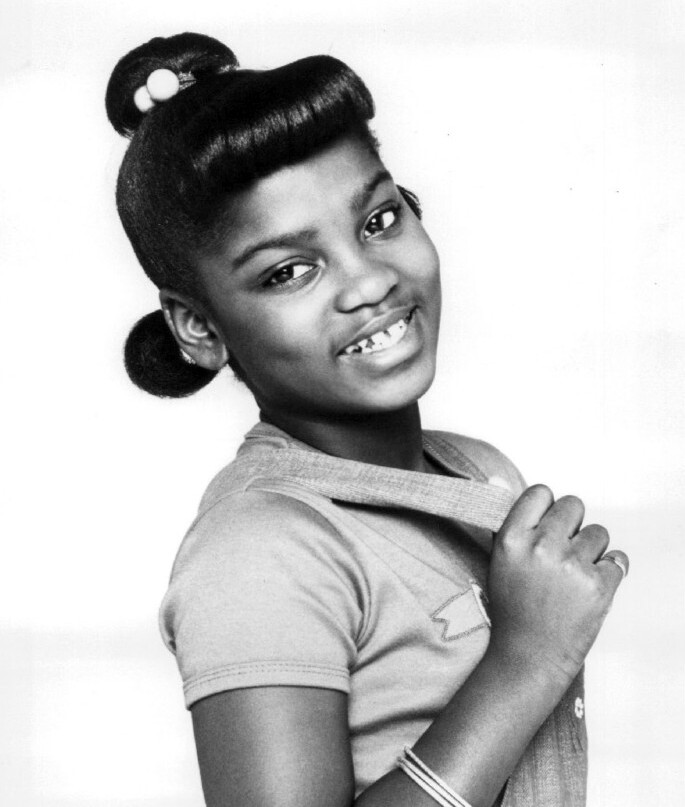
2. Danielle Spencer traded sitcom fame for veterinary medicine
Danielle Spencer, known from What’s Happening!!, pursued one of the most structured pivots on this list by training as a veterinarian. That path required years of coursework and clinical preparation, placing her in a profession built on licensing, science, and daily care rather than public recognition. Her post-acting life reflected a move toward practical service, with responsibilities tied to exams, diagnostics, and preventive treatment for animals. Her death in 2025 at age 60 also closed a career story that stood out for its discipline and distance from celebrity culture.
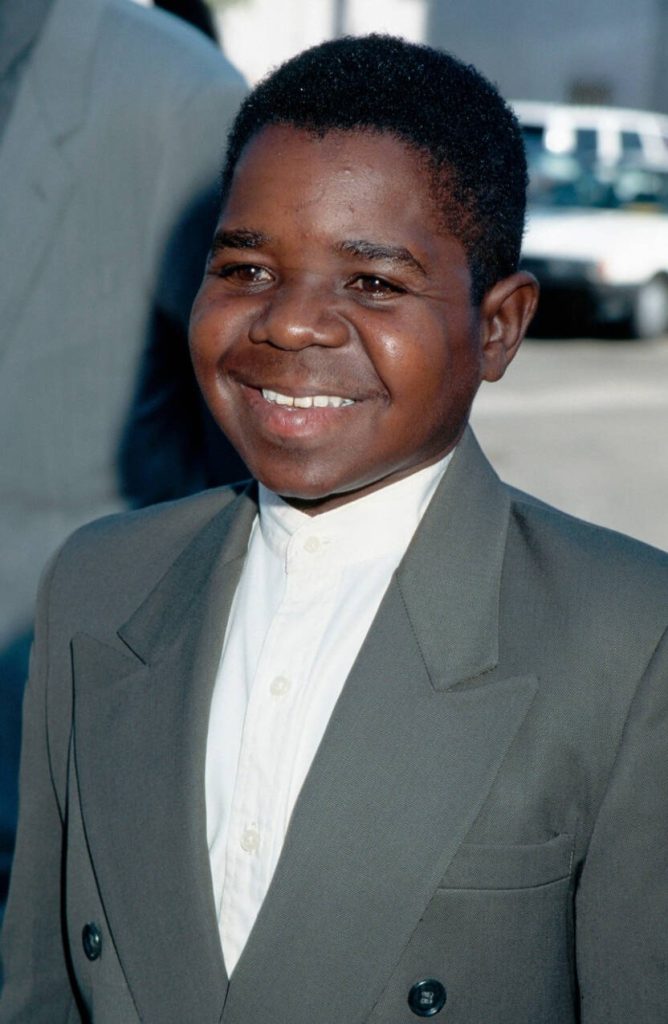
3. Gary Coleman took on regular jobs between appearances
Gary Coleman remained one of the most recognizable former child stars in television history, but recognition did not shield him from the need for dependable work. After Diff’rent Strokes, his adult life included non-entertainment jobs such as security work and other hourly roles while he continued occasional media appearances. That detail often gets overlooked when former child fame is discussed in glamorous terms, yet it shows how unstable entertainment income can become once childhood roles end and adult parts do not arrive with the same force.
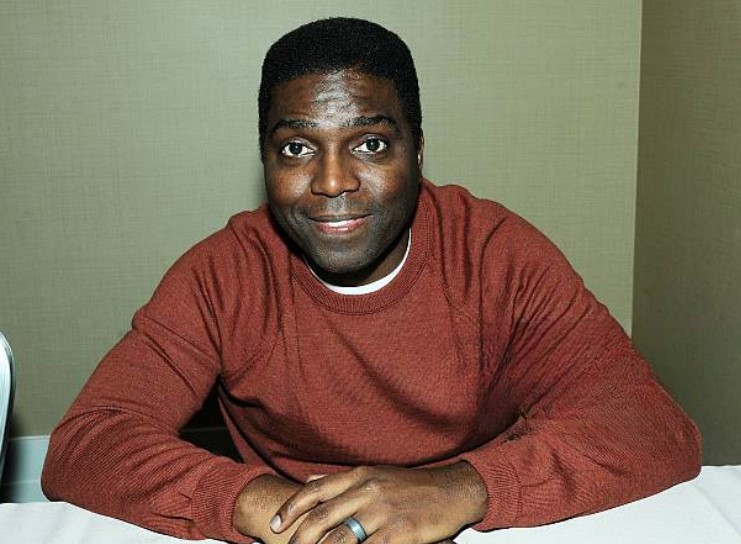
4. Shavar Ross moved into ministry and community service
Shavar Ross, also associated with Diff’rent Strokes, took his adult life in a different direction by focusing on faith-based work and neighborhood outreach. His later roles involved ministry, youth mentorship, and local service rather than entertainment industry visibility. That shift placed his work closer to community leadership than celebrity branding, and it reflects a broader pattern seen among some former performers who choose public-facing roles that are personal, local, and mission-driven.
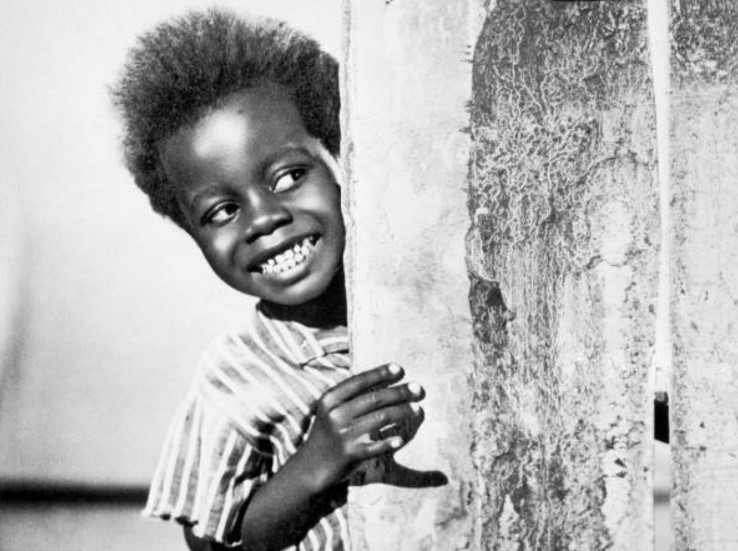
5. Billie Thomas found stability in technical film work
Billie Thomas, remembered as Buckwheat from Our Gang, did not remain in front of the camera as an adult. After serving in the U.S. Army, he worked for a major film laboratory in a technical capacity, handling processing-related responsibilities that supported movie production behind the scenes. It was still film work, but it was precision work, not fame-based work, rooted in reliability and workflow rather than applause.
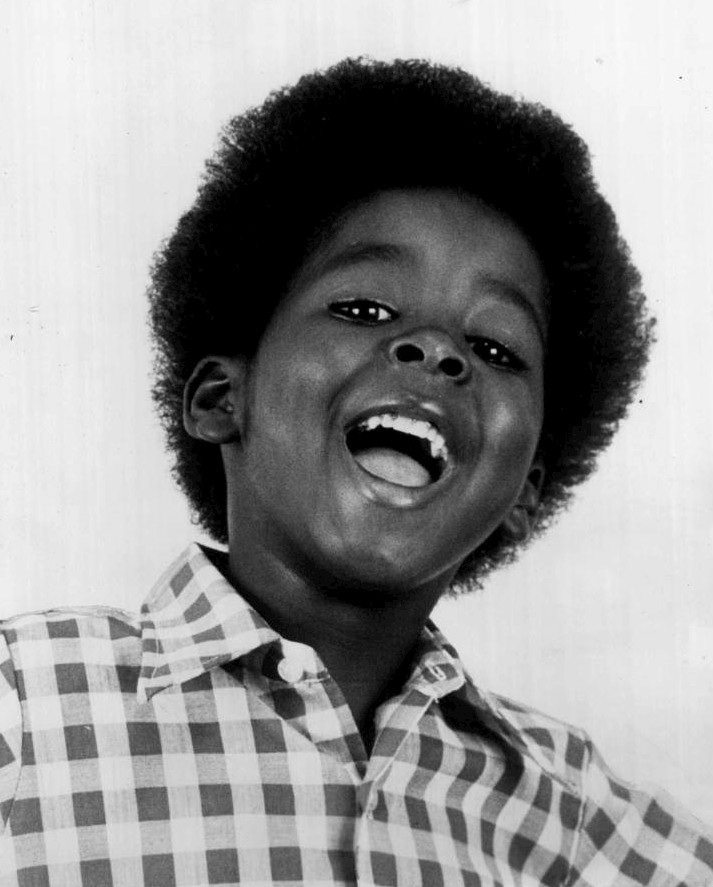
6. Rodney Allen Rippy moved from commercials into marketing
Rodney Allen Rippy became widely known at a young age through commercials, then later built an adult career in marketing and public relations. His work involved campaign coordination, outreach, event planning, and vendor management, all far more typical of agency life than childhood celebrity. The transition makes sense in another way too: a child who once sold products on screen later moved into the business mechanics behind promotion itself.
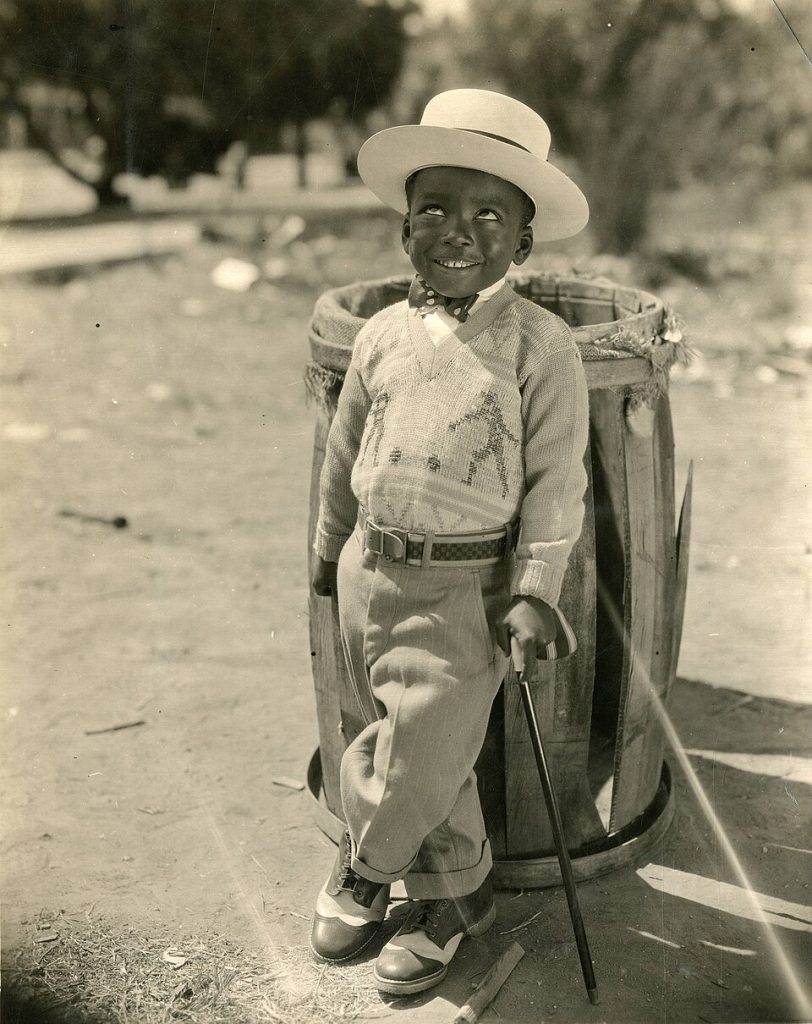
7. Allen Hoskins shifted into hospital support and service
Allen Hoskins, known as Farina from Our Gang, built an adult life around structure and service. After military service, he worked at a veterans hospital in medical support roles that involved patient assistance and equipment handling. His career path placed him inside institutions devoted to care, not performance, and added another example of a former child actor choosing work defined by routine, responsibility, and direct human need.
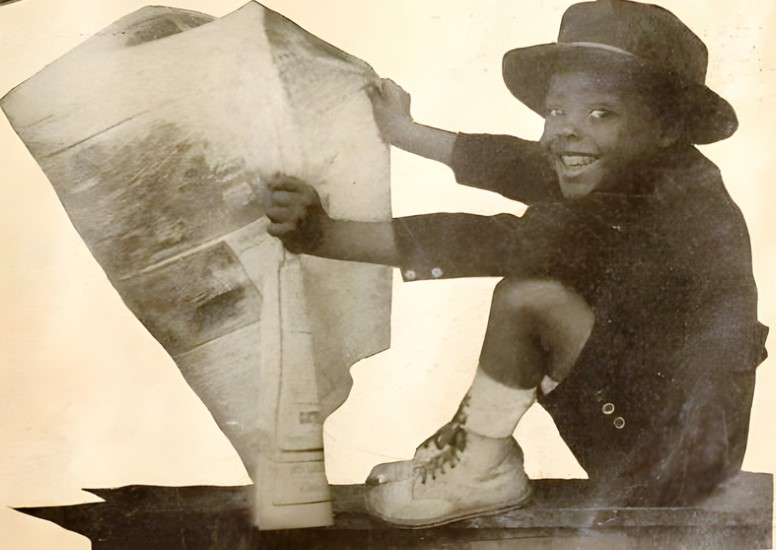
8. Ernest “Sunshine Sammy” Morrison entered industrial and union work
Ernest Morrison, one of the earliest Black child stars in American screen history, eventually left acting for industrial employment. He worked in aerospace manufacturing and related technician roles, where the focus was production schedules, inspections, safety standards, and steady wages. That is an especially striking contrast because Morrison’s name is tied to film history, yet his adult career reflected the industrial labor economy more than the entertainment business.
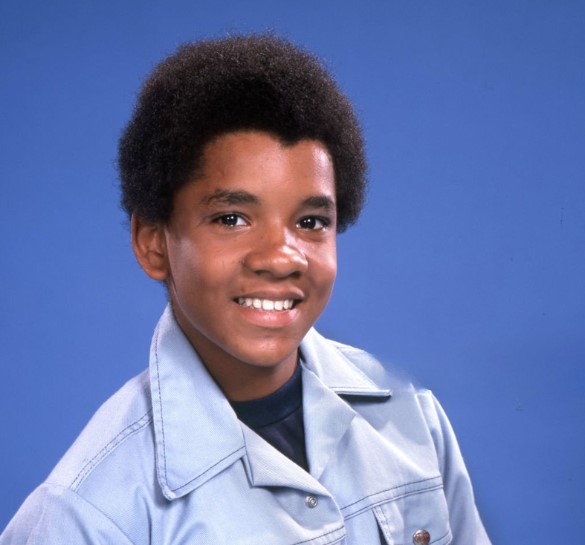
9. Ralph Carter balanced church leadership with real estate
Ralph Carter, remembered from Good Times, moved into a life anchored by church music leadership and real estate activity. His responsibilities reportedly included choir administration, rehearsals, and performance planning, alongside the client-facing work of property showings and transaction preparation. Instead of one dramatic reinvention, his adult life appears to have been built from two grounded forms of community-centered work.

10. Vanessa Baden stayed close to media without staying on camera
Vanessa Baden, known from Gullah Gullah Island and Kenan & Kel, represents a different kind of exit from child stardom. Rather than leaving the broader media world entirely, she developed writing and production skills tied to schedules, scripts, budgets, and team coordination. That kind of role rarely gets the same public attention as acting, but it is often where long-term, structured careers in entertainment are built.
Not every child star disappears, and not every former actor wants a comeback. Some move into fields that demand credentials, some choose work that offers routine, and some stay adjacent to entertainment in less visible roles. Taken together, these career paths show that life after early fame is not one story. For many former Black child stars, adulthood looked less like a return to the spotlight and more like a decision to build something steadier beyond it.

