
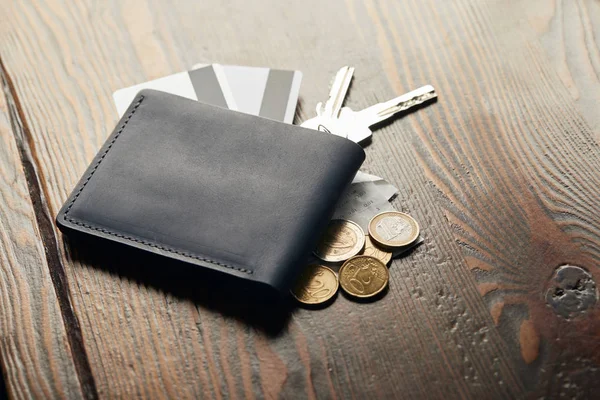
A wallet usually feels like a convenience tool. In practice, it can become a compact storage place for the exact details a thief needs most: financial access, personal identifiers, and clues about daily routines.
Security experts consistently recommend carrying less, not more. Eva Velasquez of the Identity Theft Resource Center put it plainly: “Carrying anything that has more of your personally identifiable information than you need at the moment is going to be a security risk.”
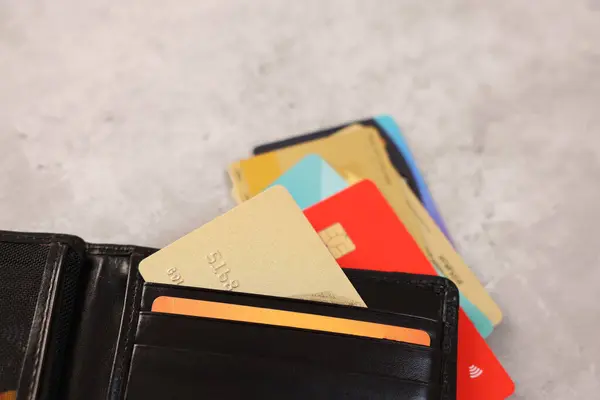
1. Social Security card
This is one of the clearest items to remove right away. A Social Security number can be used to open accounts, apply for loans, and create long-term identity problems that take far longer to fix than replacing a lost card. For most daily errands, there is no practical reason to carry the physical card. The safer move is to store it in a secure place at home and only take it out when a specific official task requires it. If identity theft does happen, FTC identity theft reporting and recovery steps are available online.
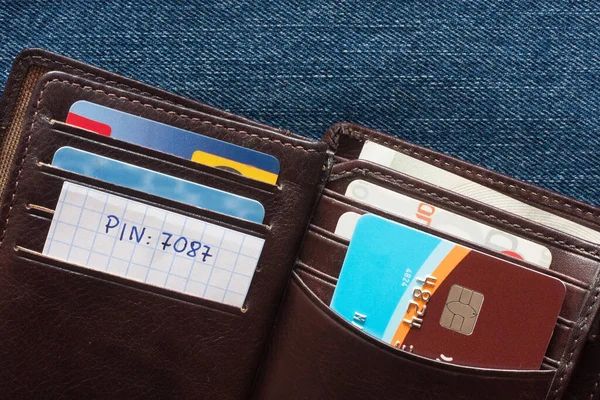
2. Password notes and PIN cheat sheets
A wallet should never contain the keys to financial and online accounts. A scrap of paper with passwords, banking logins, or card PINs can turn a lost wallet into immediate account access for someone else. This risk becomes even worse when the note is stored beside a debit or credit card. Research cited by Pew Research Center survey findings on password habits showed that many adults still write passwords down, which makes this an old habit with very current consequences.
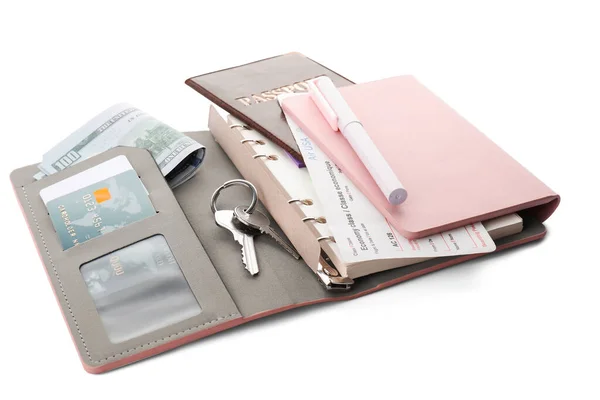
3. Spare house key
A house key paired with an ID creates a direct path to a home address. That combination does more than risk a lockout problem; it creates a household security problem. Even if no break-in occurs, replacing locks can become an urgent expense. A trusted friend or relative is a safer backup option, and keyless entry systems remove this risk entirely for many households.
4. Blank checks
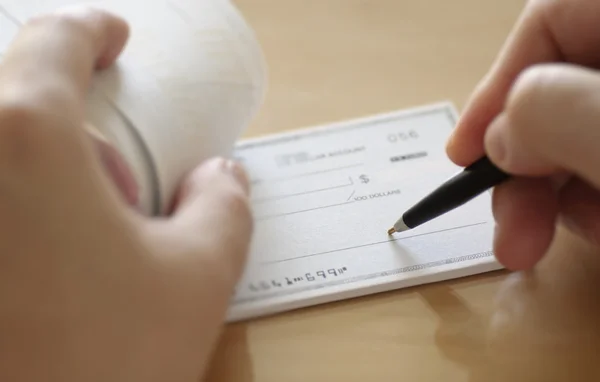
Checks carry more information than many people realize. A blank check can expose routing and account numbers, and in the wrong hands it can be used for fraud well beyond the single piece of paper. Carrying one “just in case” no longer makes much sense for everyday life. If a check is needed for a planned task, taking only that single completed check limits the damage if a wallet goes missing.
5. Passport
A passport is not everyday pocket material. It is a high-value identity document, and replacing one after loss can be slow, document-heavy, and disruptive. Experts cited by AARP note the U.S. passport is “the most valuable identity document in the world.” For domestic routines, one standard ID is usually enough. During trips, the original passport is better kept locked away when it is not actively needed.
6. Birth certificate
A birth certificate is a foundational document, sometimes described as a “breeder” document because it helps establish identity for obtaining other records. That makes it especially useful to criminals building a fuller profile. There is almost never a reason to carry the original during an ordinary day. It belongs with other vital records in secure home storage, not folded behind loyalty cards.
7. Multiple credit cards
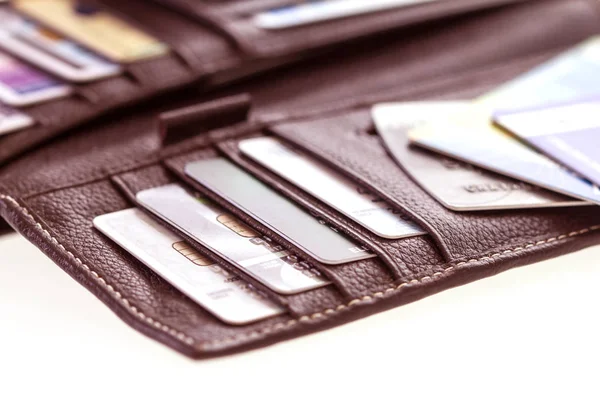
More cards mean more damage control after a loss. Instead of canceling one account, the cardholder may be forced to freeze, replace, and monitor several at once. One shorter wallet rule helps: carry only the cards likely to be used that day. Many people now rely on tokenization used by digital wallets, which keeps card numbers from being shared directly with merchants during transactions.
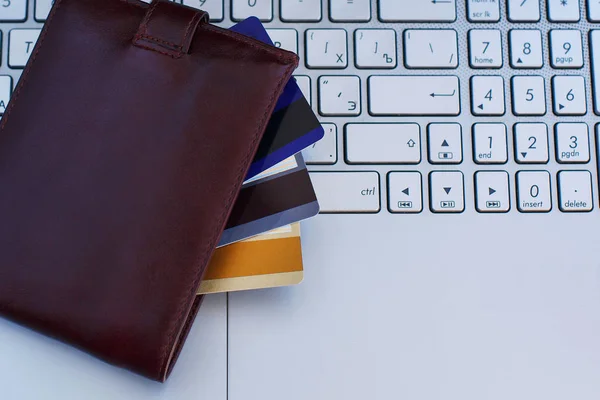
8. Debit card paired with your everyday spending
Debit cards are common, but they create a different kind of stress after fraud. When a debit card is misused, the money is pulled from the account itself, which can disrupt rent, bills, and routine spending before the issue is resolved. Some experts recommend using a credit card for regular purchases instead, while keeping debit access more limited. The point is not to overload a wallet with payment methods, but to reduce how much immediate cash flow is exposed.
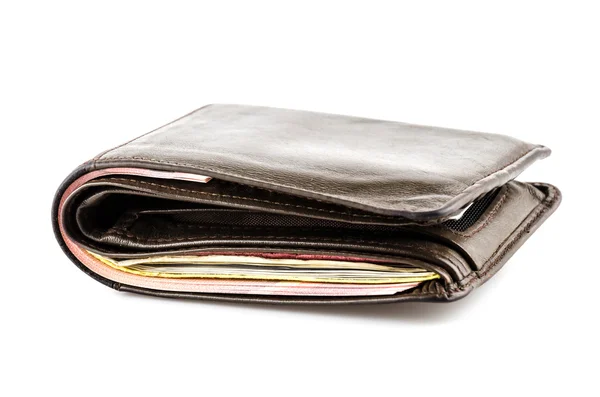
9. Stacks of old receipts
Receipts look harmless. They are not. They can reveal store names, purchase patterns, partial card numbers, and enough transaction detail to make phishing calls or messages sound believable. Eva Velasquez warned that scammers can use those details to “lend legitimacy to a phone call,” which is why a wallet stuffed with receipts is more than clutter. Removing them quickly and storing only necessary records digitally is the cleaner habit.
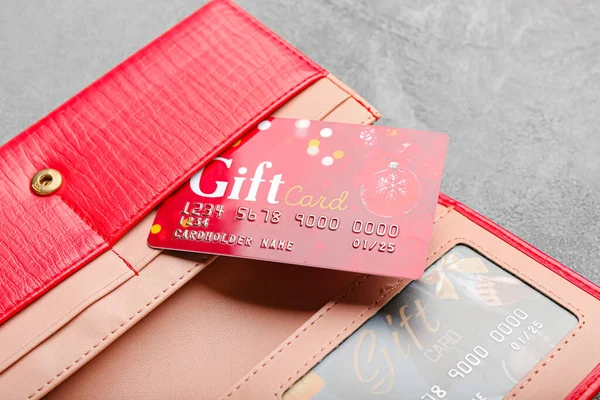
10. Gift cards
Gift cards are easy to treat like placeholders for future shopping, but they function much more like cash. If they disappear, the balance often disappears with them. That makes a wallet full of unused gift cards an avoidable loss. Physical cards are better kept at home until the trip where they will actually be used, or entered into a store account or mobile wallet when available.
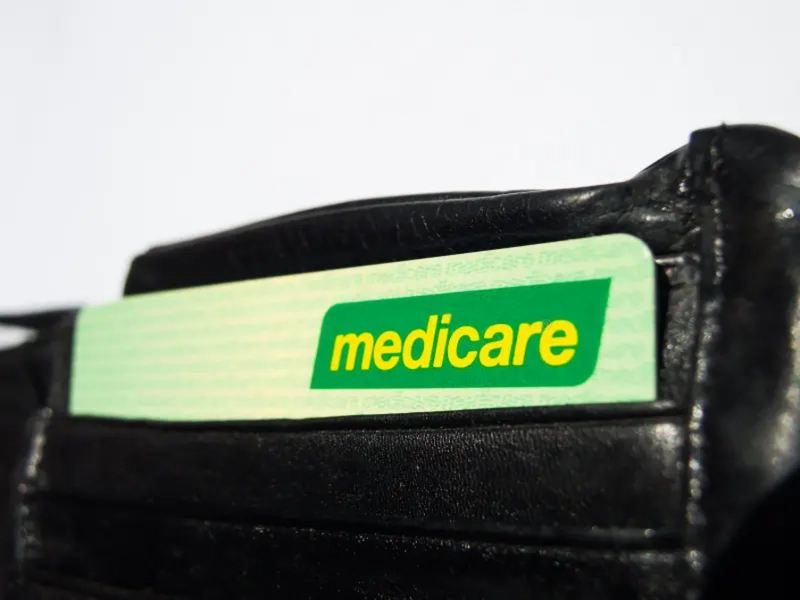
11. Medicare card
The Medicare number on the card is valuable personal information. For older adults in particular, medical identity theft can lead to false claims, billing confusion, and headaches that go well beyond replacing the card itself. AARP advises carrying it only when it is truly needed for care. Current Medicare cards no longer use Social Security numbers, but the unique identifier still deserves careful protection.
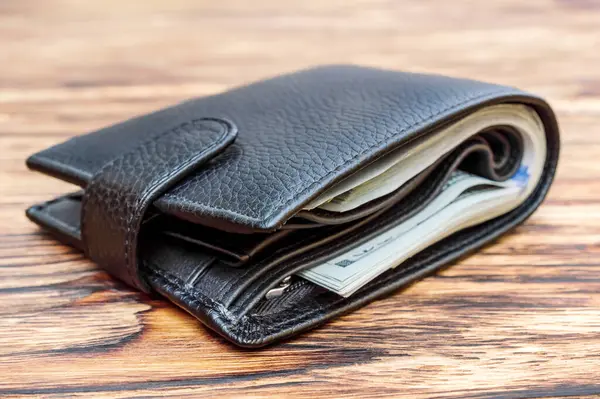
12. Excess cash
Cash has one major weakness: once it is gone, it is usually gone for good. There is no freeze button, no fraud alert, and no practical recovery path after an ordinary loss. Bankrate reporting cited by Discover found identity fraud victims lost an average of $1,551 in 2021, and carrying large amounts of cash only adds another layer of exposure. A modest emergency amount is one thing; a thick fold of bills is another.
A safer wallet is usually a smaller wallet. The common thread across all of these items is simple: if something would be painful to replace, powerful in the wrong hands, or unnecessary for a normal day, it probably does not belong there. Keeping only the essentials cuts bulk, reduces stress, and limits the damage a single careless moment can cause.

