
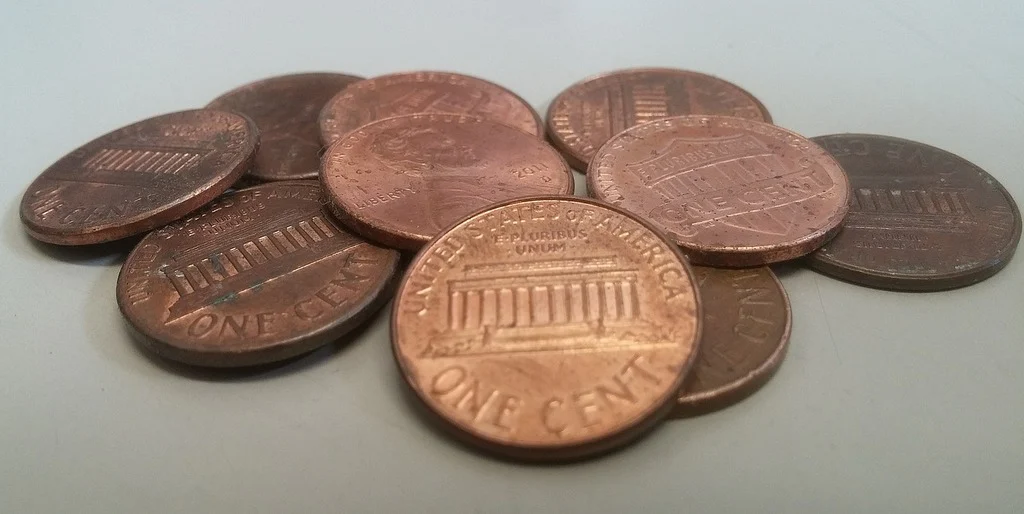
A Lincoln Wheat penny can look ordinary until one small detail changes everything. A missing mintmark, a strange color, or letters that appear doubled can turn a common cent into a coin that collectors study for years. That appeal has only grown as the penny itself moved into a new era. With U.S. penny production ending in 2025, older one-cent pieces have gained fresh attention, especially the Wheat cents struck from 1909 to 1958. For casual collectors, the real challenge is not dreaming about a jackpot. It is learning which clues matter and which ones only look promising.
1. The first-year design still drives attention
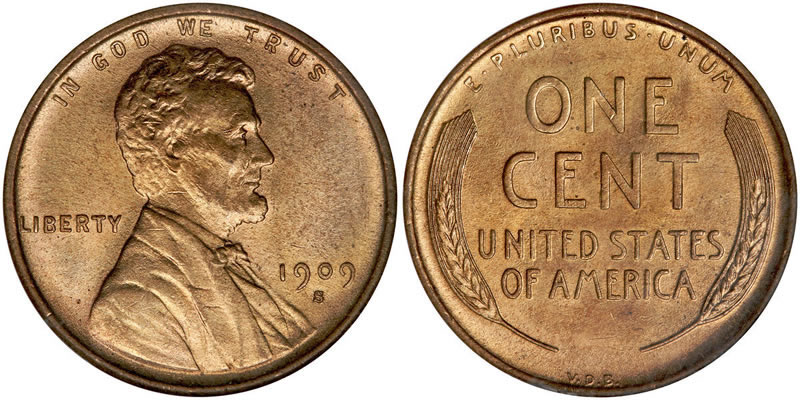
The Wheat penny debuted in 1909 as the first circulating U.S. coin to feature a real historical figure, Abraham Lincoln. Sculptor Victor David Brenner gave the coin its now-familiar profile portrait on the front and two wheat stalks on the reverse, a design that stayed in use until 1958.
That origin story still matters because first-year coins often attract collectors before rarity even enters the picture. Early examples with crisp detail, especially from 1909, remain a natural starting point for anyone sorting inherited jars or old albums.
2. The 1909-S VDB is famous for a reason
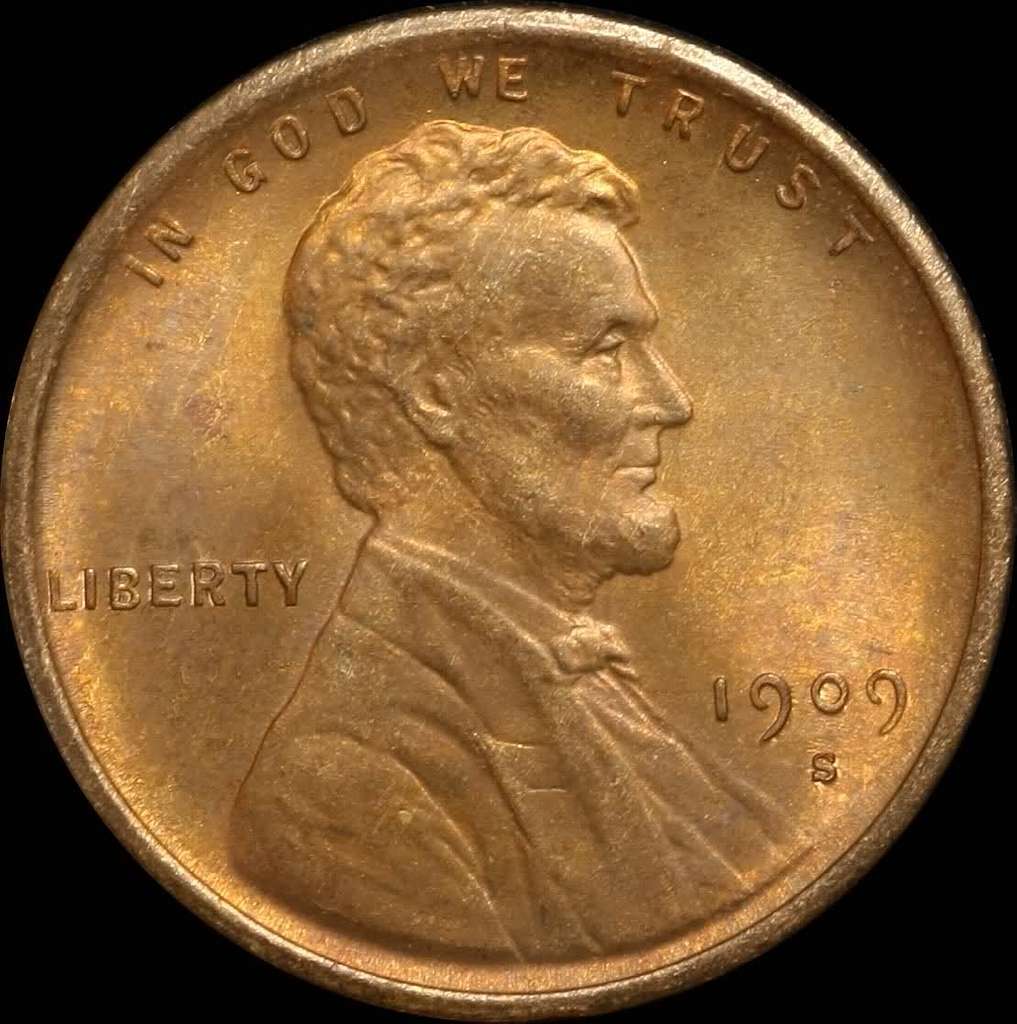
Among all Wheat cents, the 1909-S VDB has one of the strongest reputations. Only 484,000 were minted, and the coin carries Brenner’s initials on the reverse from the brief period before officials pulled them from that prominent position.
The combination of low mintage, debut-year status, and design controversy gave this coin lasting fame. Even worn examples get attention, while sharper pieces are usually the ones that push serious collectors into authentication and professional grading.
3. A 1943 penny deserves a second look
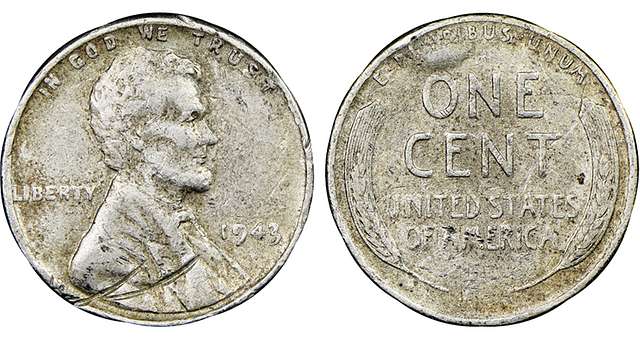
Most 1943 cents were made from zinc-coated steel because copper was redirected during World War II. That means a 1943 coin with the usual silver-gray appearance is normal, but a bronze-colored 1943 cent stands apart immediately.
That color difference is the clue casual collectors remember, and for good reason. A small number of leftover bronze planchets were accidentally struck in 1943, creating some of the best-known rarities in American coin collecting.
4. The rarest wartime mistakes came from the metal switch
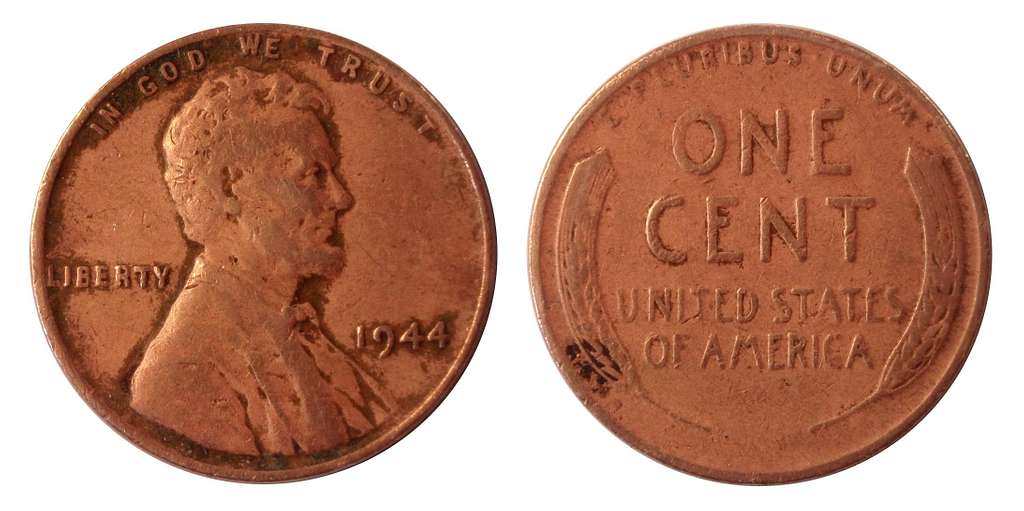
The metal transition did not create just one famous error. It created two. Bronze cents dated 1943 and steel cents dated 1944 both resulted from planchets left in the machinery when the Mint changed compositions. This is where Wheat penny lore becomes especially powerful.
The unique 1943-D bronze cent sold for $840,000 in 2021, while 1944 steel cents from several mints have also reached six-figure territory. For casual collectors, the practical lesson is simple: unusual color is never a detail to ignore.
5. Doubled lettering can be more important than age
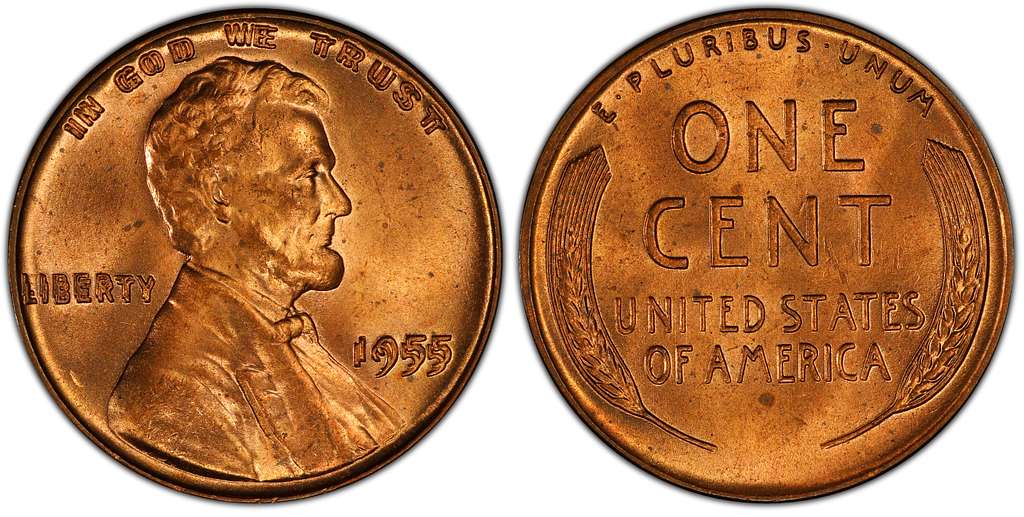
Some Wheat cents are prized not because they are old, but because the dies used to strike them carried a doubled image. The result can show up in the date, “LIBERTY,” or “IN GOD WE TRUST.” The best-known example is the 1955 doubled die obverse, whose bold doubling is visible without magnification.
According to CoinWeek, about 24,000 entered circulation, helping turn a minting mistake into one of the hobby’s most recognized coins. The far rarer 1958 doubled die obverse is even scarcer, with only a few confirmed examples.
6. Missing mintmarks are not automatically a win
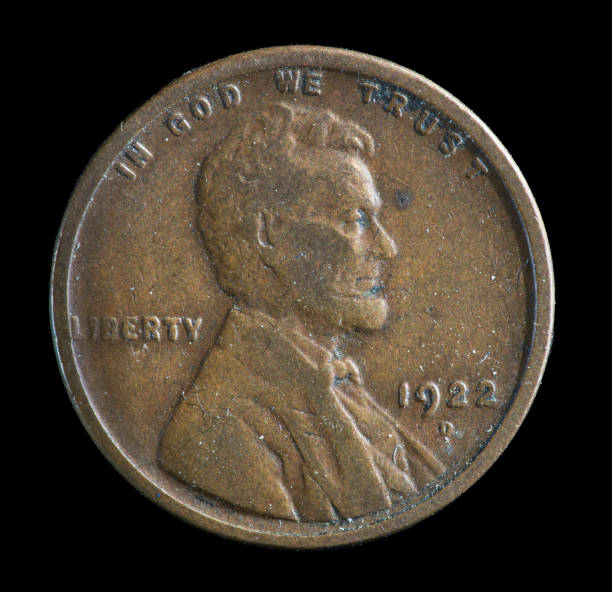
A coin without a mintmark can be perfectly normal, especially for Philadelphia issues. But one date demands closer attention: 1922. Philadelphia did not strike cents that year, so a 1922 penny with no “D” points collectors toward the famous “No D” variety.
Even then, caution matters. The genuine pieces typically show weakness on the obverse because the problem came from die wear or polishing, not from someone removing a letter after the fact.
7. Condition can outweigh scarcity in surprising ways
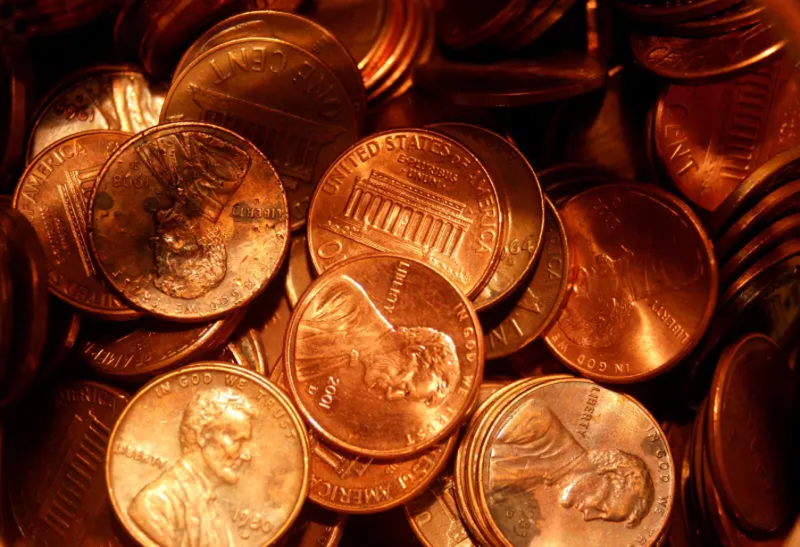
Some dates are available in worn condition but become difficult in sharply preserved form. That is why collectors watch not just the date and mintmark, but Lincoln’s hair detail, the wheat lines, surface color, and original luster.
This explains why coins such as the 1914-D, 1914-S, 1925-S, and 1931-S often become much more important in high grade than they first appear in pocket-worn form. A cent can be old and scarce, yet still fail to stand out if its details have been worn away.
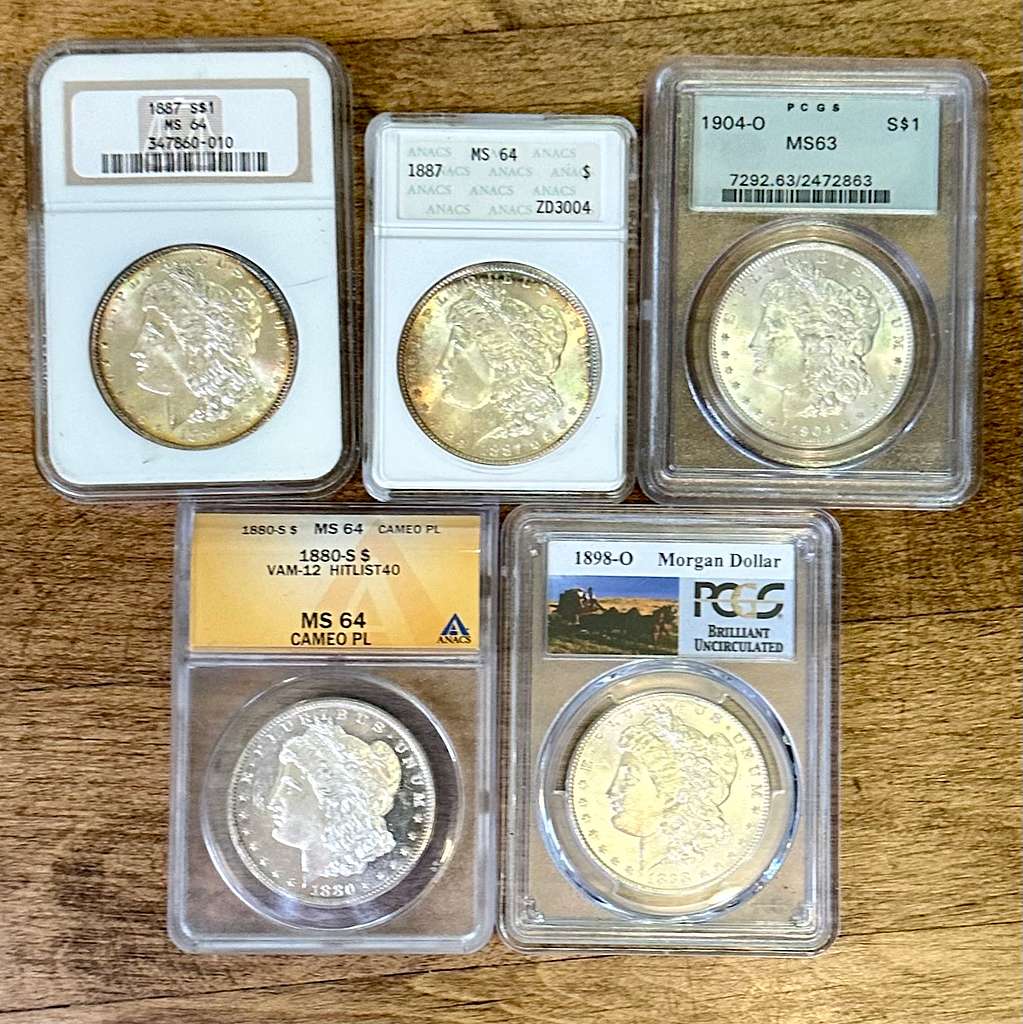
8. Professional grading matters most when a coin looks exceptional
Authentication becomes especially important when a coin appears to have a key date, an off-metal error, or dramatic doubling. Third-party grading helps establish whether a piece is genuine, how strong the details are, and whether the surfaces have been altered.
That matters because Wheat cents are widely collected and heavily studied, which also means valuable varieties are frequently faked or misunderstood. A professional holder does not create rarity, but it can confirm it.
9. Most Wheat pennies are still modestly priced
The series contains famous prizes, but the average Wheat cent from the 1940s or 1950s is usually a modest collectible rather than a windfall. Donn Pearlman of the Professional Numismatists Guild put the ceiling in perspective: “There are million-dollar pennies, but there are no $100 million pennies.”
That is the healthiest clue of all for new collectors. Interest should start with observation, not assumption. The Wheat penny remains compelling because it rewards careful looking. Its story runs through presidential portraiture, design disputes, wartime metal changes, and mint mistakes that still circulate in collecting folklore.
For casual collectors, the strongest habit is also the simplest: check the date, check the mintmark, check the color, and slow down before making a claim. On a coin this small, the difference between ordinary and remarkable is often only a letter, a surface tone, or one doubled word.

