
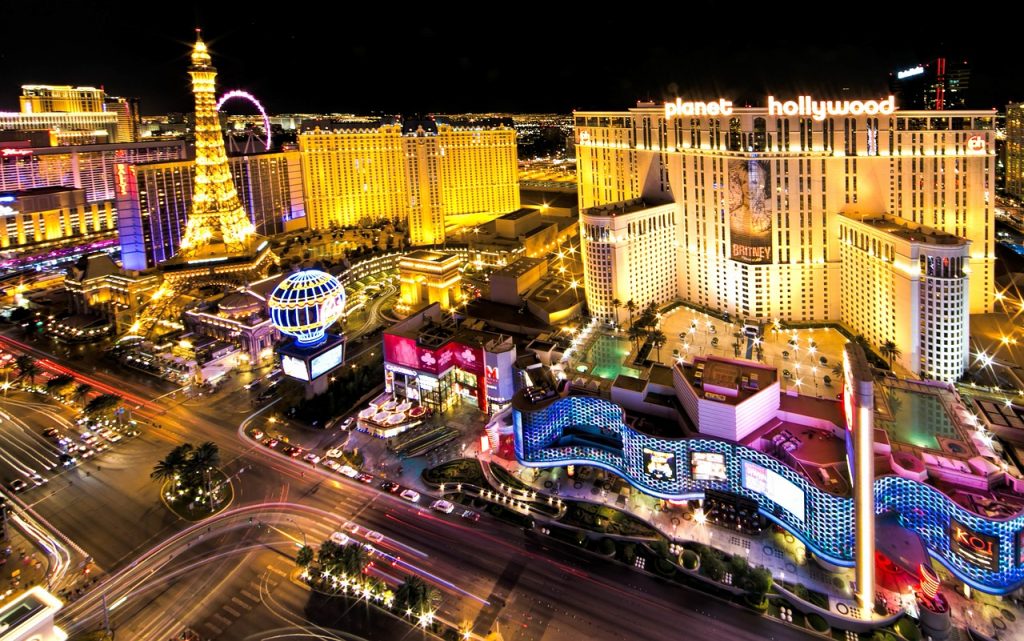
Las Vegas still knows how to put on a show, but the math behind the trip has changed. For many American travelers, the issue is no longer whether the Strip looks exciting. It is whether the experience still feels worth the total bill.
That question has become harder to answer as visitor totals slide, weekday traffic softens, and complaints about fees, food prices, and shrinking value spread well beyond travel forums. What follows are the biggest forces changing how Americans look at a Las Vegas getaway.
1. Hotel prices no longer tell the full story
A room rate can still look manageable at first glance, but the final cost often arrives much higher. Resort fees commonly add $35 to $55 a night, and parking or early check-in can push the total even further.
The Federal Trade Commission’s Rule on Unfair or Deceptive Fees now requires total lodging prices to be shown more clearly, but it does not eliminate the charges themselves. Travelers may see the full amount sooner, yet they still have to decide whether the add-ons make the stay feel inflated before the trip even begins.
2. Small purchases have become big irritants
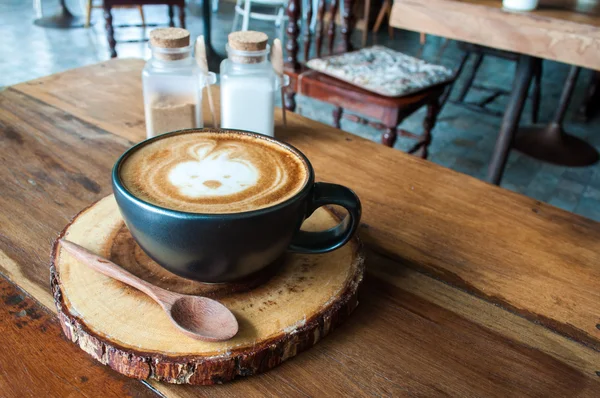
Las Vegas has long depended on visitors spending freely once they arrive. That gets harder when everyday basics start feeling like luxury purchases. Tour guide Michael Hillman captured the frustration in a simple line: “Ten bucks for a bottle of water.
People don’t see a deal anymore.” The same pattern appears across coffee, cocktails, room service, and casual meals, where routine purchases can feel disconnected from the original promise of affordable indulgence.

3. Hidden charges make travelers feel outplayed
The problem is not only cost. It is the sense that extra charges keep appearing after the headline price has done its job. One widely shared room-service receipt described in coverage of the Strip showed separate line items for gratuity, service charges, and tip-style additions on the same order.
That kind of billing fuels the broader complaint that Las Vegas is no longer just expensive; it is exhausting. When travelers have to decode every receipt, trust erodes fast.

4. Budget-conscious households are cutting leisure trips first
Las Vegas is especially exposed when consumers start trimming discretionary spending. Inflation, debt, and uneven confidence have made travelers more careful about where their vacation dollars go.
Andrew Woods of UNLV’s Center for Business and Economic Research said visitors are becoming “more discerning about where and how they’re traveling and where they’re spending their dollars.” That shift matters in a city built on impulse spending, long weekends, and the idea that visitors will splurge once they land.
5. The city is leaning harder on repeat visitors
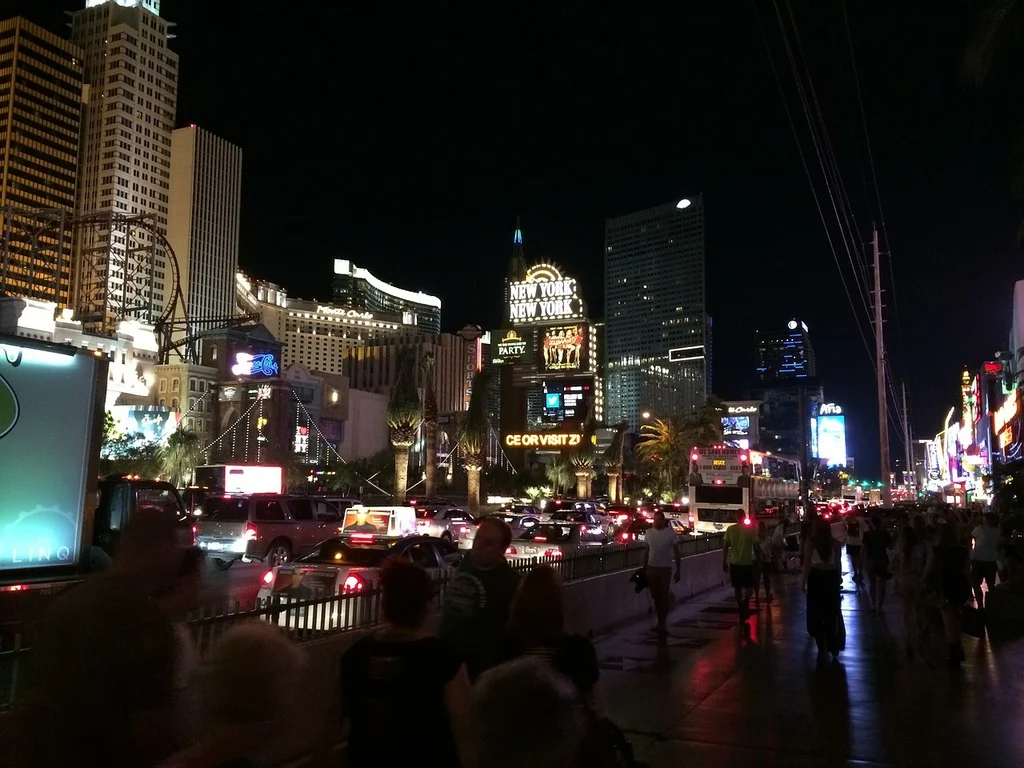
One of the quieter warning signs is who is not arriving. According to a Las Vegas visitor survey, only 10% of visitors were first-time travelers in 2025, down sharply from recent years. That leaves the city more dependent on loyal return guests and less able to refresh its audience.
Repeat visitors may still spend heavily, but destinations usually stay resilient by constantly attracting new travelers. When fewer newcomers feel compelled to try Las Vegas, the long-term appeal starts to look narrower.
6. Weekend energy is holding up, but the rest of the week is softer
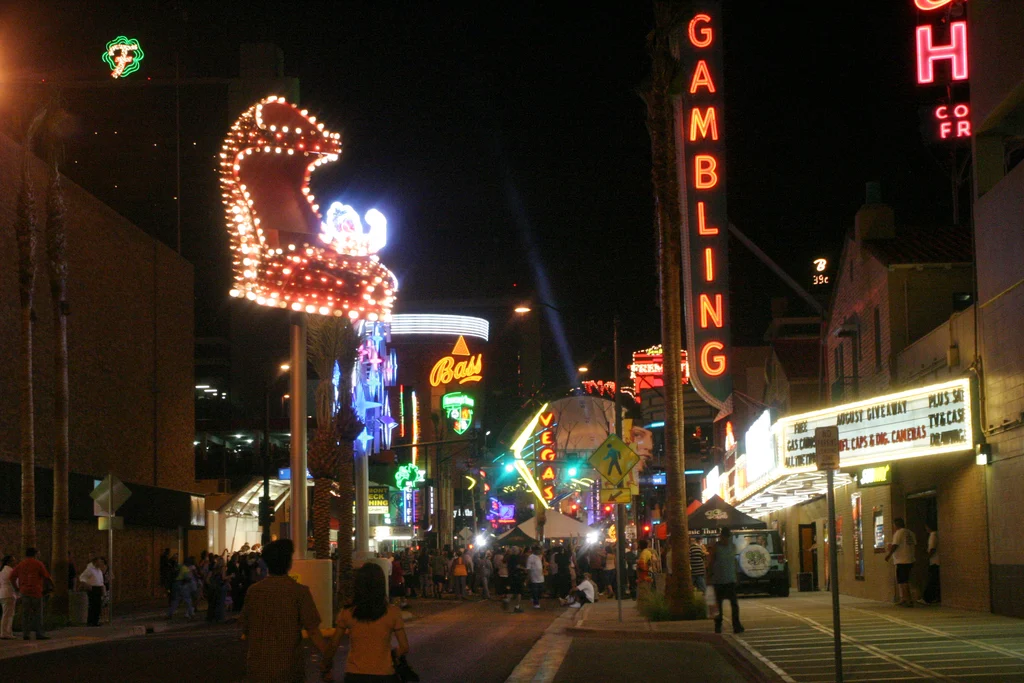
The Strip still fills up on peak days, which can hide the broader slowdown. The bigger change shows up from Monday through Thursday, when hotels, restaurants, and casinos rely on steady traffic to keep business humming.
Reuters reported midweek revenue per available room fell about 11% in 2025. That matters because Las Vegas is built for volume. Softer weekdays ripple through staffing, tips, promotions, and the overall feel of a destination that used to project nonstop momentum.

7. Gambling is no longer a reason to get on a plane
Las Vegas once held a clearer advantage for sports betting and casino play. That edge has faded as mobile wagering and regional casinos spread across the country. For casual players, convenience wins.
In 2024, the U.S. online gambling market was valued at $12.68 billion, underscoring how much betting has moved closer to home. If the gambling can happen from a couch, the trip has to justify itself with something else.
8. Younger travelers often want a different kind of trip
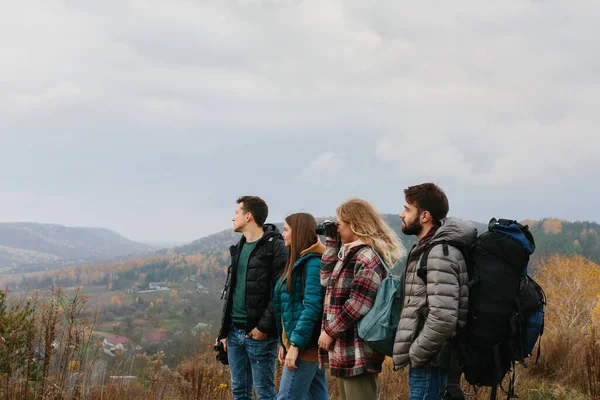
Las Vegas still attracts younger adults, but its traditional image does not align as neatly with current travel priorities. Outdoor escapes, food-driven cities, cultural neighborhoods, and social-media-friendly experiences often compete better for the same dollars.
Robby Starbuck put the branding problem bluntly: “The Vegas marketing image is one centered on slots and showgirls, two things young people have no interest in.” Whether or not every traveler agrees, the quote reflects a broader shift away from old casino-era symbols and toward trips that feel more personal, active, or distinctive.

9. Extreme heat adds a practical reason to go elsewhere
Weather has always been part of the desert identity, but rising heat is turning it into a travel factor rather than just a backdrop. Hotter conditions can affect comfort, outdoor movement, and even the reliability of air travel.
A climate-focused tourism analysis noted that for every 1°C increase in average temperature, international tourist arrivals drop by 8.09% in one 2024 study. Las Vegas is not alone in facing this pressure, but it is one of the most visible places where extreme summer conditions can make a quick beach trip or mountain break look more appealing.
10. The city’s old value promise no longer feels automatic
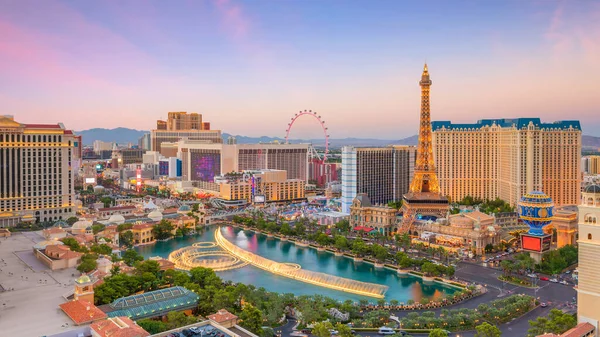
Las Vegas used to sell a specific bargain: visitors could get cheap access to oversized fun, then choose how much extra to spend. That old formula has weakened. Executives have acknowledged the tension. MGM Resorts CEO Bill Hornbuckle said, “You can’t have a $29 room and a $12 coffee.” Caesars Entertainment CEO Tom Reeg also said there are parts of the business that “might have gotten over their skis pricing-wise.”
Those comments point to the same challenge travelers are already voicing: when nearly every part of the trip feels optimized for extraction, the famous sense of abundance starts to disappear. Las Vegas is not losing relevance overnight. It is losing some of the easy trust that once made Americans book first and ask questions later. The city still has scale, spectacle, and loyal fans. But for travelers comparing one getaway against many, value now carries more weight than neon.

