
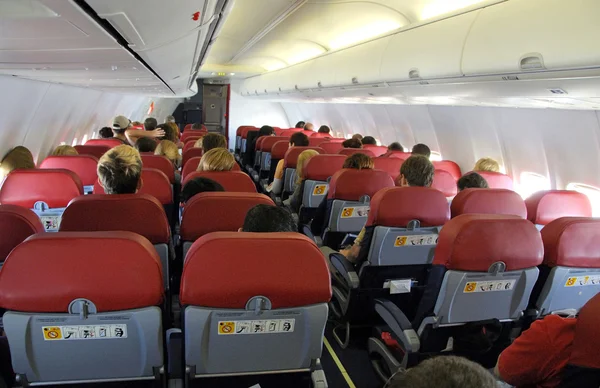
Good intentions do not always read as good manners at 35,000 feet. In a packed cabin, even small passenger habits can interrupt service, create safety issues, or force flight attendants to manage problems that did not need to exist.
The friction often comes from behavior that looks considerate on the surface: helping with bags, chatting to be friendly, or trying to solve a problem without waiting for crew. But flight attendants work inside a tightly timed system, and the smoothest passenger is usually the one who creates the fewest extra decisions.
1. Correcting other passengers
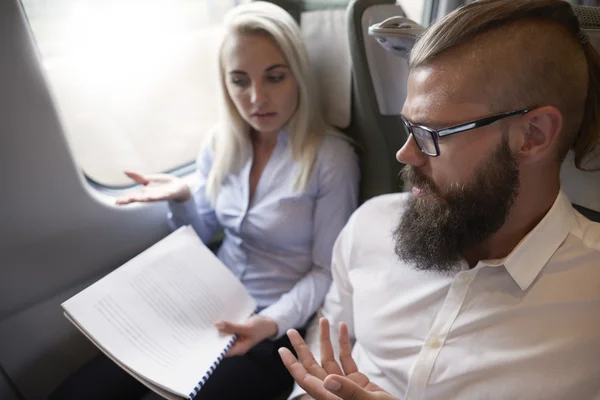
When one traveler steps in to police another traveler’s seat belt, phone use, or tray table, the situation can turn tense fast. Flight attendants are trained to handle rule violations, and they also decide whether a correction should happen quietly or publicly. A passenger confrontation can pull attention away from boarding, service, or a safety check. The better move is simple: alert the crew and let them take it from there. Cabin authority works best when it stays with the people assigned to manage it.
2. Rearranging overhead bins
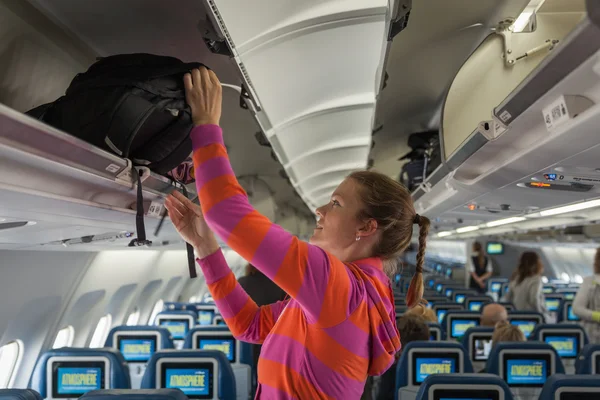
Trying to “help” by shifting someone else’s bag can create a surprising amount of trouble. It separates people from their belongings, invites disputes about tampering, and slows boarding when travelers stop to inspect what was moved. Shared bin space is normal, but handling another passenger’s property is where courtesy can go sideways.
Flight attendants also regularly deal with passengers who overuse overhead space by putting small personal items up top instead of under the seat, a habit that slows the boarding process. The cleanest approach is to stow only what belongs there, do it quickly, and move out of the aisle.
3. Touching a flight attendant to get attention
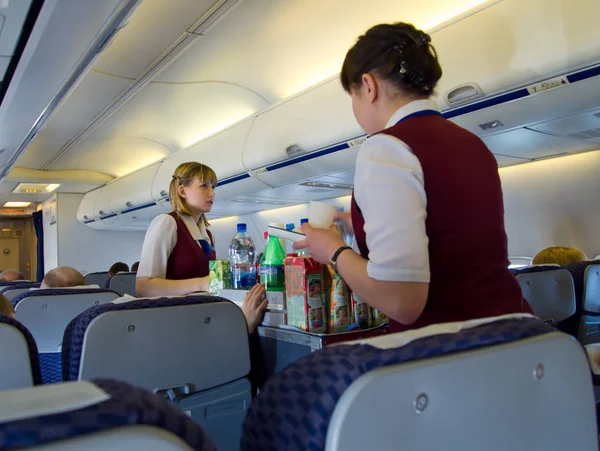
A tap on the arm may feel harmless to the passenger, but many crew members do not want to be poked, grabbed, or tugged at while working. It crosses a personal boundary, and it can be unsafe when a crew member is carrying hot drinks, pushing a cart, or moving through a narrow aisle. There are already better options: say “excuse me,” make eye contact, or use the call button appropriately. Multiple crew members also say physical contact is one of the habits they dislike most.
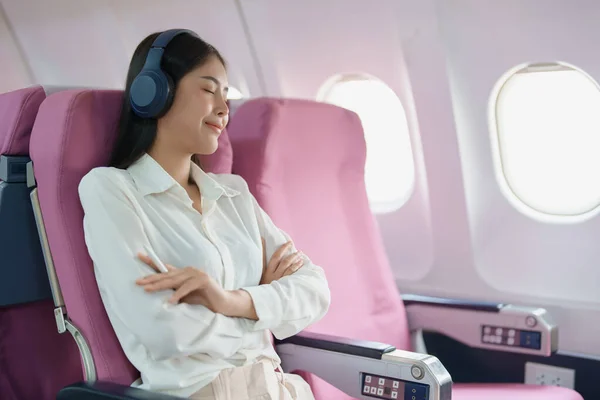
4. Keeping headphones on during service
This one seems small, but it can drag down the whole service rhythm. When a flight attendant has to repeat a drink question several times because a passenger is wearing noise-canceling headphones or focused on a phone, the cart slows for everyone behind that row.
Former and current flight attendants quoted by take out your headphones during service describe it as one of the easiest ways to make cabin interactions smoother. Brief eye contact and a quick answer keep the aisle moving.
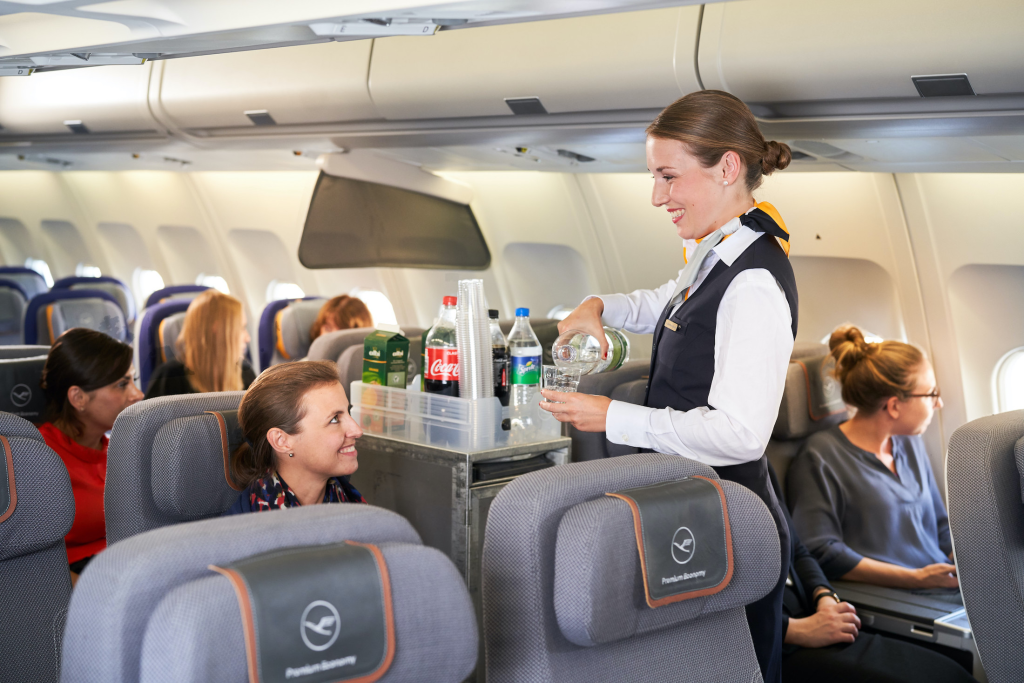
5. Asking for oversized water refills
Reusable bottles are practical in airports, but inflight water is not an endless resource. Cabin service is planned around standard cups and routine requests, not repeated refills of large personal bottles. As one veteran flight attendant put it, “We just can’t fill up all of your water bottles, or there wouldn’t be enough to offer.” A filled bottle from the terminal plus the usual inflight cup is far easier on the crew and fairer to the rest of the cabin.
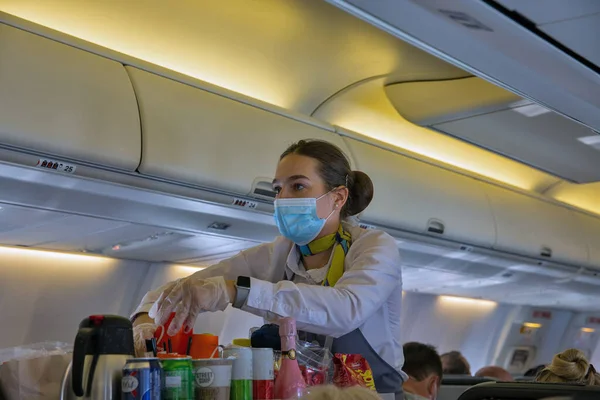
6. Reaching into the drink cart or interrupting service flow
The beverage cart is not self-serve, even when a can, napkin, or snack looks close enough to grab. Reaching in adds confusion, crowds the aisle, and disrupts the crew’s sequence. The same problem happens when passengers ask for custom extras while trash is being collected or while the cart is still several rows away. Flight attendants have described this as a memory and timing problem as much as a manners issue. In a cabin with one crew member serving dozens of people, every off-script request adds one more thing to track.
7. Handing over messy or hazardous trash
Not all trash is equal. Used tissues, dirty diapers, and anything involving bodily fluids are not casual handoffs for a beverage cart or a passing crew member. In a confined cabin, those items raise hygiene concerns and can halt service altogether.
Several crew accounts warn against treating flight attendants like diaper disposal. The lavatory trash is the proper place for those items, and medical sharps belong in appropriate travel containers until safe disposal is available after landing.
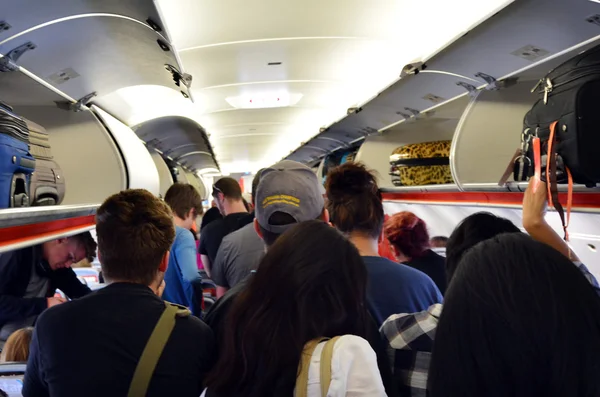
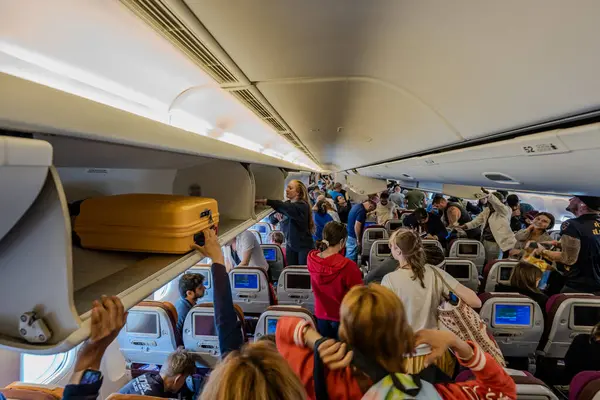
8. Blocking the aisle to perfect a carry on
Boarding slows dramatically when one person stops under the bin and starts rotating a bag, repacking a tote, or guarding space above a specific row. Aisles jam quickly, and every delay multiplies backward. Flight attendants repeatedly say the most efficient passengers are the ones who are ready before they step onto the aircraft.
That means loose straps tucked in, small items already organized, and no last-minute luggage strategy session in the aisle. If a bag seems fragile or awkward, asking the crew for guidance works better than turning boarding into a standstill.
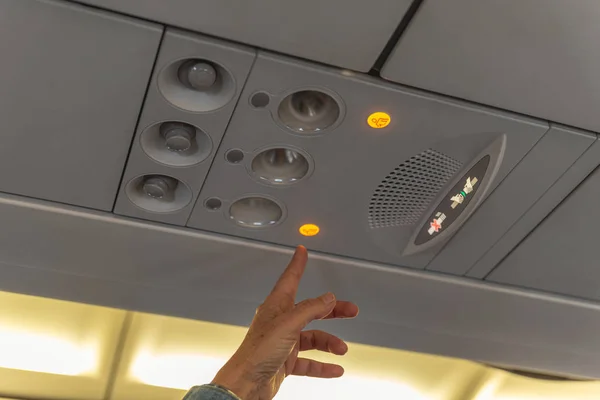
9. Using the call button for boredom or minor timing issues
The call button exists for a reason, but it is not meant to be a conversation starter. Crew members interviewed by only use the call button for real emergencies during takeoff, landing, turbulence, or busy service periods. Pressing it for casual chatting, a nonurgent request while the cart is already in motion, or repeated taps from children creates unnecessary interruptions.
Once the flight is in a calmer phase, normal requests are part of the job. Timing is what separates a reasonable ask from one more stress point in an already crowded cabin. Air travel etiquette often looks less like grand kindness and more like restraint. The passengers who make life easiest for flight attendants are usually the ones who answer quickly, keep their hands to themselves, stay out of the aisle, and let the crew manage the cabin.
That kind of low drama behavior helps everyone onboard. It keeps service moving, reduces conflict, and gives flight attendants more room to focus on the work passengers depend on most: safety, order, and a calmer flight from gate to gate.

