
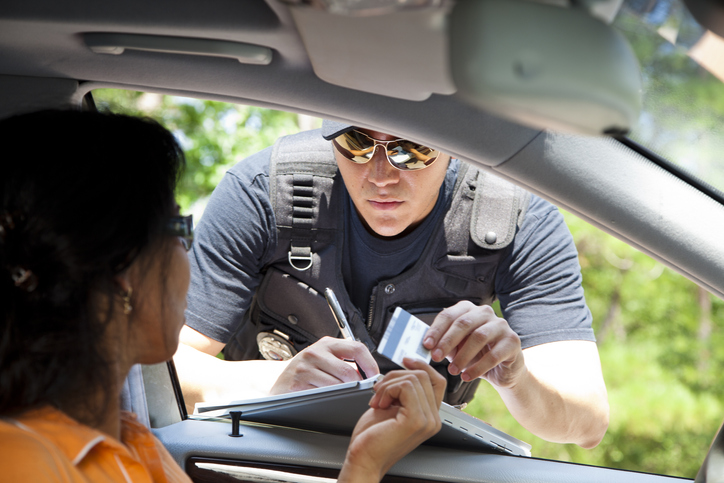
California drivers are entering 2026 with a longer list of road rules that reach far beyond speeding tickets. The changes touch parking, DUI oversight, roadside safety, electric bikes, off-road vehicles and even the paperwork involved in buying a used car. Some updates carry obvious consequences, like fines or probation terms. Others are easier to miss, especially when they apply in places drivers have long treated as routine, such as crosswalk approaches, shoulder lanes and dealership contracts.
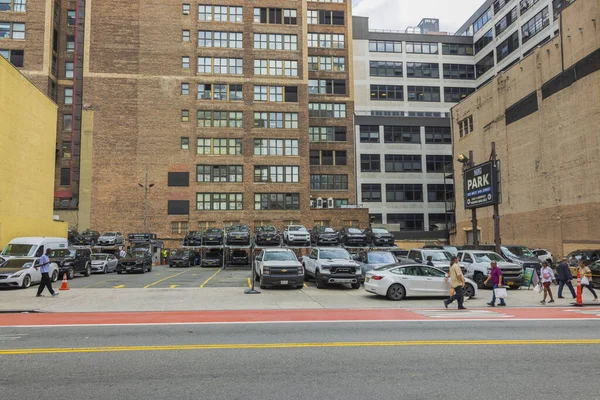
1. Parking too close to a crosswalk is still an easy mistake
One of the most overlooked changes affecting daily driving is California’s daylighting rule, which already made it illegal to park within 20 feet of the approach of a crosswalk even when curbs are not painted red. On streets with curb extensions, the buffer can be 15 feet. That means a familiar parking spot near an intersection may no longer be legal simply because the area is unmarked. The rule matters because sightlines at intersections affect both drivers and pedestrians. San Francisco’s transportation agency says daylighting improves visibility by keeping parked vehicles from blocking the view between people driving and people in crosswalks, and the city is rolling out the practice broadly through 2026.
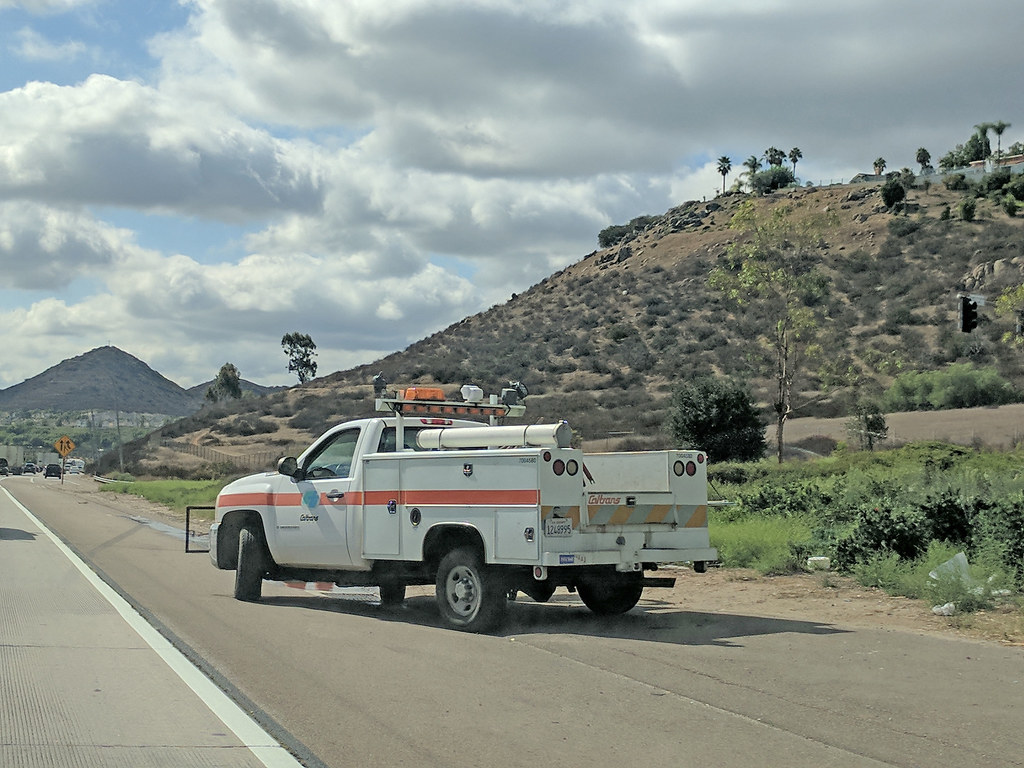
2. Stranded cars now trigger “slow down, move over” duties
California expanded its roadside protection rule through AB 390. The requirement no longer applies only to emergency or Caltrans vehicles. Drivers must now move over when safe, or slow to a safe speed, for nearly any stopped vehicle showing hazard lights or warning devices such as cones or flares. This shifts roadside caution from a narrow emergency rule to a broader driving habit. A disabled family SUV on the shoulder can now trigger the same duty that many motorists once associated mainly with patrol cars and tow trucks.
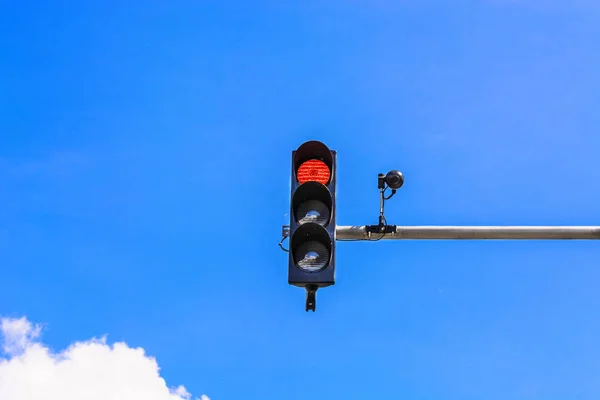
3. Red-light cameras are gaining a wider role
Automated enforcement is getting a stronger foothold. Under the 2026 change, cities and counties can use red-light camera systems that issue citations to the registered owner based on plate data, rather than requiring traditional identification of the driver. New systems installed after Jan. 1, 2026, must begin with a 60-day warning period before fines start. After that, penalties begin at $100 and can climb for repeat violations within three years, with revenue directed to traffic safety uses rather than general spending.
4. License plate covers are drawing sharper penalties
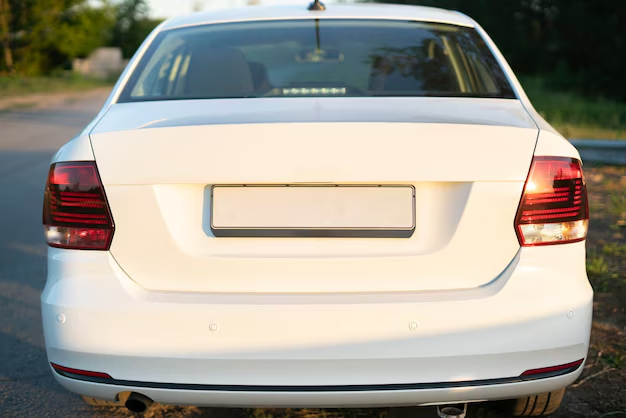
California is also tightening its response to plate-obscuring devices. Products designed to block or distort license plate visibility, including tinted covers and flippers, are a bigger target under the new law. Manufacturers can face fines of up to $1,000 per item, and drivers using obstruction devices remain exposed to separate penalties. The practical takeaway is simple: anything that makes a plate harder to read can create legal trouble, especially as automated enforcement expands.
5. DUI cases involving fatalities now come with longer court oversight
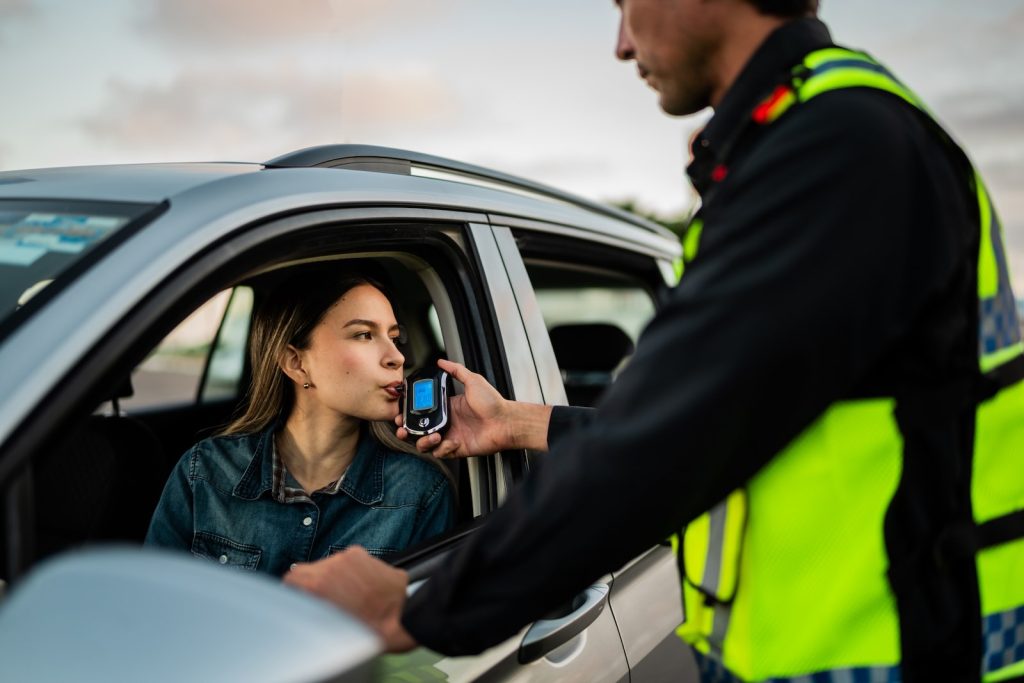
For convictions involving vehicular manslaughter or gross vehicular manslaughter while intoxicated, probation terms are increasing from two years to a range of three to five years. The change extends how long courts can monitor compliance with conditions such as treatment, check-ins and ignition interlock rules. This update does not change everyday driving behavior for most motorists, but it reflects how California is aligning supervision periods more closely with the severity of impaired-driving crimes.
6. Ignition interlock requirements are not going away soon
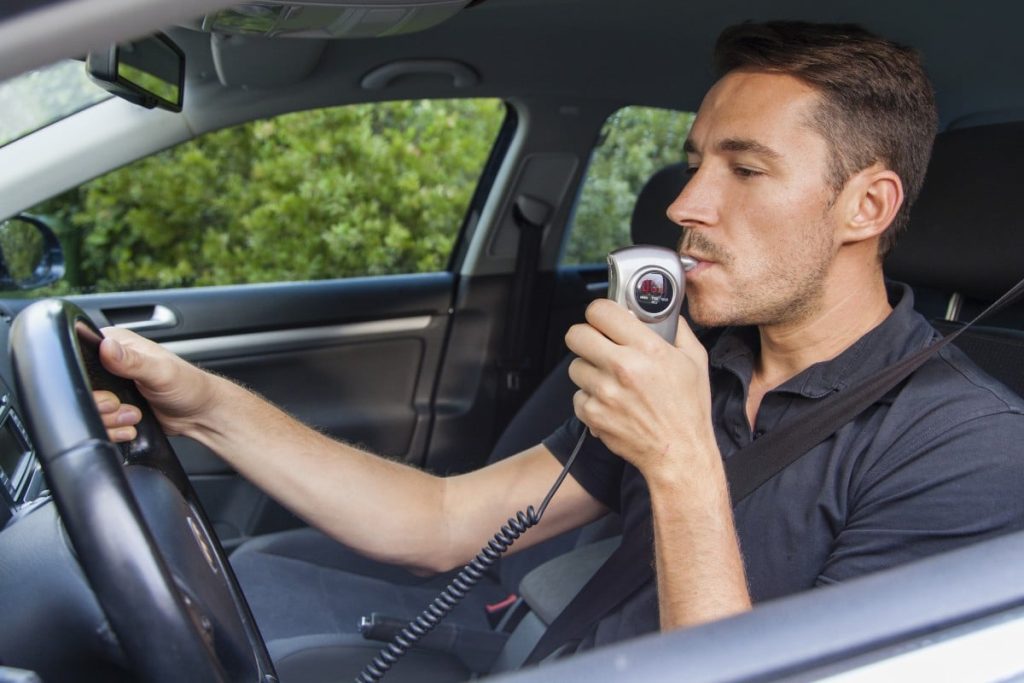
California’s ignition interlock device program was set to expire, but lawmakers pushed it further out. The statewide requirement now remains in place until 2033, preserving the use of breath-activated systems that stop certain DUI offenders from starting a vehicle after drinking. As Assemblywoman Cottie Petrie-Norris said, “AB 366 will preserve our current protections and expand this mandate, ensuring that every individual convicted of a DUI must install an IID.”
7. Electric bikes now need rear visibility equipment at all times
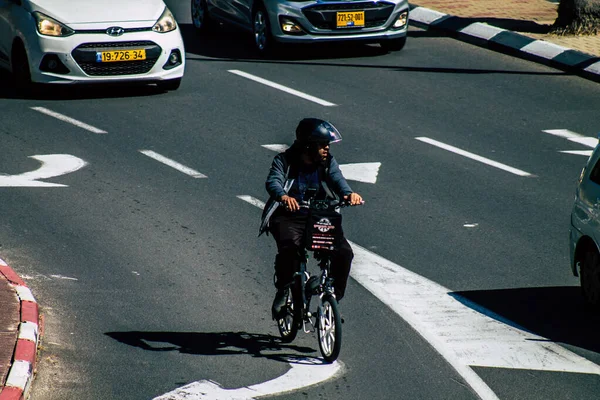
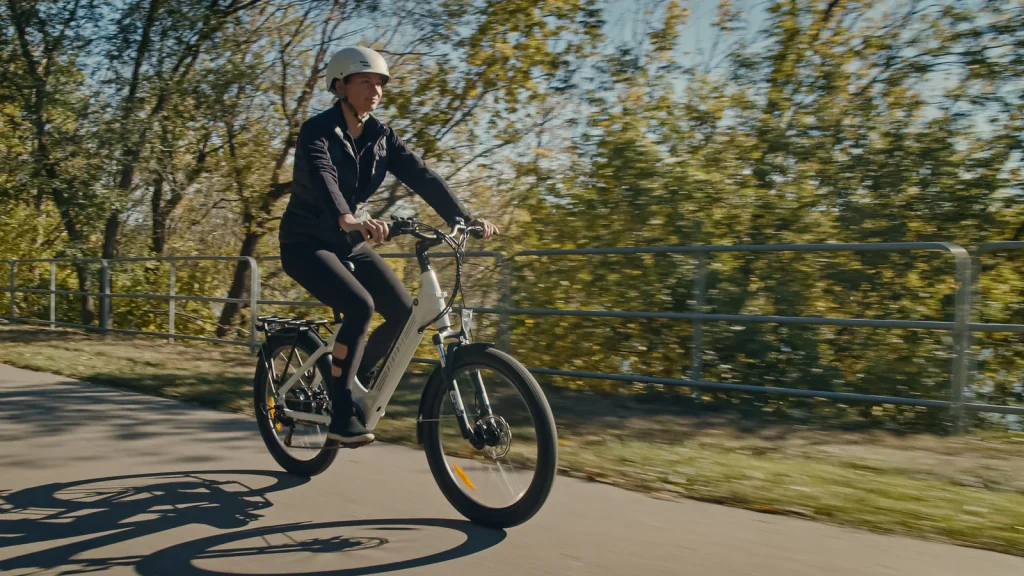
Electric bicycle riders face a rule that is easy to miss because it applies outside nighttime riding. California now requires e-bikes to have a red reflector or a solid or flashing red light with a built-in reflector on the rear during all hours of operation. The same law also allows minors cited for helmet violations to satisfy the safety course requirement through a CHP-developed online training program. It combines enforcement with a corrective step rather than relying only on punishment.
8. Off-road electric motorcycles are no longer sitting in a gray area
California now formally defines the “eMoto” as an off-highway electric motorcycle. Under SB 586, these vehicles are treated as off-highway motor vehicles, which brings helmet requirements and DMV-issued identification display rules. They also cannot be used as street-legal substitutes just because they are electric. Their permitted use is tied to designated off-highway areas or private property with permission.

9. Parking fines may become less crushing for low-income drivers
Not every 2026 change is tougher. California is also allowing local governments to reduce or waive parking penalties for people who cannot afford to pay, while requiring payment plans on request. That matters because unpaid parking tickets can trigger larger financial problems, including additional penalties, towing and loss of access to a vehicle needed for work or family care. The new approach gives cities more room to treat parking debt as an access issue rather than only a punishment issue.

10. Used-car paperwork is getting more protective
The California Combating Auto Retail Scams Act adds stronger consumer protections to vehicle sales. Beginning Oct. 1, 2026, dealers are barred from misrepresenting costs, financing terms or add-ons that provide no real benefit to the buyer. The law also creates a three-day cancellation window for certain used-vehicle purchases under $50,000, subject to a restocking fee. For drivers, the bigger shift is not about road behavior but about contract clarity before the car ever reaches the driveway.
California’s 2026 driving rules are not built around a single theme. Some are plainly punitive, some are protective, and some try to remove confusion from parts of driving that had been loosely enforced for years. The common thread is exposure to avoidable mistakes. A crosswalk that looks unmarked, a quick stop on the shoulder, a plate cover, or a rushed dealership signature can now carry consequences that are easier to trigger than many drivers expect.

