
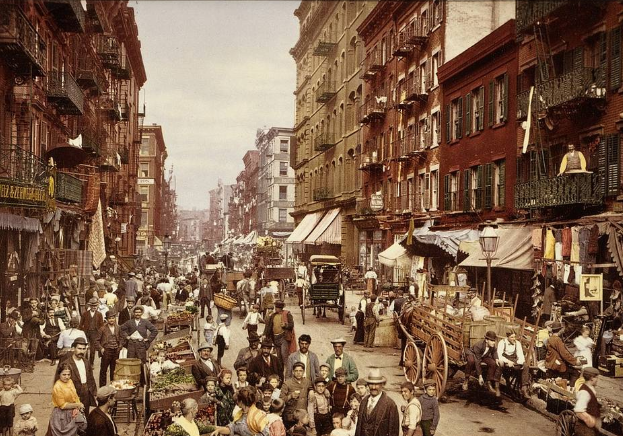
The 1950s still carry a powerful visual mythology: broad cars, unlocked neighborhoods, backyard rituals, and a belief that common sense could cover almost any risk. Yet many everyday habits from that era now sit on the wrong side of modern law.
The shift was not just about stricter rulebooks. It followed new evidence about injury, pollution, addiction, discrimination, and cruelty. What once passed as ordinary conduct is now understood as conduct that can endanger children, poison land, violate civil rights, or trigger criminal charges.

1. Letting children ride loose in moving cars
In mid-century America, children often stood on seats, sprawled across back windows, or rode on an adult’s lap as families cruised the highway. Seatbelts were not standard in most new passenger vehicles until 1968, and early child seats were commonly designed for convenience rather than crash protection.
Today, child-restraint laws are among the clearest examples of how science changed behavior. An unrestrained child can lead to citations, and in serious cases, allegations of child endangerment. The old image of children bouncing freely around the cabin now reads less like nostalgia and more like a record of how little protection families once had.

2. Treating drunk driving as a social slip
What was once dismissed as embarrassment after a night out is now measured against hard legal standards. Modern enforcement relies on defined impairment thresholds, including the widely used 0.08% blood alcohol standard for licensed drivers.
The cultural change was as important as the legal one. Driving after drinking is no longer treated as a private mistake that can be overlooked on the ride home. It can bring arrest, license suspension, employment consequences, and long-term insurance penalties.

3. Putting children in pickup truck beds
A truck bed full of children on the way to a game or swimming hole was once a familiar sight. In many places now, carrying minors there without proper protection violates traffic rules, and the legal consequences can rise sharply if a crash causes injury.
The reason is blunt: cargo areas are not designed to protect passengers. The old instruction to “hold on” does not satisfy modern safety law, especially when minors are involved.
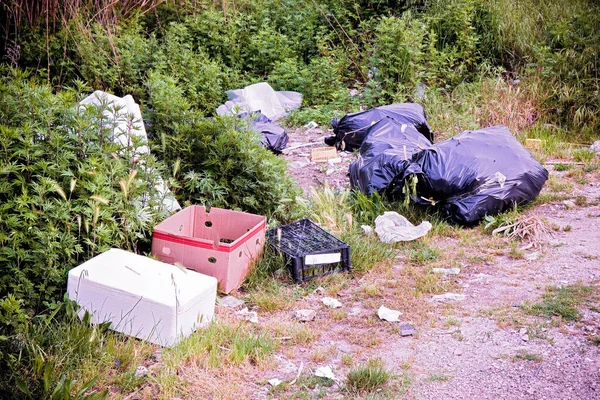
4. Dumping oil, paint, and chemicals onto the ground
Used motor oil behind the garage and leftover paint poured into a ditch once seemed like routine cleanup. Over time, environmental science showed how those substances persist in soil and water for years, sometimes decades.
The legal landscape changed with agencies and rules built to treat improper disposal as more than untidy behavior. The creation of the EPA in 1970 marked a major turn in how dumping was enforced. What was once hidden behind sheds and ravines can now lead to fines, cleanup liability, and criminal exposure.
5. Enforcing segregation in daily public life
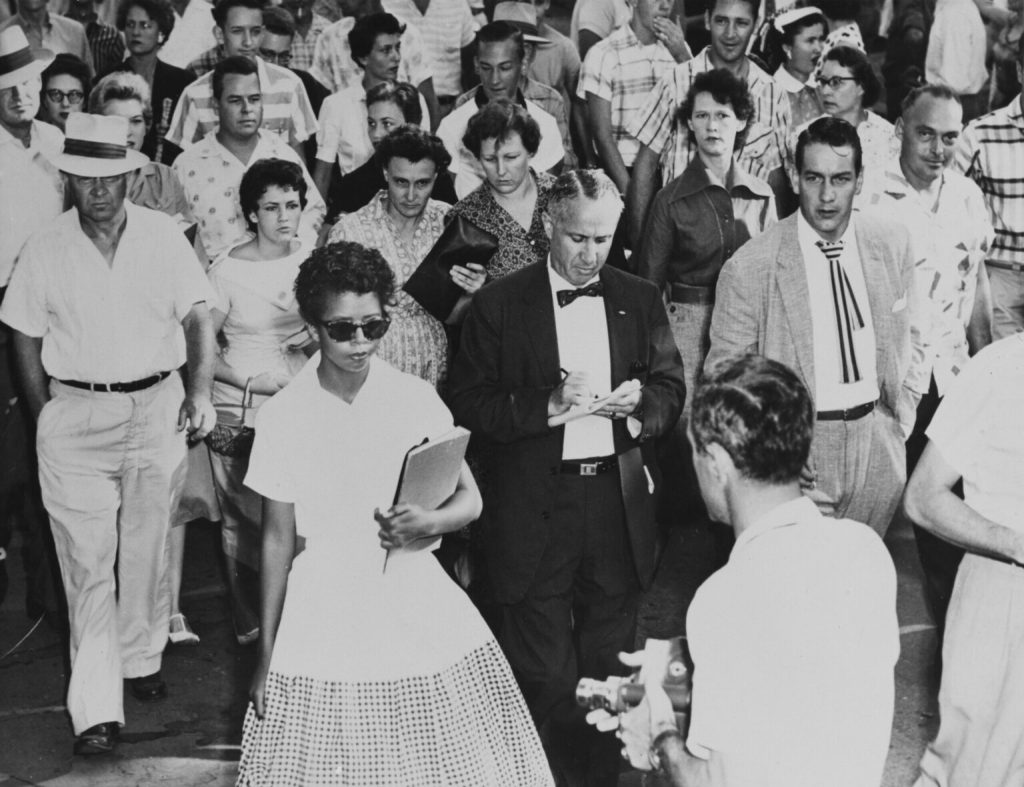
Some of the most ordinary acts in the 1950s were also among the most harmful: refusing service, demanding separate seating, or using police power to maintain racial separation. These were not fringe behaviors. In much of the country, they were embedded in everyday commerce and public space.
That legal order was dismantled by a series of civil-rights rulings and statutes. Brown v. Board of Education (1954) rejected segregated public education, and the Civil Rights Act of 1964 made many forms of discrimination unlawful in employment and public accommodations. Conduct once defended as “normal” now carries civil liability and, in some contexts, criminal consequences.
6. Bringing guns onto school property without alarm
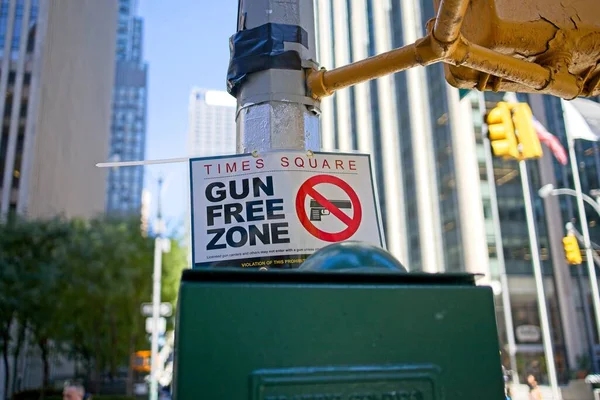
In some rural communities, students once left rifles or shotguns in cars or brought them onto campus during hunting season with little concern. The surrounding culture treated the firearm as sporting equipment, not an immediate security threat.
Modern school-safety law treats that same conduct very differently. Weapons on school grounds can trigger felony charges, lockdowns, expulsion, and law-enforcement intervention. The change reflects how schools are now regulated as protected spaces with near-zero tolerance for armed presence.
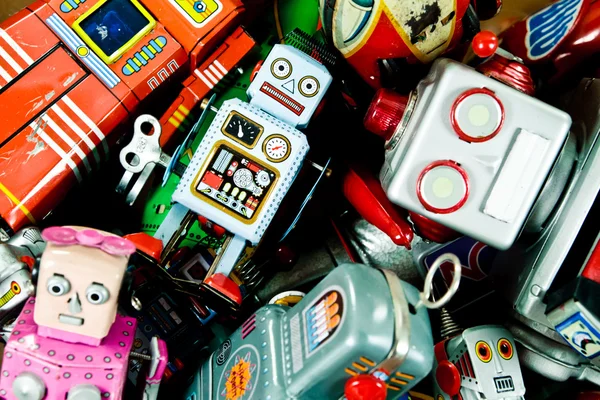
7. Selling children toys loaded with obvious hazards
Chemistry sets once included stronger substances, glass equipment, and fewer safeguards than regulators would tolerate today. Lawn darts, realistic pellet guns, and other products were marketed with a level of risk that modern consumer protection agencies would examine closely.
That shift came from a broader change in assumptions. Injury is no longer treated as a routine part of childhood product use when a design can be made safer. A company selling some mid-century toy designs today could face recalls, lawsuits, and regulatory action.

8. Setting off fireworks in tightly packed neighborhoods
Backyard fireworks once belonged to the same summer tradition as cookouts and folding chairs on the porch. Bottle rockets and firecrackers were often used near roofs, dry grass, and closely spaced homes.
Today, local fire codes and explosives laws make that behavior far riskier from a legal standpoint than many families assume. In dense neighborhoods or fire-prone areas, an amateur display can produce citations, property-damage liability, or criminal charges when conditions make ignition hazards obvious.

9. Leaving visible injuries under the label of discipline
Mid-century culture often treated harsh physical punishment as a private family matter unless the harm was extreme. Teachers, neighbors, and even relatives were less likely to intervene when bruises or welts were explained away as discipline.
That boundary narrowed as child-protection law expanded. The federal framework was strengthened by CAPTA in 1974, and mandatory reporting changed how professionals respond to visible injury. Conduct once shielded by household authority can now trigger investigations, custody consequences, and criminal charges.

10. Treating animal cruelty as harmless mischief
Acts once dismissed as childish torment or rough entertainment are now recognized in law as abuse. Hurting strays, tormenting pets, or staging animal fights no longer sits in the category of neighborhood misconduct to be forgotten with time.
The legal system gradually moved toward direct protection, including the Animal Welfare Act of 1966. In many jurisdictions, cruelty offenses can be charged as serious crimes, reflecting a broader modern view that harm to animals is not trivial and often signals a larger pattern of violence.
The real divide between then and now is not nostalgia versus judgment. It is knowledge. Once crash physics, secondhand harm, toxic contamination, and civil-rights violations became harder to deny, the law changed with them. Seen that way, old habits are more than vintage curiosities. They show how a society rewrites its boundaries when everyday behavior stops looking harmless and starts looking measurable, preventable, and unacceptable.

