
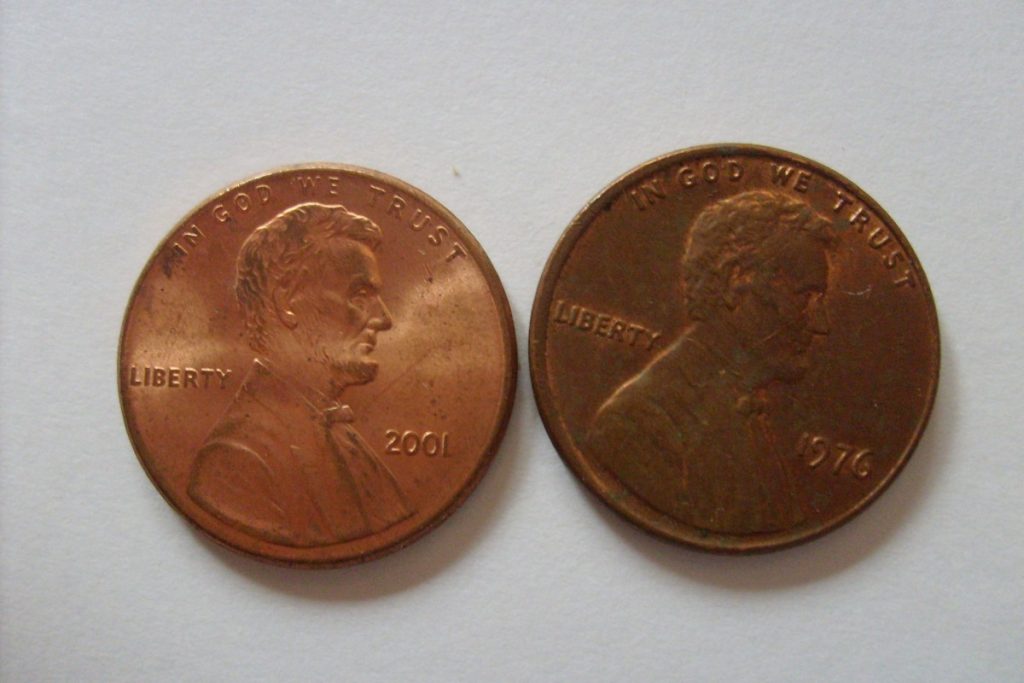
A Wheat penny can look ordinary at first glance. For collectors, though, the smallest detail often decides whether a coin is simply old or truly worth a closer study.
The Lincoln Wheat cent ran from 1909 to 1958, a span that includes design controversy, wartime metal changes, and several famous mint errors. Across the series, experienced collectors tend to pause over the same visual clues: date, mint mark, metal, strike quality, and the signs that a coin may be something scarcer than it appears.
1. The date is the first filter
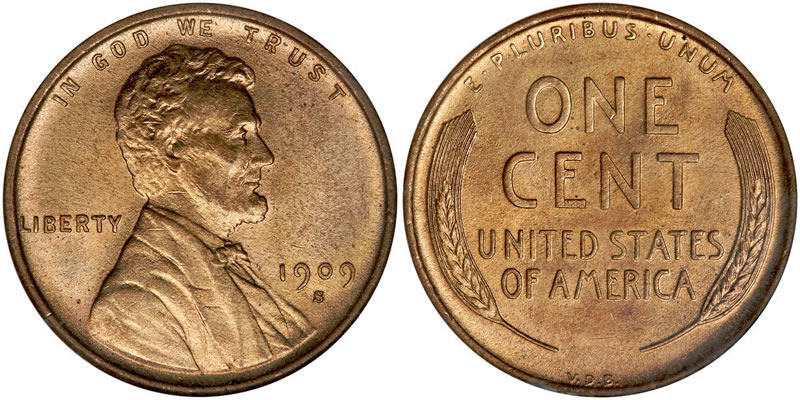
Collectors begin with the year because a few dates immediately narrow the field. The Wheat cent series started in 1909 and ended in 1958, and within that run certain years carry unusual importance. The 1909 opening year, the 1914-D, the 1922 Plain, the 1931-S, and the wartime years 1943 and 1944 all attract immediate attention. Some dates matter because of low production, while others matter because they coincide with composition changes or well-known errors. That is why a collector reading a worn coin under a lamp starts with the numerals before anything else.
2. The mint mark can change the entire story
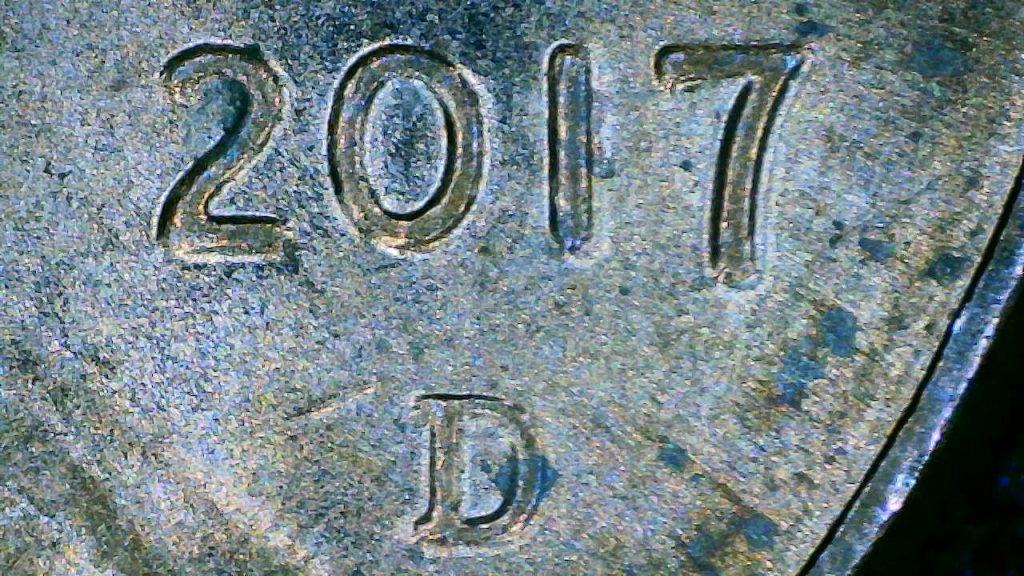
A tiny letter beneath the date often separates a common cent from a much more significant one. San Francisco and Denver issues are especially important in the Wheat series, and a coin with no mint mark points to Philadelphia. The classic example is the 1909-S VDB with a mintage of 484,000. Its scarcity came from a brief production run before Victor David Brenner’s initials were removed from the reverse. The 1914-D and 1931-S also show how one small letter can define collector demand, even when survival patterns differ sharply from one issue to another.
3. The VDB initials still matter
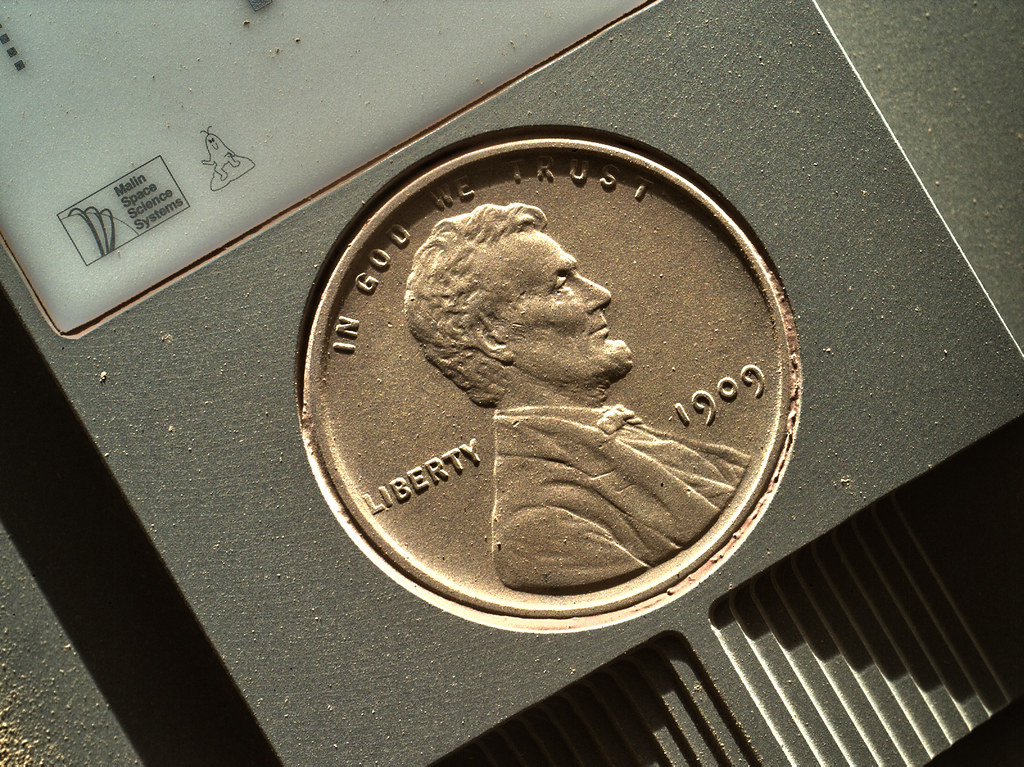
On early 1909 cents, Brenner’s initials became a collecting point all their own. Their original placement on the reverse stirred immediate controversy, and the initials were removed only days after release. That short window turned one subtype into one of the most watched coins in American numismatics. Collectors do not just ask whether a penny is from 1909. They ask whether it is a VDB coin, whether the mint mark is present, and whether the details appear natural rather than altered. Later, the initials returned in smaller form on the obverse in 1918, but the bold 1909 reverse version remains the one most people inspect first.
4. Metal composition is never an afterthought
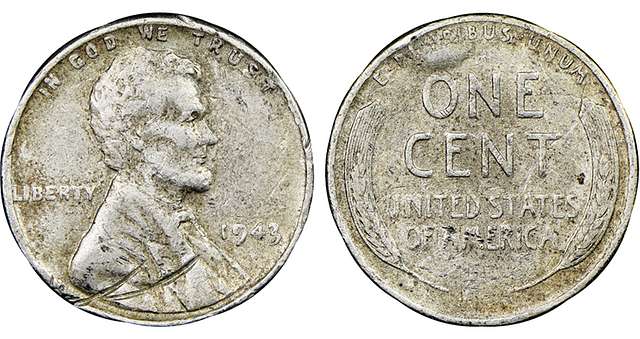
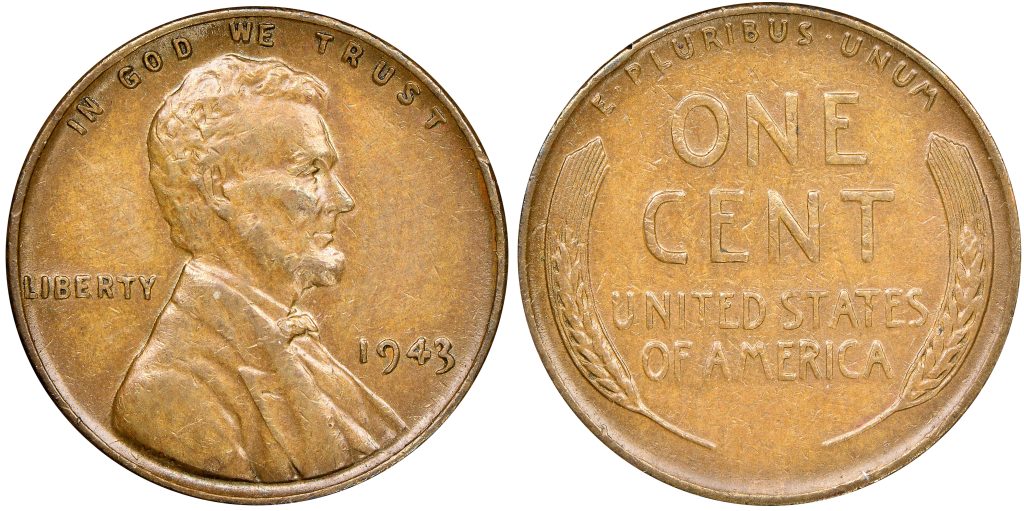
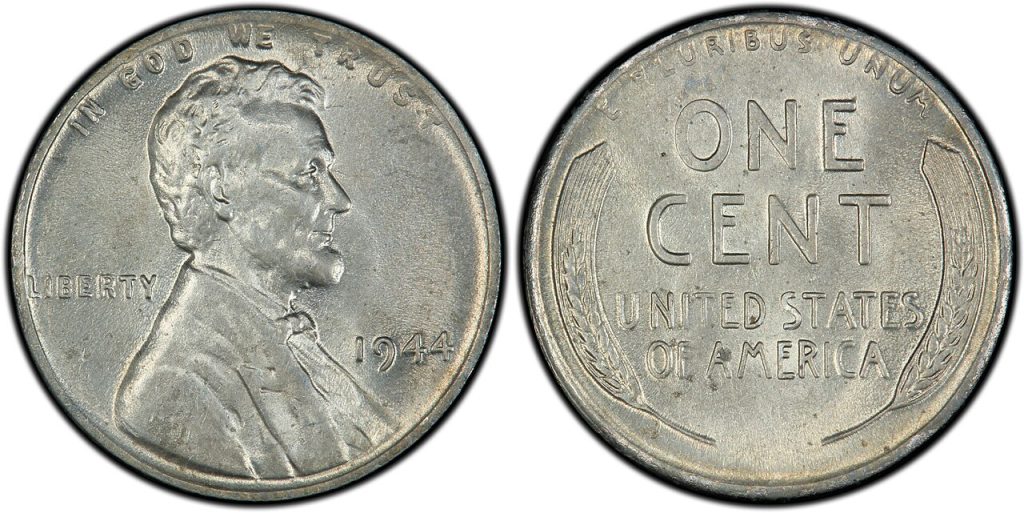
Wheat cents are strongly tied to changes in U.S. coin metal. The standard bronze composition defined most of the series, but 1943 interrupted that pattern when cents were struck in zinc-coated steel for one year. That is why color and surface are so important. A 1943 cent with a copper-like appearance receives instant scrutiny, just as a 1944 cent with a silvery look does. These are the years when leftover planchets created some of the series’ most famous wrong-metal errors, and collectors know that composition is a fact to verify, not a detail to assume.
5. Weight and magnetism help separate possibility from fantasy
For suspected transitional errors, collectors rely on simple physical checks before considering anything else. A genuine bronze-style 1943 cent should be around 3.1 grams and not magnetic, while a normal 1943 steel cent is lighter and responds to a magnet. This does not prove authenticity by itself. It only tells a collector whether the coin deserves professional examination. That distinction matters because the Wheat cent series includes many altered dates, plated pieces, and lookalikes that can fool the eye long before they fail a basic test.
6. Preservation and strike quality reveal more than age
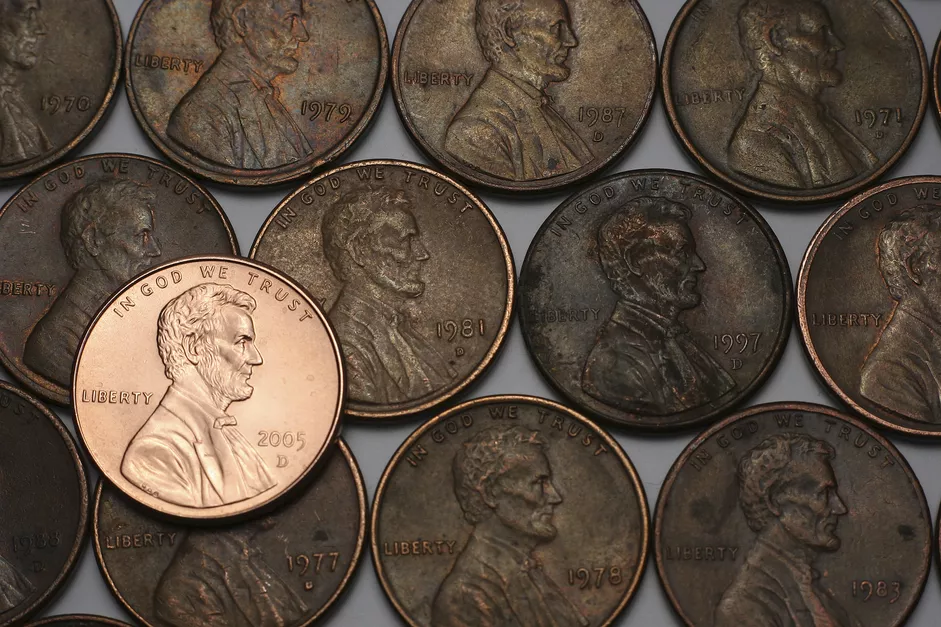
Collectors study wear, sharpness, and surface integrity because rarity is only part of the equation. Two key dates can behave very differently in the marketplace simply because one usually survived in stronger condition than the other.
The 1931-S is a useful example. Many pieces remained in higher grades because large numbers were saved rather than worn away in circulation, while the 1914-D often spent years in everyday use before collectors began hunting for it in earnest. As a result, an evenly worn coin, a weakly struck coin, and a sharply preserved coin each tell a different story about survival.
7. Professional authentication is essential for the famous errors
Some Wheat pennies are too important to judge casually. The 1943 bronze cents and the 1944 steel cents fall into that category because both are rare, widely imitated, and dependent on technical verification. Collectors regularly note that only a small number of genuine 1943 bronze cents are known, while PCGS estimates that 25 to 30 1944 steel cents exist. In cases like these, certification is not an added extra. It is the step that turns suspicion into documented fact.
The appeal of Wheat pennies lies in how much history fits inside one cent. A date can reflect a debut year, a mint mark can signal scarcity, and a change in metal can point to a dramatic production mistake. Collectors never ignore these details because the series rewards patience. On a Wheat penny, the smallest feature is often the one that matters most.

