
America’s retail map kept changing in 2025, often without the kind of attention that follows a splashy bankruptcy or a dramatic liquidation. Many of the biggest chains did not disappear. They simply got smaller, closed weaker locations, and redirected money toward stores, formats, and neighborhoods they considered more promising.
That wider pullback unfolded during a year when nearly 6,000 store closings by the end of June pointed to an unusually sharp wave of downsizing. The chains below were among the most visible examples of that quieter shift.
1. Macy’s
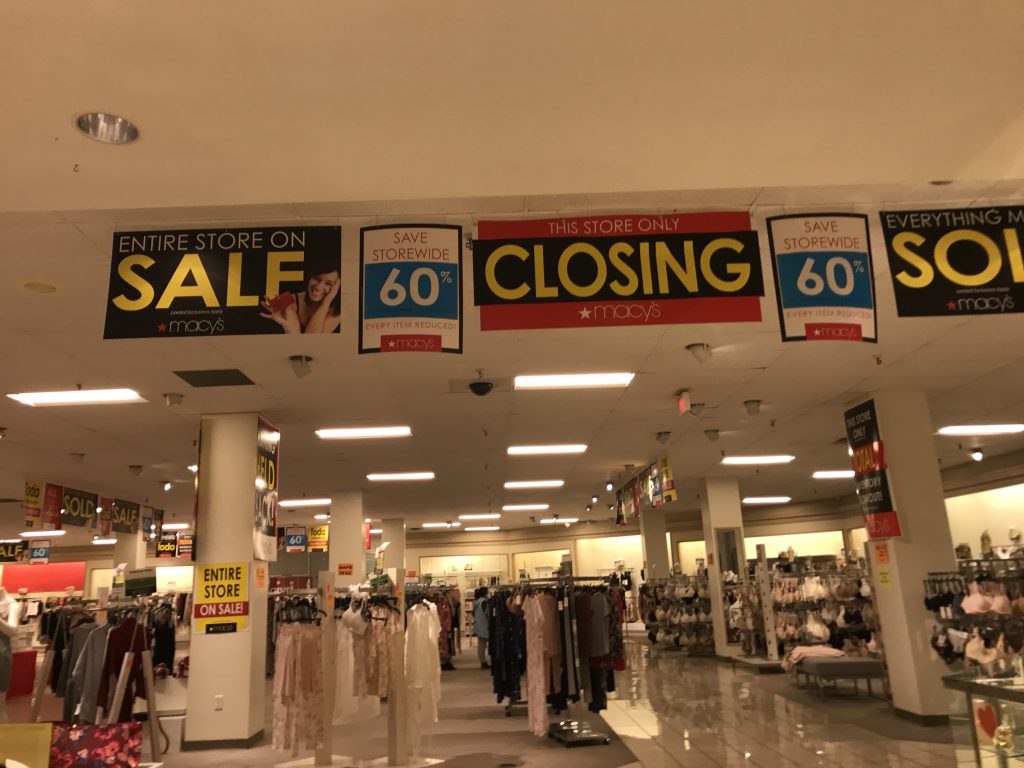
Macy’s continued its multiyear “Bold New Chapter” plan by trimming underproductive stores and concentrating investment on locations it believes can still drive growth. The strategy was not limited to aging mall boxes. It also touched some of the experiments once positioned as part of the company’s future. In January, the company identified the first 66 locations in a broader plan to close about 150 stores. Those closures stretched across 22 states and included mall anchors, furniture stores, small-format sites, and several standalone Backstage off-price locations. CEO Tony Spring said, “Closing any store is never easy, but as part of our Bold New Chapter strategy, we are closing underproductive Macy’s stores to allow us to focus our resources and prioritize investments in our go-forward stores.”
2. Starbucks
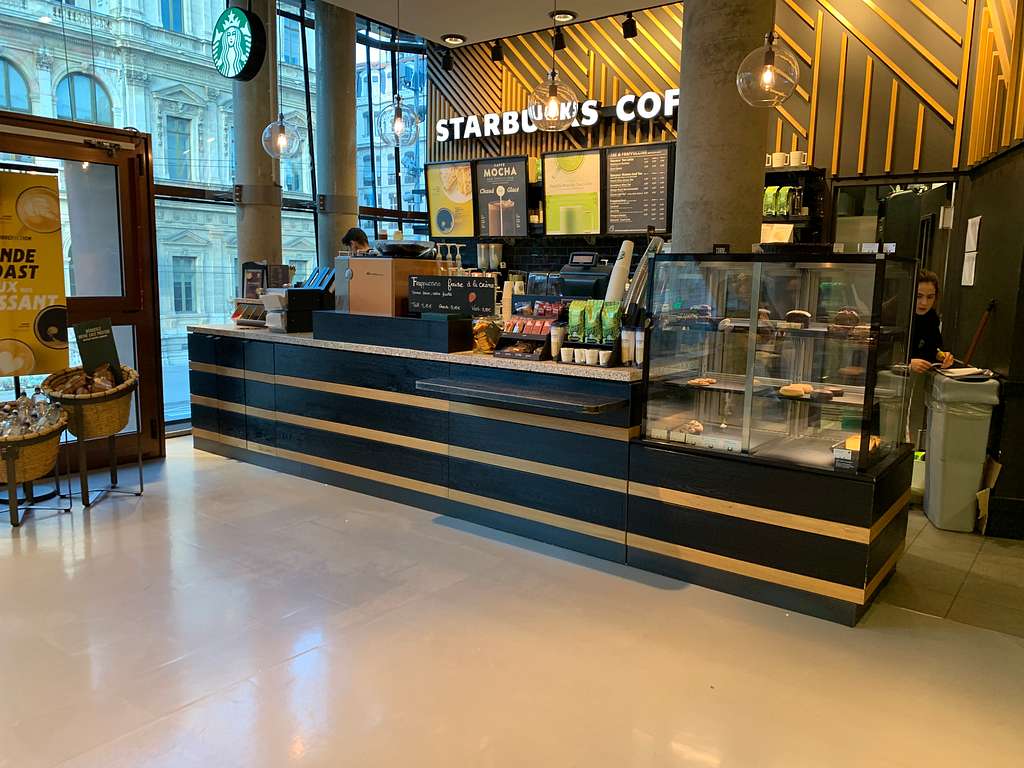
Starbucks spent 2025 pruning locations that no longer matched its updated vision for the brand. Rather than framing the move as a retreat, the company tied the closures to a broader effort to make stores feel warmer, more comfortable, and more consistent. The chain said it had closed hundreds of stores as part of a restructuring plan, with most of the impact landing in North America. In a message to employees, Brian Niccol wrote, “During the review, we identified coffeehouses where we’re unable to create the physical environment our customers and partners expect, or where we don’t see a path to financial performance, and these locations will be closed.” Starbucks also said its North American company-operated store count would decline by about 1% for the fiscal year, even as it kept planning renovations and new openings.
3. Denny’s
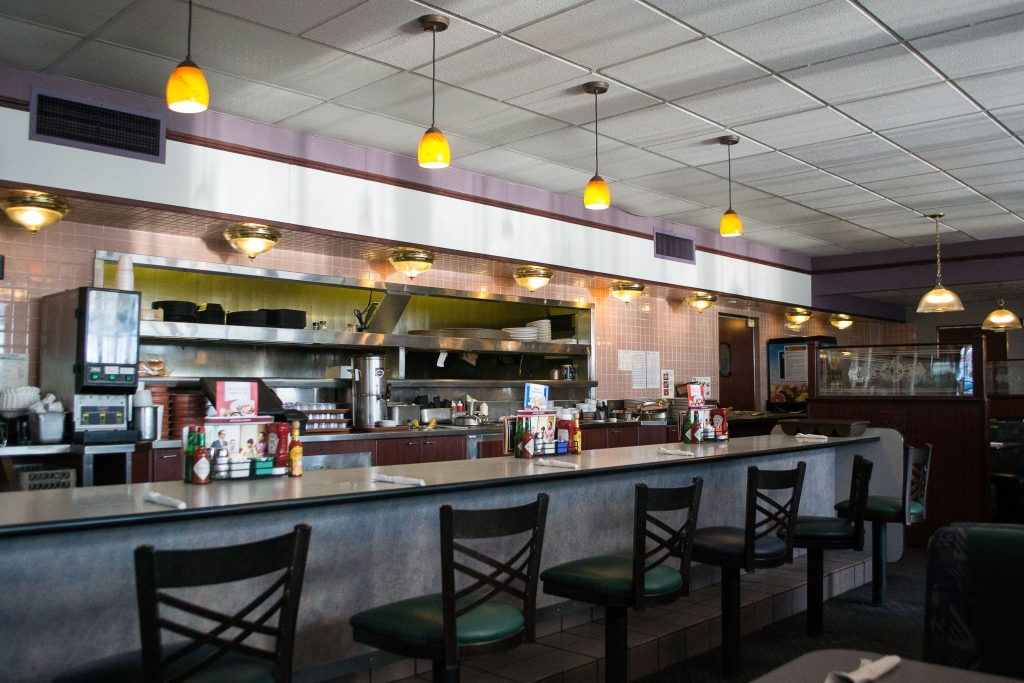
Denny’s entered 2025 already in the middle of a cleanup effort. The diner chain had said it wanted to close 150 restaurants by the end of the year as part of a wider brand-health initiative, and by early 2025 it had already completed much of that work. That left dozens more locations still on track to close during the year. The pattern reflected a common theme across restaurant and retail chains: weaker units were being removed so operators could put more attention on stores with stronger traffic and better long-term prospects.
4. Kroger
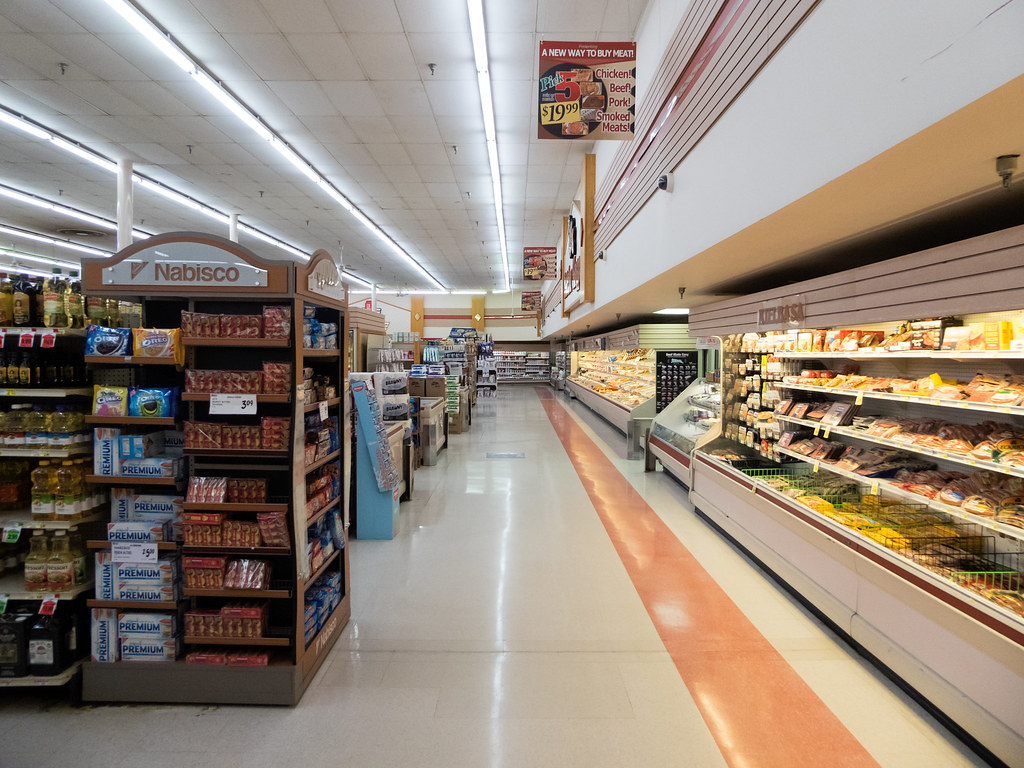
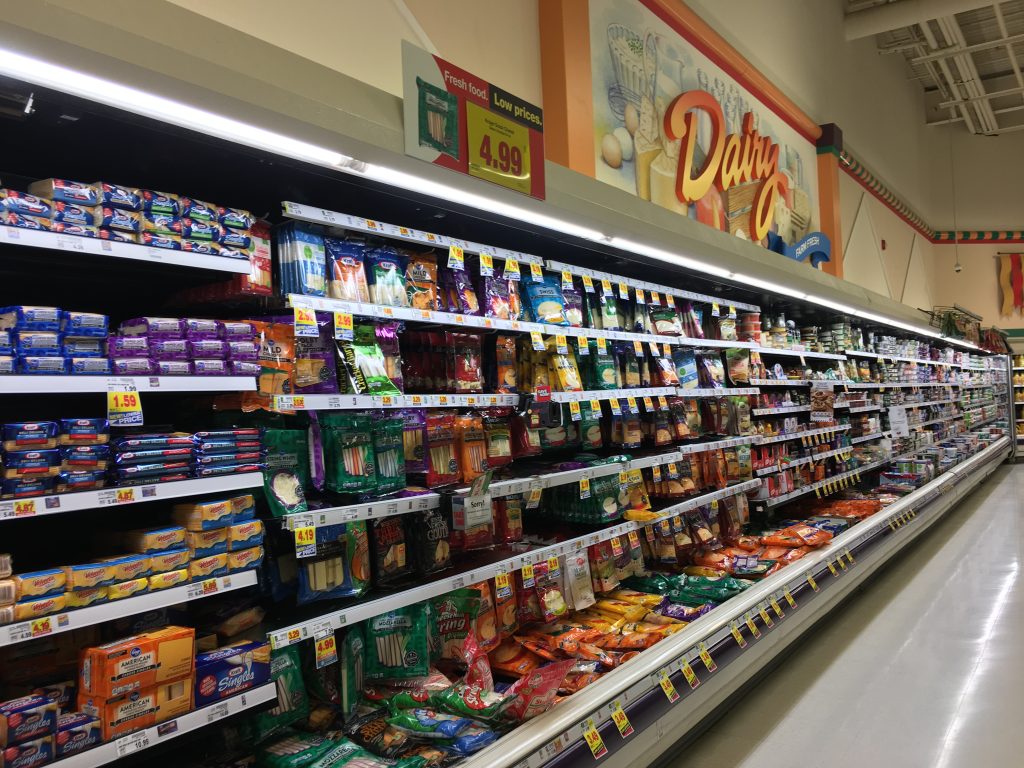
Kroger’s store reduction stood out because grocery closures usually attract closer local attention than apparel or specialty retail cuts. Even so, the company approached the move as portfolio management rather than a sweeping retreat. The supermarket giant said it planned to close about 60 stores over an 18-month period while still targeting expansion in higher-growth markets. With 2,731 supermarkets across 35 states and the District of Columbia as of early 2025, Kroger remained enormous in scale, making the closures more of a strategic reshaping than a wholesale contraction.

5. GameStop
GameStop remained in retrenchment mode. After years of shrinking its brick-and-mortar footprint, the company said it would close a “significant number” of stores in 2025 following an optimization review. The exact number was not announced at the time, but the direction was unmistakable. The company had already closed 590 US stores in the prior fiscal year, suggesting that 2025 was less a one-off cut than another step in a long-running effort to rethink how much physical retail the chain still needs.
6. Carter’s
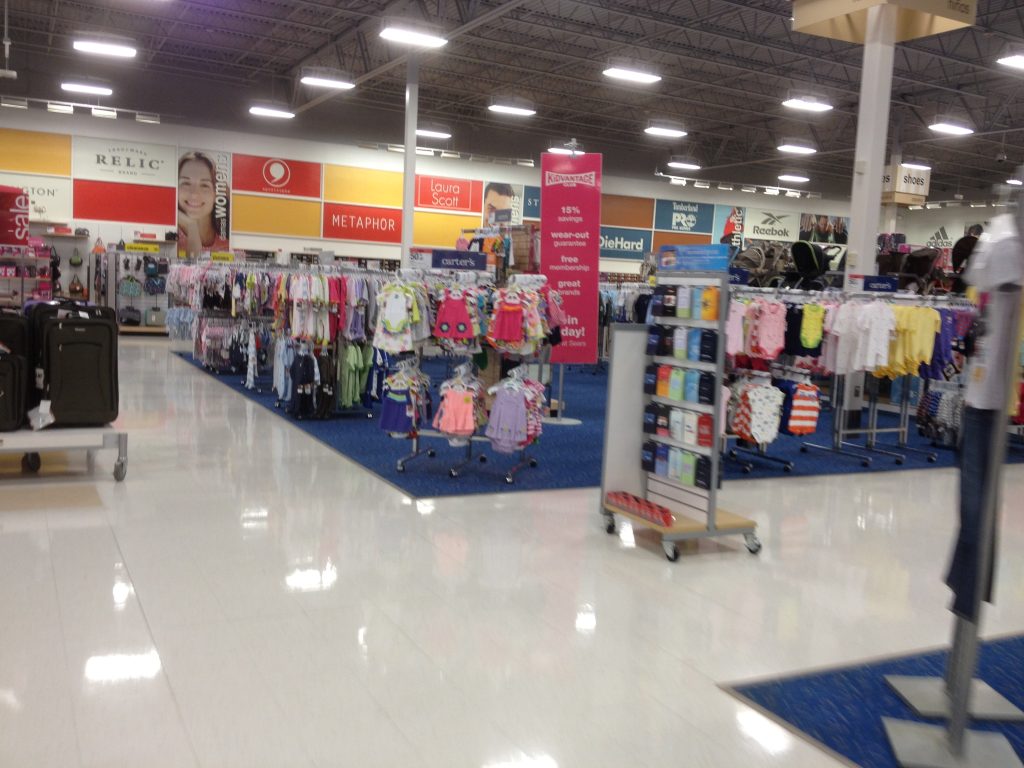
Carter’s, one of North America’s biggest children’s apparel retailers, expanded its closure plan in late 2025. The company said it would close 150 stores across three years, including roughly 100 during its 2025 and 2026 fiscal years. The announcement showed that even highly recognizable family brands were reassessing how much square footage they needed. Carter’s paired the store strategy with a reduction in its office-based workforce, underscoring that this was a broader efficiency push rather than a real-estate decision alone.

7. Inditex
Inditex, the parent company behind Zara and several sister brands, also reduced its physical footprint. Its results for the first nine months of 2025 showed 132 fewer stores than a year earlier. The cuts were spread across multiple banners, including Zara, Zara Home, Massimo Dutti, Oysho, Pull&Bear, and Stradivarius. Some brands within the portfolio grew, but the overall direction suggested a deliberate tightening of the group’s store network instead of automatic expansion for every concept.
8. Dollar General
Dollar General was another major name associated with a sizable 2025 closure count. Industry reporting cited 150 store closures during the year, a notable figure for a chain long known for rapid expansion into small-town and neighborhood markets. That contrast mattered. When a value-focused retailer with a broad national presence closes stores at scale, it signals that footprint discipline is no longer limited to department stores and mall-based apparel chains.
9. Kohl’s
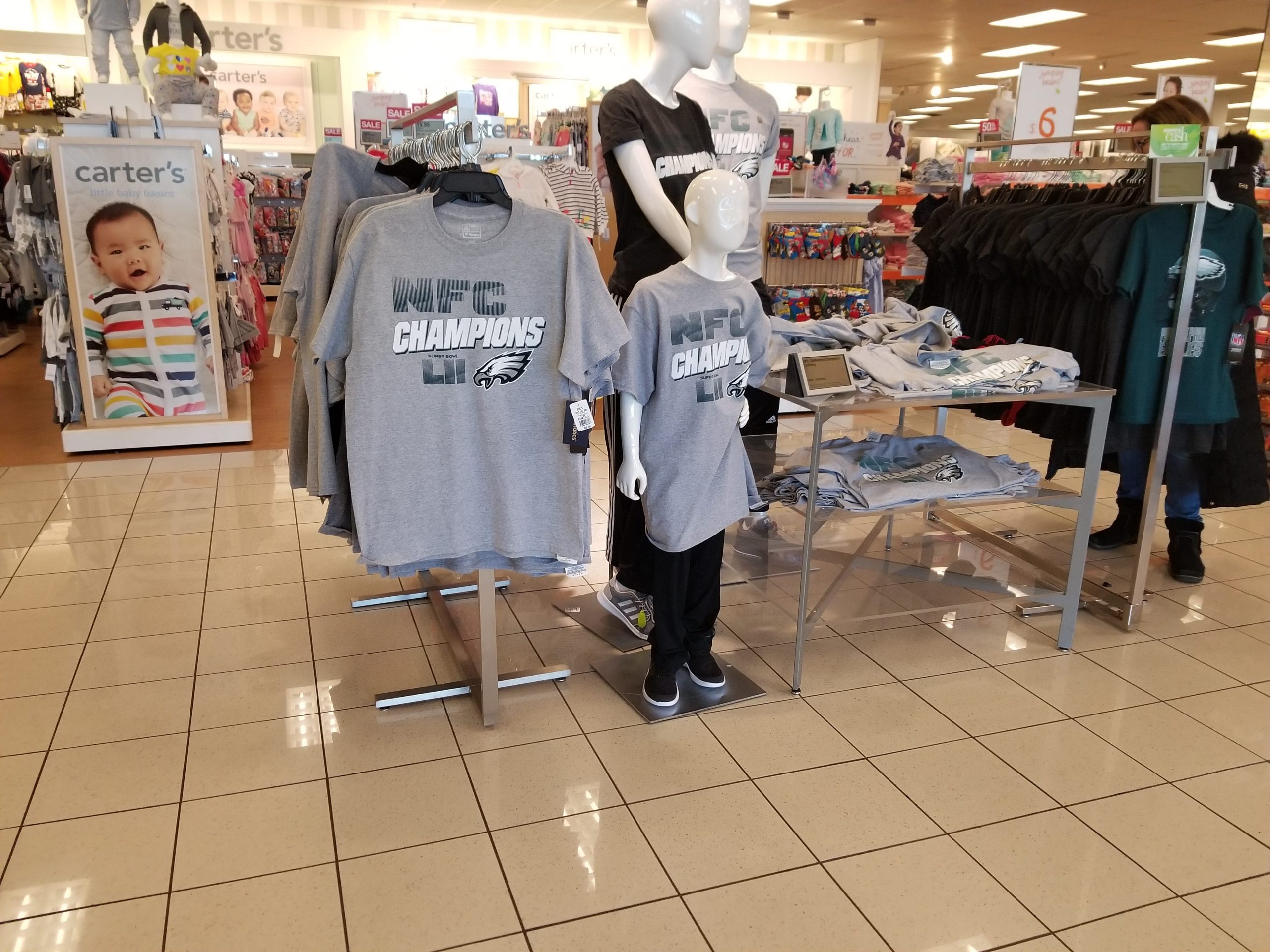
Kohl’s also appeared on the list of chains reducing locations in 2025, with 24 store closures cited in industry coverage. Compared with some of the larger numbers on this list, Kohl’s pullback was more modest. Still, it fit the same pattern: legacy chains were becoming more selective about where they operate, even when they were not pursuing the kind of sweeping shutdowns that dominate headlines.
The bigger story behind these closures was not simply that stores vanished. It was that many chains kept operating while cutting away weaker pieces of their networks, often to free up money for remodels, digital tools, smaller formats, or stronger regional bets. For shoppers, the result was a retail landscape that looked stable at a glance but kept shifting underneath. In 2025, a large national footprint no longer guaranteed a permanent local presence.

