
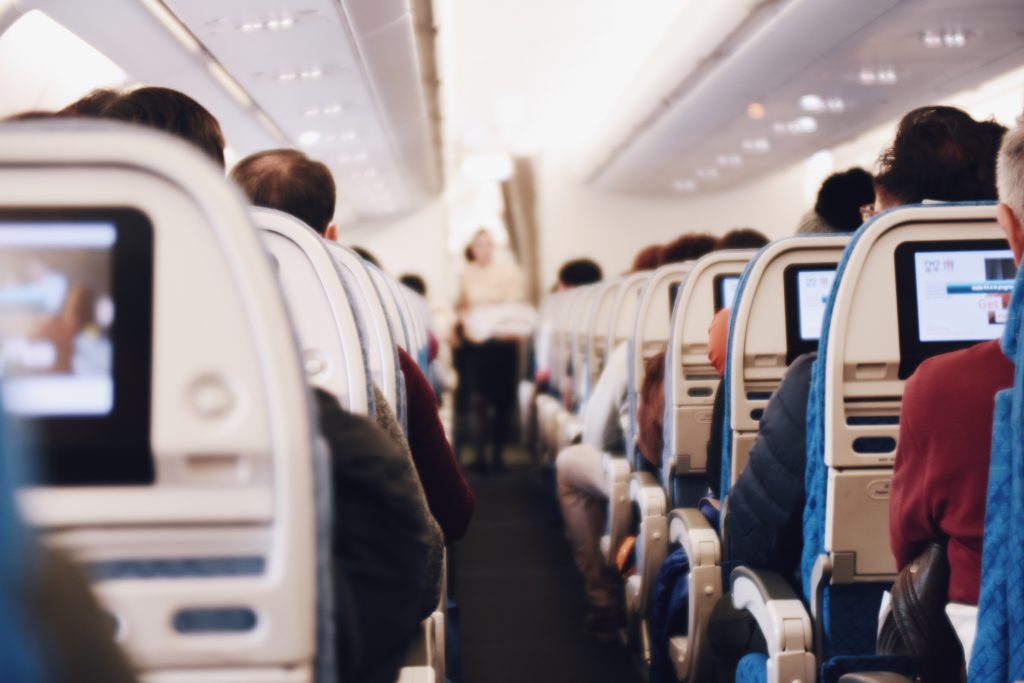
Most travelers are not trying to be difficult. In fact, many of the habits that frustrate cabin crews start with good intentions: moving quickly, being agreeable, helping keep things tidy, or trying not to bother anyone.
But an airplane is a tightly choreographed space. What looks courteous from a passenger seat can create delays, safety issues, or extra work for flight attendants who are balancing service with far more important responsibilities.
1. Handing over trash while boarding
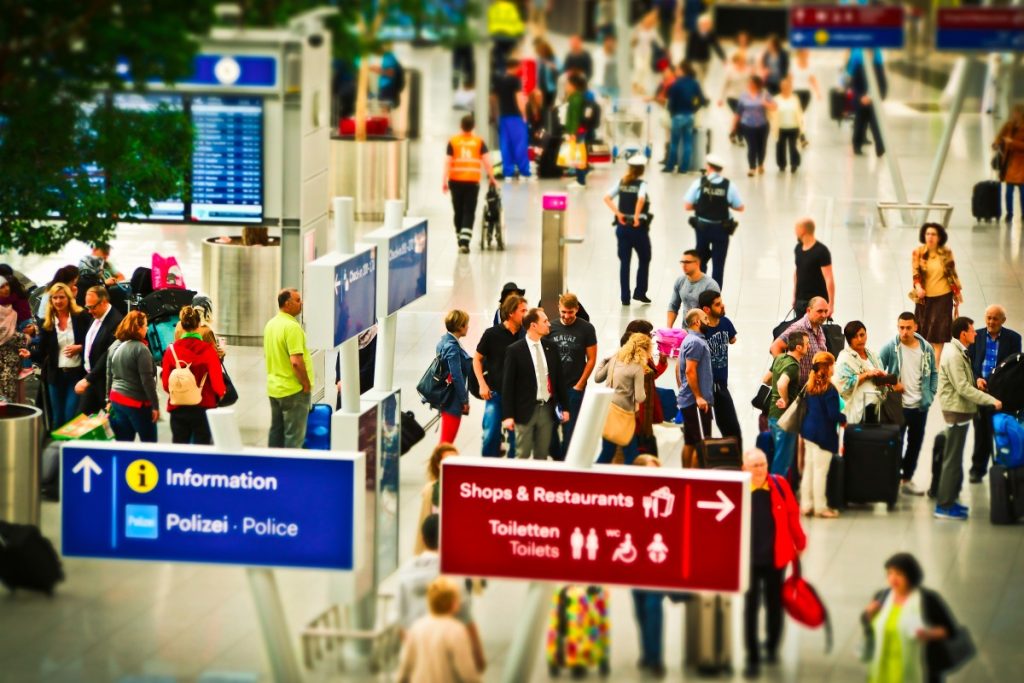
Offering up a coffee cup or snack wrapper at the aircraft door can feel considerate, but flight attendants are often handling boarding checks, directing traffic, and watching for issues in the aisle at that exact moment. Several attendants cited this as a recurring frustration because it interrupts the flow before everyone is seated. One flight attendant described it bluntly: “This happens almost every flight for me.” During boarding, even small interruptions can slow the process and distract crew members from tasks tied to departure readiness and cabin security.
2. Reorganizing the overhead bins for everyone else
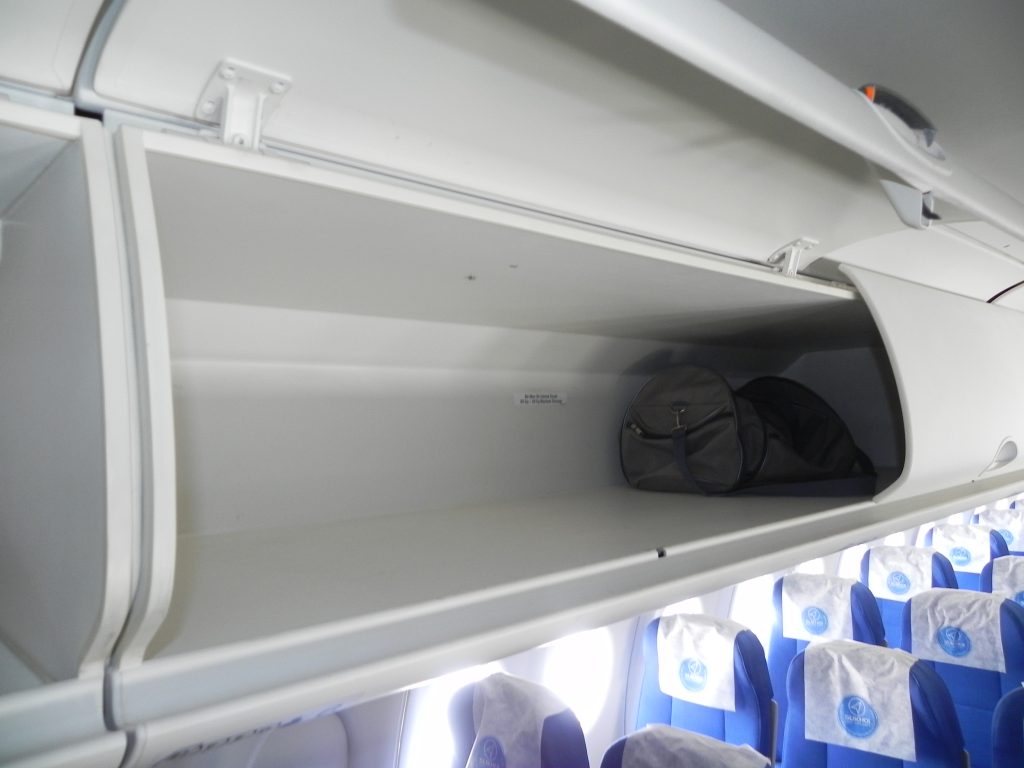
Some passengers try to be useful by shifting bags around, pulling out smaller items, or telling others where luggage should go. Flight attendants consistently say that this kind of self-appointed bin management often causes arguments and slows boarding more than it helps. Overhead space is shared, and the nearest workable spot is often the best option. Guidance from flight attendants on overhead bin etiquette makes clear that crew members already have a system for fitting bags and handling overflow. When passengers start making those decisions for one another, the aisle bottlenecks quickly.
3. Saying “anything is fine” during service
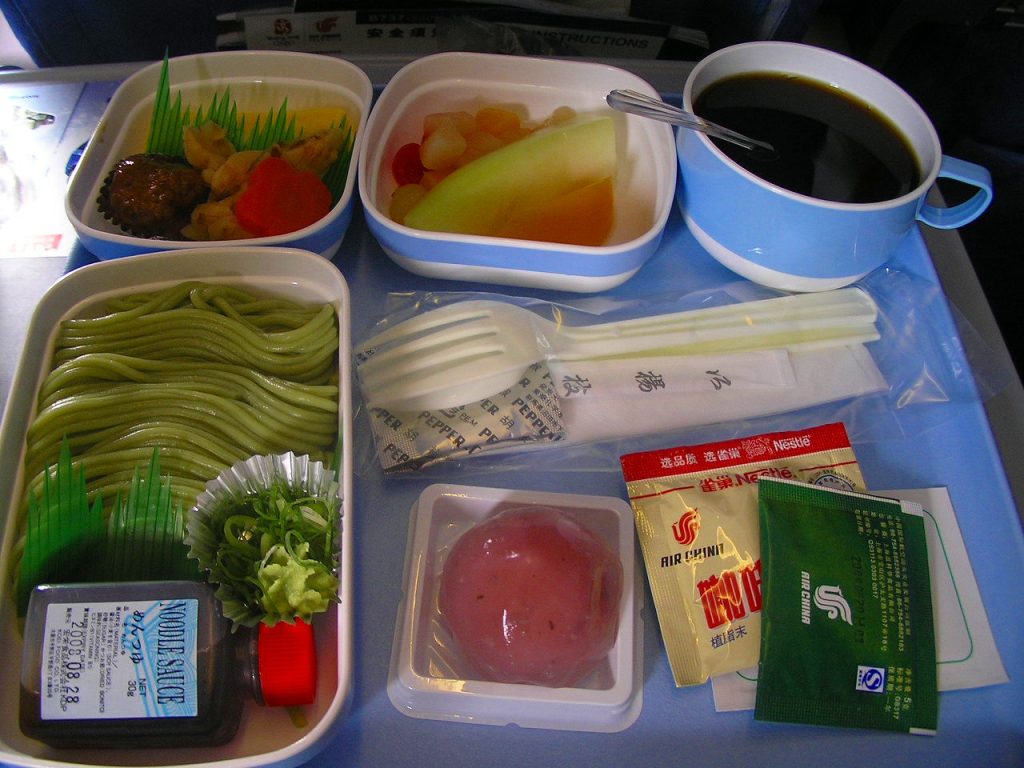
It sounds easygoing. It is not always helpful. When a beverage cart is moving through a full cabin, attendants are working on timing, inventory, and speed. Leaving the choice to them can break that rhythm. One attendant told Islands, “I’m in service mode, so just tell me what you want.” A fast, clear answer is usually more useful than trying to seem low-maintenance.
4. Piling trash on the service cart
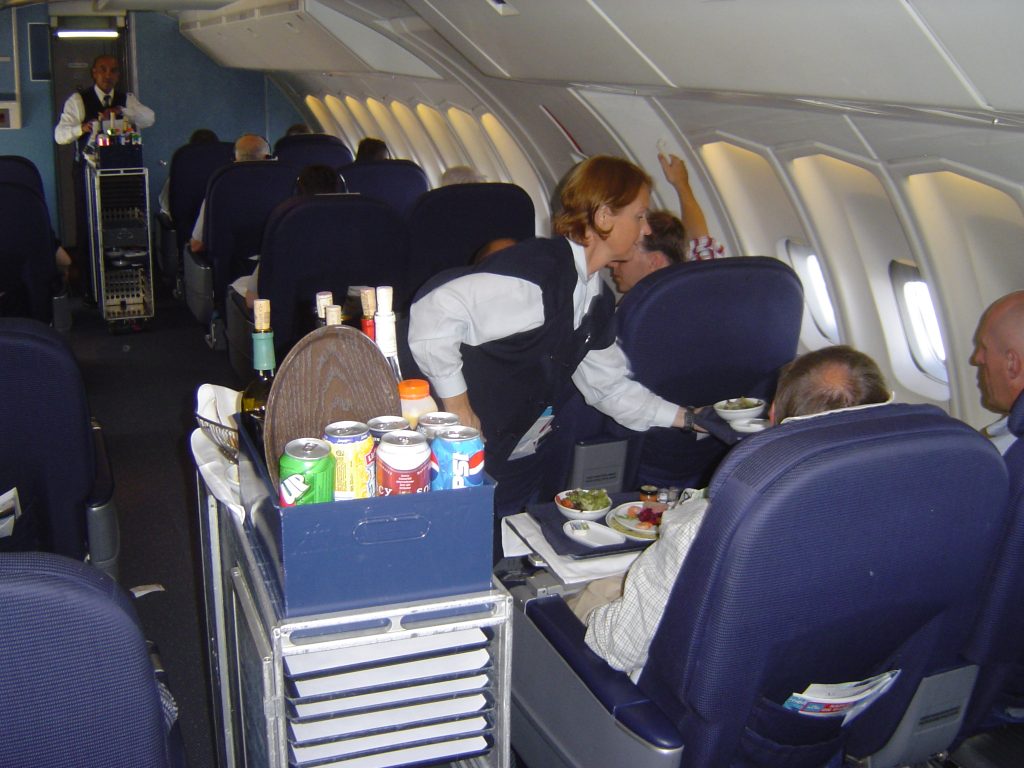
Passengers sometimes stack cups, wrappers, napkins, and containers onto the top of the cart as it passes, assuming they are helping with cleanup. Flight attendants say this can create spills, unstable piles, and unpleasant surprises, especially when liquids are still in cups. The cart is a workspace, not a drop zone. Waiting the extra second for a crew member to take each item directly is often the smoother option for everyone nearby.
5. Using the call button for convenience
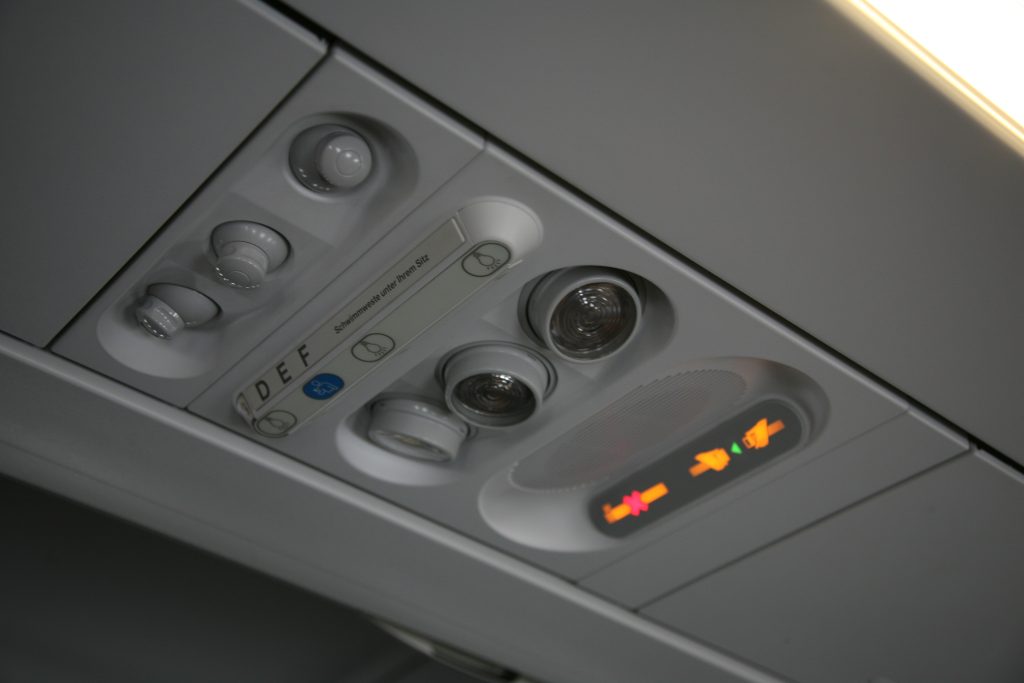
Many passengers avoid getting up because they do not want to trouble anyone, so they press the call button instead. Flight attendants generally reserve that patience for situations that truly need it. There are legitimate reasons to use it, including a medical problem, a seat issue that is escalating, or when a passenger cannot safely get up. But using it for routine requests can disrupt cabin duties, especially during restricted moments like turbulence or when the seatbelt sign is on. Guidance on when the call button is actually appropriate draws a sharp line between urgent needs and ordinary convenience.
6. Trying to build instant friendship with the crew
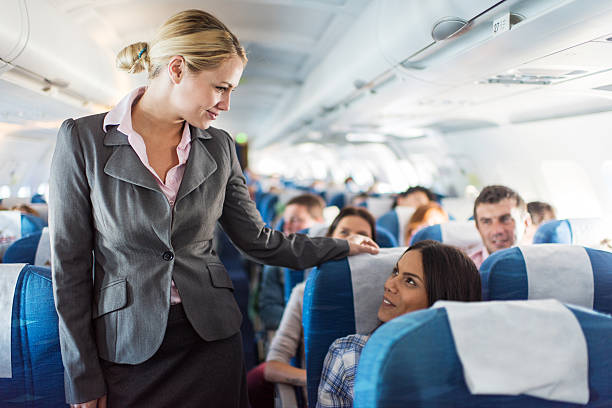
Some travelers try to be extra warm by using nicknames, pushing for banter, or treating crew members like fast friends from the moment they board. Flight attendants often read that differently. What is meant as charm can feel forced, distracting, or overly familiar. Cabin crew are working in a public-facing role where boundaries matter. A polite greeting and normal courtesy usually land better than a fist bump, a shortened name, or a running joke meant to win special treatment.
7. Lingering in the galley to chat
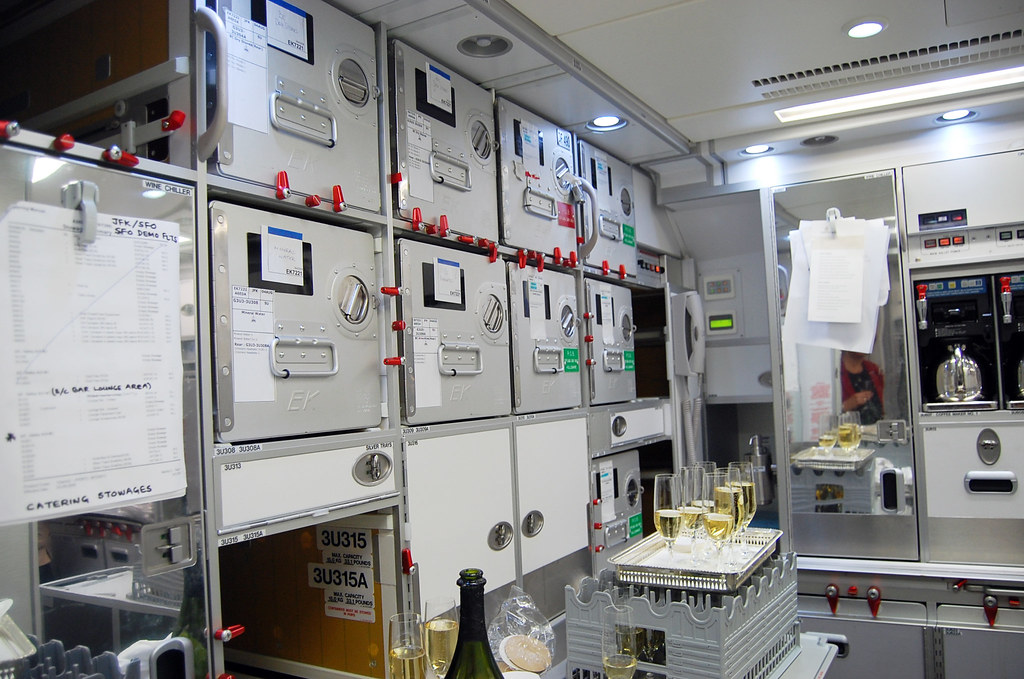
Passengers who want to stretch their legs sometimes end up chatting with flight attendants in the galley, assuming they are offering company or passing time pleasantly. Crews often see that space very differently. It is where they reset between service tasks, prepare supplies, and handle work out of the aisle. That makes casual conversation there more disruptive than it seems. On some aircraft, it can also leave attendants feeling cornered in one of the few work zones they have.
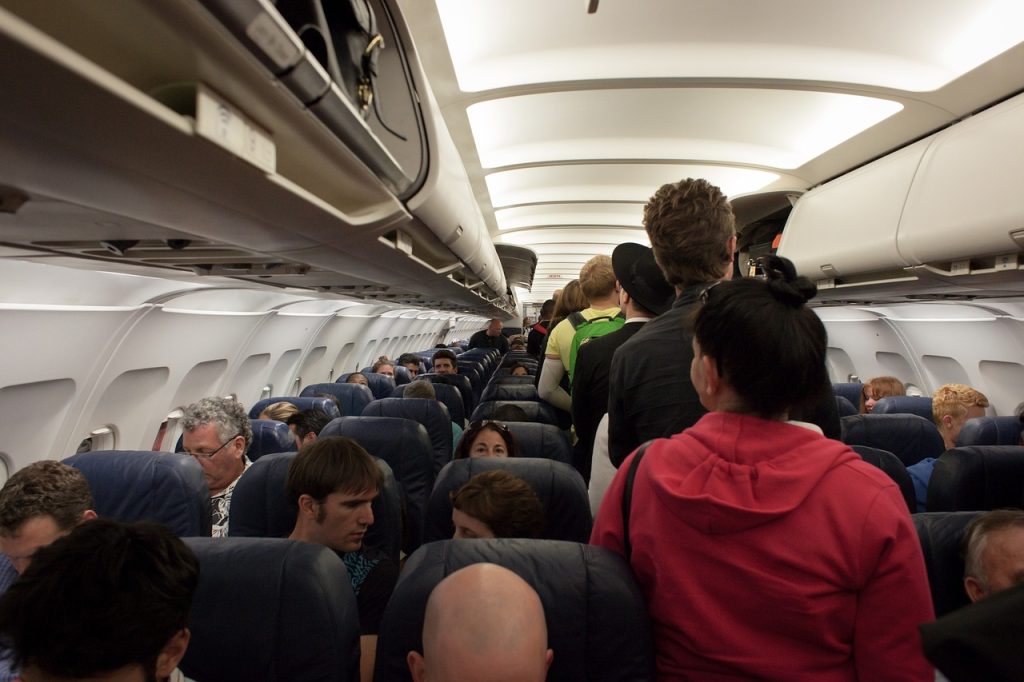
8. Standing up the second the plane lands to “help” deplaning
This is one of the most common habits flight attendants mention, and it often comes from passengers who believe they are getting the exit process moving. In practice, it usually does the opposite. Standing while the aircraft is still taxiing can create safety issues, and rushing the aisle blocks other travelers from retrieving their bags in turn. According to former flight attendant Michelle Hall, waiting until the seatbelt sign is off keeps things safer and more orderly. Once the door opens, row-by-row deplaning remains the system crews want most people to follow.
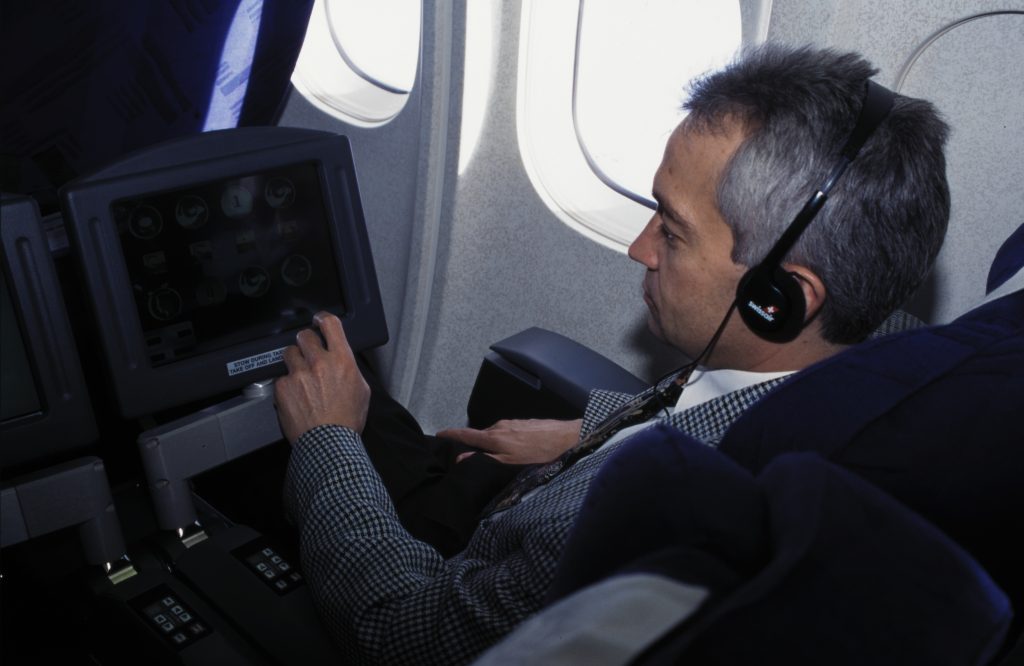
9. Acting extra considerate about headphones, but not removing them during service
Wearing headphones is the polite thing to do when listening to music or watching a show. Letting them stay on while a flight attendant is speaking to a passenger is where the problem starts. Crews frequently mention having to repeat simple service questions multiple times because someone never looks up. That slows service for the whole row. It also clashes with the broader push for quieter cabins, especially as airlines tighten expectations around device audio, including United’s 2026 headphone requirement for personal media.
The most considerate version of headphone use is simple: wear them for entertainment, then take them off when crew members need attention. The pattern is easy to spot. Flight attendants are rarely objecting to kindness itself; they are reacting to kindness that interrupts timing, crowds shared space, or adds a task they did not need. In the cabin, the habits that read as most respectful are often the least performative: being ready with an order, keeping the aisle moving, following the crew’s pace, and saving “help” for moments when help is actually needed.

