
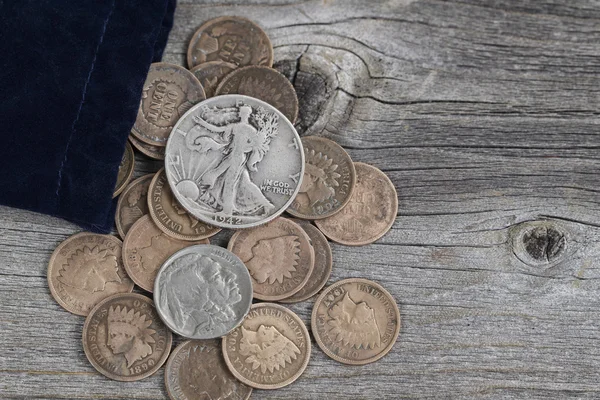
Most pocket change is exactly what it appears to be: ordinary money moving quietly from cashier drawers to coat pockets and kitchen counters. Yet a small number of coins still draw attention because they combine everyday familiarity with details that collectors watch for closely.
Some are classic mint errors. Others are older pieces that occasionally reappear after decades in jars, rolls, or inherited collections. What links them is not modern hype, but the possibility that a routine coin can carry an unusual story in plain sight.
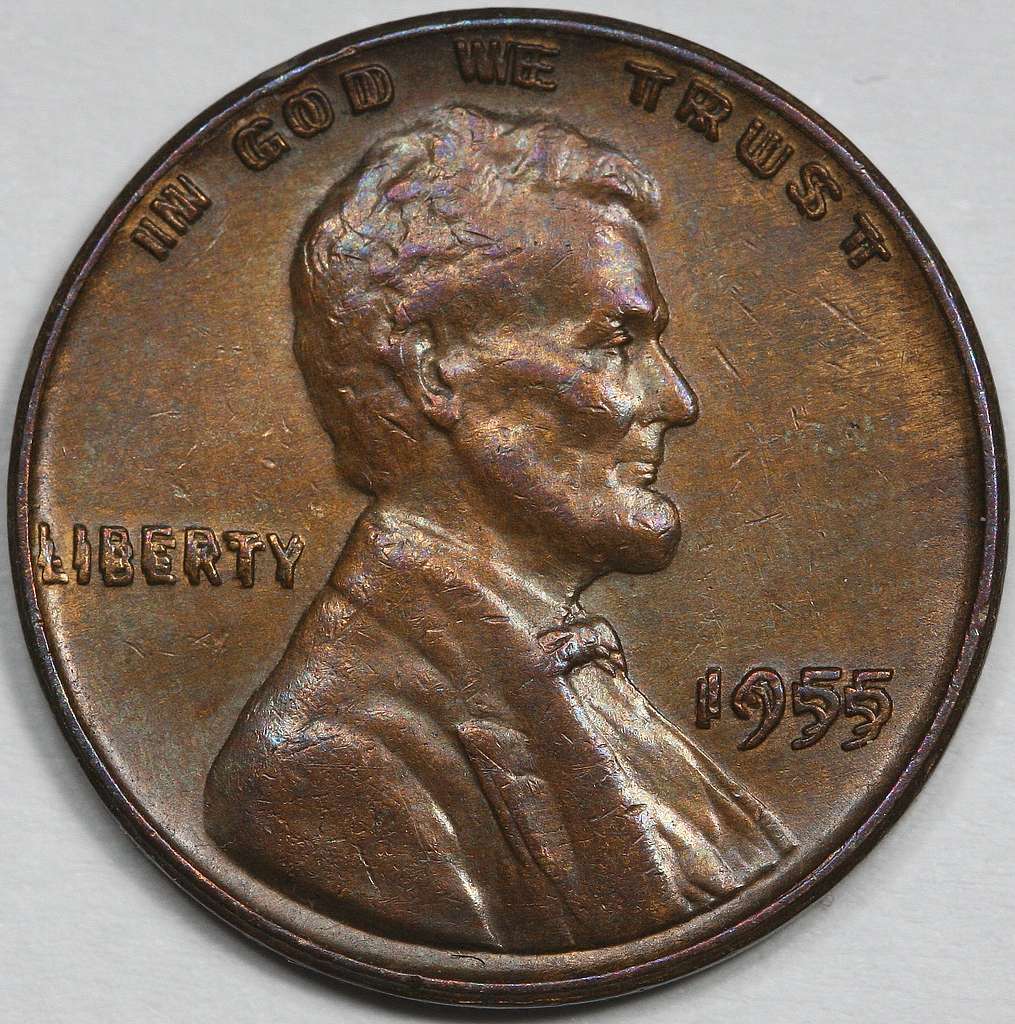
1. 1955 Doubled Die Lincoln Cent
The 1955 doubled die cent remains one of the best-known American error coins because the doubling is unusually easy to see. The date and lettering on the front appear boldly duplicated, a result of a misaligned hubbing during die production rather than post-mint damage. Its reputation comes partly from how many entered commerce. Estimates in the historical record indicate that roughly 20,000 to 24,000 examples reached circulation, which explains why this variety became legendary among searchers of penny rolls rather than staying hidden in a vault. That visibility also made it one of the most copied and misidentified cents in the hobby, especially when worn pieces are compared with common forms of machine or deterioration doubling.
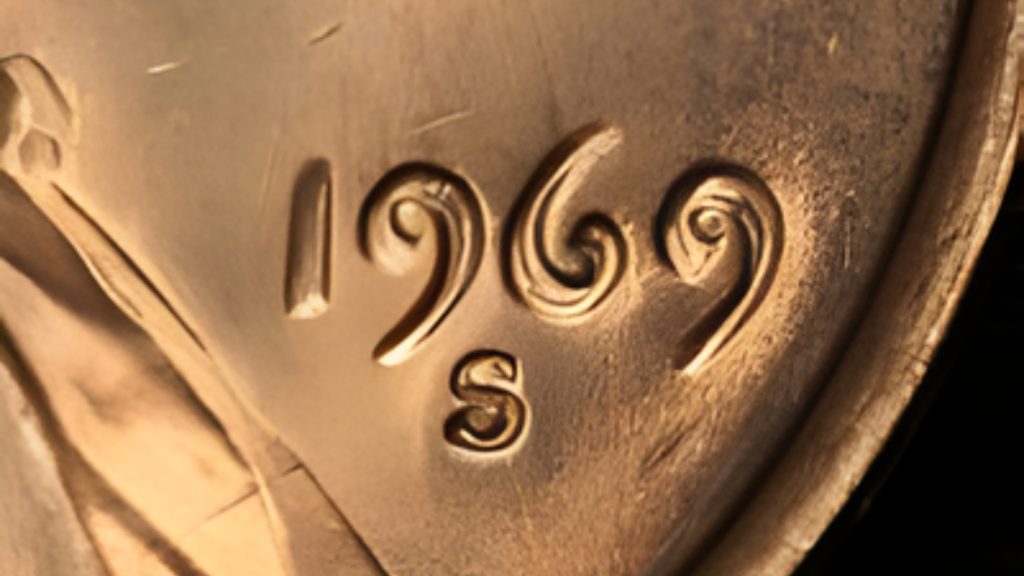
2. 1969-S Doubled Die Obverse Lincoln Cent
If the 1955 cent is famous, the 1969-S doubled die obverse is elusive in a different way. The lettering on the obverse shows dramatic doubling, and specialists have long treated it as one of the standout modern Lincoln cent varieties. Its rarity is central to its mystique. One numismatic reference places the estimated population at 40 to 50 pieces, with some experts suggesting even fewer known survivors. Because the effect is strong, this coin draws immediate interest when authentic, but it also demands caution because ordinary strike issues and altered pieces can create confusion for non-specialists.
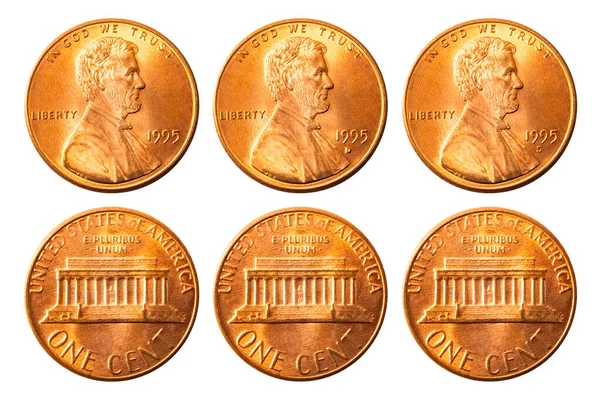
3. 1995 Doubled Die Lincoln Cent
The 1995 doubled die penny occupies a different niche: it is not impossibly rare, which is exactly why it still matters. Collectors have long noted visible doubling in the obverse inscriptions, and the variety became widely discussed because examples were released in numbers large enough to be encountered in circulation. That accessibility gives the coin unusual staying power. It belongs to the small class of error cents that ordinary people have a realistic chance of spotting without specialized equipment, especially when the words on the front appear slightly doubled rather than merely worn or scraped.
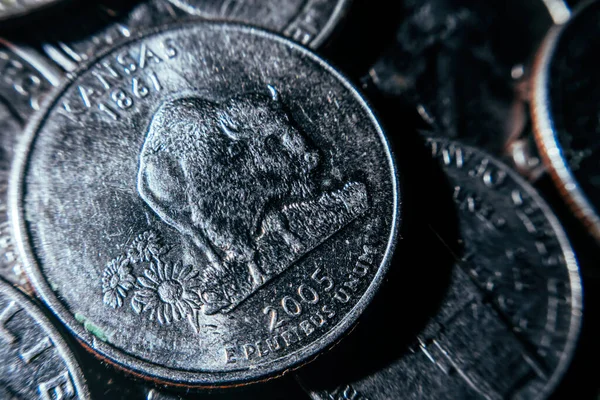
4. 2005 Kansas State Quarter “In God We Rust”
Few modern coins are remembered as quickly as the Kansas quarter with a missing “T” in “TRUST.” The result reads “In God We Rust,” a phrase that has helped keep this state quarter error in public memory far longer than many technical mint varieties. The flaw is generally associated with grease filling part of the die, preventing a full strike of the letter. Because the state quarter program reached a broad audience, this variety became the kind of discovery that non-collectors could recognize instantly, whether it appeared in a cash register or a spare-change bowl.
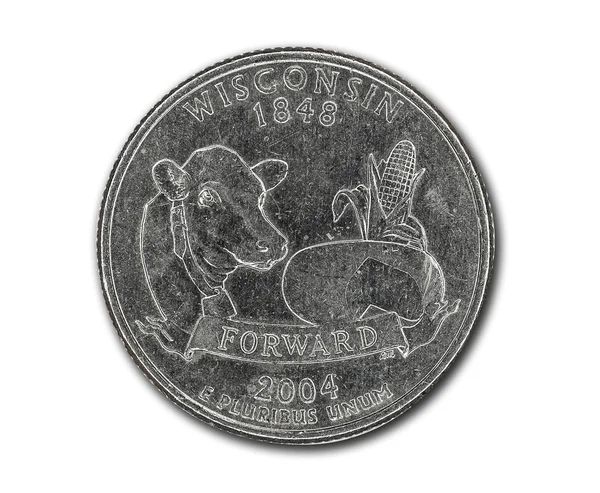
5. 2004 Wisconsin State Quarter With Extra Leaf
The Wisconsin quarter with an added leaf near the ear of corn is one of the more debated modern circulation finds. Some examples show an extra leaf high, while others show one low, creating two closely watched versions of the same design anomaly. That double appearance is what made the coin especially memorable. The reference material notes that collectors paid close attention because the repeated effect looked too specific to ignore, and the quarter’s agricultural reverse made the added detail easy to describe even for people without numismatic training.
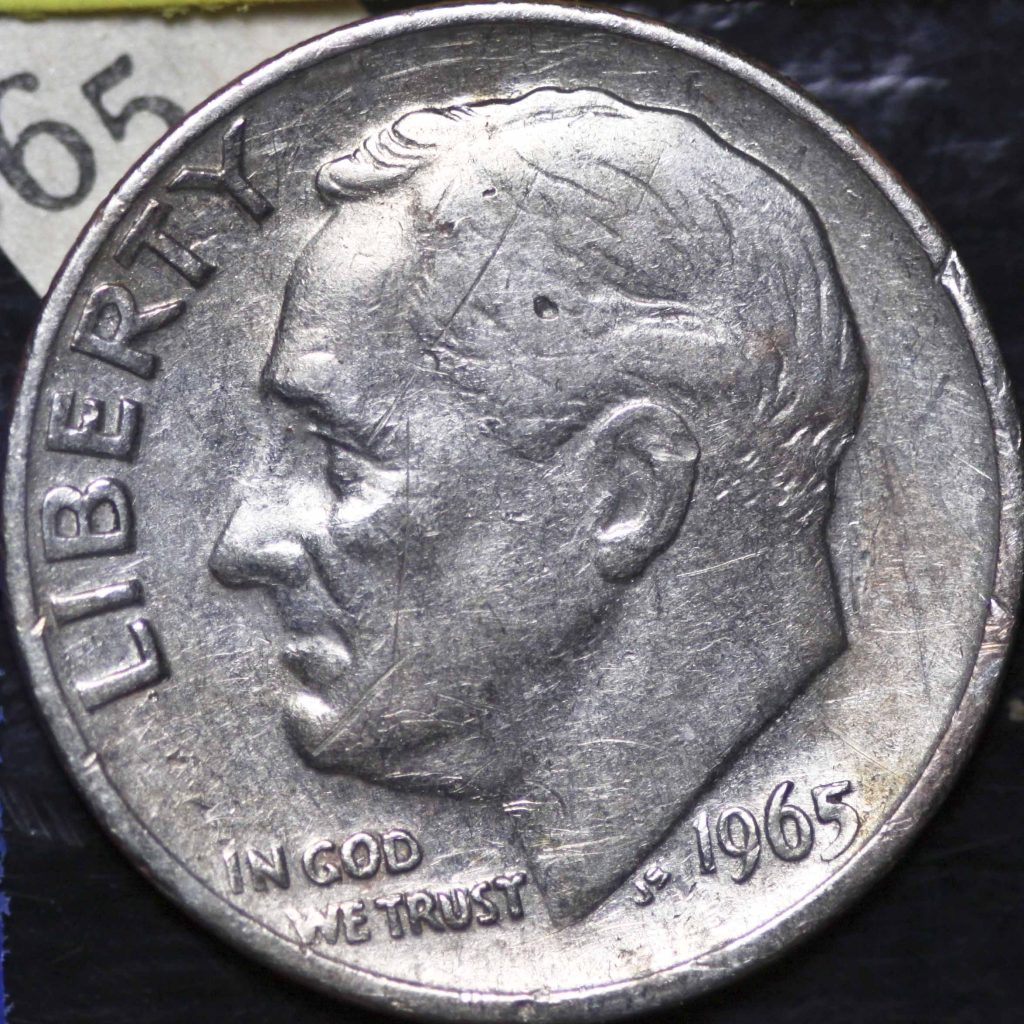
6. 1982 Roosevelt Dime With No Mint Mark
The 1982 Roosevelt dime missing its mint mark is a quieter kind of rarity. There is no dramatic doubled lettering and no humorous slogan. Instead, the key clue is absence: a Philadelphia-produced dime from that year appearing without the expected mark.
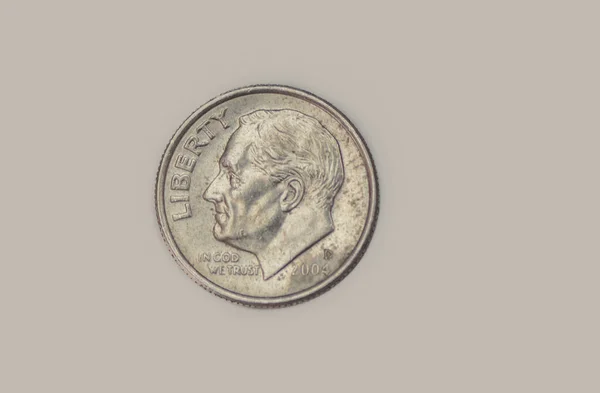
That makes it the sort of coin many people spend without noticing. Small design details often escape attention on dimes, which is why missing-mark varieties can continue circulating unnoticed long after their discovery by collectors.
7. Liberty Head “V” Nickels
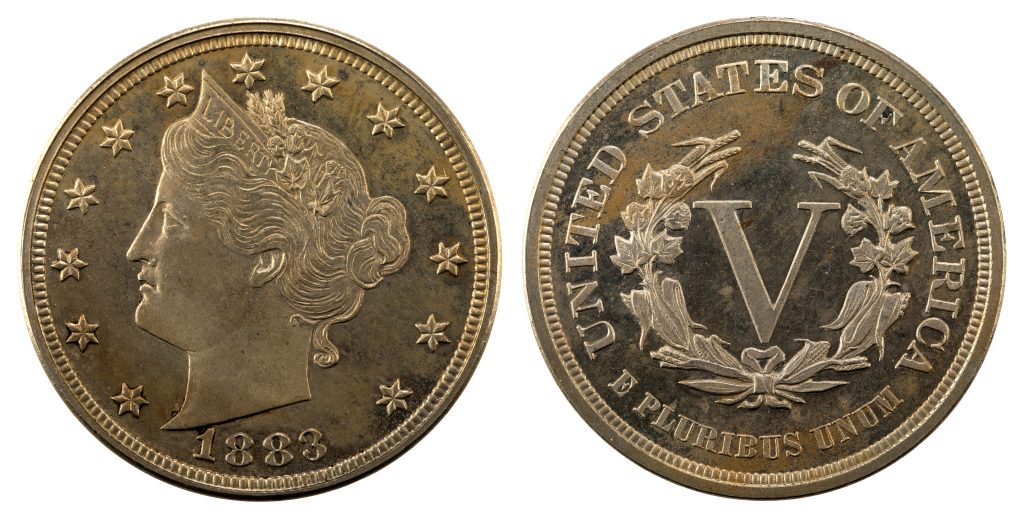
Older nickels still turn up often enough to keep Liberty Head pieces in circulation lore, especially the series known as the V nickel for the Roman numeral on the reverse. The design was minted from 1883 to 1912, and its first year produced the well-known “No Cents” subtype after confusion over the denomination prompted a redesign. Not every Liberty nickel is rare, and the famous 1913 examples exist outside the world of pocket-change realism. Still, ordinary V nickels have a way of resurfacing because they were heavily used, saved casually, and sometimes mixed into later accumulations.
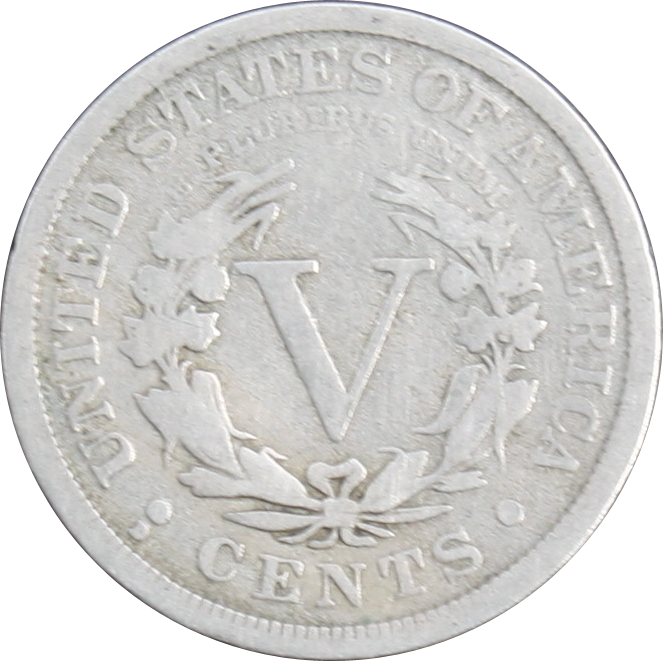
When one appears in circulation today, the surprise comes less from a single error than from the age of the coin itself. Coins like these continue to attract attention because they sit at the intersection of routine use and historical accident. A doubled inscription, a missing letter, an absent mint mark, or an outdated design can turn a forgettable object into something that deserves a second glance. That is why change jars still get searched. Most finds are ordinary, but the small number that are not have kept American coin hunting alive for generations.

