

Diet soda is often treated as a lighter choice because it skips sugar. The research picture is more complicated. Regular intake has been linked to concerns that reach beyond calories, including enamel erosion from acidity, shifts in gut bacteria, and possible metabolic effects in some people.
The evidence does not point to one simple outcome for every person or every sweetener. Still, several patterns appear often enough to deserve attention, especially when diet soda becomes a daily habit rather than an occasional drink.

1. The acid in diet soda can wear down tooth enamel
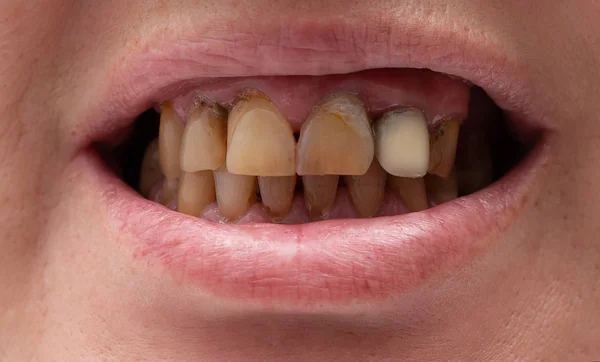
Diet soda may be sugar-free, but that does not make it neutral for teeth. Enamel begins to demineralize in acidic conditions, and beverages with a low pH can contribute to erosion over time. In one enamel study, Diet Coke had a pH of 3.16, far below the range considered friendly to tooth surfaces.
This matters because enamel does not grow back once it is lost. Acid exposure softens the outer layer, and repeated sipping keeps teeth in that low-pH environment longer. That can make teeth more vulnerable to sensitivity, surface thinning, and structural wear.
2. Even short exposure has been shown to roughen enamel
Laboratory findings suggest that the effect is not only theoretical. Researchers examining cola-exposed enamel found that after five minutes of coca cola action, treated samples showed greater roughness, visible depressions, and early demineralization compared with untreated enamel.
A rougher tooth surface matters because it increases the area that acids can affect and may make ongoing damage easier. Real mouths are more complex than a lab setting because saliva can help with remineralization, but the underlying message stays the same: frequent contact with acidic soda is not harmless to dental tissue.

3. Daily soda habits have been associated with a higher erosion risk
The broader dental literature also points in the same direction. The enamel review noted that people who consumed sodas every day had 4 times higher risk of developing erosive lesions than those who did not. That does not mean every daily drinker will develop visible damage, but it places diet soda in a meaningful risk category for oral health.
The pattern is easy to overlook because tooth erosion can develop gradually. Early changes may show up as increased translucency, smooth shiny depressions, or sensitivity to cold foods and drinks before major decay appears.
4. Artificial sweeteners may change the gut microbiome
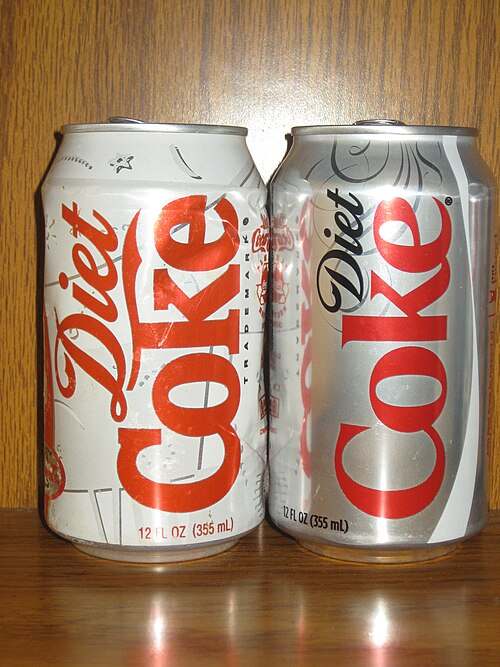
Much of the concern around diet soda now centers on the digestive tract. A recent review found that non-nutritive sweeteners may alter the gut microbiome, with animal studies often showing declines in beneficial bacteria such as Bifidobacterium and Lactobacillus and increases in less favorable strains.
The review also made an important distinction: human findings are less consistent than animal data. Some trials found little change, while others reported differences in microbial diversity, metabolic pathways, or bacterial abundance. That leaves the strongest current conclusion as a cautious one: gut effects appear biologically plausible, but they do not seem uniform across all sweeteners, doses, or individuals.

5. Changes may happen in the small intestine, not just the colon
Discussion about the microbiome often focuses on stool samples, which mostly reflect the large intestine. That is only part of the picture. Cedars-Sinai investigators reported significant differences in both stool and duodenal microbial diversity and composition among people consuming non-sugar sweeteners compared with controls.

That finding is notable because the small bowel plays a central role in nutrient handling and signaling. The same report said circulating inflammatory markers were also altered in participants using these sweeteners, adding to concern that digestive effects may extend beyond simple changes in taste.

6. Some studies have linked sweeteners to impaired glucose handling
The diabetes question is one reason diet soda remains controversial. In the microbiome review, several studies suggested that certain sweeteners may influence glucose tolerance differently depending on the person and the compound involved. In one well known human saccharin study, some participants developed impaired glucose tolerance while others did not, pointing to an individualized response.
Other evidence has raised similar questions. A human study summarized in the review found that ten weeks of sucralose intake was associated with gut dysbiosis plus increased serum insulin and a larger glucose response curve. In animal work, low dose aspartame has also been linked to higher fasting glucose and impaired insulin-stimulated glucose disposal under specific dietary conditions. These findings do not prove that all diet soda causes diabetes, but they support concern that regular use may affect metabolic regulation in at least some settings.

7. Observational research keeps finding long-term health signals
Population studies cannot prove cause and effect, but they remain useful for spotting patterns that deserve closer study. Reviews of artificially sweetened beverages have found links with outcomes that include cardiovascular disease, kidney disease, depression, and some diabetes related complications, though not every study shows harm and confounding remains a major limitation.
That is why the strongest interpretation is not that diet soda is uniquely toxic, but that replacing sugar with artificial sweeteners does not automatically remove health concerns. The drink may solve one problem while introducing others tied to acidity, microbiome disruption, or metabolic signaling.

For people who drink diet soda often, the main takeaway is consistency of exposure. Teeth face repeated acid contact, the gut faces repeated sweetener exposure, and the body may respond differently over time than it does after a single serving. Current research supports a cautious view of the daily habit. Diet soda is low in sugar, but it is not biologically inactive.

