
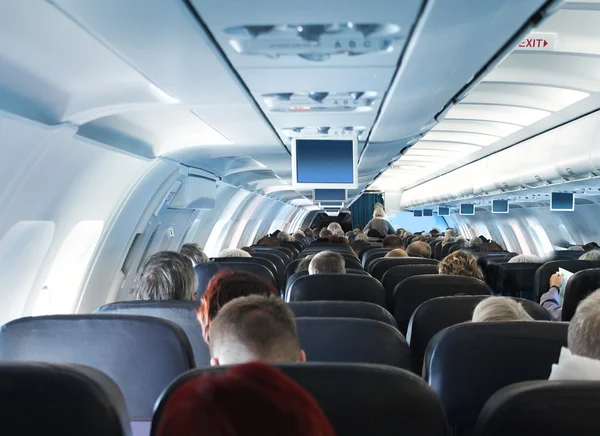
Many in-flight habits come from a good place. Passengers try to speed up boarding, be low maintenance, or handle small problems on their own without bothering the crew. But inside an aircraft cabin, “helpful” can easily turn into disruptive. Flight attendants work in a narrow, shared space where timing, safety rules, and service flow matter more than most travelers realize.
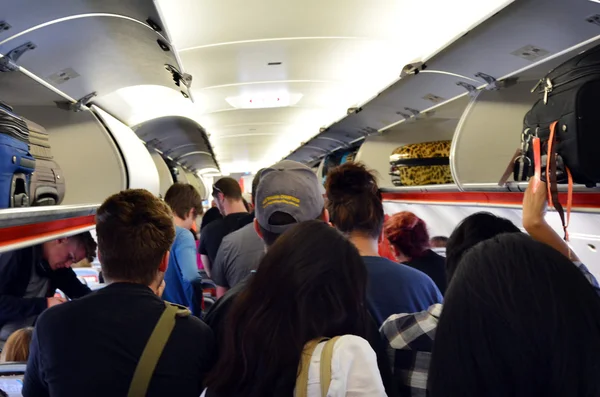
1. Stuffing every small item into the overhead bin
Passengers often do this to keep their foot space clear, but it creates one of the biggest boarding slowdowns. Small backpacks, purses, and loose extras take up room that larger carry ons actually need, which forces crew members to keep rearranging bags while the aisle backs up. Flight attendants also watch for whether under-seat items are fully tucked away, since aisle access in an emergency cannot be blocked. A shared bin only works when passengers treat it like shared space.
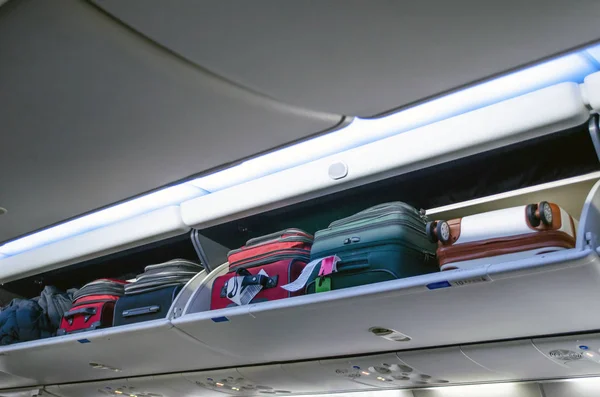
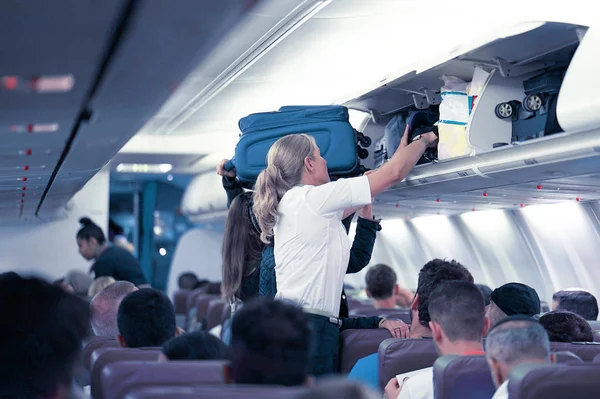
2. Asking a flight attendant to lift a heavy bag “just this once”
Some travelers mean this as a simple request for assistance. For crew members, it can mean an avoidable injury. Several attendants have noted that overhead-bin lifting is a common source of strain, especially to shoulders and backs. Guidance from crew members is usually available, but many airlines do not want flight attendants lifting bags for passengers unless there is a specific need. What looks like courtesy from a traveler can become a safety risk for the person being asked.
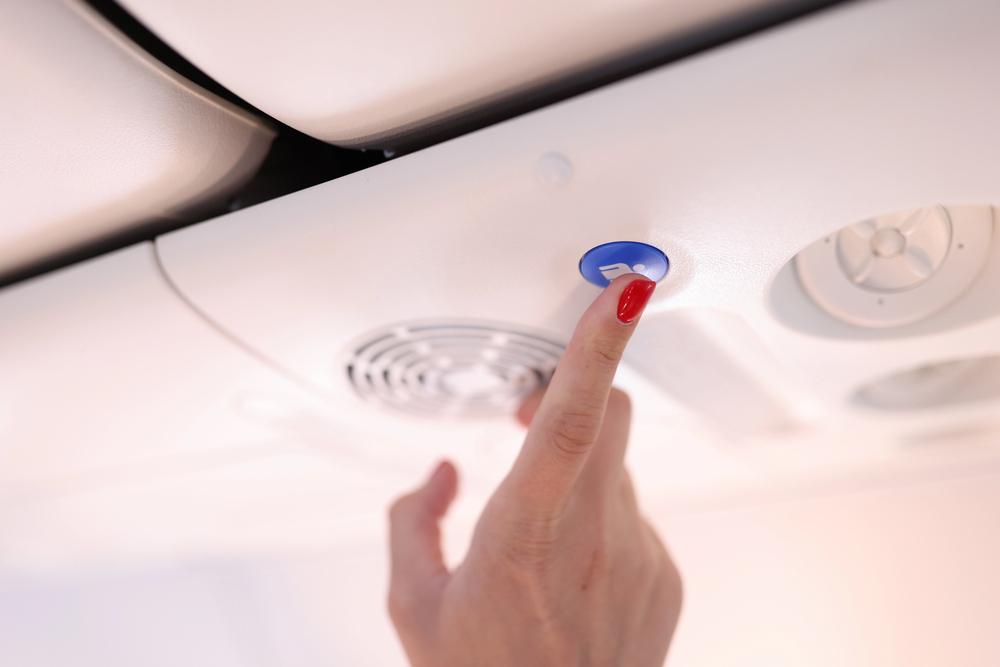
3. Pressing the call button for every minor need
The call button exists for a reason, and it is not off-limits. Still, attendants often dread the pattern of repeated, low urgency calls when service is already moving through the cabin. Use tends to vary by airline culture, and some crews are more service-oriented through the button than others. Even so, attendants interviewed by travel outlets have said it should not be treated as a shortcut for trash pickup, instant refills, or requests that can wait until the cart arrives. It becomes especially unwelcome when the seat-belt sign is on and crew members are expected to stay seated unless there is a real emergency.
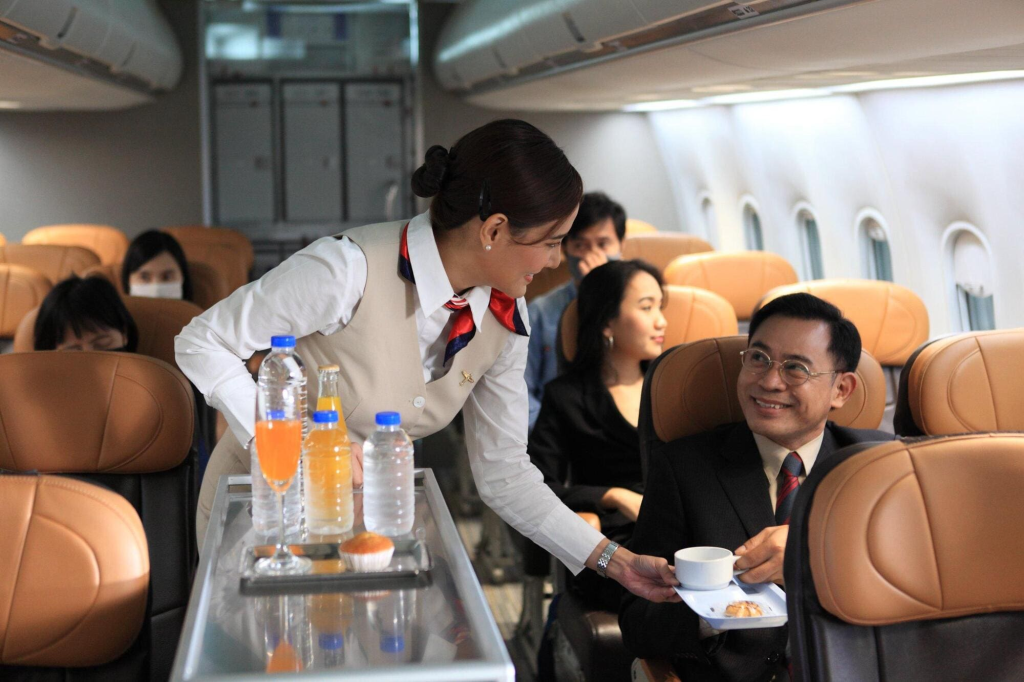
4. Bringing trash directly to the crew at the wrong moment
Passengers sometimes try to save the crew a trip by handing over cups, wrappers, or napkins whenever they spot a flight attendant passing by. In practice, that can interrupt service, clutter a work area, or force someone handling carts and beverages to stop mid-task. It is usually easier for the crew when passengers hold onto small trash until the next collection round or, when appropriate, bring it to the galley without interrupting an active service flow. Timing matters more than intent.
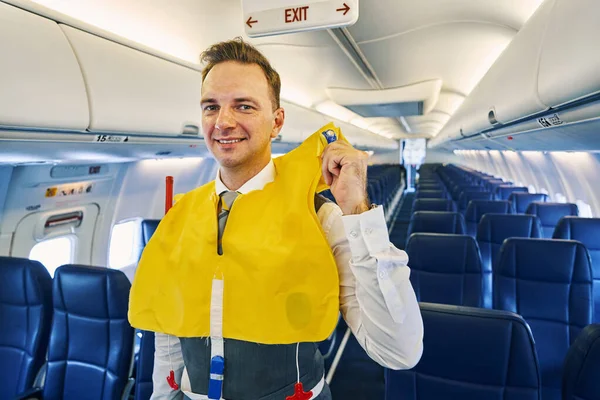
5. Standing in the aisle to “help” boarding move faster
Few habits feel more efficient to passengers and more stressful to crew. Travelers often think they are being proactive by jumping into the aisle early, reorganizing bags while standing there, or hovering close behind the person loading a suitcase.
What flight attendants actually need is space. Boarding works best when passengers step into their row, stow their bag quickly, and settle in without blocking everyone behind them. The same principle applies after landing. Former crew members have repeatedly pointed out that getting up too soon after landing creates crowding long before anyone can leave.
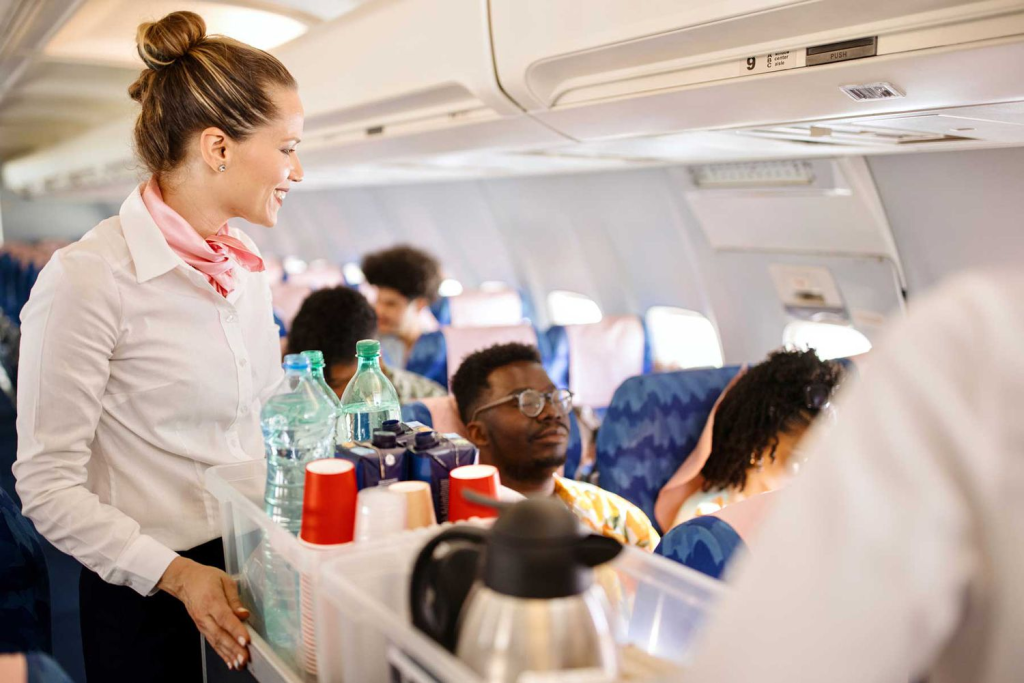
6. Trying to slip past the cart to reach the lavatory
Passengers who do this are usually trying not to disturb anyone later. Flight attendants still tend to dread it, because the service cart already fills most of the aisle. Squeezing around it slows service, creates awkward congestion, and can force attendants to rebalance trays, drinks, and hot items in a very tight space. The move may seem considerate to fellow passengers in the row, but it often creates more disruption for the entire cabin.
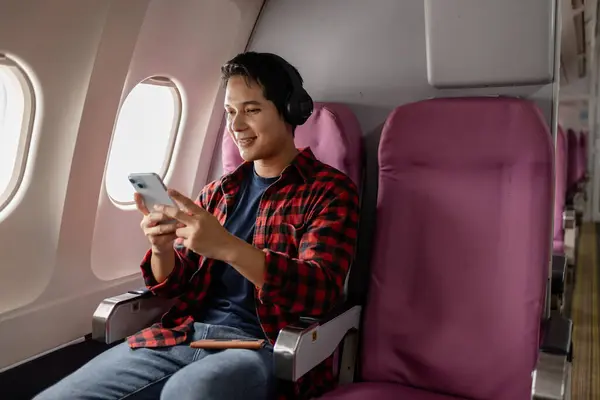
7. Keeping headphones in during service so the crew can “work around” them
Some travelers think staying locked into a movie, game, or playlist is less trouble than pausing. Attendants regularly describe the opposite: it means repeating simple questions multiple times, waiting for eye contact, and holding up the line for everyone nearby. This one is small, but it adds up fast on a full flight. A brief pause and a direct order can make drink and meal service noticeably smoother.
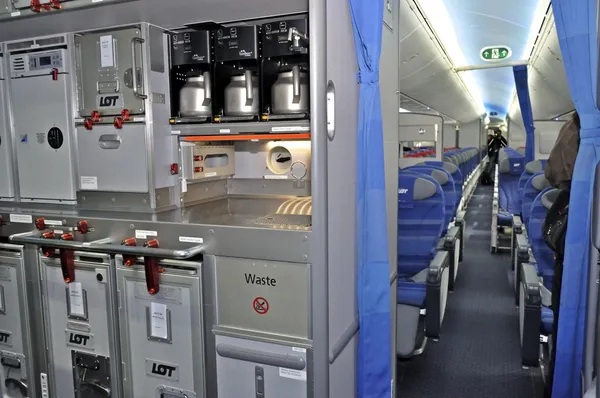
8. Visiting the galley because it seems more polite than using the call button
This depends heavily on the airline, cabin, and phase of flight. In some situations, especially on long-haul service, walking to the galley can be completely acceptable. In others, crew members would rather come to the passenger than have people entering a workspace unexpectedly.
One industry analysis noted that on some international premium cabins, crews may actually prefer using the flight attendant call button rather than having passengers appear in the galley. A habit meant to feel less demanding can land as poorly timed or intrusive instead.
9. Trying to be extra independent during takeoff, landing, or turbulence
Passengers often avoid asking for anything during critical moments because they do not want to bother the crew. Then they unclip a laptop, stand up to grab something from the bin, or head to the lavatory before the cabin is ready.
That independence is exactly what complicates the job. During taxi, takeoff, landing, and turbulence, flight attendants are enforcing procedures that are not optional. Their role is not limited to service; as one crew member told Travel + Leisure, “We are first and foremost safety professionals and are trained to handle emergency situations that can occur at any point during a flight.”
The pattern behind these habits is simple: what feels helpful from seat 18A can look very different from the aisle. Flight attendants are managing safety, timing, space, and the needs of an entire cabin at once. The easiest way to make a flight smoother is not doing more. It is noticing the moment, reading the room, and letting the crew’s workflow stay intact.

