

The feet do not diagnose liver disease, but they can sometimes show changes that deserve closer attention. That matters because cirrhosis often has no symptoms until liver damage is serious, making small external clues easier to overlook.
Several of the signs people notice in their feet overlap with well-established liver symptoms such as itching, swelling, and visible blood vessel changes. They are not specific to liver disease on their own, yet doctors view them differently when they appear alongside fatigue, jaundice, easy bruising, appetite loss, or unexplained weight changes.

1. Swollen feet and ankles
Swelling is one of the clearest foot-related signs that can appear with liver disease. When liver function declines, the body may struggle to maintain normal fluid balance. Reduced production of proteins such as albumin, along with pressure changes in the veins around the liver, can allow fluid to collect in the lower legs, feet, and ankles.
Mayo Clinic lists swelling in the legs, feet or ankles, called edema among cirrhosis symptoms. Swelling that keeps returning, leaves sock marks, or makes shoes suddenly feel tighter deserves medical attention, especially when it appears with abdominal bloating or yellowing of the skin or eyes.

2. Severe itching on the soles
Persistent itchiness on the bottoms of the feet can be easy to dismiss as dry skin, irritation, or a reaction to footwear. In some liver conditions, however, itching is tied to impaired bile flow. When bile acids build up in the body, the sensation can become intense and difficult to ignore.
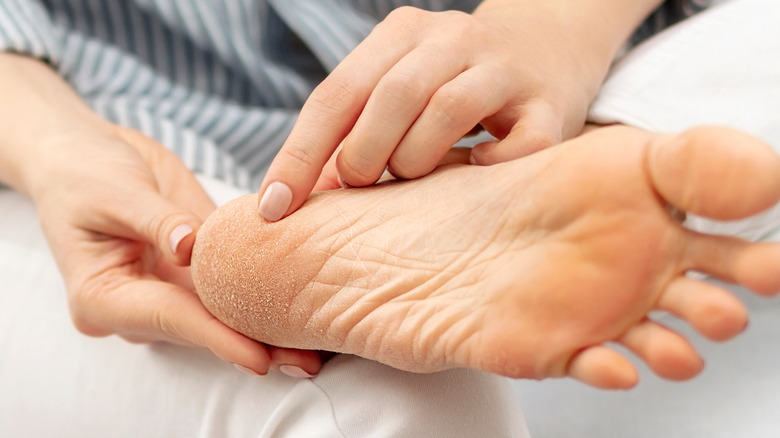
This pattern is seen outside chronic liver scarring as well. In cholestasis of pregnancy, the hallmark symptom is intense itching, often on the palms and soles, and it is frequently worse at night. That does not mean every itchy foot points to liver disease, but night-worsening itch without an obvious rash fits a symptom pattern clinicians take seriously.

3. Spider-like blood vessels or unusual red spots
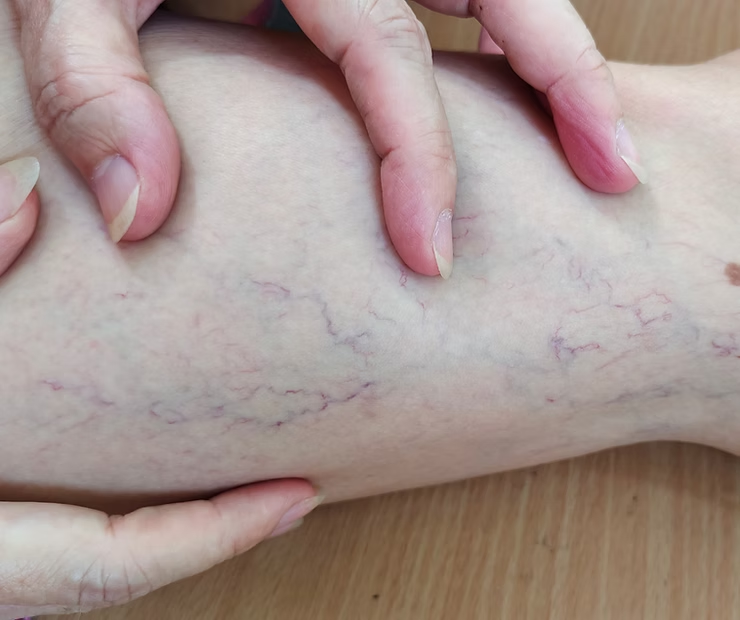
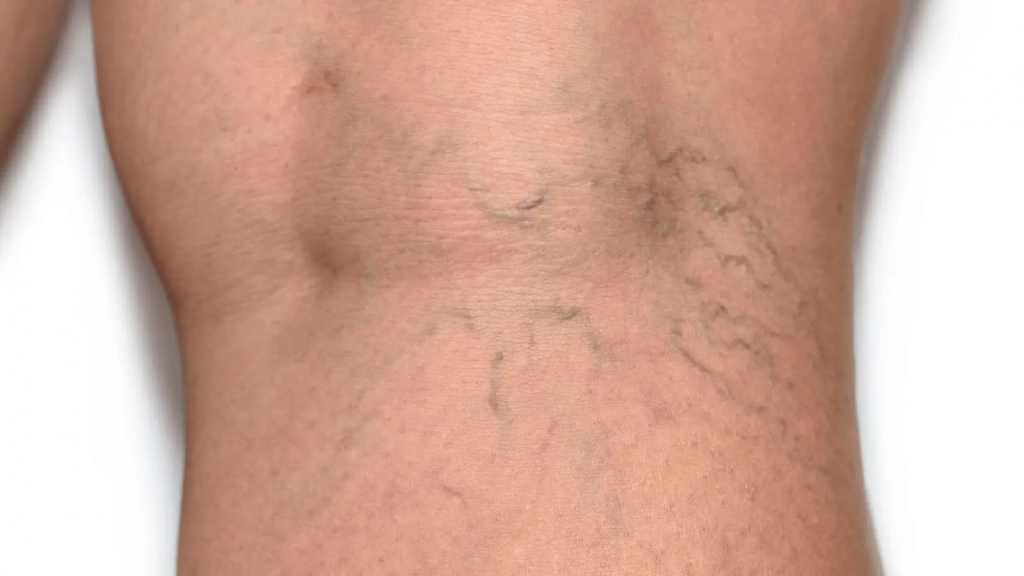
Small visible blood vessels that branch outward, or scattered red-purple spots around the feet and ankles, can raise questions about circulation and clotting. In liver disease, vascular changes may happen because the liver is no longer processing hormones and blood components normally.

Mayo Clinic describes spiderlike blood vessels on the skin as a symptom of cirrhosis. On the feet and lower legs, these changes may look cosmetic at first. They become more meaningful when they appear with easy bruising, bleeding, or other signs of liver dysfunction.
4. Dry, cracked heels that do not improve
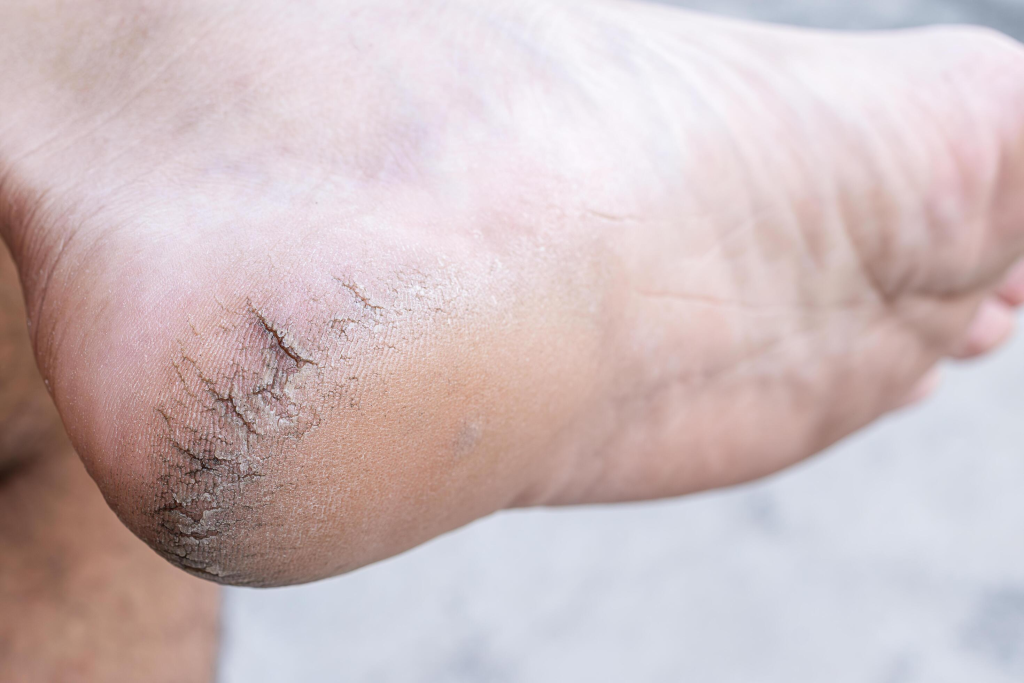
Cracked heels are common and often linked to weather, friction, or skin care habits. But persistent deep cracking can sometimes reflect a broader health issue. The liver plays a central role in bile production, and bile is needed to absorb fat-soluble vitamins. When that process is impaired, skin dryness may become more pronounced. This is a detail many people miss. Longstanding heel cracks, especially when paired with itching, swelling, or jaundice, are less likely to look like an isolated foot problem and more like part of a larger medical picture.

5. Burning feet or altered sensation
Some people describe a hot, burning, or prickling feeling in their feet even when the skin does not feel warm. That kind of sensation can happen for many reasons, including nerve problems. In the setting of liver disease, toxin buildup and metabolic changes may contribute to nerve-related symptoms in the lower extremities.
The feet are often where these sensations are noticed first because they are far from the body’s center and especially vulnerable to circulation and nerve changes. A burning feeling that persists, spreads, or comes with numbness should not be brushed aside.
6. Foot changes that appear with bigger red flags
The strongest warning sign is not one foot symptom by itself. It is a cluster. Swelling, itching, visible blood vessels, or cracked heels become more concerning when they show up with fatigue, nausea, loss of appetite, easy bruising, pale stools, dark urine, or jaundice.
That broader pattern matters because liver disease may stay quiet for a long time, then become obvious only after more significant injury has developed. Foot changes can be the detail that prompts someone to connect the dots and seek an evaluation earlier, when the cause of liver damage may still be slowed or treated.
Doctors do not use the feet alone to confirm liver disease. They use symptoms, history, blood work, and imaging together. But when the feet start showing unusual changes that do not go away, they can be one of the body’s more visible reminders that the liver may need attention.

