
In Hollywood, a reputation can travel faster than a hit film. Casting decisions often turn on more than talent, especially when studios, networks, and producers start weighing reliability, public controversy, or friction behind the scenes.
That dynamic has shaped a long list of careers, sometimes through public feuds, sometimes through social media fallout, and sometimes through stories that hardened into industry labels. These actresses became notable examples of how quickly a role, a series, or an entire lane in the business can narrow.
1. Katherine Heigl
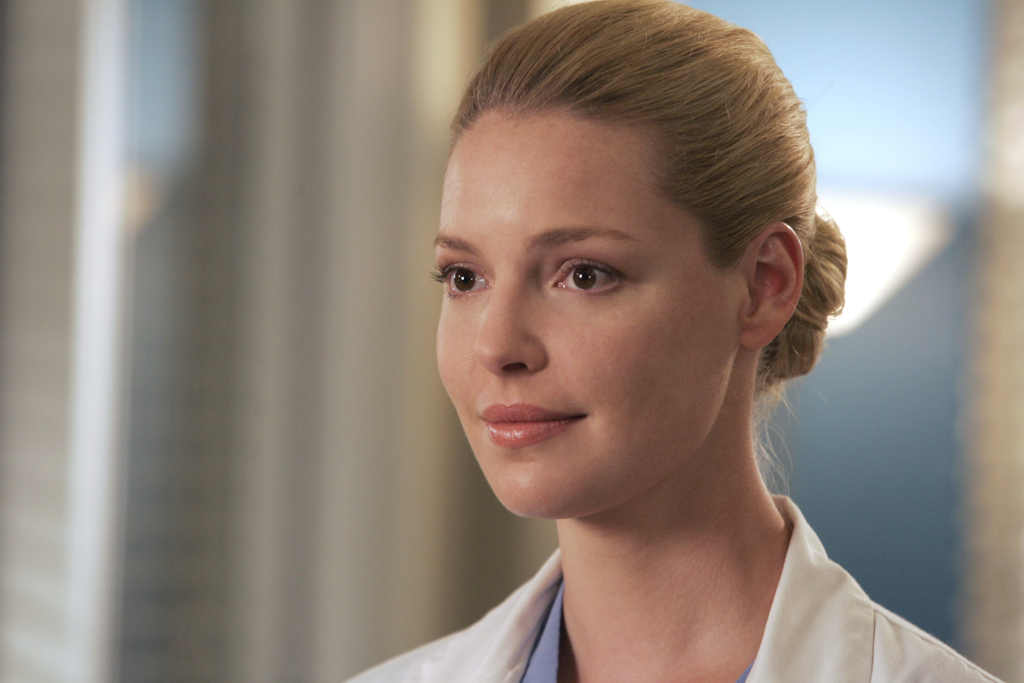
Katherine Heigl’s standing changed after public criticism attached itself to two of her best-known projects. Her comments about Knocked Up and her widely discussed frustration with Grey’s Anatomy helped create an image of someone openly dissatisfied with her own material. In an industry that depends heavily on promotion and cooperation, that kind of candor carried consequences.
Sheigl’s decline was less about one formal firing than a cooling of studio enthusiasm. The actress who had once looked central to the romantic-comedy machine was increasingly viewed as a risk for high-visibility productions.
2. Megan Fox
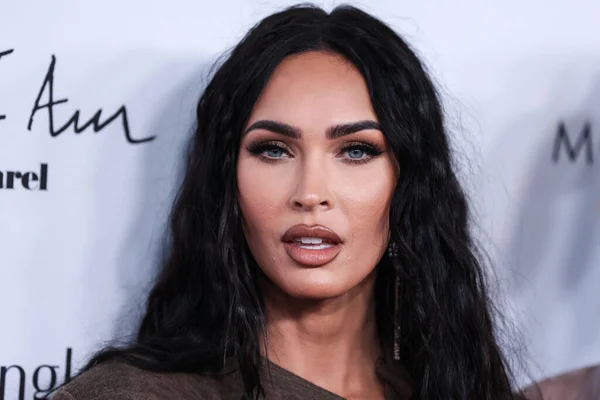
Megan Fox’s exit from the Transformers franchise remains one of the clearest examples of a public remark colliding with a blockbuster brand. In a 2009 interview, she said of Michael Bay, “He’s like Napoleon and he wants to create this insane, infamous mad man reputation. He wants to be like Hitler on his sets, and he is.”
The fallout was swift. Bay later recalled that Steven Spielberg told him to “Fire her right now”. Fox’s departure did not end her career, but it did alter its momentum at a moment when she was positioned as a franchise fixture.
3. Shannen Doherty
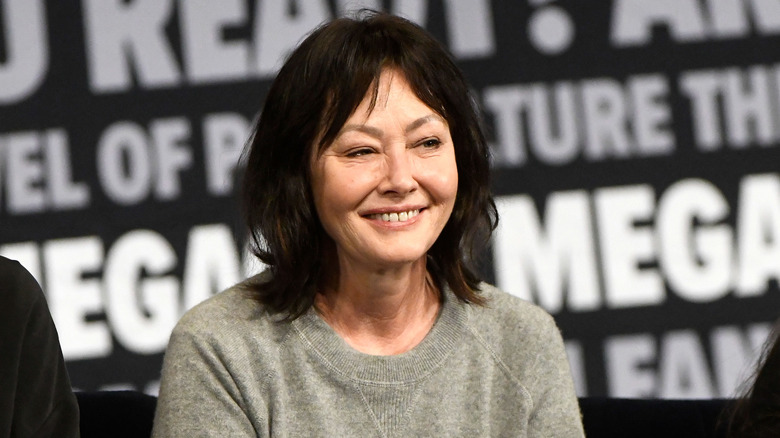
Shannen Doherty became one of television’s defining examples of behind-the-scenes tension affecting a role. During Beverly Hills, 90210, reports of friction with cast members followed her closely, and her character was eventually written out after the fourth season.
That pattern resurfaced on Charmed, where widely reported conflict again overshadowed the work. Doherty’s screen presence stayed strong, but the industry memory around set conflict proved just as durable.

4. Lindsay Lohan
Lindsay Lohan’s difficulties were tied to a more expansive public unraveling. Legal trouble, lateness, and concerns about insurability affected how producers viewed her at a time when she was still a recognizable star.
She lost out on projects including Inferno, and financiers grew more cautious about attaching her to productions. In her case, the reputation issue was not simply personality. It became a business question.
5. Sean Young
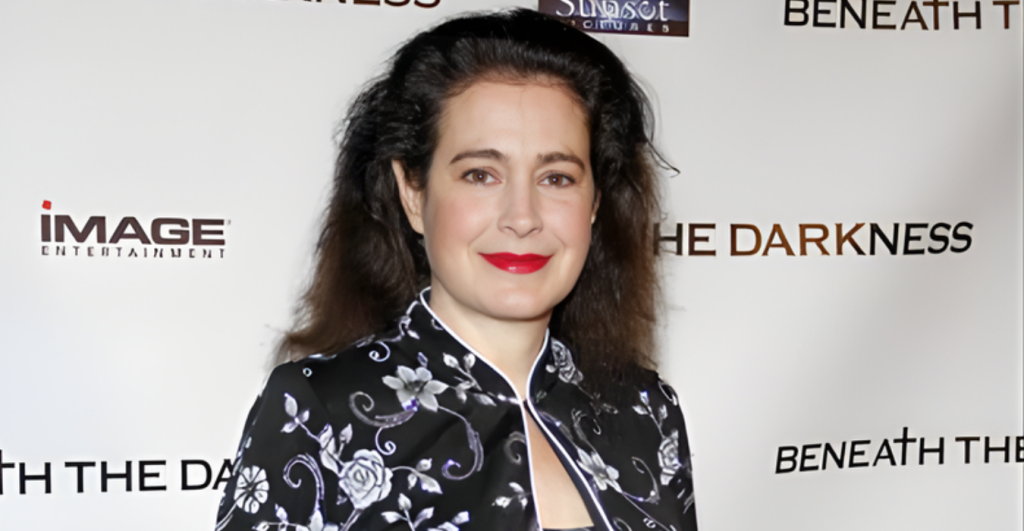
Sean Young’s career offers an older Hollywood example of how unpredictability can eclipse promise. After a breakout period in the 1980s, stories about clashes, erratic behavior, and difficult working relationships began to define coverage of her professional life.
Her removal from major studio momentum was reinforced by headline-making moments, including her famously unconventional campaign for Catwoman. The role never materialized, and the episode cemented a perception that became hard to shake.
6. Roseanne Barr
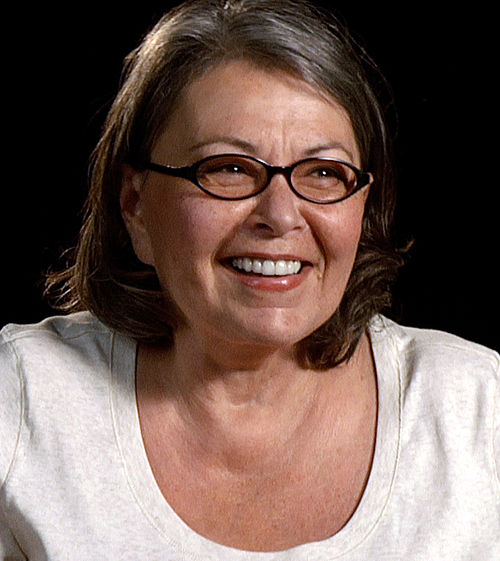
Roseanne Barr’s case showed how a commercially successful comeback could collapse under the weight of public conduct. Even after the revival of Roseanne proved a ratings force, the show was cancelled after her offensive social media posts triggered immediate backlash.
The franchise survived without her through The Conners. That outcome underscored a blunt industry calculation: a bankable name can still become easier to remove than defend.
7. Gina Carano
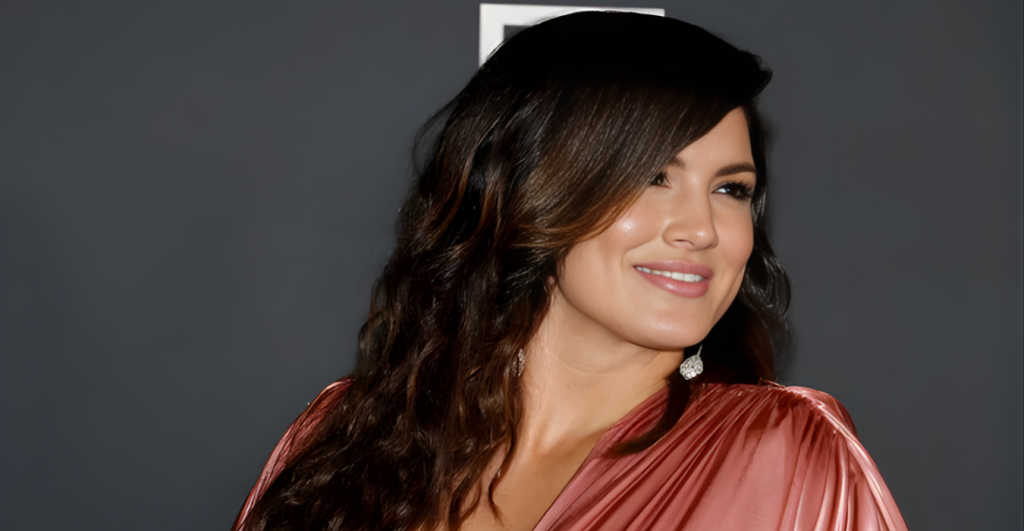
Gina Carano’s rise in franchise entertainment stalled after online posts provoked intense criticism. Lucasfilm’s response was unusually direct, stating that her social media posts denigrating people based on their cultural and religious identities were “abhorrent and unacceptable.” The decision affected more than one role. Plans for her Mandalorian character to continue in a larger way were abandoned, showing how reputation can cut off future opportunities, not just current ones.
8. Faye Dunaway
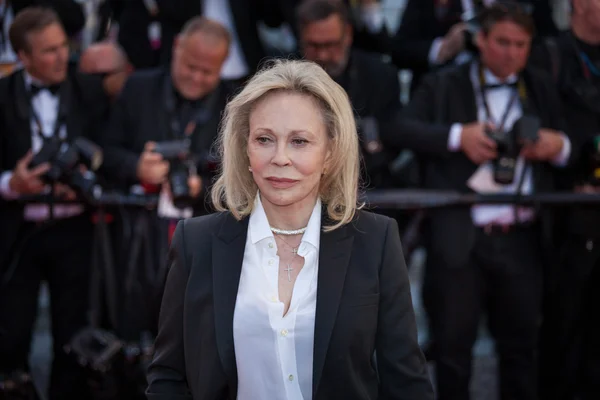
Faye Dunaway’s reputation for being exacting and difficult has followed her for decades, often in tension with her stature as a celebrated performer. One of the most visible professional ruptures came when Andrew Lloyd Webber dismissed her from the Los Angeles production of Sunset Boulevard. Years later, similar allegations surfaced again around Tea at Five. Her story illustrates how, in entertainment, old narratives rarely stay buried once a new dispute appears.
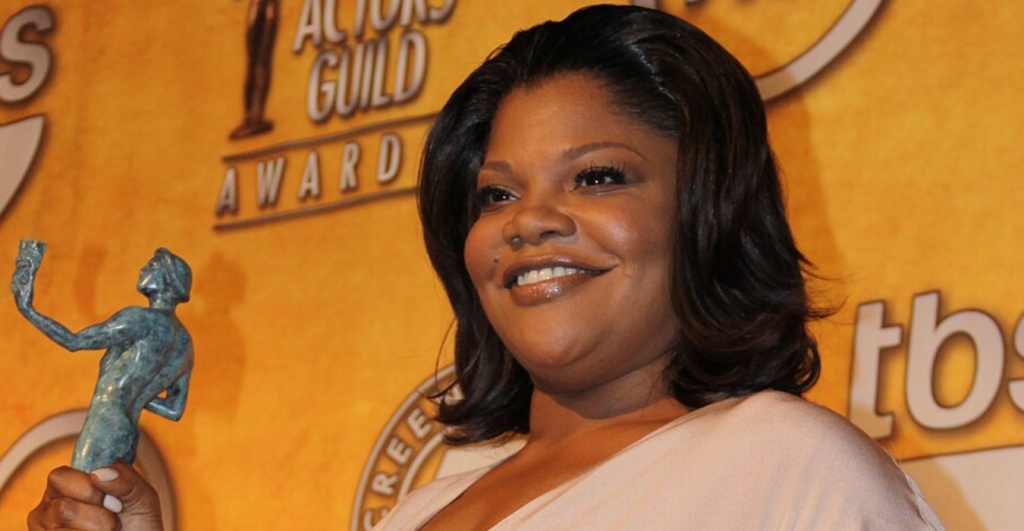
9. Mo’Nique
Mo’Nique’s career slowdown was shaped by a clash over industry expectations rather than a traditional on-set feud. After winning an Oscar for Precious, she said she was blackballed after resisting unpaid awards-season campaigning.
Lee Daniels later told her, “You’ve been blackballed”, a line that became central to how the dispute was remembered. Her experience exposed how reputation can also be shaped by refusing customary industry rituals.
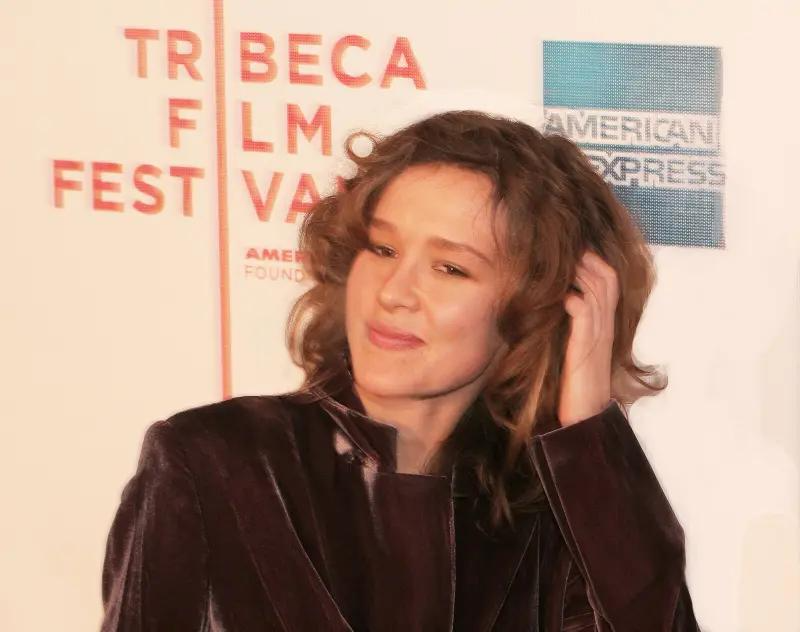
10. Paz de la Huerta
Paz de la Huerta’s early visibility on Boardwalk Empire suggested a larger breakthrough. Instead, legal issues and reports of instability overshadowed her role, and her contract was not renewed after the second season. That kind of departure can be especially damaging because it arrives quietly. There may be no single dramatic announcement, only a shrinking place in the story and fewer invitations afterward.
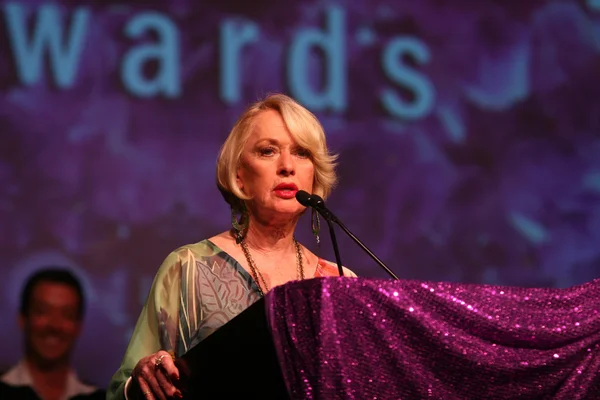
11. Tippi Hedren
Tippi Hedren’s experience stands apart because the reputation damage around her was tied to power imbalance as much as personality. After refusing Alfred Hitchcock’s advances, her career narrowed under the pressure of his control and influence. Her account later helped illuminate how “difficult” could function as a label imposed on women who resisted exploitation. In that sense, her story did more than endanger a role. It exposed an older system for limiting one.
Across these careers, the details differ, but the pattern is familiar: once an actress becomes associated with conflict, controversy, or perceived unpredictability, the label can become part of the casting conversation. Sometimes it comes from public statements. Sometimes it comes from private workplace dynamics made public later. And sometimes the reputation itself becomes the story Hollywood remembers, long after the role is gone.

