
In Hollywood, an arrest can become more than a legal problem. It can disrupt a franchise plan, force a rewrite, stall production, or make a network decide that a familiar face has become too risky to keep on screen.
That pattern is tied to a long industry practice built around morality clauses in talent contracts, which are designed to let studios and producers distance a project from controversy. The fallout is not always limited to one role, either. In many cases, a single arrest changed casting decisions, franchise planning, and the public life of an entire show.
1. Jonathan Majors
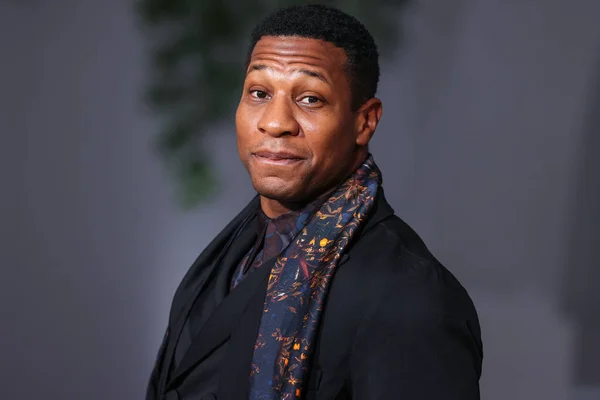
Jonathan Majors’ arrest in 2023 quickly became one of the clearest modern examples of how much a studio can have riding on one performer. He had been positioned as Kang the Conqueror, a central villain in Marvel’s long-range storytelling plans, before the company moved on from him after his conviction on misdemeanor assault and force charges. The effect reached beyond one casting change. A major franchise had to reconsider its roadmap, and his removal from “Magazine Dreams” underscored how one legal case can alter both blockbuster and prestige projects at the same time.
2. Justin Roiland
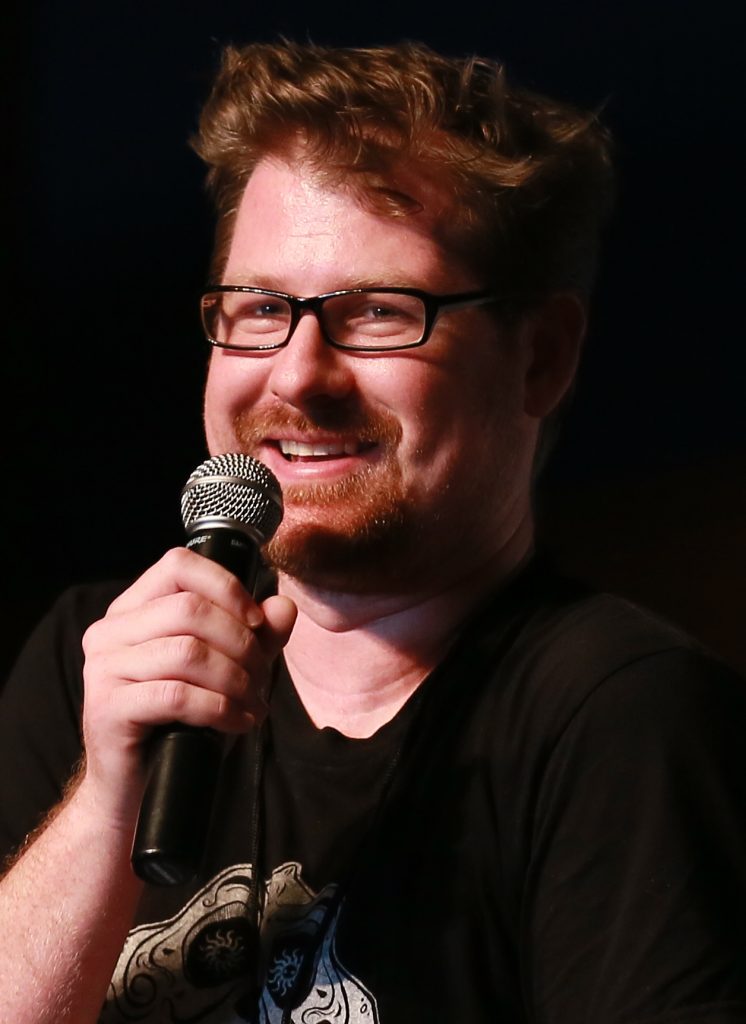
Justin Roiland’s split from “Rick and Morty” showed how quickly a hit series can separate itself from a co-creator once legal trouble becomes part of the public conversation. Adult Swim cut ties with him after news surfaced of his earlier arrest and felony domestic violence-related charges, even though those charges were later dismissed. The series kept going, but one of its most recognizable creative signatures had to be rebuilt. Voice roles were recast, and the change also spilled into his other business relationships, including his game studio and Hulu projects.
3. Charlie Sheen
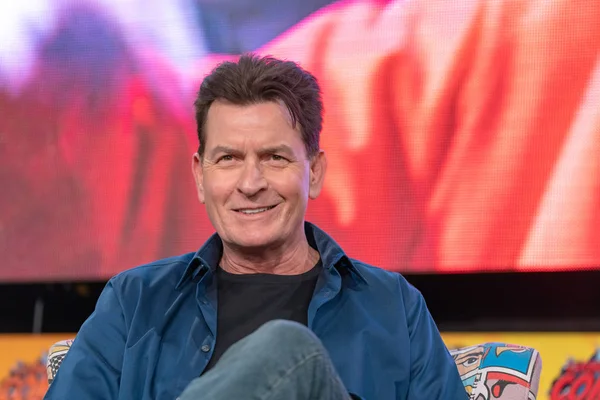
Charlie Sheen’s exit from “Two and a Half Men” became one of television’s defining examples of a star becoming larger than the show for the wrong reasons. His legal issues, combined with public outbursts and conflict with the studio, ended his run despite his enormous value to the series. His firing highlighted a basic entertainment-industry reality: once a lead actor is seen as jeopardizing production stability, even a ratings powerhouse can be replaced. The series continued with Ashton Kutcher, proving that networks often choose continuity over chaos.
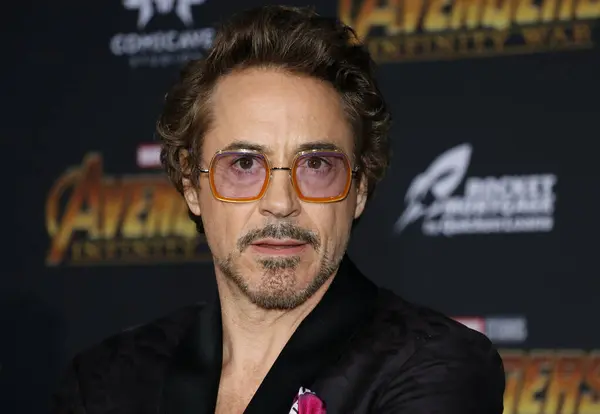
4. Robert Downey Jr.
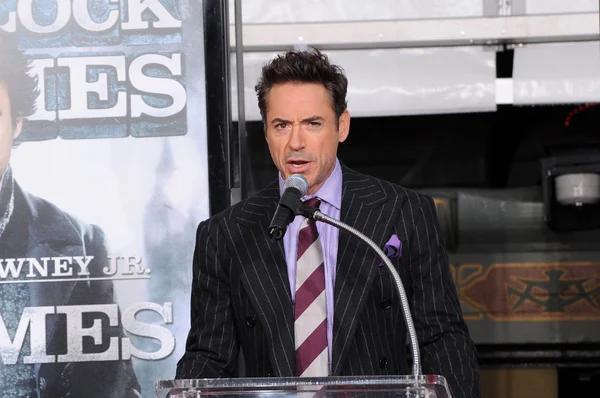
Before his comeback years, Robert Downey Jr. experienced the harsher side of Hollywood’s risk calculations. His 2001 arrest during a period of repeated legal and substance-related problems led to his dismissal from “Ally McBeal,” despite the acclaim he had received for the role. His case remains notable because it showed that talent alone does not insulate an actor from removal. Insurance concerns, scheduling uncertainty, and reputation damage can outweigh strong reviews when a production decides whether it can keep moving forward.
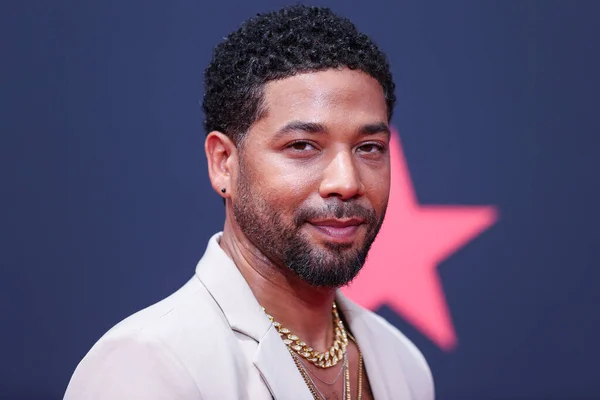
5. Jussie Smollett
Jussie Smollett’s removal from the final stretch of “Empire” illustrated how a show can back away from a central cast member when controversy begins to dominate the public narrative around the production. After his arrest for allegedly staging a hate crime and filing a false police report, the series ultimately moved ahead without him. The fallout was especially significant because “Empire” had helped define his career. Once the case overshadowed the role, the character’s place in the show became secondary to the reputational burden surrounding the series itself.
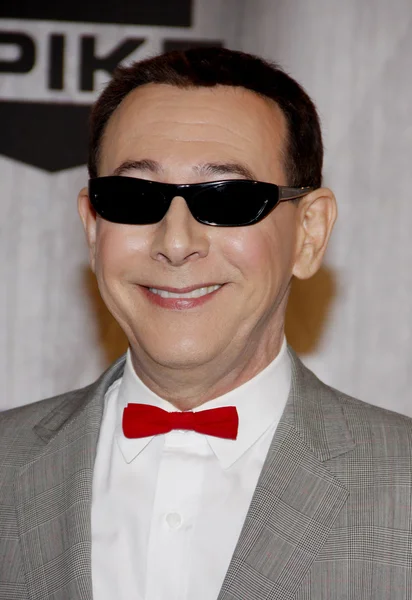
6. Paul Reubens
Paul Reubens was not simply dropped from one active role after his 1991 arrest. The response hit an entire brand ecosystem built around Pee-wee Herman. Reruns of “Pee-wee’s Playhouse” were pulled, and merchandise disappeared from shelves, showing how family entertainment is often especially sensitive to scandal. That kind of chain reaction reflects the broader purpose of the morals clause’s role in entertainment culture. The issue is rarely limited to one contract when a public persona is central to an entire business strategy.
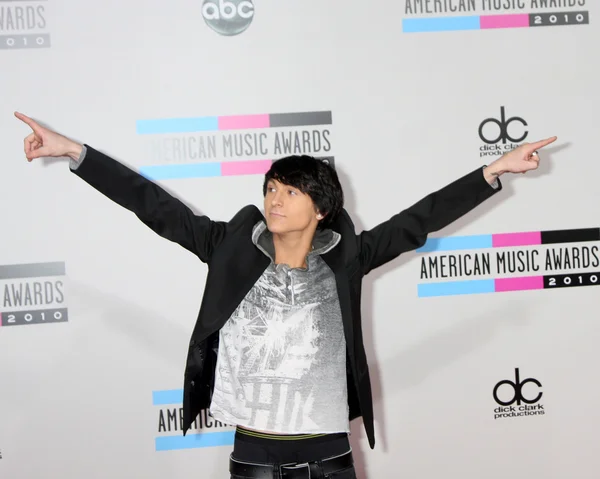
7. Mitchel Musso
Mitchel Musso’s 2011 DUI arrest arrived while he was still associated with Disney’s carefully managed teen-star image. After the incident, Disney wrote his character out of “Pair of Kings” and removed him from hosting duties on “PrankStars.” His case stood out because it showed how tightly family-focused brands protect their image. In that corner of the industry, the mismatch between a public-friendly persona and an arrest can be enough to trigger fast recasting and programming changes.
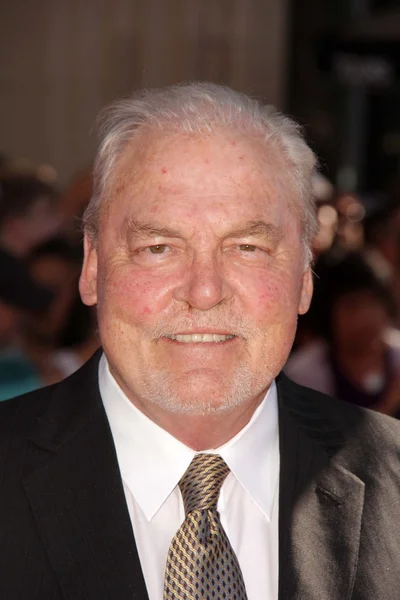
8. Stacy Keach
Stacy Keach’s 1984 arrest at Heathrow Airport for cocaine smuggling did more than create bad publicity. It interrupted “Mickey Spillane’s Mike Hammer” so severely that the series went into hiatus and never recovered in its original form. This is where the business side becomes impossible to ignore. As legal experts have noted, producers often build contracts around the risk that scandal can scare off distributors, investors, or audiences, especially when a lead’s controversy might harm the project. Keach’s case showed that a production can be derailed even when the show itself had been performing well.
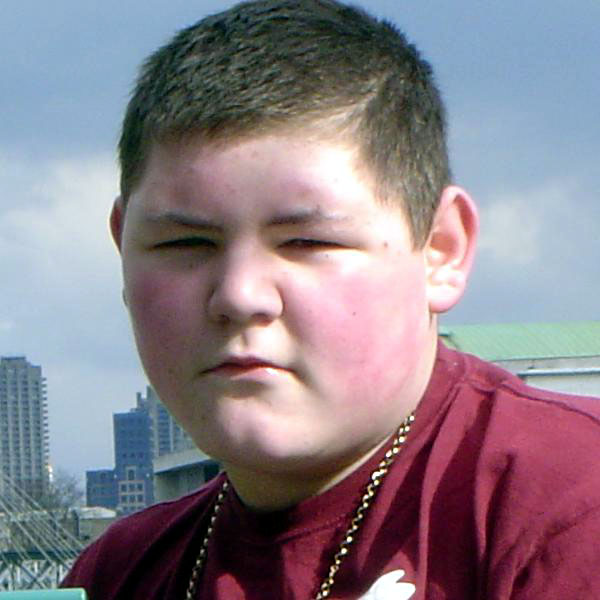
9. Jamie Waylett
Jamie Waylett’s legal troubles cost him a place in the closing chapter of one of film’s biggest franchises. After arrests connected to marijuana cultivation and later the London riots, he was removed from the final “Harry Potter” films, and parts tied to his character were cut or reassigned. For a supporting actor, that kind of loss can be especially lasting. Missing the ending of a global franchise does not just mean losing scenes; it means losing the visibility and momentum that often come with being part of a cultural finale.
These cases point to the same larger pattern: in entertainment, an arrest can trigger consequences that extend far beyond a courtroom. Productions are built on schedules, financing, audience trust, and the assumption that a lead or featured actor will remain usable from start to finish. That is why the fallout can feel immediate and permanent. A role may be recast, a series may change direction, and a franchise may never return to its original plan.

