
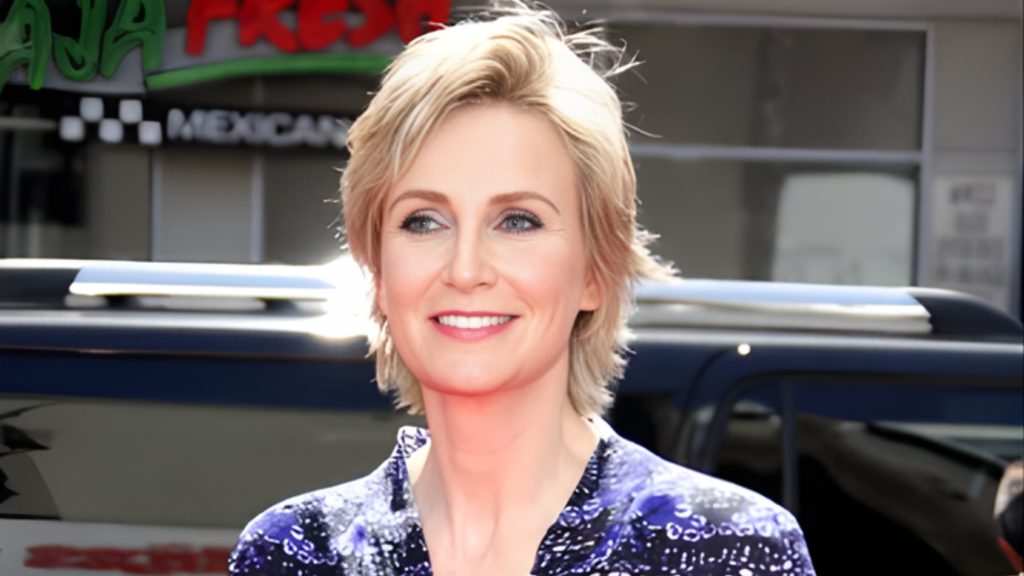
Funny people tend to get called effortless right after they have spent years making the work look that way. In queer comedy, that gap between ease and craft is part of the story. The names below are not just famous for being funny.
They changed the shape of what mainstream audiences laugh at, whether through deadpan confession, sketch chaos, character work, or the kind of stand-up that turns identity into structure instead of side commentary. The result is a broader map of comedy, with room for older legends, streaming-era disruptors, and performers who helped make queer humor feel less like a niche and more like the main event.
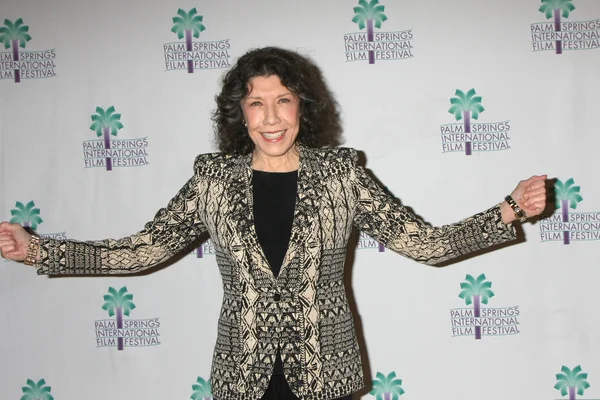
1. Lily Tomlin
Lily Tomlin helped define modern character comedy long before representation became a standard industry talking point. Her breakthrough on Laugh-In showed how elastic a comic persona could be, and films like 9 to 5 proved that sharp social observation could sit comfortably inside crowd-pleasing comedy. What keeps Tomlin central is range. Grace and Frankie, one of the funniest queer-inclusive TV comedies, introduced her to newer viewers without turning her into a nostalgia act. Her comedy has always worked on two tracks at once: broad enough for a huge audience, precise enough to feel privately observed.
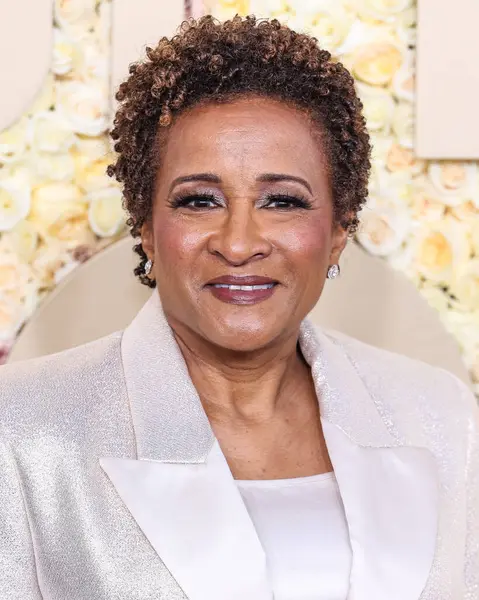
2. Wanda Sykes
Wanda Sykes built a style that sounds casual until the joke lands with surgical accuracy. Her Emmy-winning writing on The Chris Rock Show, her own sitcom work, and later turns in Curb Your Enthusiasm and The Upshaws established her as one of the few comics who can move between stand-up, writing, and ensemble acting without losing her voice. That voice matters because it never asks permission. The persona is brisk, irritated, and exacting, but the larger achievement is how naturally she brought queer perspective into mainstream comedy without flattening it into a lesson.
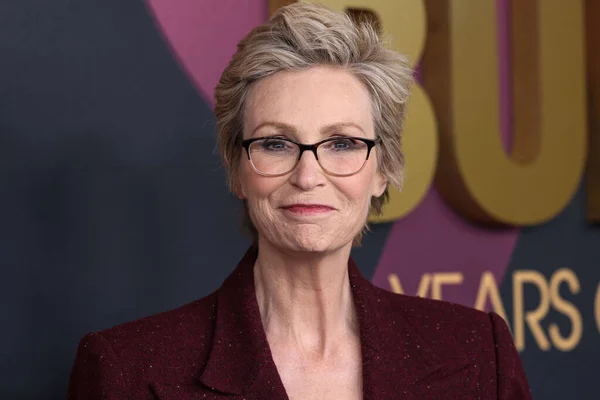
3. Jane Lynch
Jane Lynch specializes in authority figures who are just one perfect line reading away from absurdity. Before Glee made Sue Sylvester unavoidable, she sharpened that instrument in Christopher Guest’s improvisational worlds, where restraint and ridiculousness had to coexist. Her comedy is built on control. Even when a scene is spiraling, Lynch tends to sound like the only person who believes it still makes sense, and that tension is the joke. It is why game-show hosting, voice acting, and mockumentary ensemble work all fit her so well.
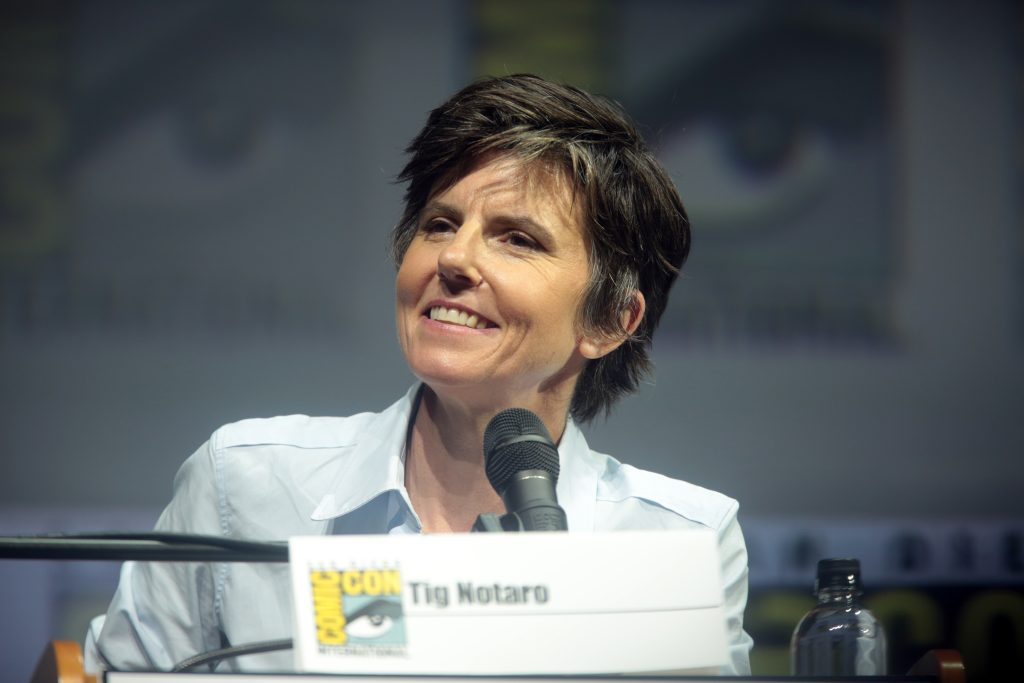
4. Tig Notaro
Tig Notaro changed the temperature of stand-up. Her delivery is famously dry, but the deeper innovation is structural: she made silence, understatement, and emotional risk part of the machinery of the joke. Her set later released as Live remains widely cited as a landmark in contemporary stand-up. That influence stretches beyond the stage. One Mississippi and later screen roles showed the same instinct for making difficult material playable without forcing sentiment. In Notaro’s work, humor does not erase pain; it reorganizes it.
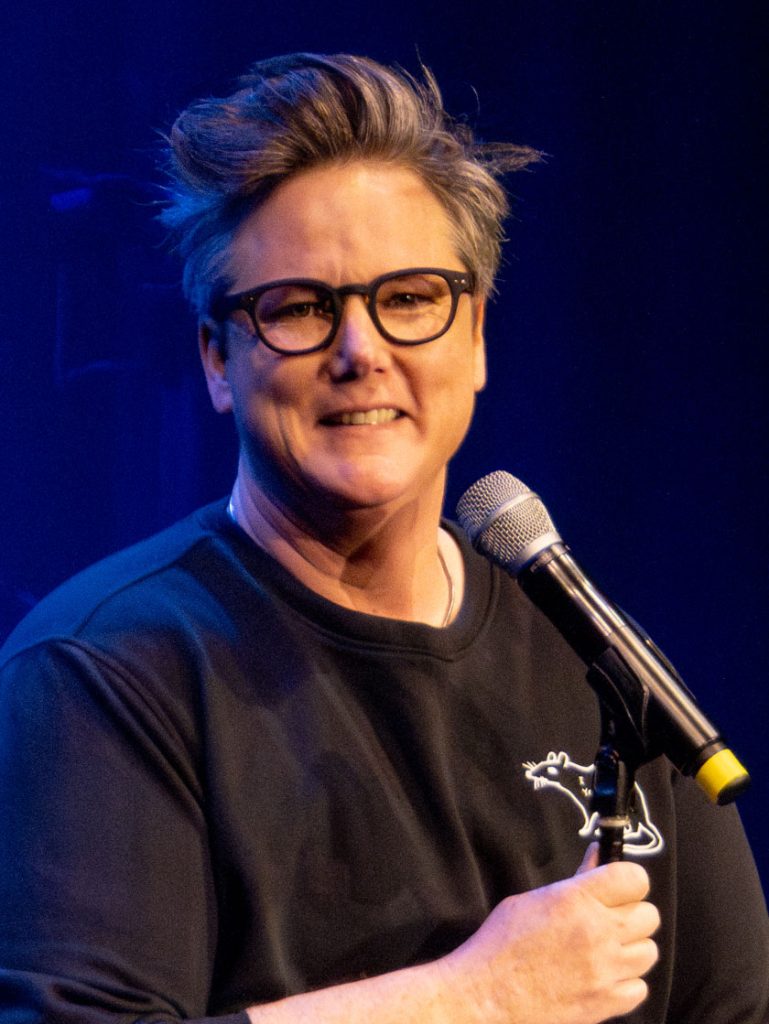
5. Hannah Gadsby
Hannah Gadsby did not simply become famous with Nanette; they shifted the public argument about what comedy is allowed to do. The special challenged the release-valve logic of stand-up and turned the set itself into a critique of performance, audience expectation, and self-erasure. That background in art history was never incidental. Even earlier profiles noted Hannah Gadsby’s art-based comedy lectures as part of a style that was more intellectual than conventional club work. Later specials confirmed that the appeal was not rebellion for its own sake, but a different comic architecture.
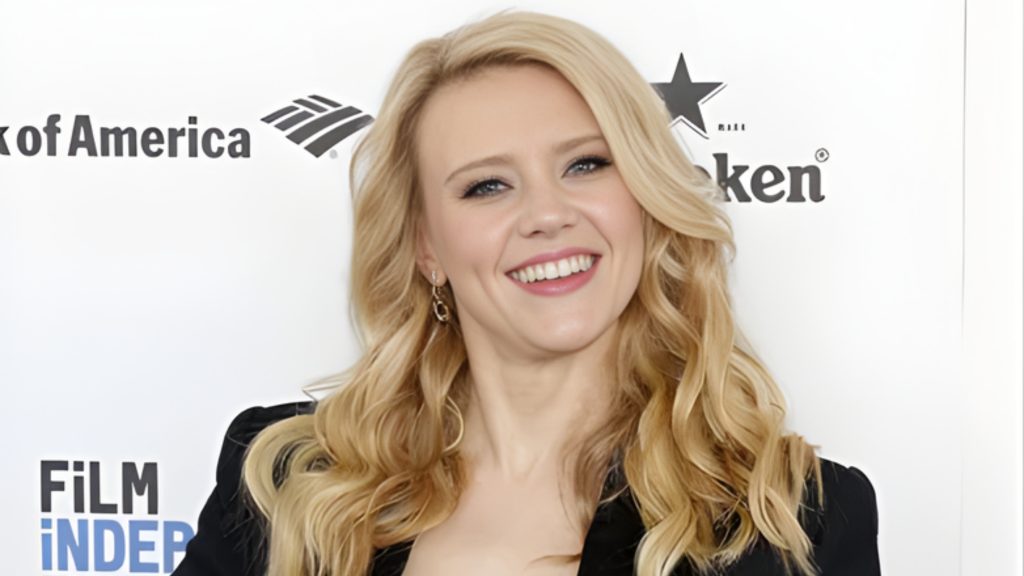
6. Kate McKinnon
Kate McKinnon became the rare sketch performer whose commitment could make a familiar format feel unstable again. On Saturday Night Live, she brought strange angles, physical fearlessness, and a willingness to make impressions feel less like mimicry than possession. That is why her performances linger after the references age out. A McKinnon sketch often works even when the audience barely remembers the public figure being impersonated, because the engine is not topicality alone. It is escalation, rhythm, and total commitment to the bit.
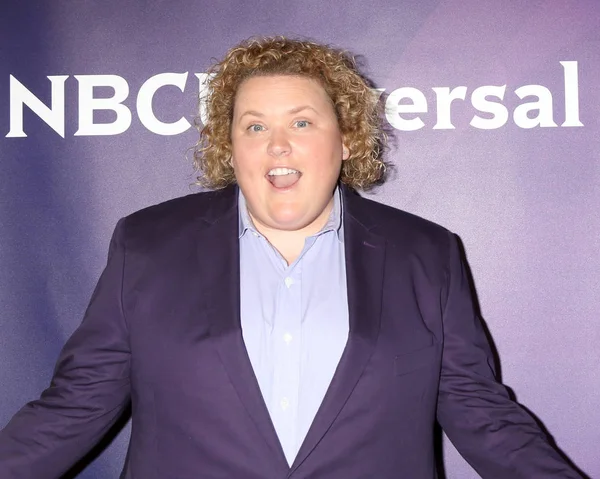
7. Fortune Feimster
Fortune Feimster has a warmer comic frequency than many of her peers, but warmth should not be confused with softness. Her stand-up leans on storytelling, timing, and a disarming sense of self that lets her build highly specific anecdotes into broad audience laughs. She also represents a newer kind of comedy career, one spread across specials, sitcoms, podcasts, and streaming shows. That mixed platform presence mirrors the way queer comedy now travels: not from one gatekeeper to the public, but across many rooms at once.
8. Lea DeLaria
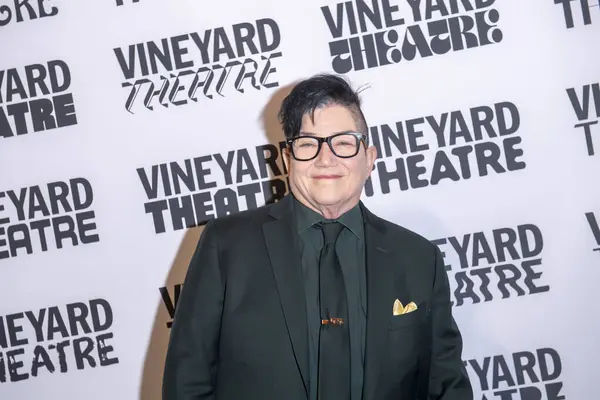
Lea DeLaria occupies a crucial place in comedy history because visibility and punchline were never separate in her work. She was making waves as a stand-up comic before Big Boo made her familiar to streaming audiences, and her 1993 appearance on The Arsenio Hall Show still stands as a milestone for openly gay comics on late night television. Her style is brassy, musical, and deliberately unvarnished. In a culture that often rewarded queer performers for softening themselves, DeLaria’s refusal to do that became part of the breakthrough.
9. Stephanie Beatriz
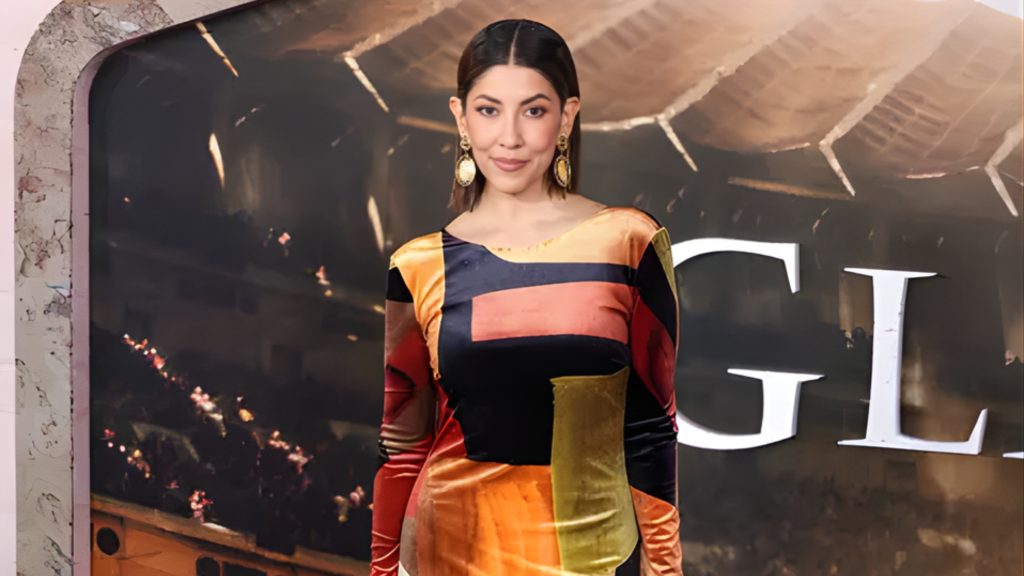
Stephanie Beatriz turned Rosa Diaz on Brooklyn Nine-Nine into one of television’s most memorable low-key comic inventions. The performance depended on restraint, tiny reactions, and a voice so controlled it became its own running joke. What made the role more significant was how the series folded physicality into comedy without reducing it to a target. Critics of queer TV comedy have pointed to Rosa’s arc as a moving and hilarious coming-out story, which helps explain why the character still resonates.
10. Ayo Edebiri
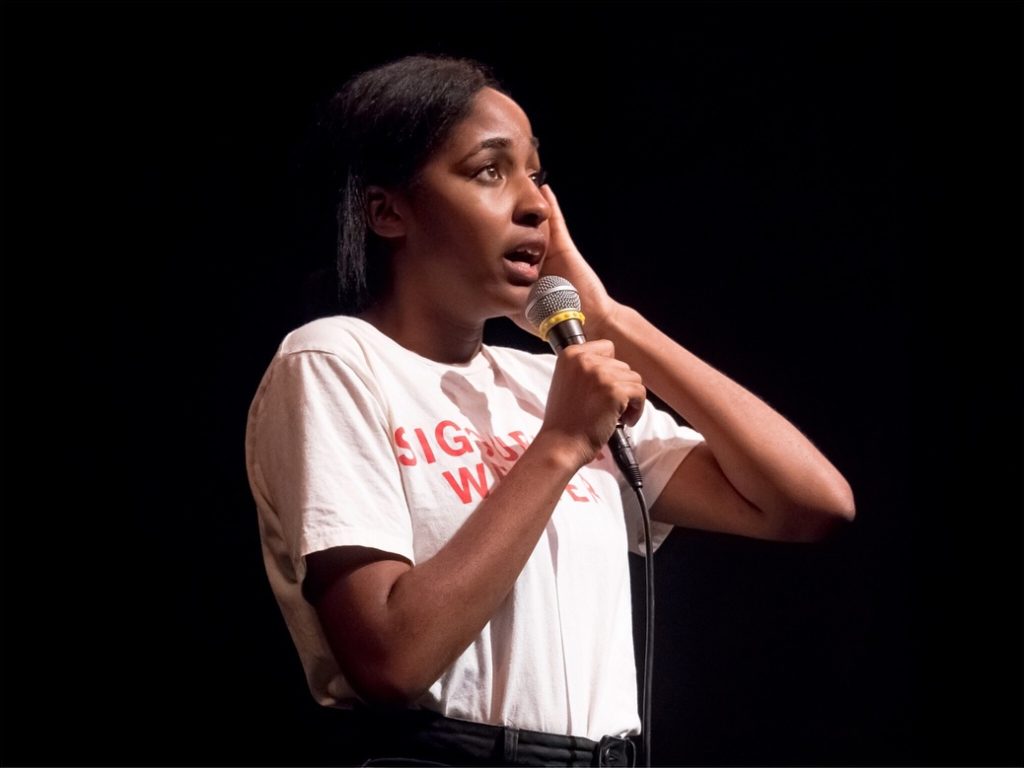
Ayo Edebiri belongs to the newest generation on this list, but the speed of her rise reflects more than momentum. She has writing credits, voice work, scene-stealing film roles, and an Emmy-winning turn on The Bear, all while keeping an unmistakably contemporary comic sensibility. That sensibility is sly rather than showy. In projects like Bottoms, she brings the kind of off-center rhythm that makes a line feel newly invented.
It is a reminder that queer comedy keeps renewing itself, not by abandoning older forms, but by bending them into stranger, sharper shapes. Across all ten careers, the common thread is not one style of humor. It is permission. Permission to be weird, dry, theatrical, confrontational, tender, or gloriously hard to categorize. That may be the real legacy here. These performers did not just make audiences laugh; they expanded who gets to be funny, and what funny is allowed to look like.

