
In Hollywood, credibility rarely disappears in a single dramatic instant. It frays in public, under klieg lights and comment sections, through lawsuits, interviews, social posts, and the strange afterlife of internet narratives.
The pattern is less about one kind of downfall than about how quickly an actress’s image can be recast. For some, legal trouble changed everything. For others, a reputation for being “difficult” stuck harder than any performance. And in several cases, the damage said as much about the machinery around celebrity as it did about the women at the center of it.
1. Courtroom stories can eclipse entire careers
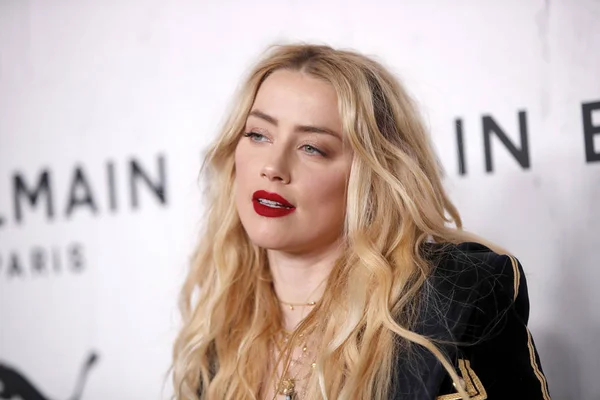
Amber Heard became a defining example of how a public legal fight can swallow a film career whole. Her dispute with Johnny Depp did not remain a private matter or even a standard celebrity lawsuit. It evolved into a sprawling online spectacle, amplified by memes, fan communities, and an ecosystem built to turn testimony into entertainment.
Later reporting examined how around half of a million pro-Depp tweets were bot generated in one major analysis cited during broader scrutiny of online narrative-shaping. That context matters because it helps explain why a credibility collapse can feel organic even when digital amplification is involved. Heard’s acting résumé did not vanish, but public discussion around her became so dominated by the trial that her screen work struggled to compete.
2. Fraud cases leave a stain that talent cannot quickly outrun
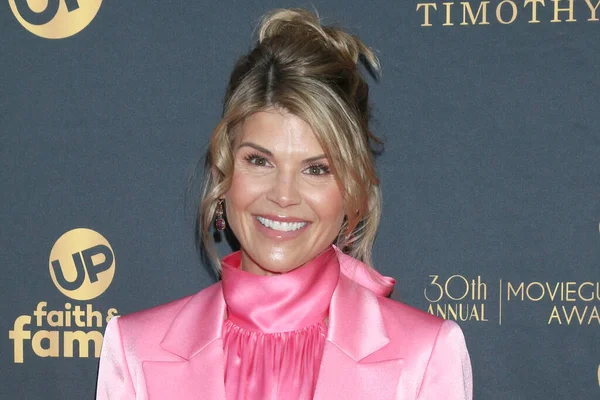
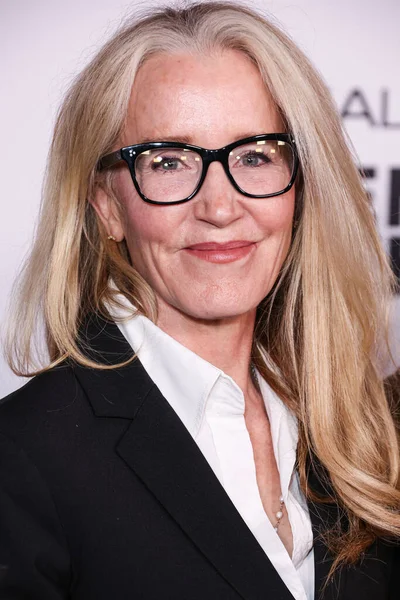
Felicity Huffman and Lori Loughlin entered the same reputational storm through the college admissions scandal, and both became shorthand for privilege misused. Their prior careers had been built on reliability and mainstream appeal, yet the scandal rewrote that image almost overnight.
What made the fallout enduring was not only the legal outcome. It was the contrast. Viewers had known both women through polished, familiar roles, and the scandal punctured that trust in a way that was easy for the public to remember and hard for either actress to outgrow. Return projects may reopen doors, but the association remains one of Hollywood’s clearest examples of how off-screen conduct can permanently alter professional standing.
3. “Difficult” can become a career-long label
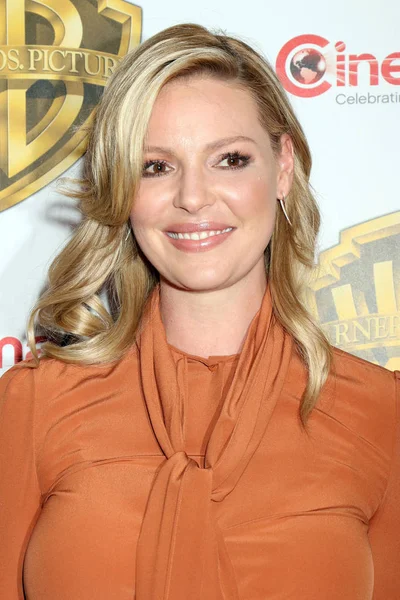
Katherine Heigl, Sean Young, and Shannen Doherty all illustrate a recurring Hollywood phenomenon: once an actress is tagged as hard to work with, the label can become more powerful than the work itself. Heigl’s criticism of projects and writing was read by many insiders as ingratitude.
Young’s clashes with directors became part of her legend. Doherty spent years shadowed by stories of on-set tension. Whether every account was fair ceased to matter once the reputation hardened. In an industry where casting often runs on comfort and predictability, that kind of branding can quietly narrow opportunities for decades.
4. Social media has made impulsive moments feel permanent
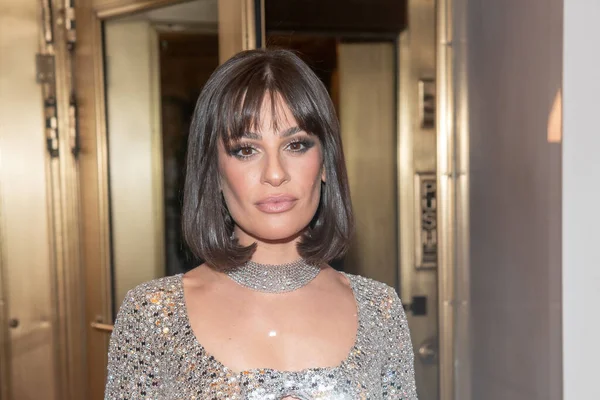
Lea Michele, Constance Wu, and Gina Carano each faced backlash shaped by the speed and permanence of online reaction. In older Hollywood eras, a tense interview or unflattering rumor might fade. Now screenshots travel farther than apologies. Michele’s image was deeply affected after Samantha Ware described her experience publicly, prompting wider allegations about workplace behavior. Wu’s frustrated reaction to her sitcom renewal was interpreted as disdain before fuller context caught up. Carano’s posts led to a high-profile professional split.
The mechanism was similar in each case: a digital flashpoint hardened into identity. That shift reflects a broader culture in which, as one professor told Temple News, “If you cancel [celebrities], there’s no application to what they’ve learned.” Public accountability may be real, but so is the tendency for the internet to reduce a complicated person to one viral impression.
5. Personal turmoil often gets recast as professional unreliability
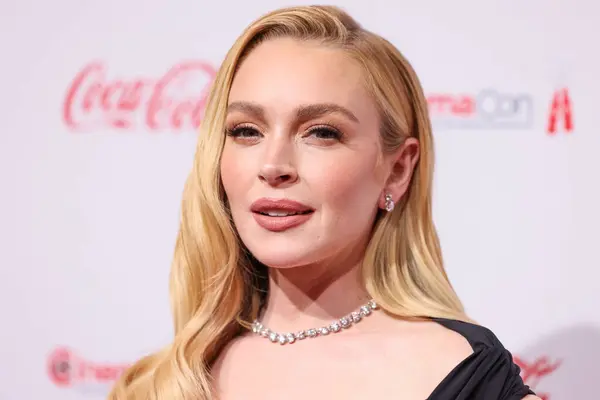
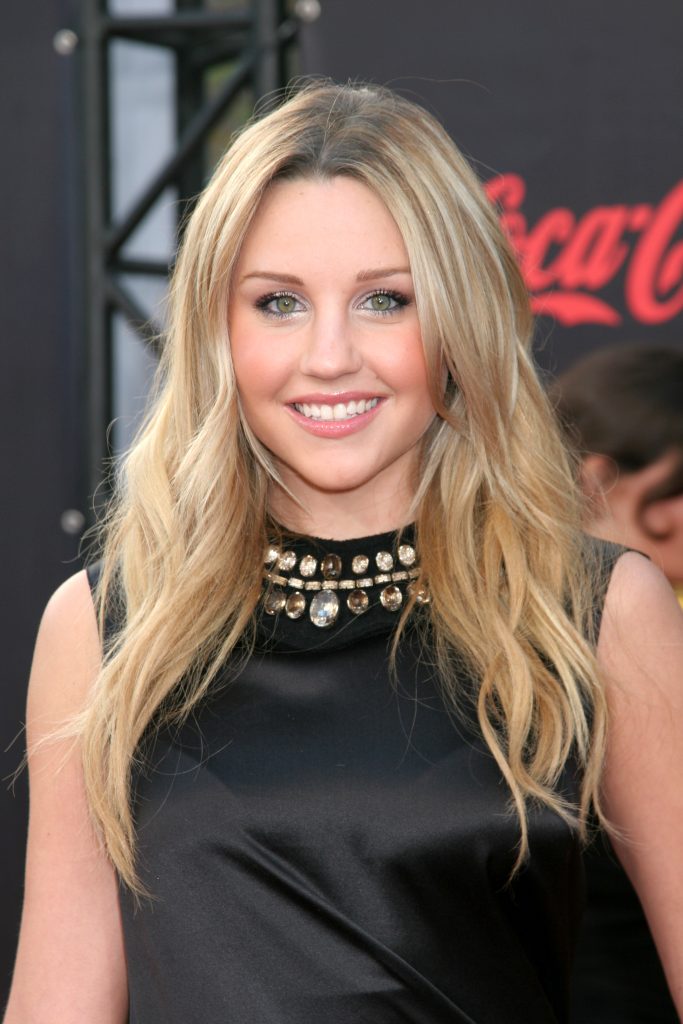
Lindsay Lohan, Amanda Bynes, Heather Locklear, and Mischa Barton were discussed for years less as performers than as cautionary symbols of instability. Arrests, treatment stays, paparazzi cycles, and tabloid framing became the dominant storyline.
This category is especially revealing because the industry often treats visible struggle as risk. Once that happens, every delay, absence, or erratic public appearance feeds the idea that the actress is no longer dependable. Their filmography remains, but it competes with a cultural memory built around crisis rather than craft.
6. Some actresses were harmed by narratives that later looked deeply unfair
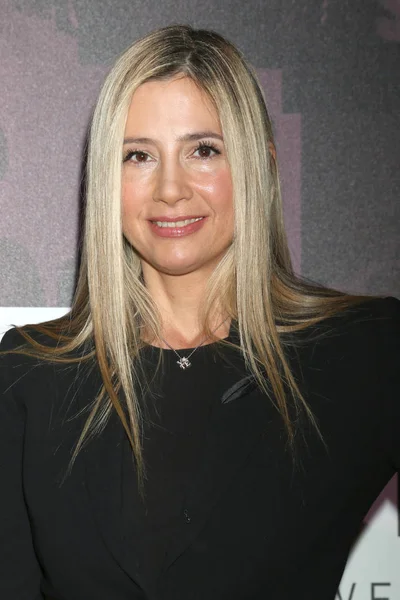
Not every credibility loss came from misconduct. Mira Sorvino is one of the clearest reminders that a stalled career can reflect power abuse rather than personal failure. Her momentum faded for reasons that later appeared tied to retaliation, not a lack of talent.
That pattern has been revisited repeatedly in later conversations about women in the industry, including renewed discussion that Sorvino was blacklisted after rejecting unwanted advances. Once a false or manipulated reputation takes hold, correction comes slowly. Sometimes it comes too late to restore the career arc that was interrupted.
7. Oversharing can become its own reputational trap
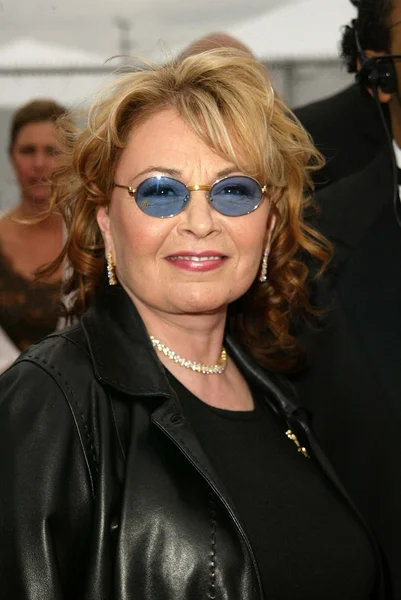
Jada Pinkett Smith and Roseanne Barr demonstrate different versions of the same problem: when the public starts associating a celebrity more with commentary than performance, the work can slip into the background. In Pinkett Smith’s case, close disclosures and repated public discussion of private life shifted attention away from acting and producing.
With Barr, inflammatory public speech had more immediate consequences, including professional severance from a major hit. Once audiences begin to anticipate the next controversy more than the next role, credibility changes shape.
8. Reinvention does not always preserve acting authority
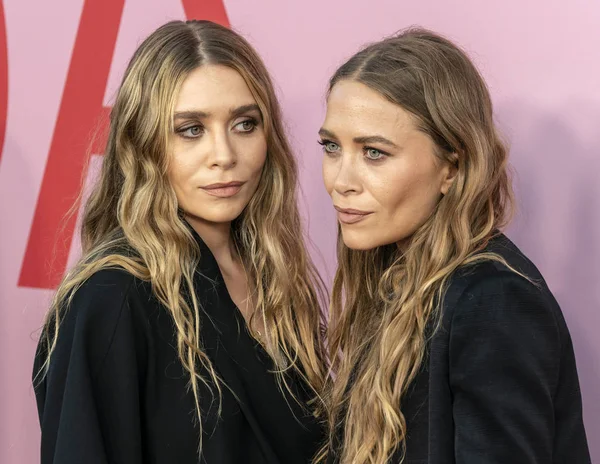
Some women did not disappear from public life at all. They simply moved into lanes that changed how they were perceived. Tori Spelling’s reality-TV identity overtook her scripted résumé. Mary-Kate and Ashley Olsen became fashion powerhouses, but their acting credibility became a relic of an earlier era. Stacey Dash’s shift into punditry similarly transformed her public identity.
This kind of career pivot is not a failure. It is a reputational migration. But it does show how easily Hollywood status can become detached from acting once another persona becomes more marketable, more controversial, or simply more constant.
9. The internet now helps decide whose mistakes become legacy
The modern celebrity ecosystem is not just gossip. It is a full-scale reputation engine shaped by influencers, fan armies, legal filings, and professional image managers. According to a GQ examination of the business, paying influencers has become part of the crisis playbook in some corners of the industry. That means a star’s image is no longer formed only by interviews, premieres, and reviews.
It is formed by whatever spreads fastest. That helps explain why credibility now feels unusually brittle, especially for women. Temple News pointed to a June 2022 Pew Research Center survey noting that 45% of people believe cancel culture unjustly punishes people. The statistic does not erase wrongdoing, but it underscores a wider anxiety about punishment becoming disproportional, selective, and permanent.
Across these careers, the common thread is not simply scandal. It is how public identity gets rewritten when personal conflict, media framing, and digital culture converge. In that environment, an actress can lose credibility through crime, through conflict, through one badly judged post, or through a narrative she never fully controlled in the first place. That is what makes the modern version of Hollywood reputation feel less like a rise and fall story and more like a long, unstable negotiation with the crowd.

