
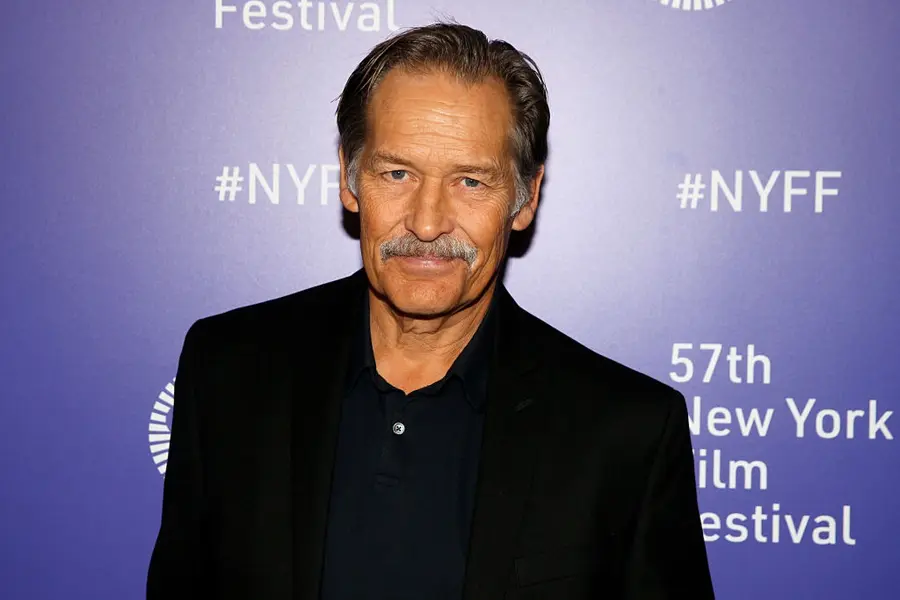
Movie sets are built to look controlled, but some of Hollywood’s most memorable casting changes came from productions that abruptly lost an actor after cameras had already rolled. In those cases, the fallout rarely stayed behind the scenes. Roles were recast, scenes were redone, and in a few instances, fragments of the original performance still lingered in the finished film.
The pattern is less about a single kind of meltdown than about pressure colliding with performance, logistics, personality, and creative fit. These six departures stand out because the actor did not simply leave a project before filming began; the production had to keep moving without them.
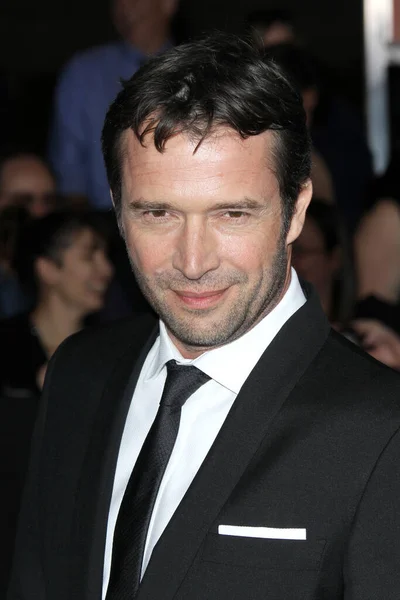
1. James Purefoy and the hidden-face problem in V for Vendetta
James Purefoy was the first actor cast to play V, but the role created an unusual problem: the character’s mask never really comes off. After about six weeks of filming, he exited the production, with the mask reportedly becoming a major source of frustration because it limited how much facial acting could come through on screen.
The replacement changed the film’s final identity. Hugo Weaving took over the role, but the transition was not a total reset, since some of Purefoy’s physical work reportedly remained part of the finished performance. It remains one of the clearest examples of a role being harder to inhabit than it looked on paper.
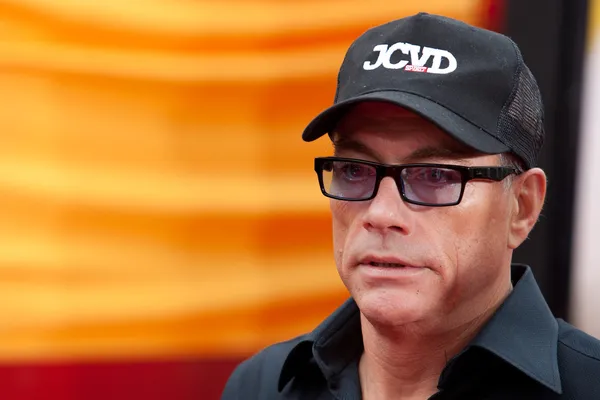
2. Jean-Claude Van Damme and the creature suit that changed Predator
Before Predator became associated with Kevin Peter Hall’s towering alien design, Jean-Claude Van Damme was inside an earlier version of the creature. His account described an outfit so restrictive that his feet were in the creature’s calves on stilts, with cables attached to help move the head and jaws. That setup did not align with what he expected from the job.

The role was more about surviving a punishing suit than showcasing martial-arts movement, and production ultimately moved on without him. The recasting did more than swap performers; it helped push the film toward a full redesign of the alien into the larger, more imposing screen presence audiences know now.
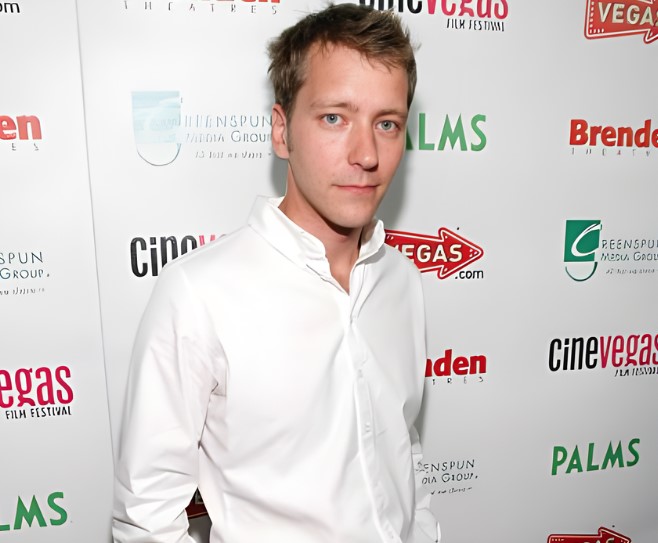
3. Kel O’Neill and the recast that reshaped There Will Be Blood
Kel O’Neill began filming as Eli Sunday before leaving the production, and the story around that departure took on a life of its own for years. One common version held that working opposite Daniel Day-Lewis proved overwhelming, but O’Neill later pushed back on that explanation.
His own description placed the issue elsewhere, saying his working relationship with Paul Thomas Anderson never settled into the comfort and rhythm that other actors seemed to find. Paul Dano then stepped into the role and re-shot the material, turning what could have been a quiet production hiccup into one of the film’s defining performance pivots.
4. aand the argument that ended The Lords of Flatbush
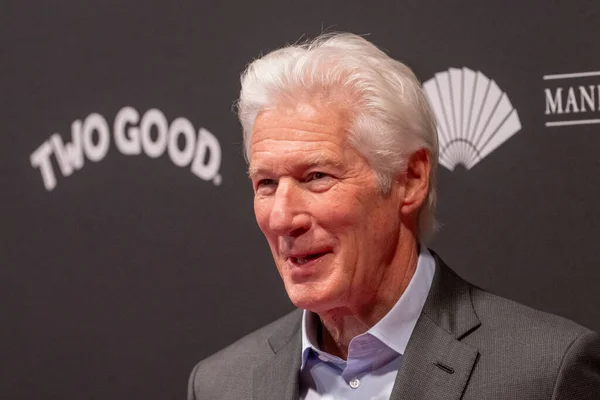
Long before both actors became major stars, Richard Gere and Sylvester Stallone were sharing the set of The Lords of Flatbush. It did not last. Accounts of the clash have circulated for decades, with one especially durable version centering on an argument over mustard that escalated into a physical confrontation.
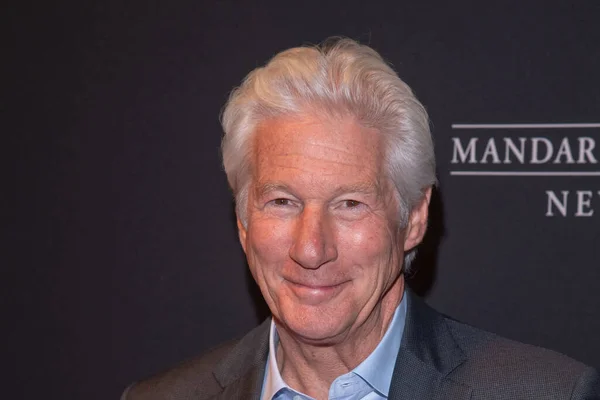
Gere was out, Perry King was in, and the production moved forward. The story has endured partly because it plays like a strange footnote from the early careers of two future leading men, but it also shows how quickly a personality conflict can become a casting decision when a set is already under way.
5. Harvey Keitel and the early collapse of Apocalypse Now
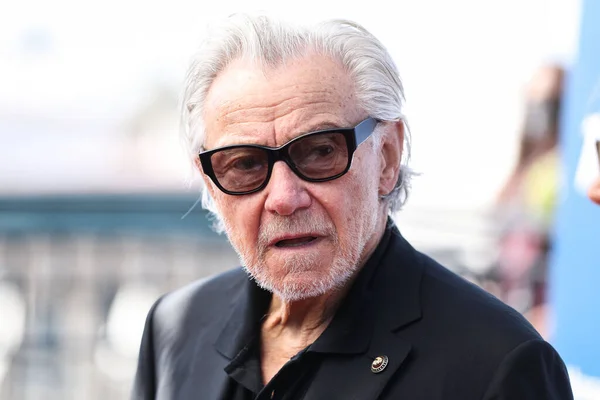
Harvey Keitel’s time as Captain Willard was brief, but it happened during one of the most famously difficult productions in modern film history. He was replaced roughly a week into filming, with Francis Ford Coppola concluding that the performance and the part were not lining up the way the movie required.
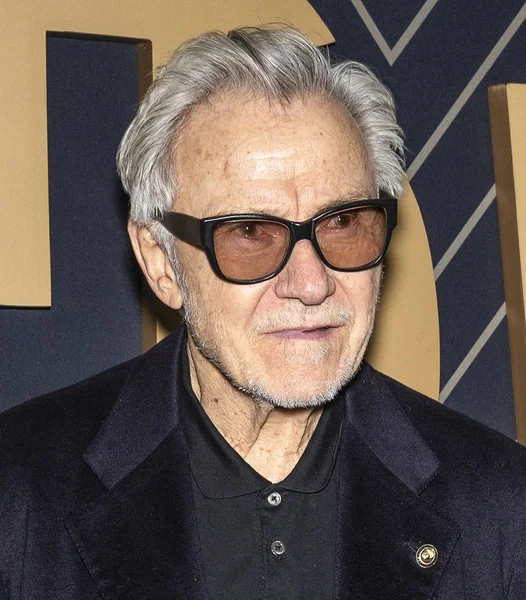
Keitel later disputed parts of the narrative around his exit, including the suggestion that jungle conditions were the issue. What remains clear is that the film had to recast its lead almost immediately, eventually turning to Martin Sheen. On a production already heading toward chaos, losing the central actor so early became one more sign that the movie was being reinvented while it was being made.

6. James Remar and the role that slipped away during Aliens
James Remar had already filmed material as Hicks before leaving Aliens, which made the replacement unusually visible. He later acknowledged that a drug-related arrest in London ended his time on the production, and Michael Biehn stepped in to take over the role.
The switch was expensive in the practical, old-school way that defined 1980s filmmaking: scenes had to be done again, schedules had to be adjusted, and yet traces of the original actor still survived. Remar’s silhouette can reportedly still be spotted in some wide shots, a reminder that when an actor leaves mid-production, the camera sometimes keeps a record even after the credits do not.
What links these departures is not spectacle but consequence. Once filming starts, a casting change is no longer just a personnel issue; it becomes part of the movie’s structure, budget, and memory. In several of these cases, the replacement became inseparable from the finished film. The actor who left became a piece of Hollywood lore, while the role itself moved on without looking back.

