
In the 2000s, Hollywood produced a very specific kind of fame: actresses who seemed to be everywhere for a few years, then gradually slipped out of the movie-star lane people expected them to dominate. They led teen comedies, horror hits, prestige dramas, and glossy TV dramas, but their careers often evolved in ways that looked less like a fall and more like a reroute.
That is part of what makes this era so memorable. Many of these performers never became permanent A-list fixtures, yet they stayed recognizable because their careers moved into television, independent films, directing, activism, and entirely different industries.
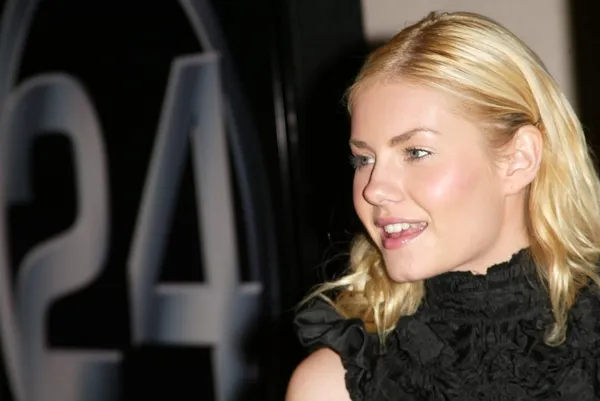
1. Elisha Cuthbert became a 2000s screen fixture, then leaned into television
Elisha Cuthbert broke through to a wide audience as Kim Bauer on 24, then reached peak early-2000s visibility with The Girl Next Door. She also appeared in Love Actually, a smaller but still memorable credit that helped place her inside that decade’s studio orbit. Instead of converting that momentum into a long run as a movie headliner, she built a steadier television résumé, including Happy Endings. The shift mattered because it showed how fast the industry was changing: a recognizable film face could remain relevant without staying on the blockbuster track.
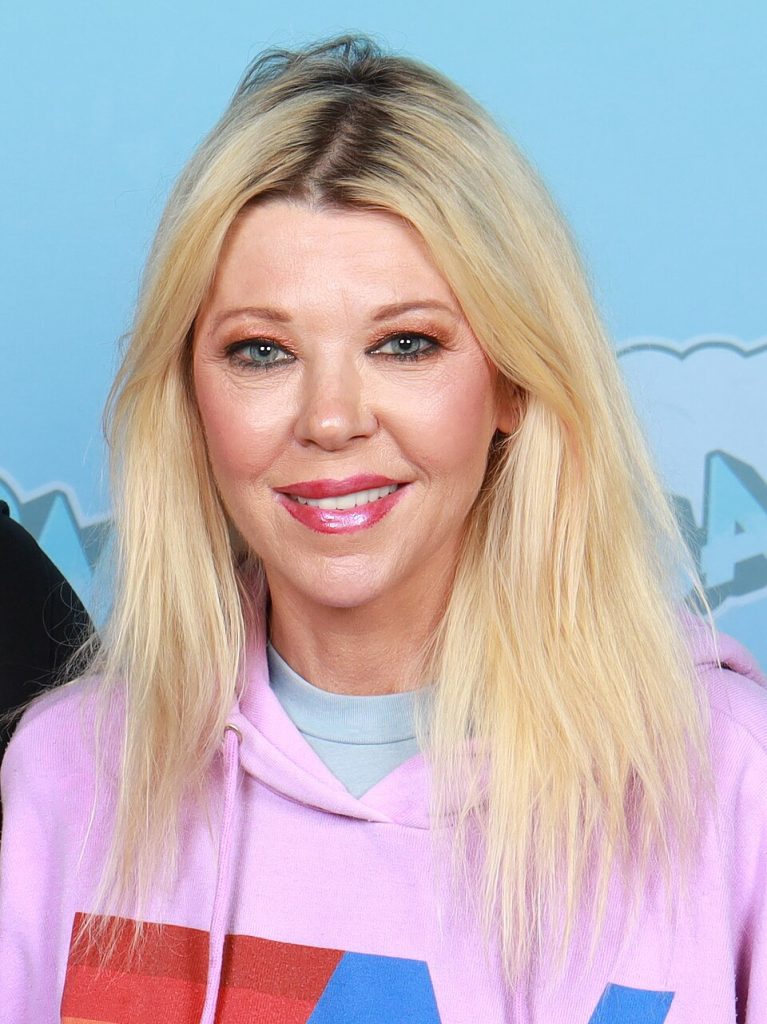
2. Tara Reid became tabloid-famous as quickly as she became movie-famous
Tara Reid’s breakthrough in American Pie made her one of the defining faces of the teen-comedy boom, and films like Van Wilder and Josie and the Pussycats kept her visible. What complicated that run was how often her off-screen coverage eclipsed the work itself. The early 2000s celebrity machine rewarded exposure, but it also flattened actresses into headlines and party photos. Reid kept working in independent projects and television, yet her career became one of the clearest examples of how public image could overpower a filmography.
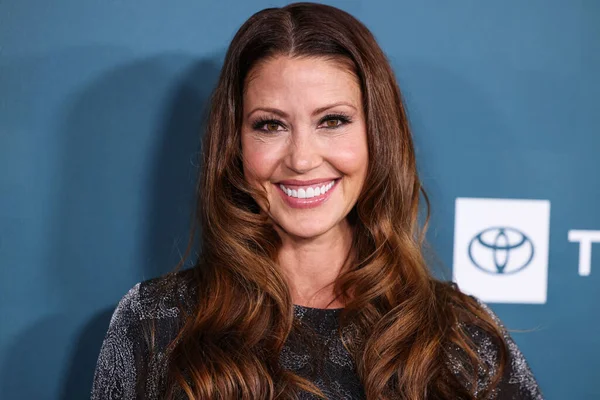
3. Shannon Elizabeth turned a breakout role into an unconventional second act
Shannon Elizabeth arrived as one of the unforgettable faces of American Pie, then followed with films such as Scary Movie and Tomcats. Instead of spending the next decade chasing the same kind of parts, she gradually moved away from mainstream Hollywood and developed another public identity through playing poker professionally and animal advocacy. That made her career less about disappearing than redirecting. For audiences who remember the era, she stayed familiar even as her center of gravity moved well outside the usual celebrity path.
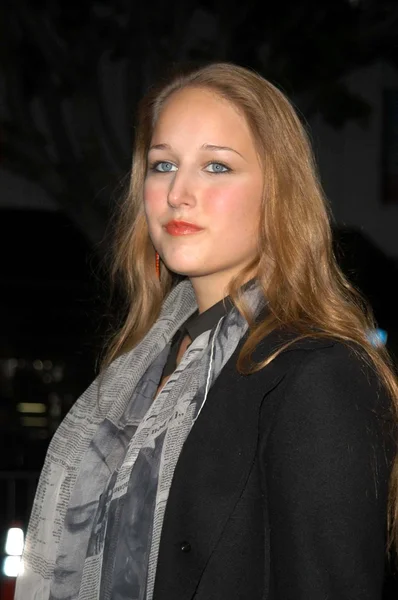
4. Leelee Sobieski stepped away when her career still looked full of promise
Leelee Sobieski stood out for a reason that still feels unusual in hindsight: she carried herself with the seriousness of a veteran actor while still very young. Performances in Deep Impact, Eyes Wide Shut, Joy Ride, and The Glass House made her look like someone headed toward a long prestige-film run. Instead, she eventually retired from acting and focused on visual art. It remains one of the more striking examples from the era because the expected trajectory was so clear, and the actual one turned away from Hollywood entirely.
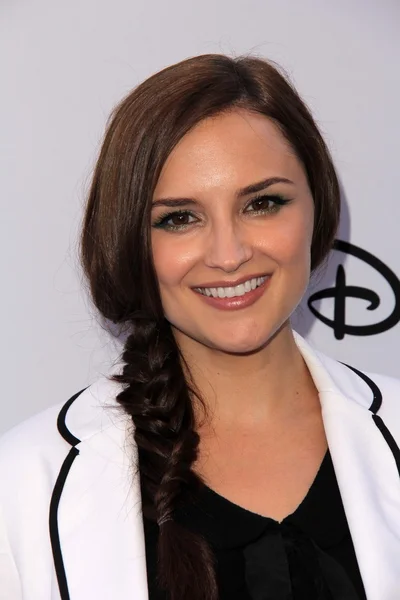
5. Rachael Leigh Cook found longevity outside the movie-star race
After She’s All That, Rachael Leigh Cook seemed positioned to become a permanent studio rom-com lead. She followed with projects like Josie and the Pussycats and Antitrust, but the larger film-star breakthrough never solidified. What replaced it was something more durable: voice work, television, and a dependable presence in made-for-TV movies. Her career holds up as a reminder that 2000s fame did not always disappear; sometimes it simply moved to formats that rewarded consistency over spectacle.

6. Mischa Barton became a fashion-era icon before the roles caught up
Mischa Barton’s fame on The O.C. was so intense that it extended beyond acting into fashion coverage, tabloid culture, and the broader celebrity economy of the mid-2000s. She was one of the faces of that moment. But the transition from hit television to lasting film stardom proved uneven, even as she continued working in independent films and reality television. Her path reflected a broader pattern from the decade: being overexposed in celebrity media was not the same as building a stable big-screen career.
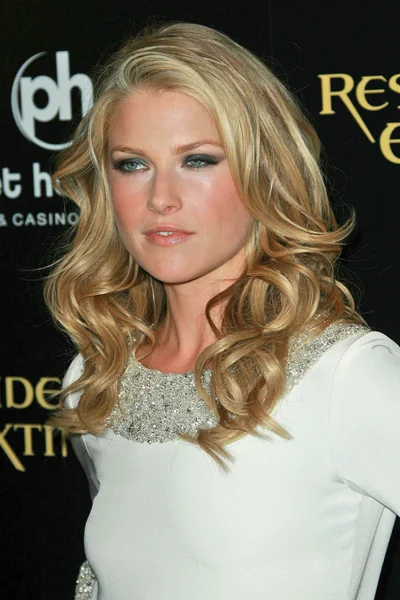
7. Ali Larter stayed visible by moving between horror, action, and television
Ali Larter built one of the more versatile mainstream careers on this list. She became closely associated with Final Destination, appeared in Legally Blonde, and later remained in the genre conversation through Resident Evil. On television, her role in Heroes extended her visibility during the early superhero-TV boom. Even without becoming a dominant dramatic film lead, she stayed part of the culture by choosing projects with loyal audiences and long afterlives.
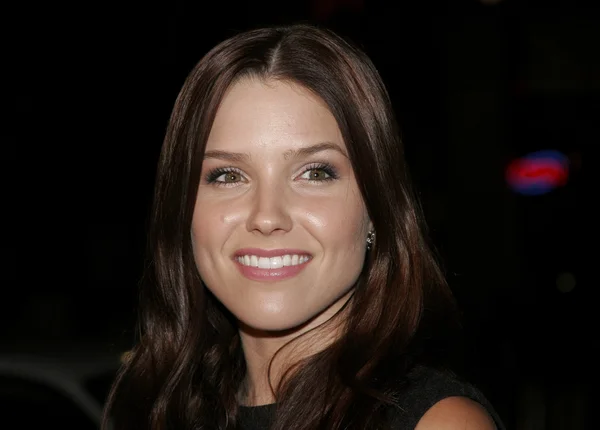
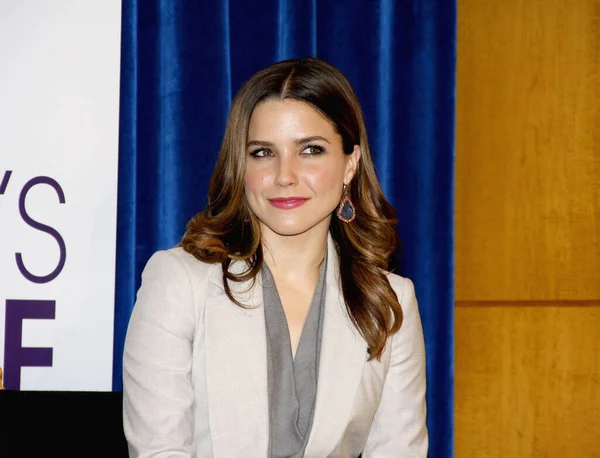
8. Sophia Bush turned teen-drama popularity into durable TV success
Sophia Bush became a major name through One Tree Hill, then tested a film lane with titles like John Tucker Must Die and The Hitcher. The A-list movie path never fully opened, but television offered something stronger: longevity, audience loyalty, and clearer lead opportunities. Her later work on Chicago P.D. showed how some 2000s actresses did not stall at all; they simply found that television offered more room for reinvention than movies did.
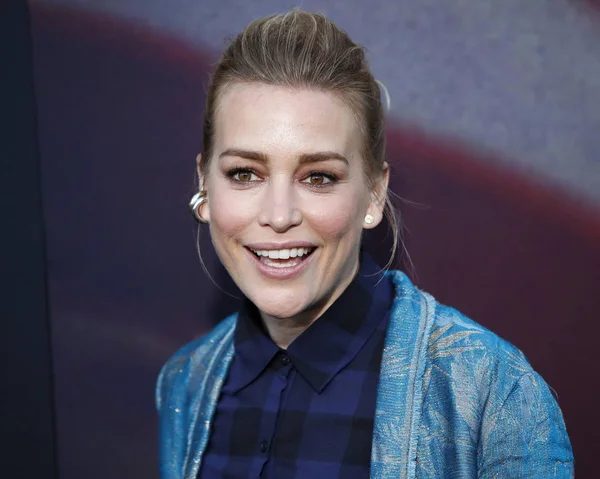
9. Piper Perabo followed an early movie peak with one of the smoother reinventions
Coyote Ugly made Piper Perabo instantly recognizable, and follow-ups like Cheaper by the Dozen kept her in wide release. But rather than forcing a blockbuster identity that never quite fit, she eventually found one of her strongest homes on TV with Covert Affairs. That move gave her a longer runway than many actresses who were tied too tightly to one breakout film. In retrospect, her career looks less like a missed leap and more like a practical adaptation to where substantial roles were actually available.

10. Dominique Swain stayed prolific even after the spotlight moved on
Dominique Swain entered the industry with serious attention after Lolita and followed it with films including Face/Off, Tart, and Alpha Dog. Her mainstream profile did not keep rising, but her output never truly stopped. According to her body of work on IMDb, she went on to appear in a very large number of later projects, often outside the studio system. That kind of career can look invisible from a distance, yet it says something important about the era: not becoming A-list did not mean stepping away from acting.
The lasting appeal of these actresses comes from how precisely they capture a transition point in entertainment. They were famous enough to define an era, but not always in the ways Hollywood traditionally rewards over decades. Some became television anchors. Some moved into directing, art, activism, or different industries altogether. For audiences who grew up with them, that may be the more interesting legacy anyway: they did not all vanish, but they stopped following the script people assumed they would.

