
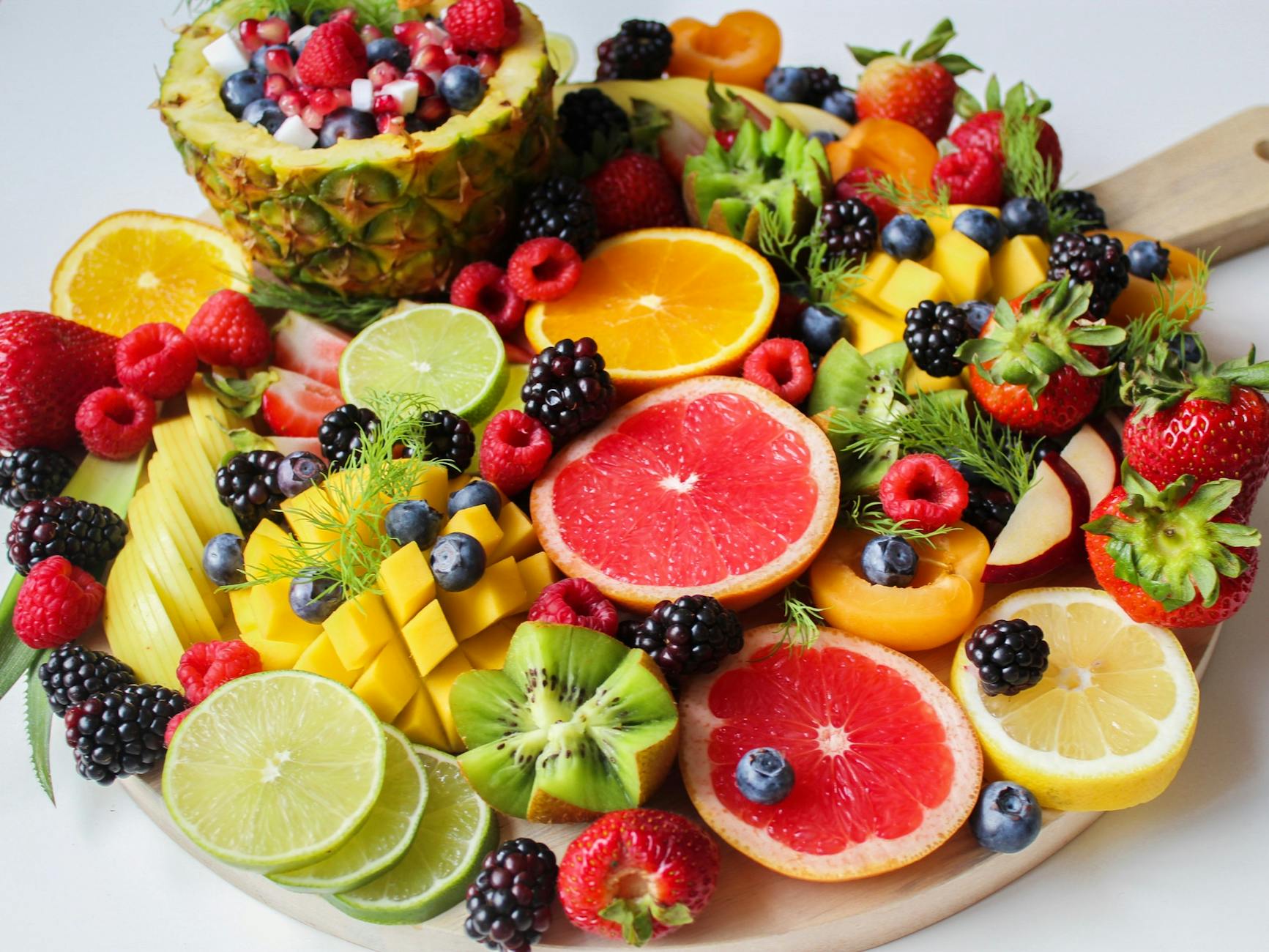
Produce remains a foundation of a healthy diet, but the latest pesticide-residue findings add a sharper question for shoppers: which fruits and vegetables tend to carry the heaviest chemical load even after washing and peeling? The 2026 Shopper’s Guide to Pesticides in Produce reviewed 54,344 USDA-tested samples of 47 produce types and found residues were still common after preparation meant to mimic what people do at home.
The bigger concern was not just how often residues showed up, but how many different chemicals appeared together. Researchers also flagged the growing presence of PFAS-linked pesticides, a category tied to “forever chemicals” because of their persistence in the environment.
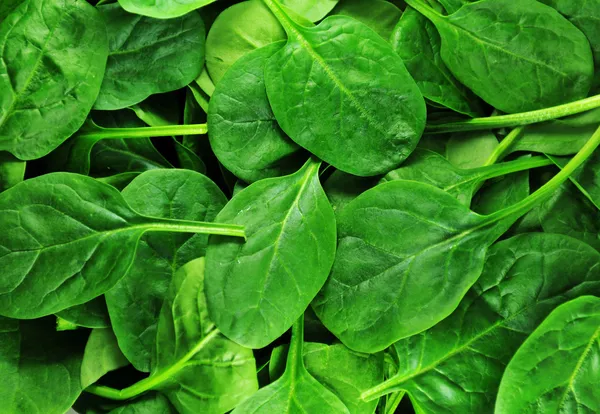
1. Spinach
Spinach led the list, with more pesticide residue by weight than any other produce type in the analysis. It also averaged four or more pesticides per sample, reflecting a pattern seen across much of the highest-residue group. Leafy greens are especially notable because they are eaten frequently, often raw, and are commonly served to children.
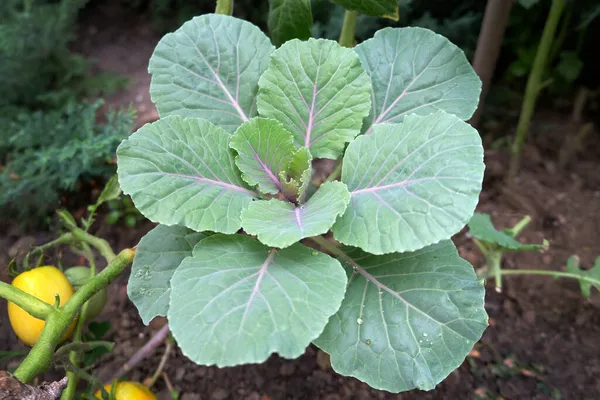
2. Kale, collard and mustard greens
This greens category ranked just behind spinach in the 2026 guide. The repeated appearance of leafy vegetables near the top of these lists matters because residues can cling to textured leaves and layered surfaces even after rinsing. Removing outer leaves and washing each leaf carefully can reduce surface contamination, although it does not eliminate all residues.
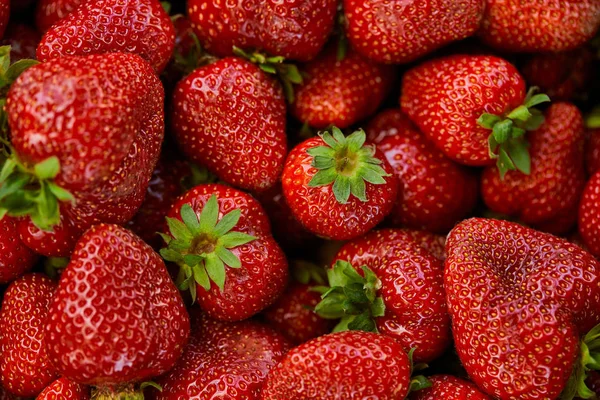
3. Strawberries
Strawberries remained one of the most residue-heavy items and also appeared in California testing of PFAS pesticides. In a separate review, strawberries were found to carry 10 different PFAS pesticides in sampled produce. Because strawberries are soft and porous, harsh scrubbing is not practical, which makes careful rinsing under running water the main home strategy.
4. Grapes
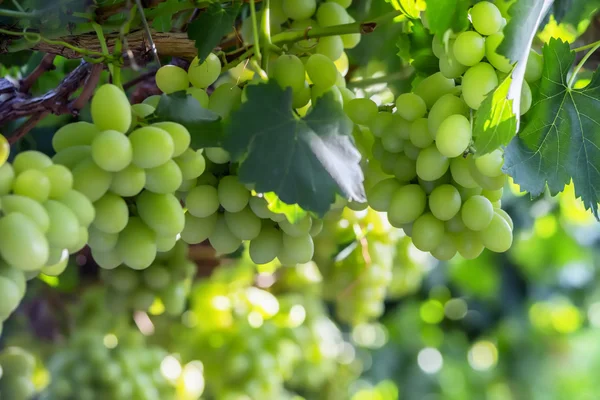
Grapes stayed high on the list and were also among the fruits frequently linked to PFAS pesticide detections in California testing. Their thin skins and high snackability make them a common everyday exposure point. Washing helps, but residues may remain because many pesticides are applied close to harvest or after harvest.
5. Nectarines
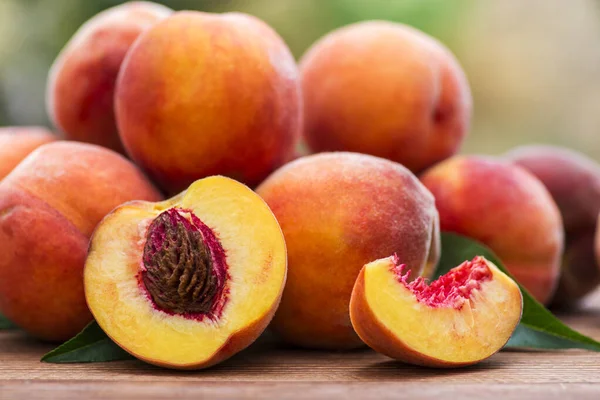
Nectarines ranked near the top of the highest-residue produce and stood out in PFAS-related findings as well. California data showed that more than 90% of nectarine, peach and plum samples contained the PFAS fungicide fludioxonil. That chemical is used after harvest to limit mold, which raises concern because the residue may remain closer to the time of purchase.
6. Peaches
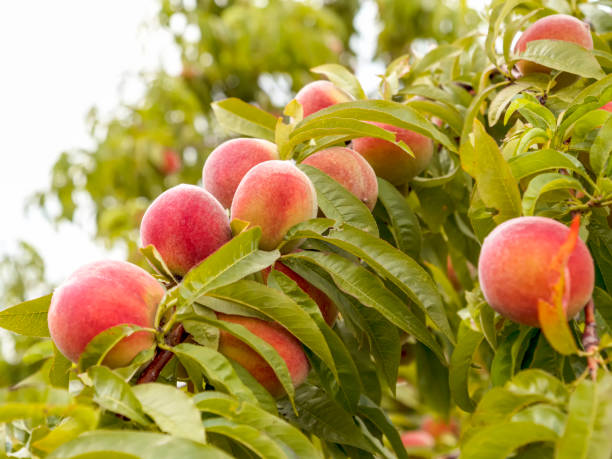
Peaches continued to rank among the most contaminated fruits tested. They also drew added scrutiny because fludioxonil was detected on nearly 90% of peaches and plums in reporting tied to the 2026 findings. Their fuzzy skin can trap residue, so gentle but thorough rinsing is recommended before eating or slicing.
7. Cherries
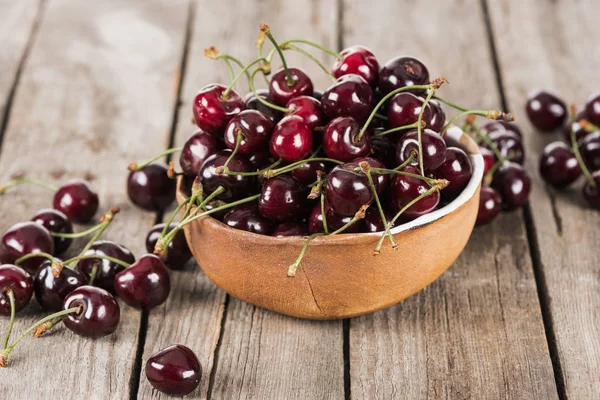
Cherries filled another top position in the 2026 guide and were also identified in California testing as a fruit frequently carrying PFAS residues. They are usually eaten whole, skin and all, which leaves little opportunity to reduce exposure through peeling. For households that buy cherries often during peak season, they are one of the clearer candidates for switching to organic when possible.
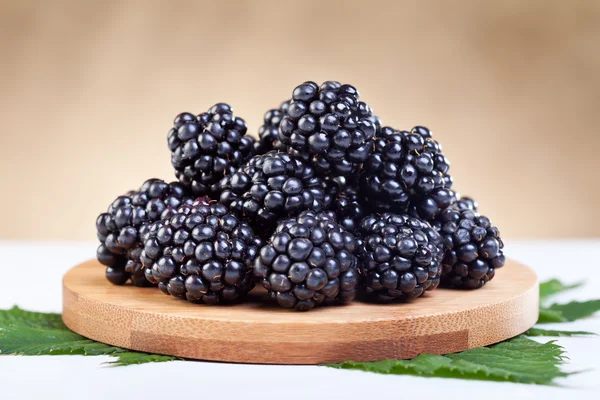
8. Blackberries
Blackberries were highlighted as a newer concern in recent testing years. According to the 2026 guide, blackberries carried an average of more than four pesticides per sample. Their clustered surface creates many small crevices, which can make residue removal more difficult than on smoother produce.
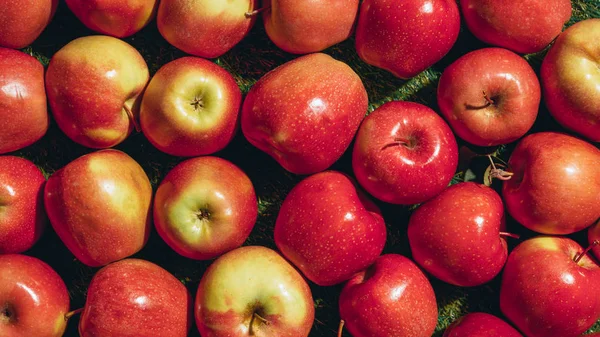
9. Apples
Apples remained in the higher-residue group, continuing a long pattern seen in pesticide-monitoring discussions. Since they are widely eaten by children and often packed as daily snacks, they tend to attract outsized attention when residue lists are published. Washing under running water and drying with a clean towel can help reduce some surface chemicals.
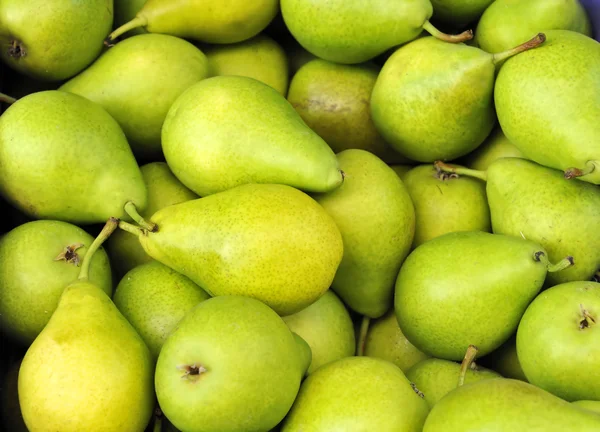
10. Pears
Pears also landed on the 2026 high-residue list. Reference reporting on PFAS pesticide detections noted elevated fludioxonil levels on pears as well, adding another layer to concerns about repeat exposure from common lunchbox fruit. Pears are typically eaten with the peel, so residue patterns matter more than they do for fruit that is routinely peeled.
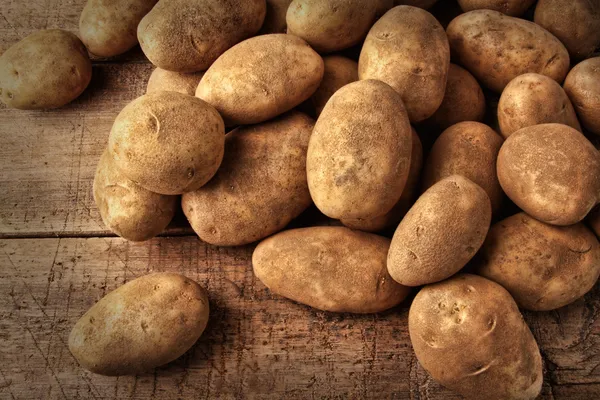
11. Potatoes
Potatoes were unusual because they averaged fewer pesticides than most other Dirty Dozen items, but they still ranked on the list because of the chemicals detected on them. The guide noted that 90% of potatoes contained chlorpropham, a sprout inhibitor banned in the European Union over health concerns. Scrubbing potatoes firmly under running water is one of the more effective home-cleaning steps because of their durable skin.
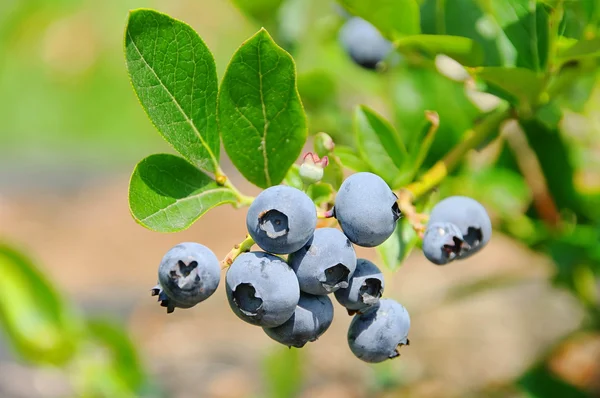
12. Blueberries
Blueberries rounded out the list. They are often perceived as one of the healthiest fruits in the store, which makes their place here more striking for shoppers trying to balance nutrition with lower pesticide exposure. Because they are small and delicate, a brief rinse and gentle drying are the usual preparation steps.
The 2026 findings did not argue against eating fruits and vegetables. They pointed instead to a more selective approach: choosing organic versions of the highest-residue items when possible, relying more often on produce with lower residues, and washing all produce carefully before eating.
For shoppers looking to lower exposure without cutting back on produce, the lower-residue group remains useful. Pineapple, sweet corn, avocados, papaya and onions were among the items with the least contamination, and nearly 60% of Clean Fifteen samples had no detectable residues.

