
Big-name destinations do not always deliver big memories. Across the United States, some of the most photographed places also come with the same complaints: packed sidewalks, inflated food tabs, aggressive upselling, traffic bottlenecks, and a version of local culture that feels staged for visitors.
That does not make these places unvisitable. It does mean travelers often get more from them when expectations are realistic, timing is strategic, and local advice matters more than another generic “must-see” roundup. As one New York-based guide told Travel + Leisure, many visitors rely too heavily on “top 10” lists and end up seeing only the “greatest hits” instead of the real character of a place.
1. Times Square, New York City
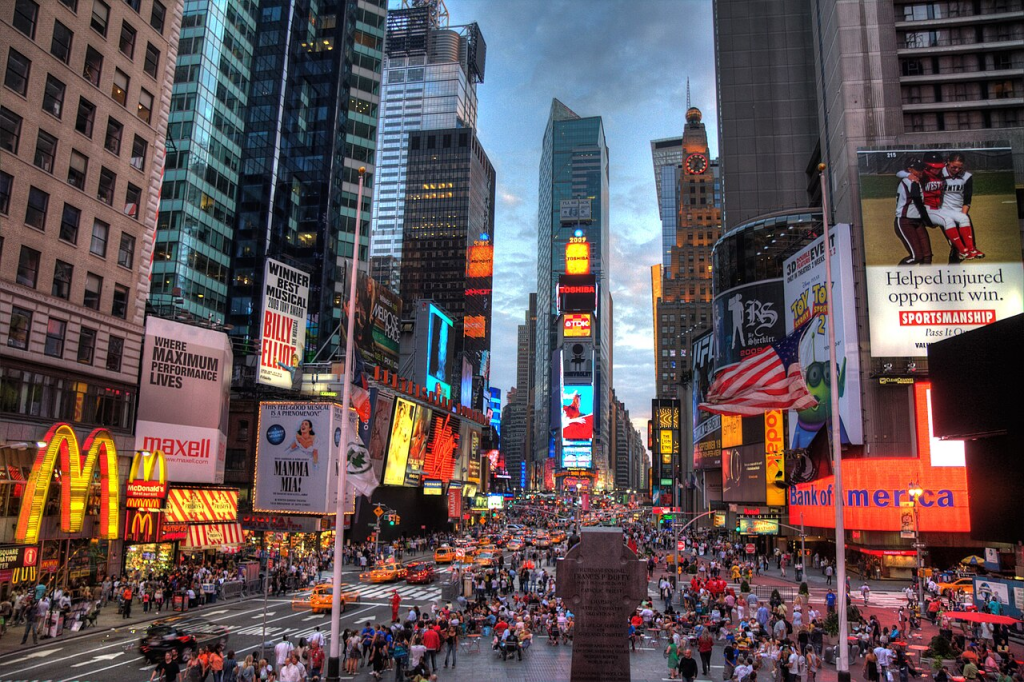
Few places in America are better known, and few inspire more eye-rolling from residents. Times Square still delivers giant screens, nonstop energy, and the feeling of standing inside a movie set, but locals often describe it as a place to pass through rather than linger. The area drew 200,000 to 250,000 pedestrians daily in 2024, which helps explain why many visitors remember crowd pressure more than city charm.
Meals skew expensive, chain businesses dominate the blocks, and street encounters can feel more transactional than welcoming. For travelers hoping to understand New York instead of just photographing it, quieter public spaces often leave the stronger impression.
2. Hollywood Boulevard, Los Angeles
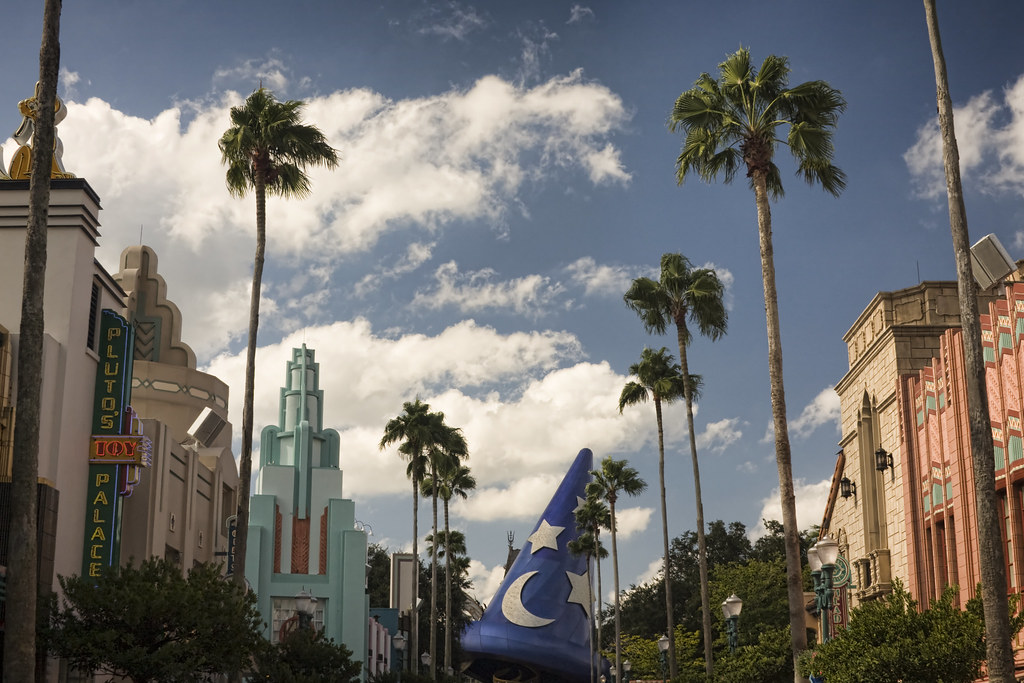
The myth is pure cinema. The reality is costumed photo solicitors, souvenir shops, worn sidewalks, and a level of congestion that can make a short stroll feel draining. The Walk of Fame still has pop-culture appeal, but the area often disappoints visitors expecting glamour. The problem is not only crowds. It is the mismatch between Hollywood’s polished global image and the block by block experience on the ground, where many tourists spend more time dodging distractions than enjoying the setting.
3. Atlantic City, New Jersey
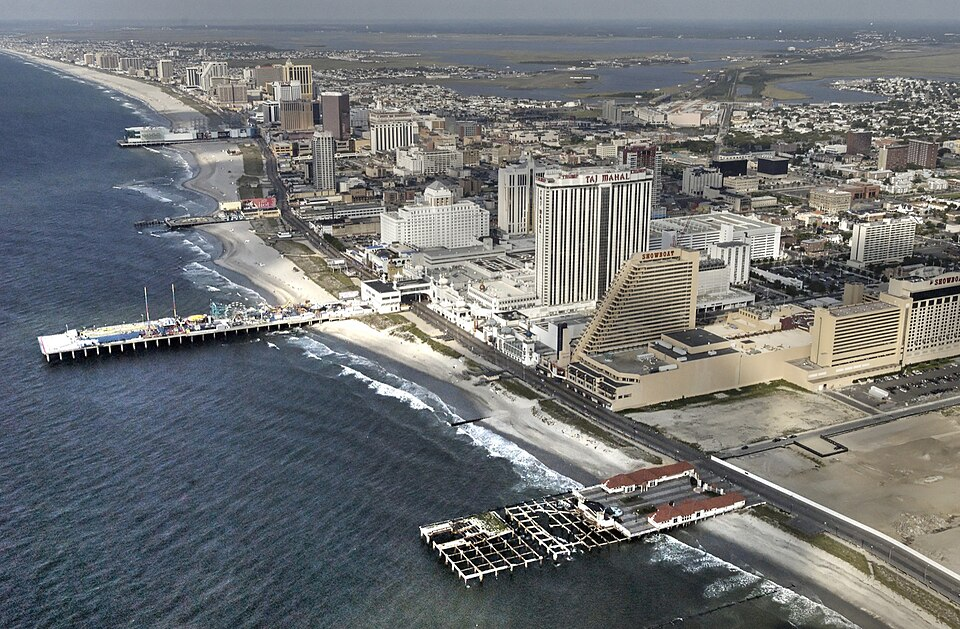
Atlantic City still carries the bones of a classic seaside gambling destination, but locals often point to a place struggling to look current. Dated infrastructure, uneven upkeep, and concerns about safety have changed how the boardwalk is perceived. The larger issue is atmosphere. Visitors arrive expecting a polished East Coast playground and instead find a destination that can feel fragmented, with flashes of nostalgia surrounded by signs of decline.
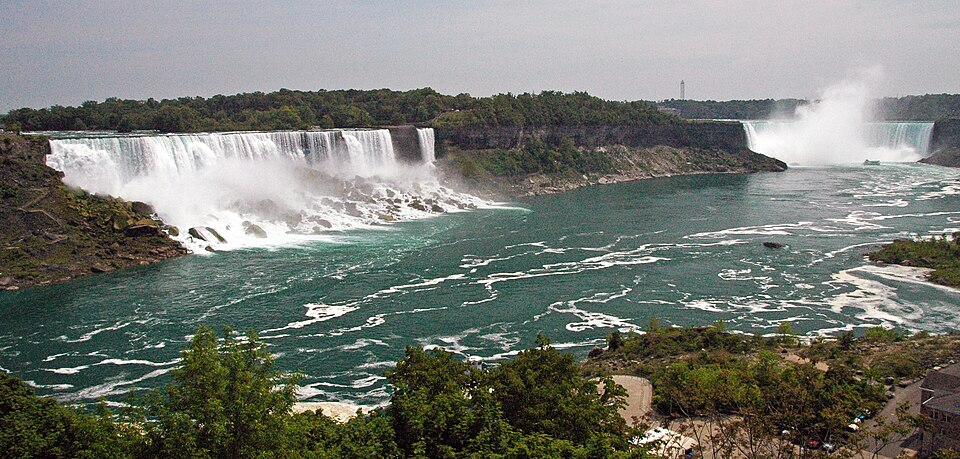
4. Niagara Falls, New York
The waterfall itself remains one of North America’s genuine natural spectacles, but the American side is often judged less immersive than the experience across the border. The views are real, but many travelers leave feeling they admired the falls rather than fully entered the drama of them.
That contrast is a major reason expectations matter here. The surrounding hotel and dining landscape on the New York side is frequently described as limited, while nearby viewpoints on the Canadian side, including Table Rock’s mist soaked vantage points, are often cited as more memorable.
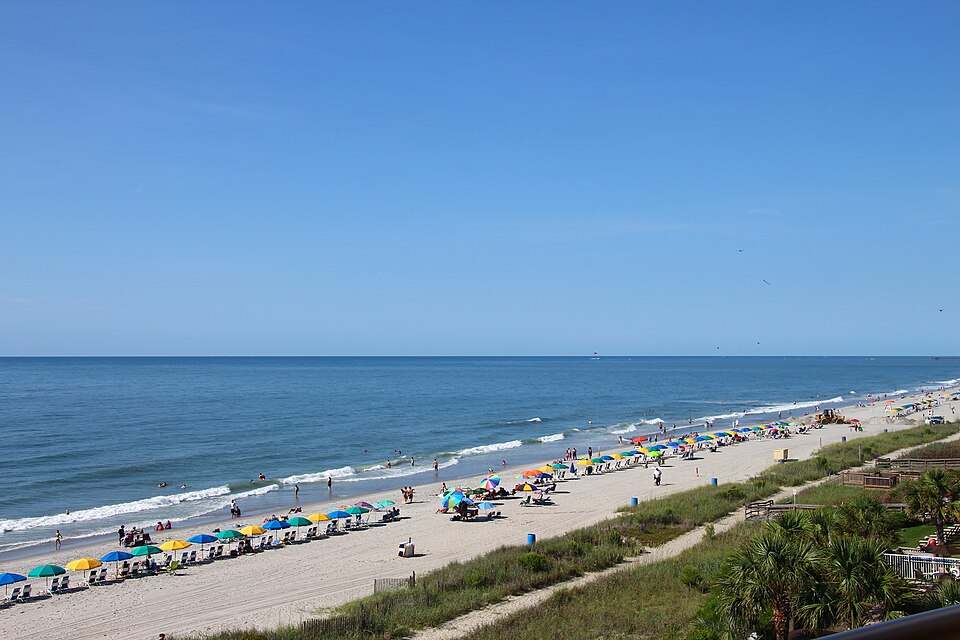
5. Myrtle Beach, South Carolina
Myrtle Beach still attracts families in huge numbers, but peak season can turn a beach trip into a lesson in congestion. Traffic, chain heavy development, and a boardwalk atmosphere built around volume rather than calm are common complaints.
Water quality concerns have also affected how some travelers view the destination. For visitors seeking a quieter coastal experience, the tension is not that Myrtle Beach lacks activity. It is that the activity can crowd out the very relaxation many people came for.
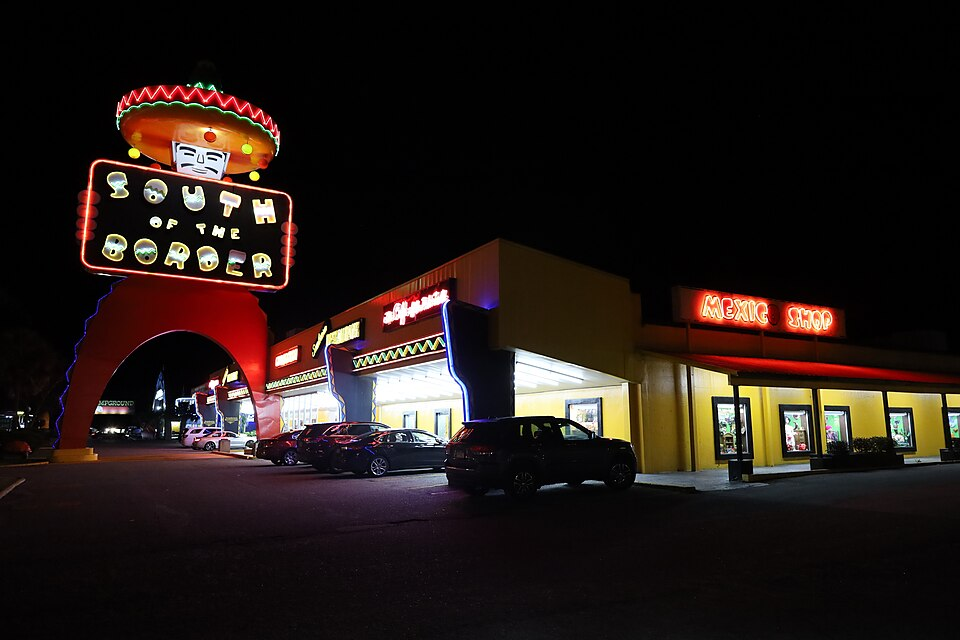
6. South of the Border, South Carolina
This longtime Interstate 95 roadside stop remains easy to spot from miles away, but nostalgia now does much of the work. What was once a memorable driving break is widely seen as faded, with aging attractions and a rundown look that can feel more eerie than charming. Its appeal today is mostly as a curiosity. Travelers stopping for a quick stretch may still appreciate the Americana oddity, but few locals frame it as a destination worth building a trip around.
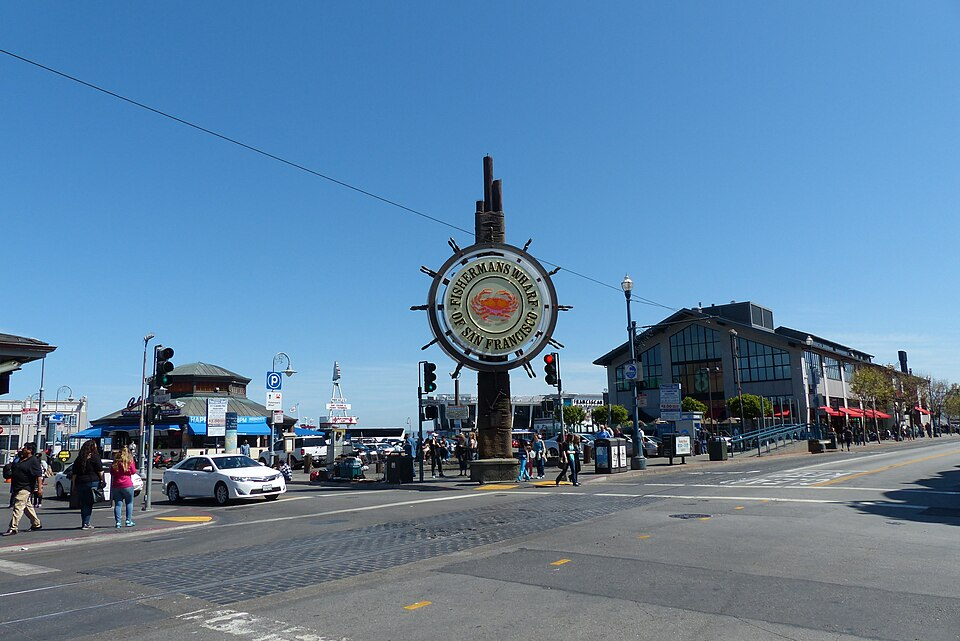
7. Fisherman’s Wharf, San Francisco
San Francisco has no shortage of postcard views, but residents often say this is where visitors pay the highest premium for the thinnest slice of the city’s personality. Fisherman’s Wharf gets 12 million visitors annually, and that volume shapes everything from parking costs to the pace of the sidewalks.
Overpriced seafood, souvenir clutter, and long waits are recurring complaints. The sea lions remain a genuine draw, yet many locals argue the city feels far more distinct in neighborhoods where daily life has not been so heavily redesigned around tourism.
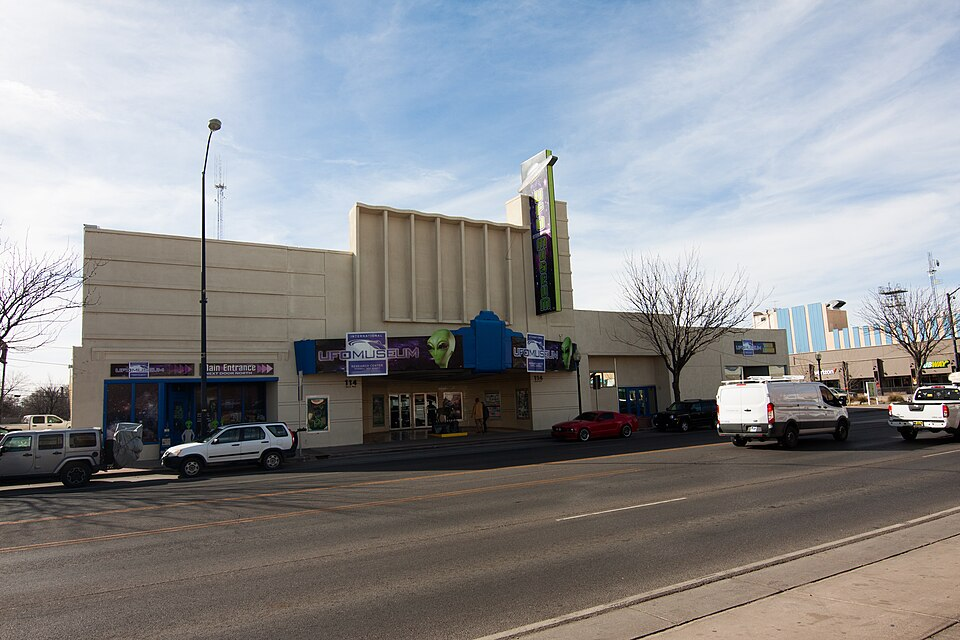
8. Roswell, New Mexico
Roswell sells an idea as much as a place. Travelers expecting a deep, futuristic immersion in UFO lore often encounter a smaller, kitschier reality built around novelty shops, modest museums, and a theme that can feel exhausted after a few hours. The town’s reputation is larger than its attraction footprint. For many visitors, Roswell works better as a stop within a broader New Mexico itinerary than as the main event.
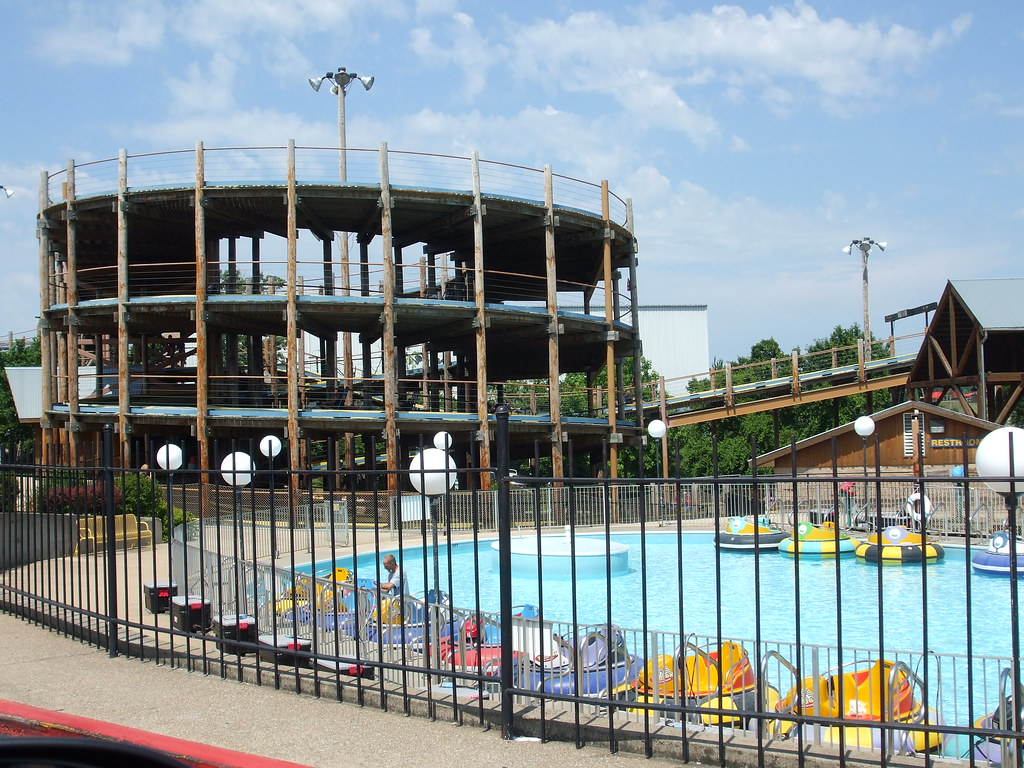
9. Branson, Missouri
Branson remains a known name in family entertainment, but its style can feel locked in another era. Heavy traffic along Highway 76, clustered attractions, and show-centered tourism leave some visitors feeling boxed into a narrow version of fun.
This is where local advice becomes useful. Travel guides increasingly warn against assuming every famous stop represents the best of a region, and Branson is a good example of how a destination can be popular while still feeling overly commercial to travelers who want spontaneity.
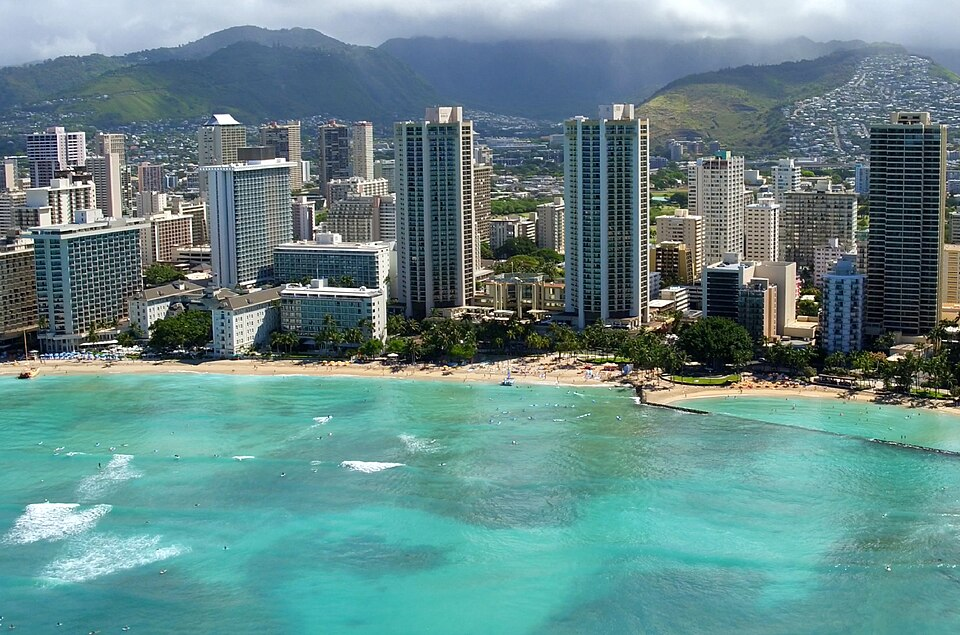
10. Waikiki Beach, Hawaii
Waikiki is still iconic, but many residents of Oahu see it as a place where Hawaii’s image has been heavily packaged. Dense hotel development, expensive parking, retail heavy streets, and constant crowds can make the beachfront feel more urban resort strip than island escape.
That tension stands out even more because Honolulu is often discussed as a relatively traveler friendly city, with tourism systems and beach safety measures that support visitors. Even so, locals often separate Waikiki’s convenience from the slower, more scenic coastal experiences found elsewhere on Oahu.
What ties these places together is not that they are famous. It is that fame can flatten them. When a destination becomes too optimized for volume, travelers often notice the same pattern: less local texture, more crowd management, and a rising chance that the trip feels expensive without feeling special.
The stronger lesson is simple. Travelers who ask residents for guidance, look beyond the loudest landmarks, and remember how different one American region can be from another usually end up with a trip that feels fuller and far less scripted.

