

California drivers entered 2026 with a longer list of rules affecting everyday trips, roadside stops, vehicle paperwork and even how cars are sold. Some changes took effect at the start of the year, while others arrive later in 2026, but together they reshape what compliance looks like on the road. Several updates focus on safety and visibility. Others deal with enforcement tools, consumer protections and relief from spiraling penalties. Here are 10 of the most important changes drivers in California should know.
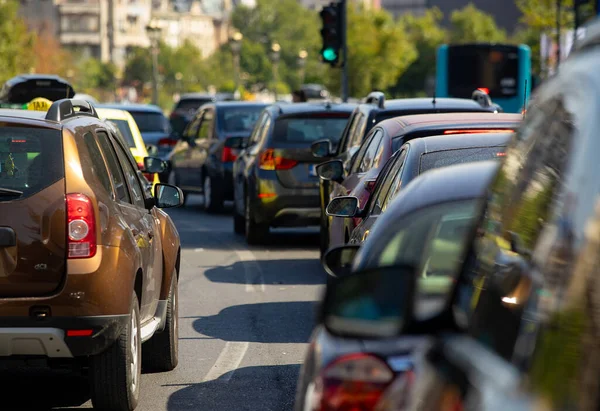
1. Drivers must slow down or move over for more stopped vehicles
California expanded its “Slow Down, Move Over” requirement under AB 390. The rule no longer centers only on emergency and certain service vehicles. It now applies when drivers approach stationary vehicles showing flashing hazard lights or other warning devices. That means a disabled personal vehicle on the shoulder can trigger the same duty to change lanes when safe or reduce speed to a prudent level. The broader rule is meant to protect people standing outside vehicles, roadside workers and stranded motorists who are often inches from fast-moving traffic.
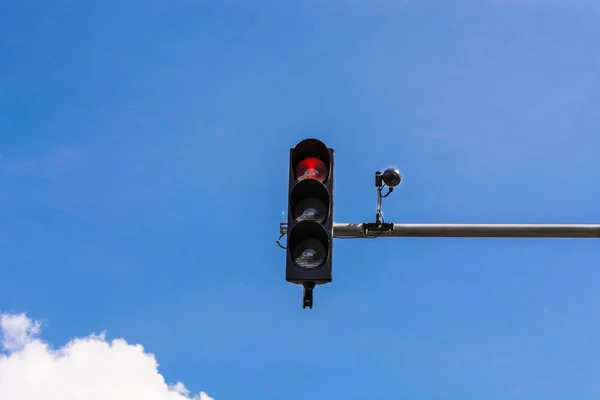
2. Red-light enforcement can expand through automated camera programs
Local governments now have authority to adopt alternative automated camera programs for red-light violations. These violations are treated as civil penalties rather than criminal matters. The framework also includes notice requirements before cameras go live, along with an initial warning period in participating areas. Research cited in public coverage of the law linked red-light cameras to lower fatal crash rates at signalized intersections, making this one of the most visible enforcement changes drivers may notice at busy crossings.
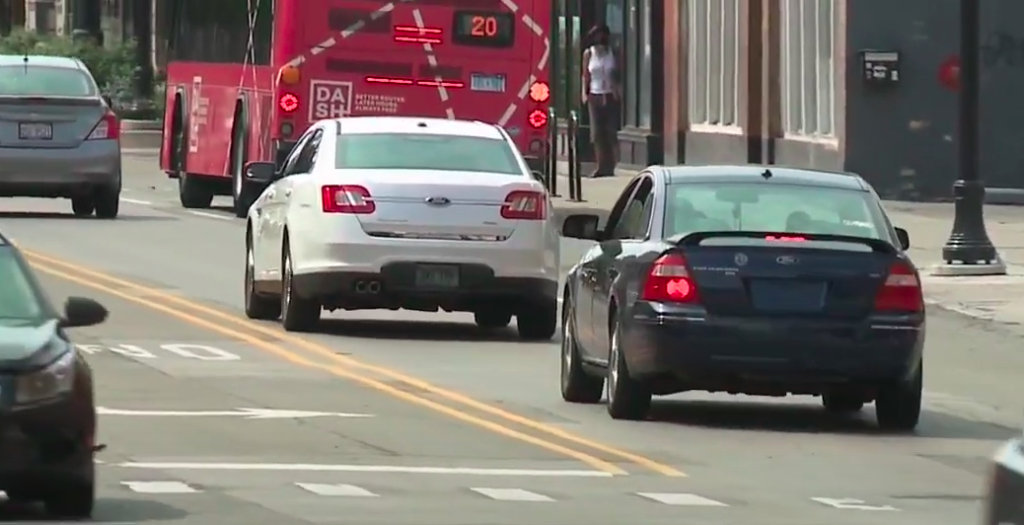
3. Obscured license plate devices now carry a much sharper penalty
California tightened restrictions on products designed to block the visual or electronic reading of license plates. Under the DMV’s summary of the law, manufacturing such a device in California is now an infraction with a $1,000 fine. The rule targets plate covers, tints and similar devices associated with toll evasion and other forms of noncompliance. For drivers, the practical takeaway is simple: plates need to remain plainly readable to people and camera systems.
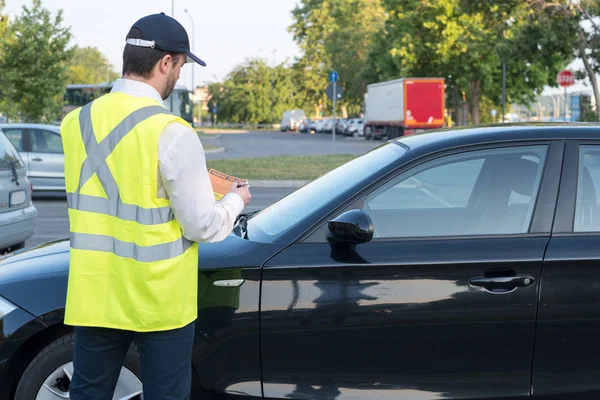
4. Parking ticket relief is now built into state law
Under AB 1299, local governments can reduce or waive parking penalties for people who cannot afford to pay, and agencies must offer a payment plan when requested. The change addresses a long-running problem in which unpaid citations snowball into larger debt, towing risk and registration trouble. Coverage of the new law showed some cities and counties adopting reductions, some offering both waivers and reductions, and others still reviewing how to apply the policy. The law also removed earlier time limits that had restricted when someone could ask for a payment plan.

5. Used-car buyers gain a three-day right to cancel later in the year
The California Combating Auto Retail Scams Act takes effect on October 1, 2026. It gives consumers a three-day right to cancel the purchase or lease of a used vehicle priced under $50,000, with mileage and condition limits attached. The law also bars dealers from misrepresenting total cost or financing terms and prohibits add-ons with no real consumer benefit. Examples described in coverage include oil-change packages for electric vehicles and services tied to equipment a car does not have.

6. Dealers must show pricing more clearly
The same CARS Act does more than create a cancellation window. It also requires clearer disclosures about the full price of a vehicle deal and limits deceptive advertising practices. This is a traffic-related rule in the broader sense of driving life rather than roadway conduct, but it affects a major point of entry into car ownership. For Californians replacing a vehicle in 2026, the paperwork and sales conversation should look different once the law begins.
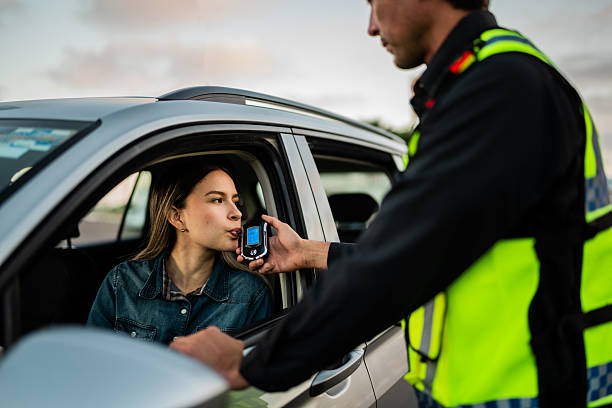
7. Ignition interlock requirements stay in place for longer
California extended its statewide ignition interlock device program for specified DUI offenders through 2033. These devices require a breath test before a vehicle can start. The policy remains a significant compliance rule for affected drivers. Legislative discussion around the program cited more than 30,500 prevented attempts to start a vehicle after drinking in 2023, underscoring why the state chose to keep the framework in place.
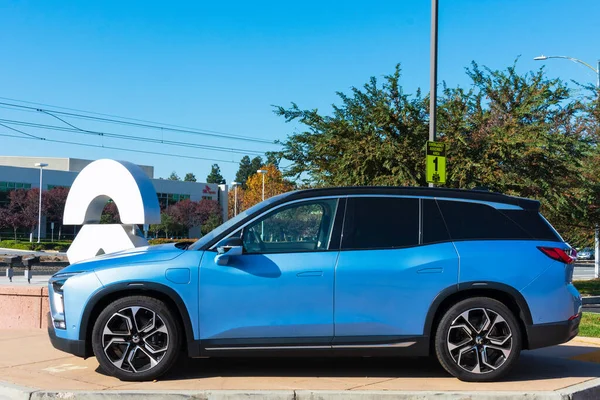
8. Autonomous vehicles can use marker lamps to show self-driving mode
Autonomous vehicles may now be equipped with ADS marker lamps that signal when the automated driving system is activated. The change is designed to give clearer information to nearby drivers, pedestrians and law enforcement during roadside encounters or traffic stops. It is a small visual change with broader meaning. As self-driving systems become more common, California is building road rules that help other people understand what kind of vehicle behavior they are seeing.

9. Off-highway electric motorcycles face stricter classification rules
California now classifies certain electric motorcycles, often called eMotos, as off-highway motor vehicles rather than ordinary e-bikes. That means they must follow existing off-highway vehicle rules, including DMV identification requirements. That distinction matters because some of these vehicles are far more powerful than typical e-bikes and are designed for off-road use. The rule is meant to reduce confusion on where they belong and how they must be registered.
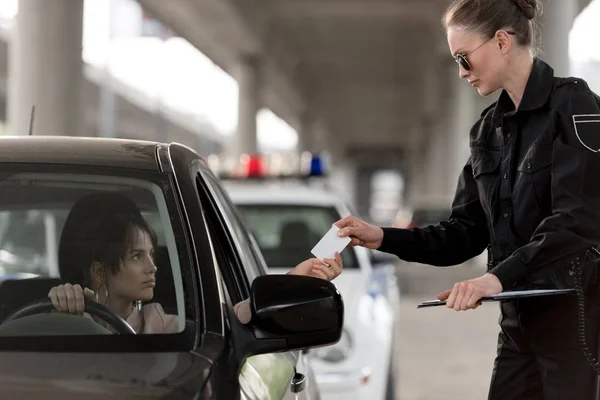
10. Getting a duplicate license after an address change is easier
Drivers who update their address can now request a duplicate driver’s license from the DMV. Earlier rules generally limited duplicate licenses to situations such as loss, destruction, damage or a qualifying name change. It is not the flashiest 2026 update, but it changes a practical paperwork problem. For drivers who want a physical license showing a current address, the process is now more straightforward.
Not every 2026 change brings a direct citation, but each one affects how Californians drive, park, buy cars or interact with enforcement systems. Some rules aim to prevent injuries on the roadside, while others try to make penalties and paperwork less destabilizing. For drivers, the main theme is adjustment. A stopped car on the shoulder deserves more space, a covered license plate carries more risk, and by October even the car-buying process comes with stronger protections.

