
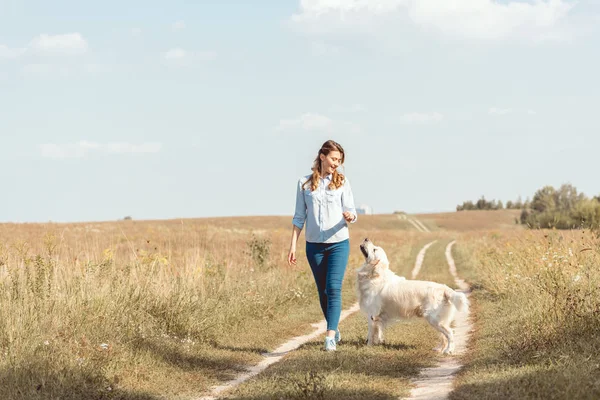
Dogs do not measure love in grand gestures. They notice patterns: the hand that moves slowly, the voice that stays even, the walk that allows a pause, the home that feels predictable.
That is part of why small habits matter so much. Canine behavior experts consistently point to routine, choice, and calm interaction as major ingredients in trust, while sniffing, gentle handling, and everyday attention help dogs feel grounded in their environment.
1. Keeping daily life predictably calm
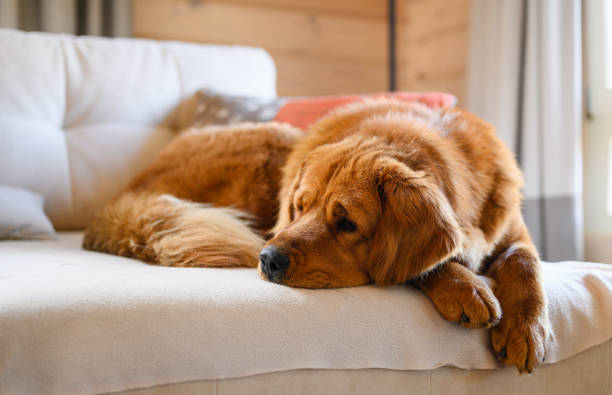
Dogs tend to relax when life makes sense to them. A steady rhythm around meals, potty breaks, rest, exercise, and bedtime helps them know what comes next, and that predictability supports confidence across life stages. Guidance from the AKC notes that dogs thrive on consistency, especially when routines create clear expectations without becoming rigid to the minute.
This habit reads as safety because the dog is not left guessing. A familiar pattern around the “big picture” of the day can reduce stress for puppies settling in, adults navigating change, and seniors who benefit from steady cues in their environment.
2. Letting a dog approach at their own speed
Many dogs feel most secure when interaction is not forced. Moving closer only when the dog is comfortable, pausing before reaching in, and respecting their space can lower pressure during bonding moments.
Modern trainers increasingly emphasize allowing the dog to have a choice. That choice matters because a dog that can approach, sniff, and engage on their own terms is more likely to build trust than a dog pushed into contact before they are ready. To a dog, patience often feels safer than enthusiasm.
3. Using food as a positive experience, not a power move
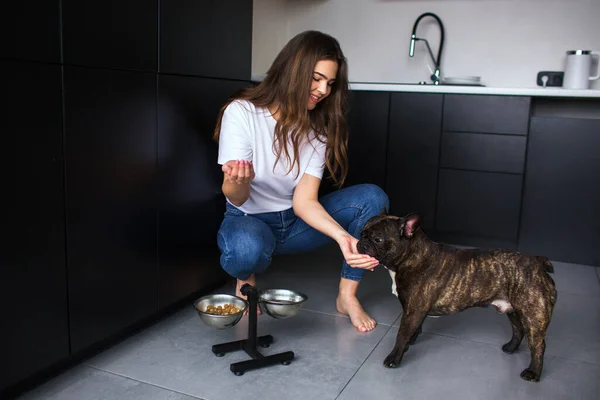
Food can absolutely build connection, but the most reassuring version is simple: meals arrive reliably, and treats appear in calm, low-pressure ways. Some trainers use hand-fed portions during training, and the AKC notes that hand feeding can build relationship and trust in certain situations, especially for focus work and gentle skill-building.
At the same time, not every dog finds direct hand feeding comforting. For shy, fearful, or worried dogs, the stronger message of safety may be that food appears without strings attached. In daily life, dogs often read “love” less as control over every bite and more as consistent, generous care around meals and treats.

4. Allowing time to sniff on walks
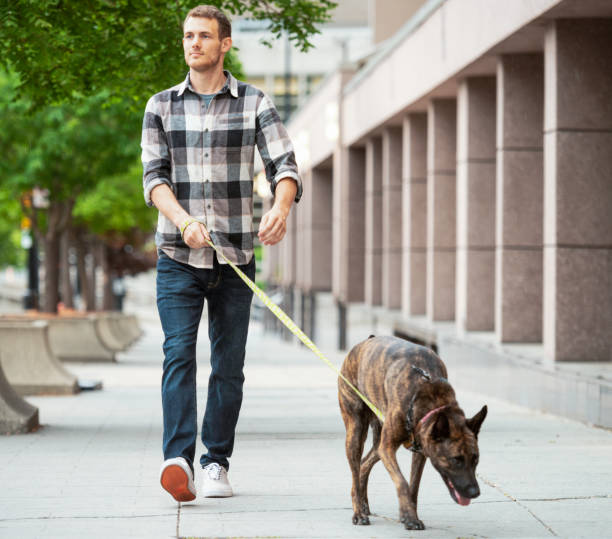
To people, a walk can look like exercise. To dogs, it is often information. Their sense of smell is a major way they understand the world, which is why a rushed walk can feel less satisfying than a slower one with room to investigate.
Pet MD explains that dogs have hundreds of millions of scent receptors, and scent walks give them mental stimulation as well as enrichment. When a person allows a safe pause at a hedge, tree, or patch of grass, the dog often reads that as respect. It is a small habit, but it tells the dog their natural behavior is welcome.
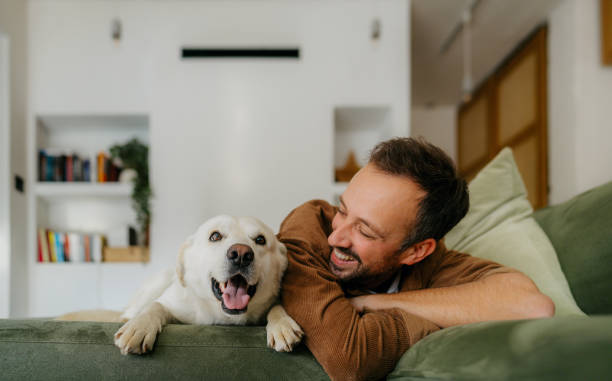
5. Speaking softly and moving steadily
Dogs are highly tuned to tone, posture, and pace. A calm voice, relaxed shoulders, and unhurried movement can make everyday care feel easier to trust, whether it is clipping on a leash, wiping muddy paws, or inviting the dog off the sofa.
This matters because dogs often respond to the emotional weather around them before they respond to words. A household that uses consistent cues and gentle body language tends to feel easier to read, and easier-to-read humans often feel safer to live with.
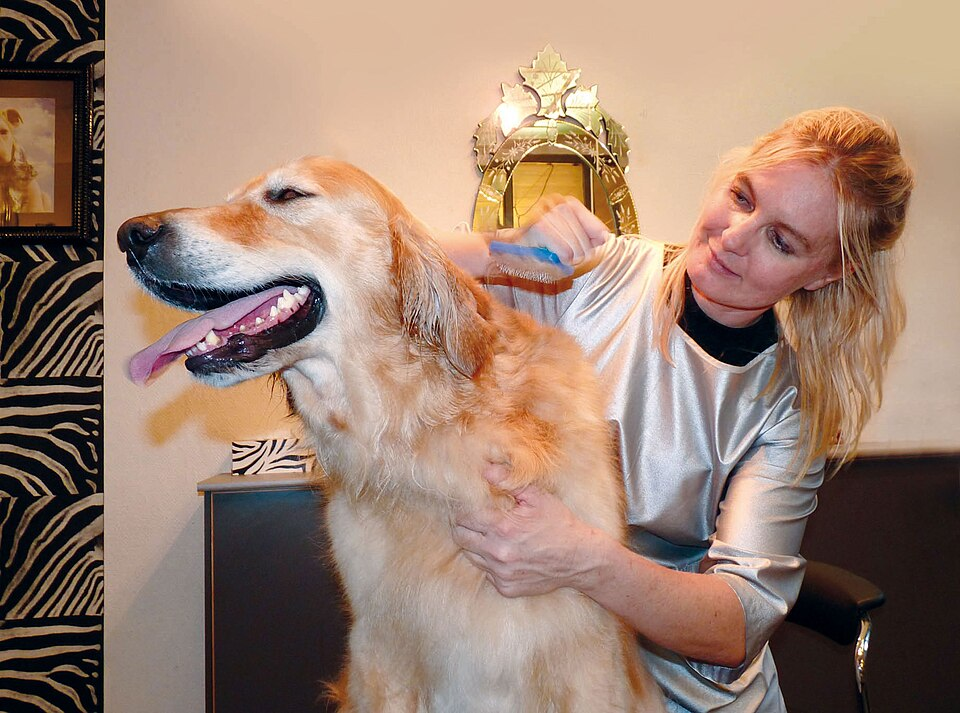
6. Practicing brief, regular check-ins
A dog does not need constant entertainment to feel loved. Often, a quick training moment, a short grooming session, or a few quiet seconds of attention has real impact. Routine care helps dogs become more comfortable with handling, and regular training gives them clear ways to succeed.
These check-ins also teach the dog that attention is dependable. A few minutes of brushing, a calm ear check, or one simple cue followed by praise can communicate, day after day, that their person is present, attentive, and safe to engage with.
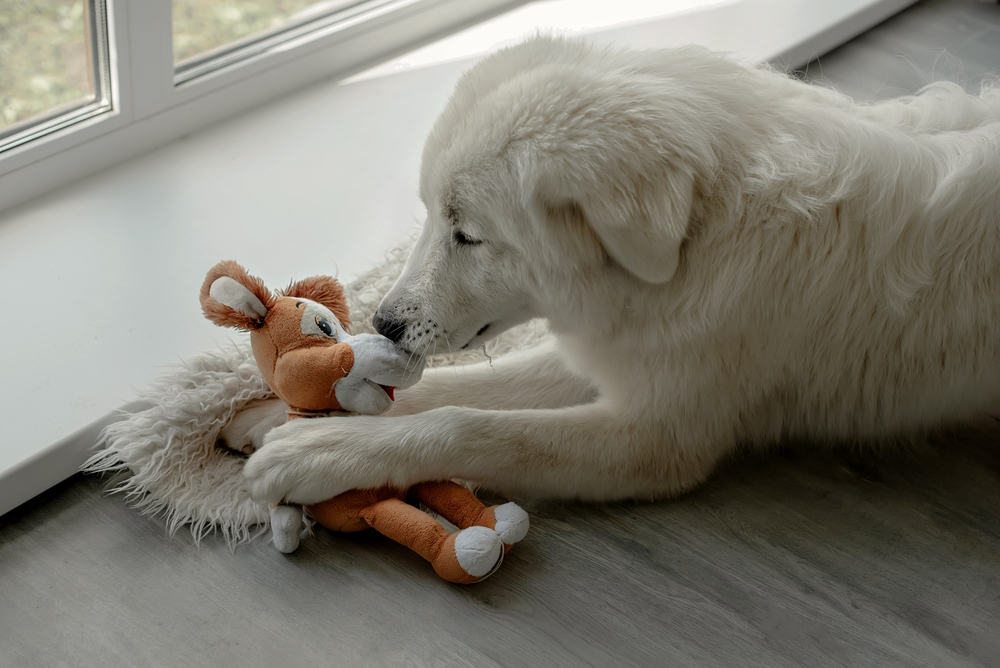
7. Responding to bids for connection
When dogs bring a toy, glance back for guidance, lean in, or settle nearby, they are often checking the relationship. A warm response builds that connection. It does not require nonstop affection; it requires noticing.
Behavior pieces on attachment commonly point to signs like following a favorite person, relaxed body language, or looking to them for direction. Those moments matter because they show the dog is already investing trust. A consistent, calm response helps that trust deepen.
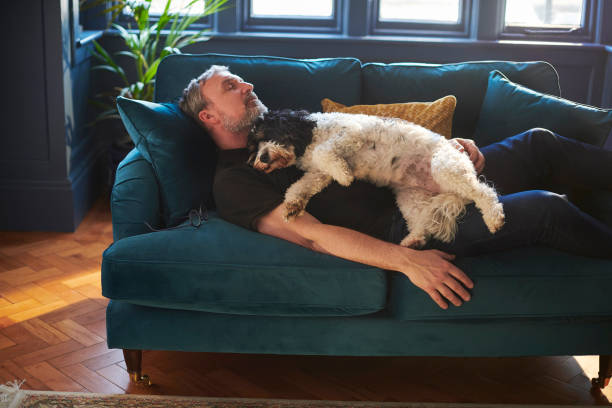
8. Creating comfort without crowding
Some dogs love to sleep nearby, press against a leg, or rest in the same room while their person works. Others prefer a little space but still want the reassurance of presence. Respecting that individual style is a quiet form of love.
Safety is not always about physical closeness. Sometimes it is about availability: fresh water in the same place, a familiar bed, a calm evening routine, and a person who does not demand more interaction than the dog can give that moment. Those details can shape a home that feels emotionally steady.
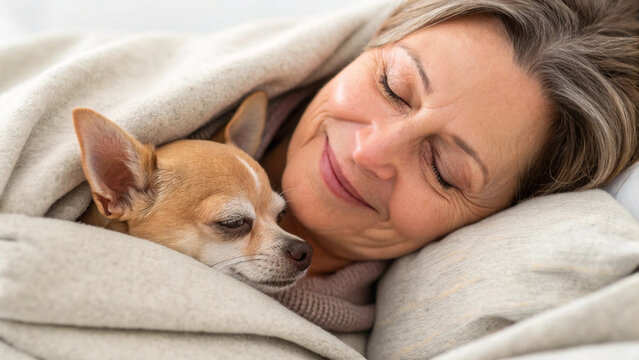
To dogs, love often looks ordinary. It shows up in the repeated habits that make life feel understandable, gentle, and secure. When those habits are small and consistent, dogs tend to notice. And in canine terms, being easy to trust may be one of the clearest forms of affection there is.

