

Turning 80 can invite a look backward, but Jaclyn Smith’s story keeps moving forward. Her public image was built on television glamour, yet her longer legacy reaches far beyond a single role. For decades, Smith has occupied a rare place in popular culture: an original prime-time star who translated recognition into an unusually durable business identity. From five seasons as Kelly Garrett to a retail career that outlasted many celebrity brands, her path shows how fame, consistency and hands-on involvement can evolve into something larger than nostalgia.
1. She became a household name through Charlie’s Angels
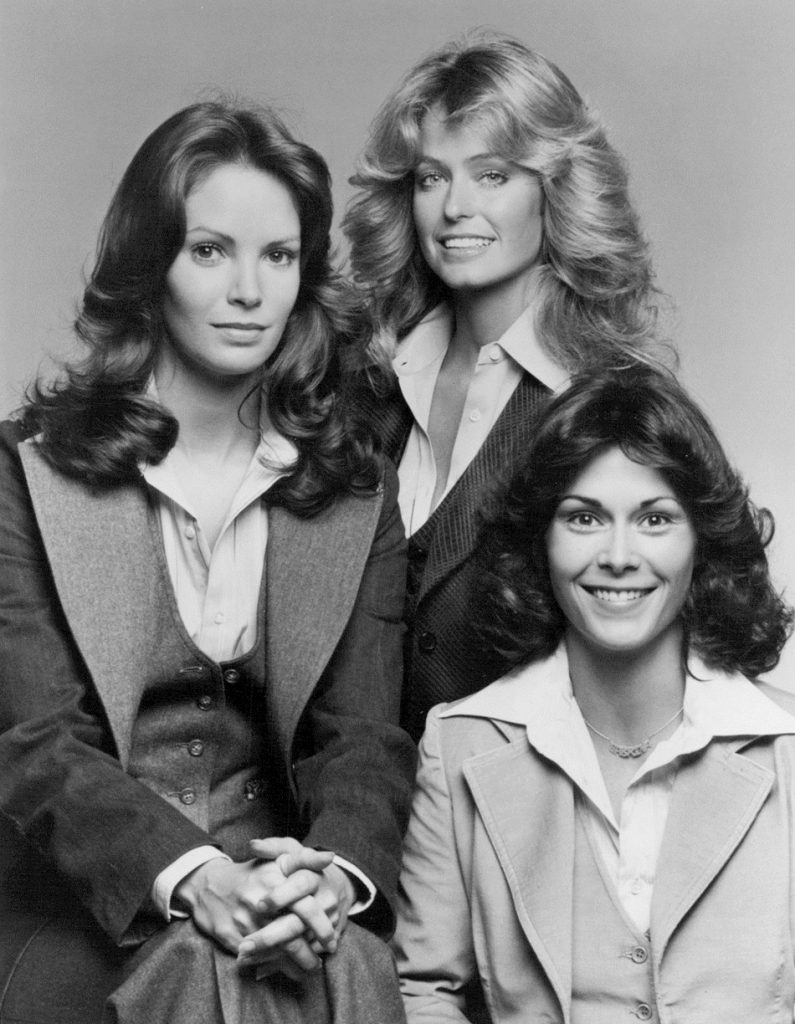
Smith rose to national fame as Kelly Garrett on Charlie’s Angels, the glossy detective series that became one of television’s defining hits of the late 1970s. The show placed women at the center of action storytelling, even as it also reflected the era’s tensions around glamour, power and image.
What distinguished Smith within that phenomenon was durability. She was the only original female lead to remain with the series for its entire run, a fact that helped make her the most continuous link between the original program and later revivals.
2. Her star image was built before the series ever premiered
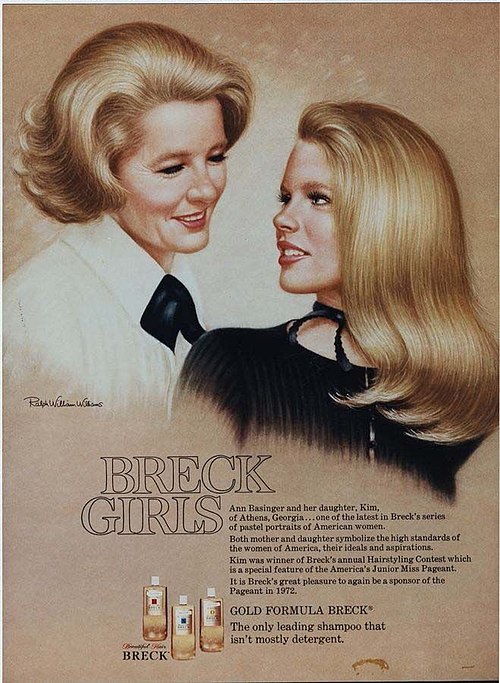
Before Charlie’s Angels turned her into a global celebrity, Smith had already worked steadily in commercials and print campaigns. She had been a Breck Shampoo model and later a beauty spokesperson, experiences that sharpened her understanding of presentation, branding and visual identity.
That background mattered. It meant she entered television not only as an actress, but as someone already familiar with how consumers respond to style, polish and familiarity.

3. She moved into business when many people told her not to
After Charlie’s Angels ended in 1981, Smith faced a crossroads familiar to many television stars: how to turn a famous face into a second act with staying power. When Kmart approached her about a clothing line, the move was not greeted as an obvious prestige play.
Smith later recalled the resistance directly: “Many people told me not to do it and I originally turned it down.” She changed course because, as she put it, “I’ve always loved design.” That decision led to the 1985 debut of the Jaclyn Smith Collection in 1,400 Kmart stores, a launch that helped redefine what a celebrity brand could become.

4. She insisted on being involved in the actual design
A major reason her retail story lasted is that she did not present herself as a passive endorser. Smith negotiated for direct input on design and construction, pushing for a more active role than many celebrity licensing deals offered at the time.
That choice became central to her reputation. In later interviews, industry partners described her as highly engaged, with strong opinions on fit, fabric and overall direction. Her brand identity came to rest on something sturdier than recognition alone.

5. She helped normalize celebrity brands before they became standard
Celebrity fashion lines existed long before Smith, but her success arrived at a pivotal modern moment. In mass retail, she became one of the clearest examples of a star building a scalable, long-running consumer business rather than simply appearing in advertisements.
That timing matters in hindsight. Her collection helped establish a model that later became routine across apparel, beauty and home goods, especially for personalities seeking careers that could last longer than any one screen role.

6. Her appeal was rooted in accessibility, not distance
Smith’s retail image was built around polished basics, versatile separates and an approachable form of style. She described her philosophy as “making life beautiful without spending a fortune,” a message that aligned her image with everyday consumers rather than red-carpet exclusivity.
That approach also explains the line’s reach. According to Biography, 100 million women purchased an item from a Jaclyn Smith line, a remarkable figure for a brand tied to one celebrity identity.
7. She expanded far beyond clothing
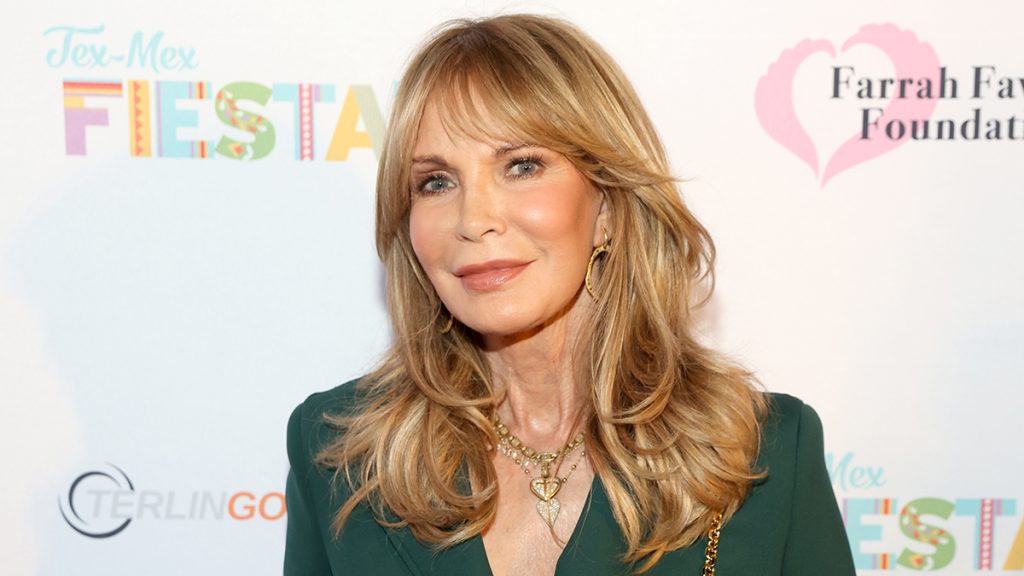
What began as sportswear did not stay limited to apparel. Over time, Smith extended her name into accessories, shoes, jewelry, home textiles, décor, skincare and wigs, building a broad lifestyle portfolio instead of a single-category label.
This expansion gave her career a different shape from many television icons of her era. She was no longer only remembered for what she wore on screen; she became associated with what women might wear, use and live with in their own homes.

8. She kept adapting as retail changed
Smith’s business life did not end with the decline of Kmart. After her long run there concluded, she entered a new phase that included fresh apparel partnerships and a different sales environment shaped by television shopping, digital marketing and more direct audience engagement.
That adaptability says as much about her career as her original breakthrough. She built her brand in the age of store appearances and print ads, then continued working through later shifts in how fashion reaches customers.

9. Her public life also included a private health battle
In 2002, Smith was diagnosed with early-stage breast cancer after a mammogram detected a small tumor. She later spoke candidly about the emotional shock of hearing the diagnosis, saying, “Once you hear the word ‘cancer,’ you are paralyzed.”
Her treatment included a lumpectomy and radiation, and she has used her experience to emphasize screening and early detection. That chapter added another dimension to a public image long associated with poise: resilience under pressure, and a willingness to speak openly when personal experience could help others.
10. Her legacy is larger than nostalgia
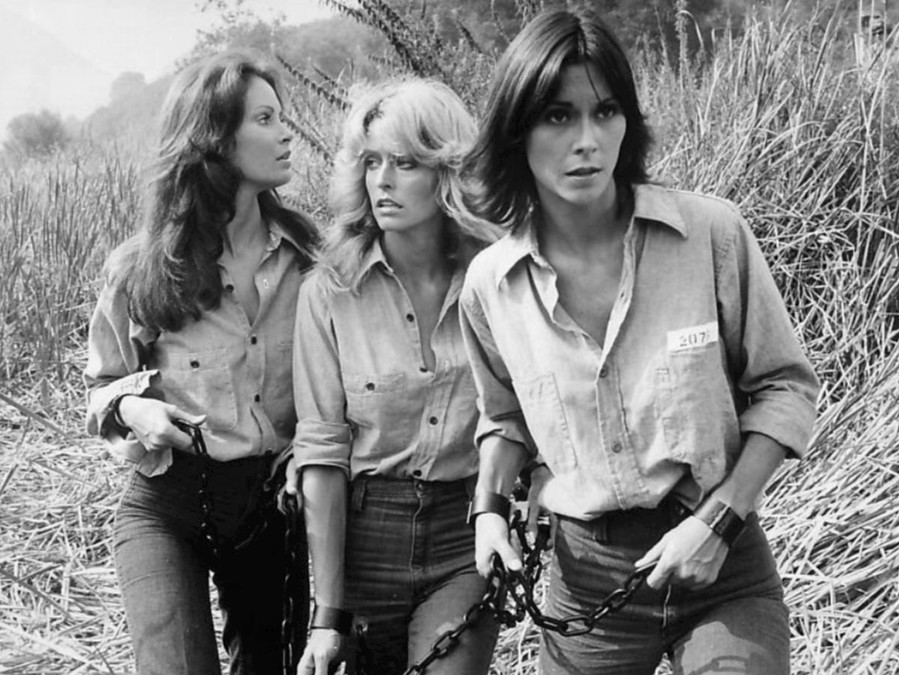
It is easy to freeze Smith in the Charlie’s Angels frame, but her longer legacy sits at the intersection of entertainment, consumer culture and endurance. She remained recognizable without remaining static, preserving the glamour that made her famous while steadily attaching it to work that was practical, commercial and ongoing. At 80, her career reads less like a comeback story than a long continuum. Television made her visible, but business made her lasting.
Smith’s path still stands out because it joined several identities that do not always coexist easily: actress, style icon, entrepreneur and survivor. The result is a career that explains why her name continues to resonate across generations. From a landmark television role to a brand empire built over decades, Jaclyn Smith’s story remains one of unusual staying power. Fame introduced her. Reinvention kept her there.

