
Accounts from people who were revived after cardiac arrest or other life-threatening crises often circle around a striking set of recurring perceptions. Researchers have documented these reports across decades, even though the meaning of the experiences remains debated.
What stands out is their consistency. In published reviews, survivors frequently describe peace, light, separation from the body, altered time, vivid memory, and encounters that feel more real than ordinary dreaming, with reported incidence in cardiac arrest studies ranging from 6.3% to 39.3%.

1. A sudden sense of peace
One of the most commonly reported features is a profound calm arriving in the middle of crisis. Survivors often describe the disappearance of fear, panic, or pain, even when the body was undergoing severe distress. A systematic analysis of case reports found that positive emotional experiences were among the core patterns of near-death narratives, and a cardiac-arrest review noted that feelings of peace were repeatedly among the most frequent elements described. In one quoted account from the systematic review, a survivor said, “I always felt a deep sense of peace and relief.”

2. Feeling separate from the body
Many survivors say their awareness seemed to shift above or beyond their physical body. Rather than describing confusion, they often report an observational clarity, as if they were watching events from elsewhere in the room. This experience appears so often in the literature that researchers describe it as one of the defining features of the phenomenon. One case quoted in the review recalled, “I really saw that I was near the ceiling and I was looking down.” The same review identified out-of-body experience as the most frequent category in the case material it examined.

3. Moving through darkness or a tunnel
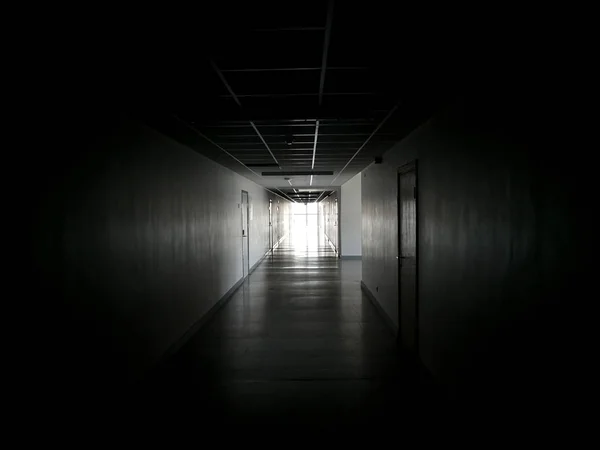
Another recurring description involves passage: a tunnel, corridor, void, shaft, or dark enclosed space leading somewhere else. The imagery varies by person and culture, but the structure of movement tends to remain recognizable. Researchers have gathered reports of cylindrical tunnels, funnels, wells, caves, and passageways, often paired with the sensation of being drawn forward. In some hospital-based studies, survivors also described being “sucked into a colourful tunnel,” suggesting that this motif remains present even in modern resuscitation research.

4. Encountering a bright light
The “light” remains one of the best-known elements of near-death reports. Survivors do not always describe it as a simple visual beam. In some studies, it appears as radiance, presence, warmth, or an overwhelming field of illumination. In the cardiac-arrest literature, common reports include seeing or feeling surrounded by light. Some narratives place the light at the end of a tunnel, while others describe it as immediate and enveloping. Researchers note that this feature is frequent, but not universal.

5. Meeting deceased relatives or familiar figures
Some survivors describe encounters with dead family members, friends, or figures they later identify as relatives. These meetings are often reported as calm and recognizably interpersonal rather than dreamlike. The systematic review found repeated accounts of people describing reunions with the dead, including some childhood cases in which unfamiliar figures were later recognized through family photographs. These reports vary according to religious and cultural background, but the emotional structure is similar: recognition, welcome, and a sense of not being alone.

6. Reliving a life review
A number of survivors describe seeing portions of their lives unfold all at once. Rather than a simple memory montage, these reports often include the sense of grasping the emotional weight of past actions. Reference material on the life review describes an “instantaneous ability to experience everything they ever did in life, along with the effects of those actions on others.” In research summaries, this review is often associated with moral clarity, sudden insight, and durable changes in priorities after recovery.

7. Time behaving in unfamiliar ways
In many narratives, time no longer moves normally. A few seconds can feel enormous, while an extended experience may seem to occur during a very brief medical emergency. This altered sense of duration appears regularly in research. Survivors describe time slowing, stretching, or becoming irrelevant altogether. One quotation included in the systematic review captured that distortion directly: “Apparently, it took me 4 min to expire, but it took much, much longer for me there.”

8. Senses becoming unusually vivid
Near-death reports often include heightened sight, sound, and awareness. Survivors may describe details as sharper than waking life, even when they were medically unresponsive. This is one reason the accounts have drawn such intense scientific interest. Reviews of the literature note vivid sensory and self-referential memory, with some researchers arguing that these recollections differ in texture from ordinary dreams or confused states. A recent hospital study also reported brain activity patterns linked to thought and memory during resuscitation, adding another layer to the discussion.

9. Returning with lasting changes in outlook
The experience does not always end when consciousness returns. Many survivors report that the aftermath becomes part of the story: less fear of death, less interest in material concerns, and greater focus on meaning, relationships, or spirituality. Longer-term follow-up studies described shifts in self-understanding, social attitudes, appreciation of nature, and concern for others. The systematic review likewise noted reports of reduced fear of death and stronger interest in life’s meaning. These changes do not explain the experience itself, but they remain one of its most consistent consequences.
Across studies, near-death experiences remain intensely personal yet surprisingly patterned. Their content can be shaped by language, culture, and belief, but the recurring themes are difficult to ignore. Peace, light, separation, memory, encounter, and return continue to appear in survivor testimony and clinical research alike. Whether studied as consciousness under extreme stress or as a distinct form of recalled experience, these nine descriptions remain among the most enduring features survivors report before being revived.

