
Hollywood has never had a shortage of famous names. What it has lacked, more often, is a fair system for rewarding the actresses who quietly keep films, prestige series, genre favorites, and awards contenders from falling apart.
Some performers become instantly synonymous with a franchise or a single breakout part. Others build something more durable: a body of work filled with scene-stealing supporting turns, daring indie choices, and lead performances that audiences remember long after release weekend. These actresses belong in that second group.
1. Judy Greer
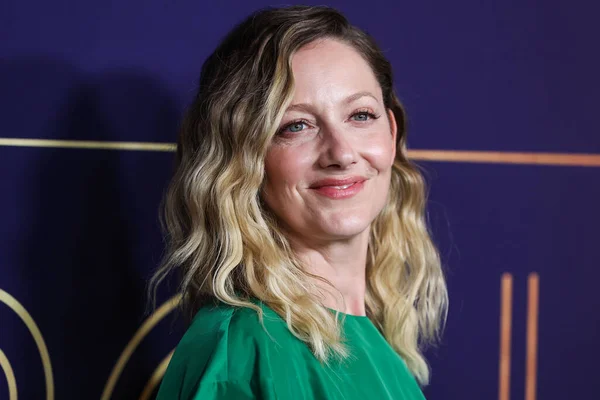
Judy Greer built one of the most dependable careers in modern screen acting by becoming the person audiences instantly recognize and studios repeatedly call. She moved easily from sharp comedies like 13 Going on 30 and 27 Dresses into franchise work such as Jurassic World and Ant-Man, while also becoming a defining voice on Archer. The pattern in her filmography is clear: she can sharpen a joke, humanize a supporting role, and keep a glossy production from feeling weightless. Few actresses have been so consistently useful across comedy, animation, and blockbuster filmmaking without being treated like the central attraction.
2. Linda Cardellini
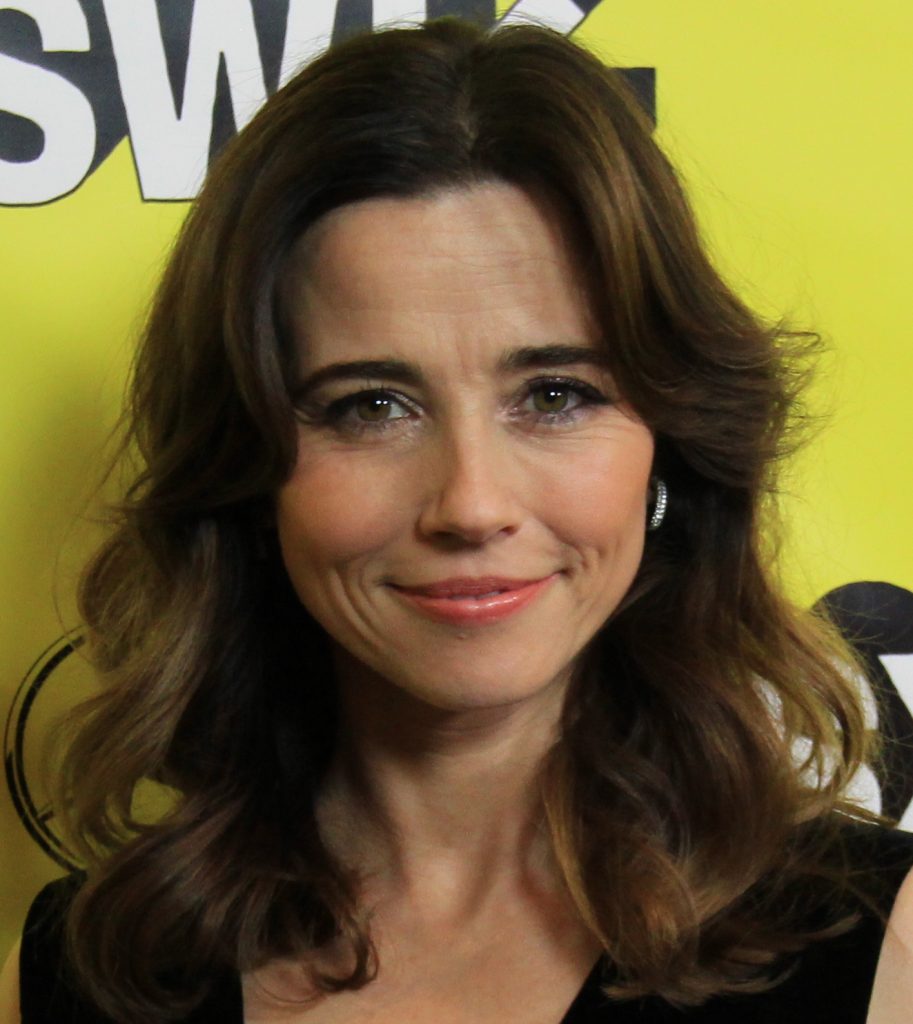
Linda Cardellini has spent years proving that cult affection and mainstream visibility can coexist. Early admiration came from Freaks and Geeks, then broader television audiences found her through ER, while studio viewers knew her as Velma in the live-action Scooby-Doo films. Her later work in Dead to Me showed how controlled and emotionally agile she can be, especially in material that shifts between grief, sarcasm, and suspense. She also threaded herself into larger pop culture machinery with a role in Avengers: Age of Ultron, reinforcing how unusual her range really is.
3. Melanie Lynskey
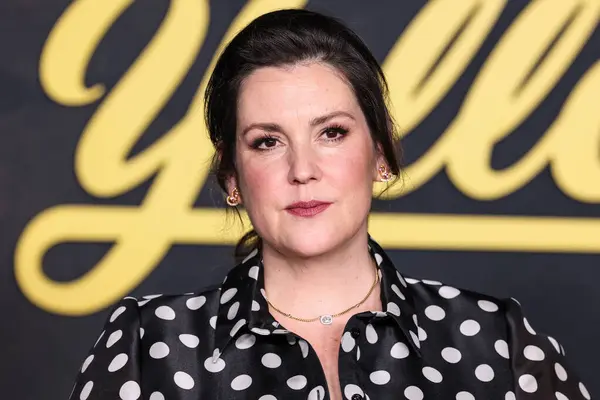
Melanie Lynskey’s career has become a case study in patient reinvention. She first made a lasting impression in Heavenly Creatures, then spent years balancing mainstream exposure with smaller, riskier work before reaching a new level of acclaim in Yellowjackets. That long arc matters. Her performances rarely ask for attention in obvious ways, yet they leave a strange afterimage: vulnerability, unease, intelligence, and a feeling that the character has a fuller life offscreen. The quiet force of her work is exactly why her reputation has grown stronger with time.
4. Kathryn Hahn
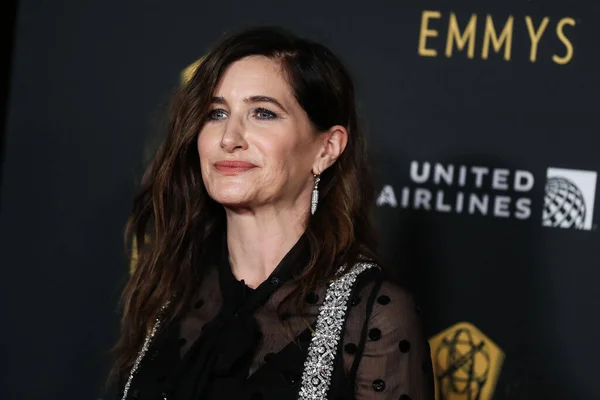
Kathryn Hahn spent much of the 2000s and 2010s doing the kind of supporting work that audiences love and awards bodies often overlook. Broad comedies benefited from her unpredictability, but projects like Private Life and Tiny Beautiful Things revealed how devastatingly precise she can be in dramatic material. Then WandaVision gave her a larger pop audience and confirmed what film viewers had been seeing for years. She is not simply funny. She is rhythmically exact, emotionally fearless, and unusually good at turning chaos into character.
5. Kelly Macdonald
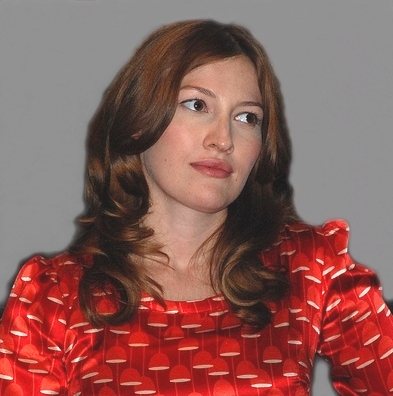
Kelly Macdonald has one of the most distinctive screen presences of her generation: low-key, grounded, and nearly impossible to overstate. After breaking through in Trainspotting, she built a transatlantic career that included Boardwalk Empire, voice work in Brave, and a memorable turn in Line of Duty. Even in stories built around violence, fantasy, or historical scale, she brings everything back to a human level. That ability makes her performances feel sturdier than the material around them.
6. Ruth Negga
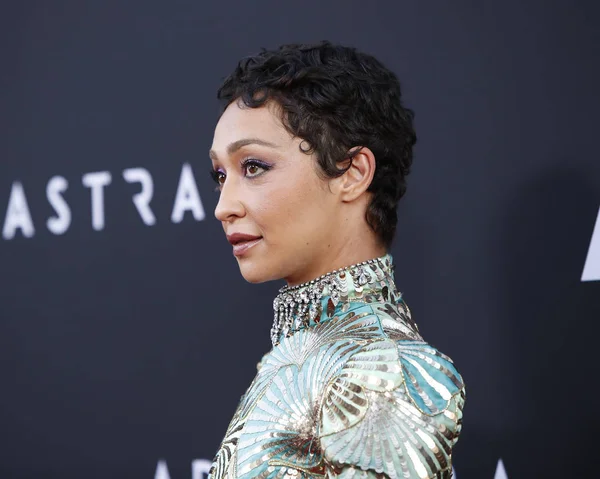
Ruth Negga has already received major recognition, including an Academy Award nomination for Loving, yet her body of work still feels under-discussed. Her screen presence is unusually concentrated; even silence reads as active thought. In Passing, she used restraint as a dramatic engine, while Preacher let her tap into something wilder and more playful. She moves between intimate period drama and big-scale productions without losing that intensity, which is rarer than it sounds.
7. Mary Elizabeth Winstead
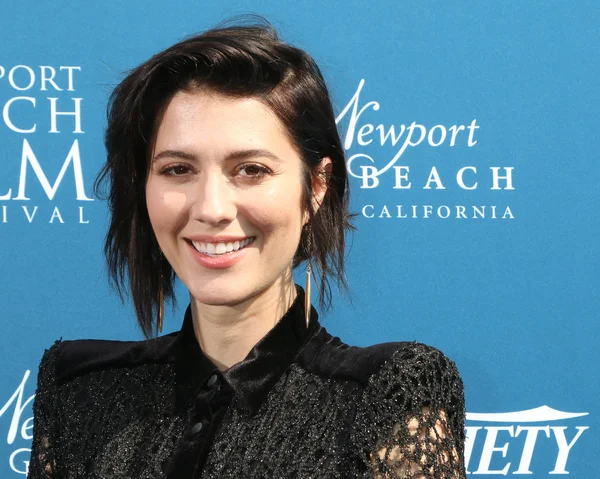
Mary Elizabeth Winstead has become one of the clearest examples of a performer whose cult standing never fully translated into wider industry celebration. Genre audiences embraced her through Final Destination 3, 10 Cloverfield Lane, and Scott Pilgrim vs. the World, but her dramatic work in Smashed and Fargo showed that her appeal was never limited to suspense or action. She has the rare ability to make stylized material feel intimate, which explains why viewers tend to follow her from one very different project to the next.
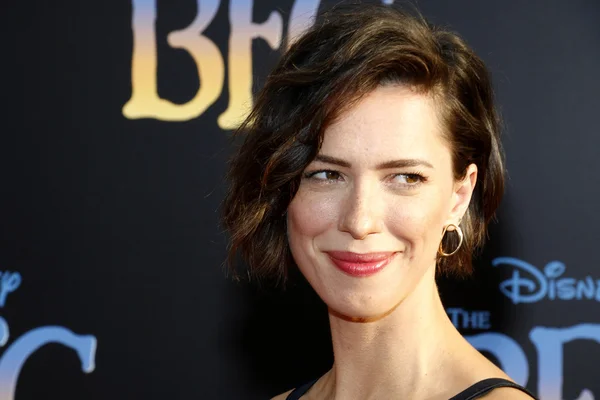
8. Rebecca Hall
Rebecca Hall’s career is unusually well balanced: prestige dramas, studio films, psychological horror, and now directing. She brought intelligence and composure to films like The Prestige and Iron Man 3, then leaned into darker, more unsettling work with The Night House and Resurrection. Her directorial work on Passing strengthened the larger picture of her career, showing an artist interested in structure and point of view, not only performance. That broader authorship makes her filmography feel especially rich.
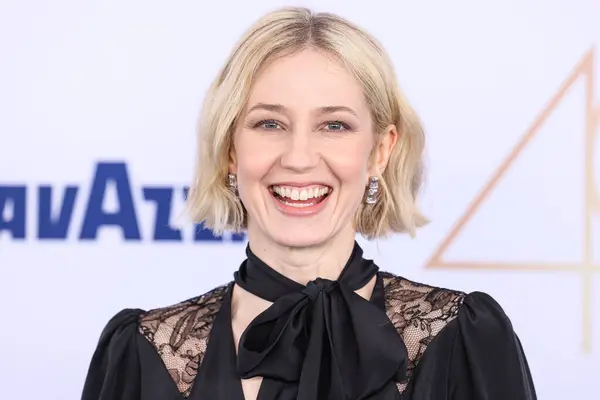
9. Carrie Coon
Carrie Coon has earned deep admiration from critics and serious television viewers, yet the wider celebrity conversation still seems smaller than her talent. The Leftovers remains one of the defining showcases of modern TV acting, and her work in Fargo, Gone Girl, and The Gilded Age only widened the proof. She does not perform emotion in a showy register. She lets it gather, harden, and finally break, which gives even dialogue-heavy scenes a startling amount of tension.
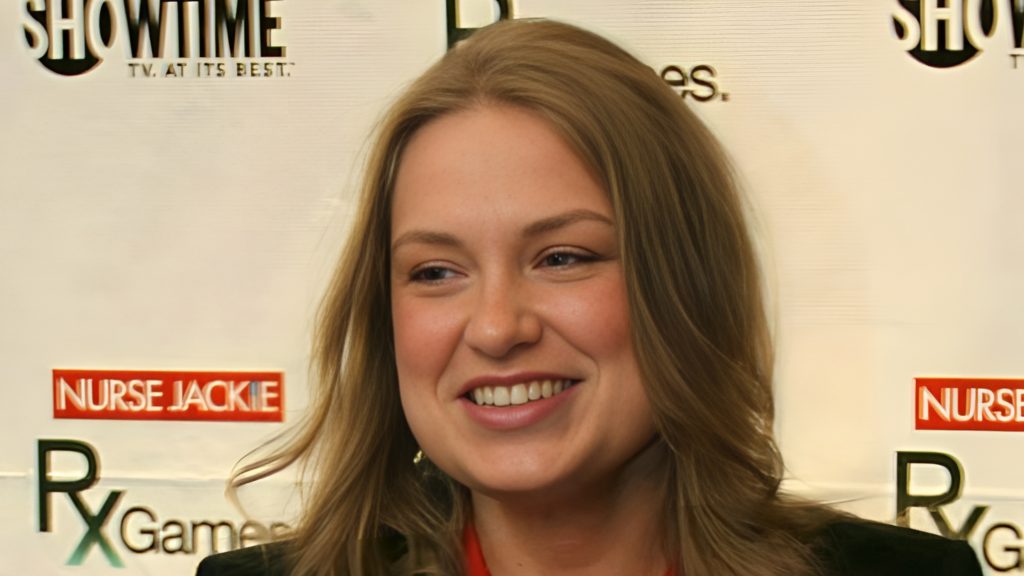
10. Merritt Wever
Merritt Wever has actually won major awards, which makes her inclusion here feel almost paradoxical. But public recognition has never quite caught up to the depth of her work. In Nurse Jackie, Godless, and Unbelievable, she turned characters who could have been drawn too broadly into people with humor, exhaustion, and stubborn realism. She is especially gifted at making decency feel complex rather than saintly. That alone sets her apart.
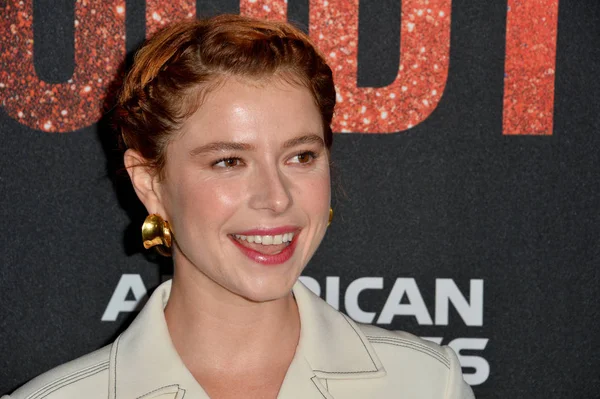
11. Jessie Buckley
Jessie Buckley arrived with the kind of intensity that tends to make every role look like a turning point. Wild Rose announced her as a performer willing to expose ambition, delusion, and longing all at once. Then came I’m Thinking of Ending Things, The Lost Daughter, Men, and Chernobyl, each using a different part of her screen energy. She does not aim for easy likability, which has helped make her one of the most compelling actresses working between independent film and prestige television.
12. Hong Chau
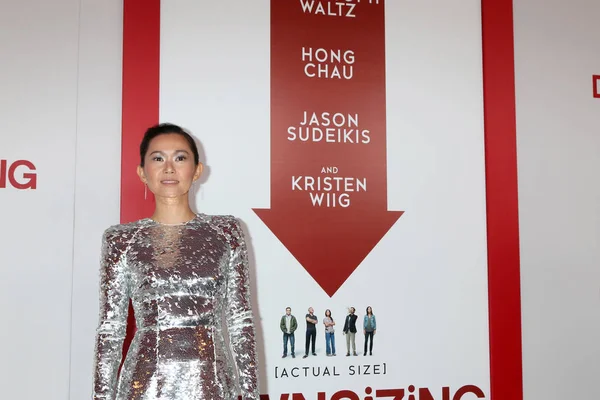
Hong Chau has a gift that many scene-stealers do not: she can dominate a moment without disrupting the larger tone of the project. After drawing attention in Downsizing, she deepened that reputation through The Menu, Watchmen, and an Oscar-nominated performance in The Whale. Her delivery is often calm, but never passive. There is a precision to it that makes every line feel considered, and every pause feel revealing.
13. Rhea Seehorn
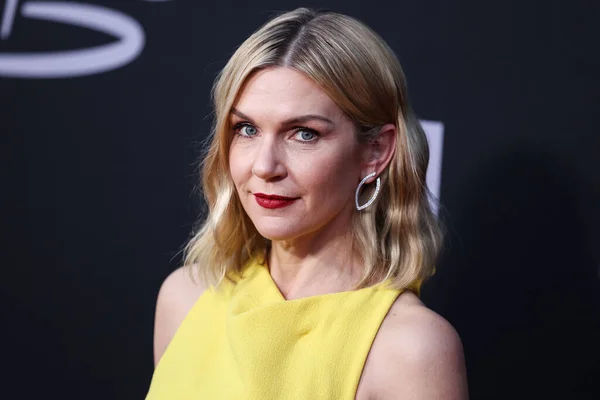
Rhea Seehorn turned Kim Wexler into one of television’s most closely studied characters, and that achievement still feels larger than the formal recognition around it. Across Better Call Saul, she built a performance from tiny shifts in posture, speech, and withholding. The result was a character who seemed to think faster than the scene could contain. It is a style of acting that can look effortless from the outside, which is often why it gets underestimated.
14. Shohreh Aghdashloo
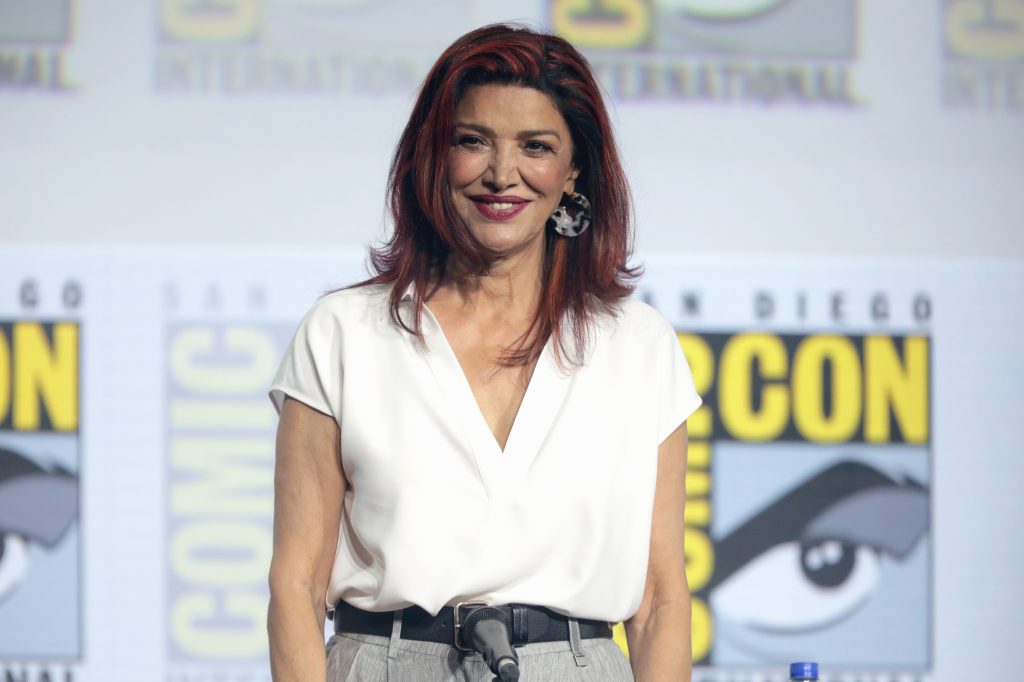
Shohreh Aghdashloo brings instant authority to the screen, but authority alone does not explain her staying power. Her Academy Award-nominated turn in House of Sand and Fog showed her dramatic force early on, while The Expanse gave her a role expansive enough to display wit, command, and political steel. Her unmistakable voice also carries across animation and games, including Arcane and Mass Effect. Very few performers can sound this singular and still keep every character distinct.
15. Toni Collette
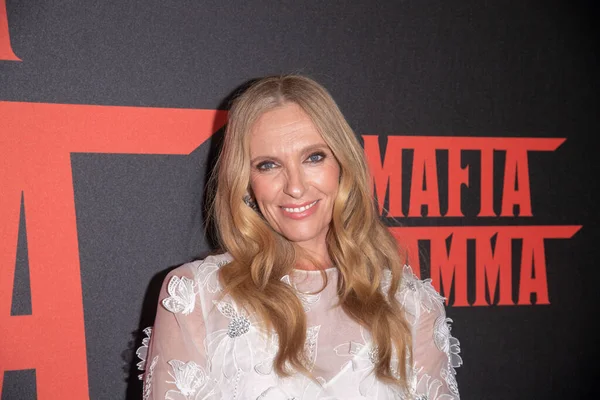
Toni Collette may be the clearest argument that “underrated” is not the same as “unknown.” She is admired, respected, and frequently cited by actors and critics, yet her full range still feels oddly undercounted in mainstream discussions. From The Sixth Sense and Little Miss Sunshine to United States of Tara and Hereditary, she has delivered performances that are emotionally huge without losing detail. According to long-running audience-curated lists of overlooked performers, her name has circulated for years as the emblem of talent that should be discussed even more often. That reputation has lasted because the work keeps holding up.
The actresses on this list do not share one career model. Some became cult favorites, some moved between indies and franchises, and some won awards without ever fully crossing into household-name territory. What connects them is consistency and the sense that audiences often remember their work more vividly than the industry conversation does. That gap is part of what makes them worth revisiting. In an entertainment culture obsessed with instant visibility, these careers show the lasting power of precision, risk, and staying interesting.

