
Fame can expand a career and shrink a private life at the exact same time. For some public figures, the hardest boundary was not with strangers, tabloids, or internet commentary, but with relatives who turned personal access into public material, financial leverage, or lasting emotional harm.
Across music, film, television, and sports, these family ruptures followed different paths. Some involved memoirs, leaked conversations, custody fights, lawsuits, or emancipation. Others came down to a quieter reality: trust disappeared, and contact went with it.
1. Adele
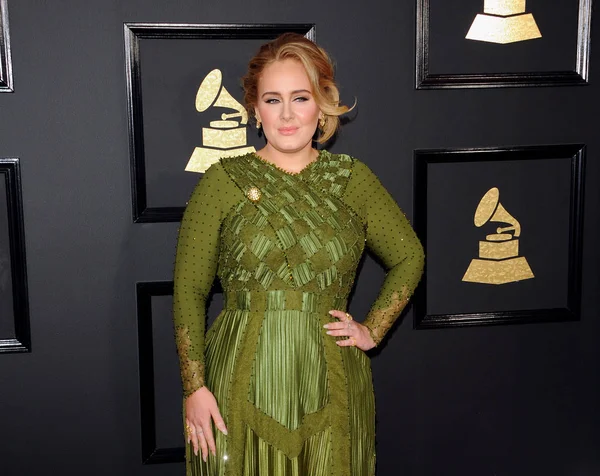
Adele’s break with her father, Mark Evans, became one of the clearest examples of celebrity privacy colliding with family conduct. She distanced herself after he discussed her childhood with tabloids during the rise of her career, a betrayal she said damaged trust beyond repair. The estrangement lasted for years before they reportedly reconciled shortly before his death in 2021. Her story remains closely tied to one recurring theme in celebrity families: public exposure can feel more personal when it comes from a parent.
2. Jennifer Aniston
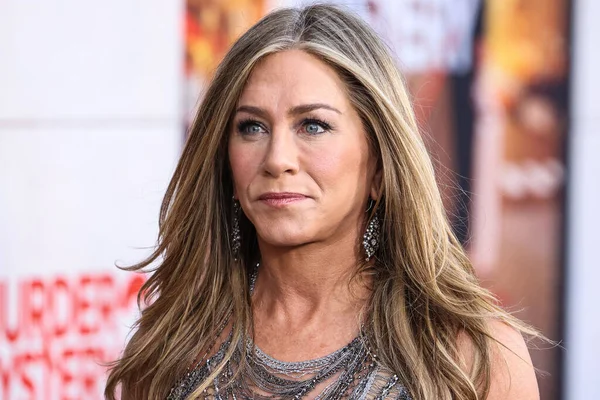
Jennifer Aniston spent years estranged from her mother, Nancy Dow, after Dow published a memoir that disclosed Closeness details about their relationship. The conflict reportedly stretched for well over a decade, and Aniston did not invite her mother to her wedding to Brad Pitt. Later, she spoke openly about forgiveness, telling Allure in 2022 that she had forgiven both parents before their deaths. Even with that reconciliation, the original rupture underscored how deeply public storytelling can wound private family bonds.
3. Macaulay Culkin
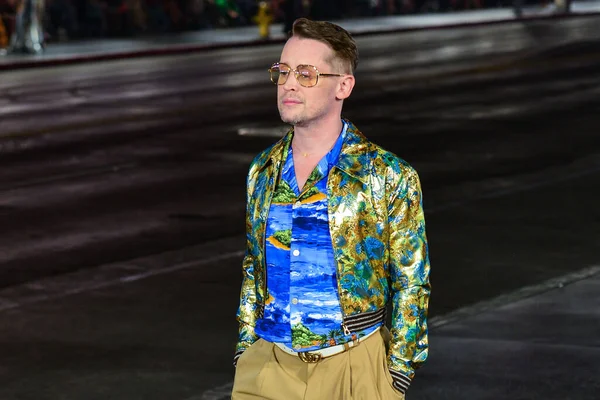
Macaulay Culkin took the rare legal step of emancipating himself as a teenager, separating from his parents while trying to protect the fortune he earned as a child star. He accused his father, Kit Culkin, of abusive behavior and financial mismanagement, and the split gave him control over his own earnings. The decision is often cited as one of the most dramatic examples of a young performer using the legal system to create distance from a parent.
4. Mariah Carey
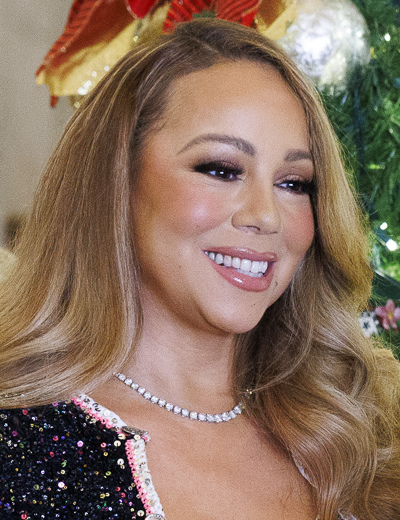
Mariah Carey has described estrangement from parts of her family as a matter of safety and survival, not celebrity drama. In her memoir, she wrote about feeling endangered by her siblings and portrayed the relationship as long fractured, not simply strained by fame. One of the book’s most quoted lines was her description of being treated like “an ATM with a wig.” That phrase stayed with readers because it captured a larger pattern that appears often in celebrity estrangement stories: once money and visibility enter the picture, family roles can become transactional.
5. Drew Barrymore
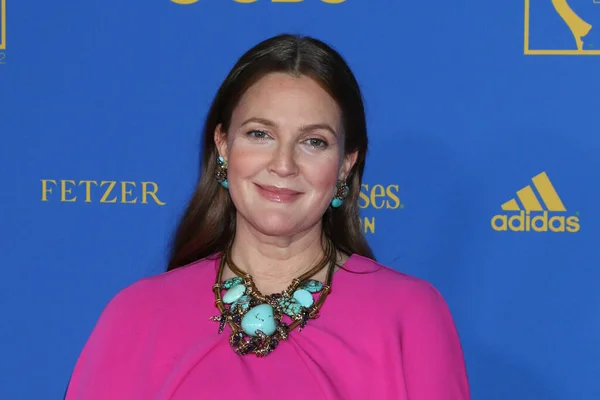
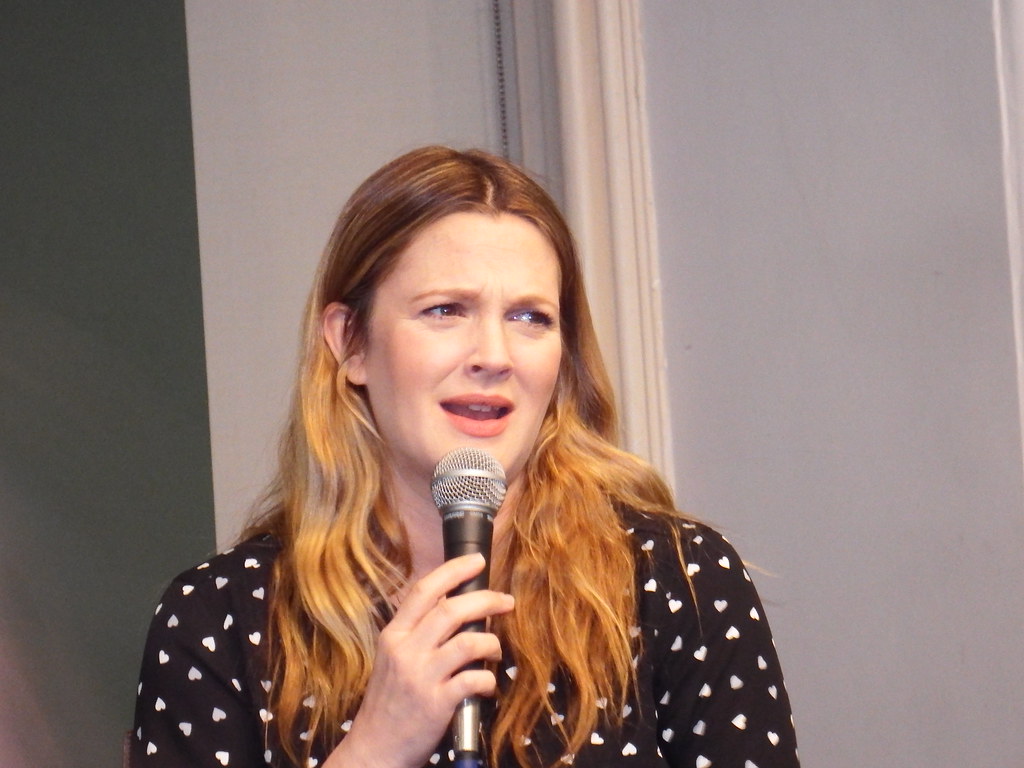
Drew Barrymore legally separated from her mother as a young teenager after a chaotic childhood in entertainment. She later wrote in her memoir Wildflower that “too much had happened,” describing a life that involved nightclubs instead of school and a home environment that had broken down. Their relationship eventually resumed in a more distant form, but only after Barrymore created strong limits around her life.
6. Eminem
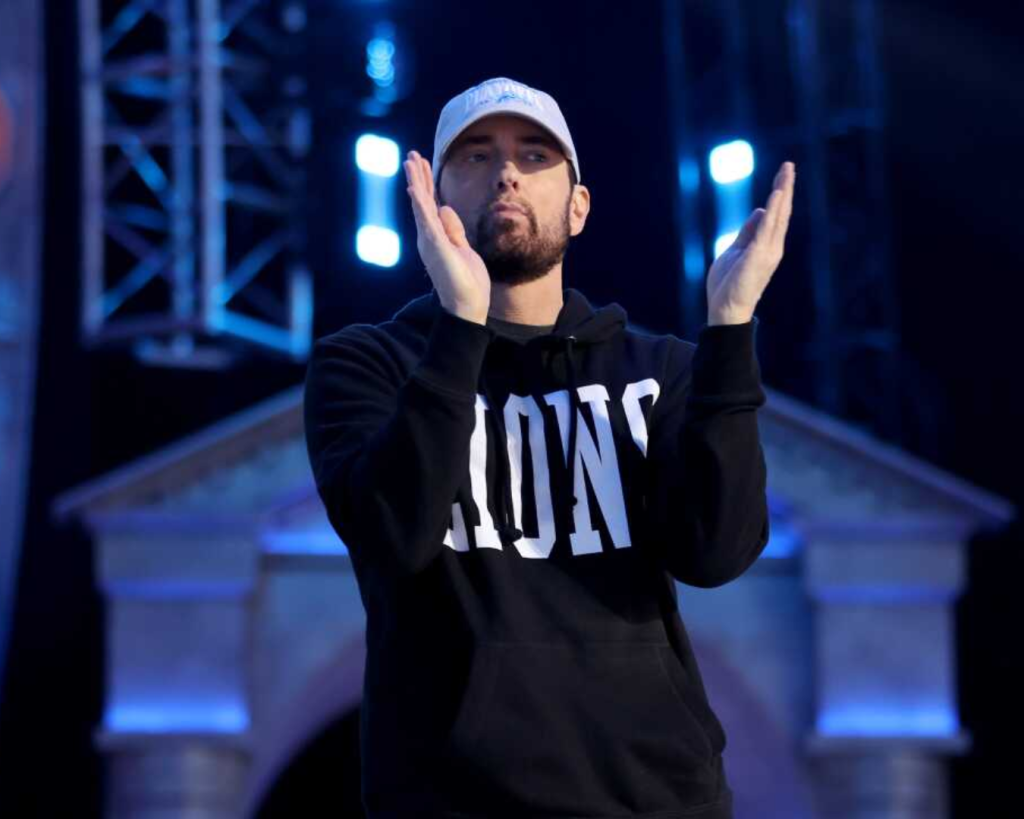
Eminem’s conflict with his mother, Debbie Nelson, unfolded in unusually public fashion through songs, interviews, and a defamation lawsuit. For years, the feud became part of his artistic identity, with anger and accusation turning into cultural shorthand for a broken parent-child relationship. In later work, he signaled regret and a softer view of the past, but the estrangement had already shown how fame can turn family pain into a permanent public record.
7. Angelina Jolie
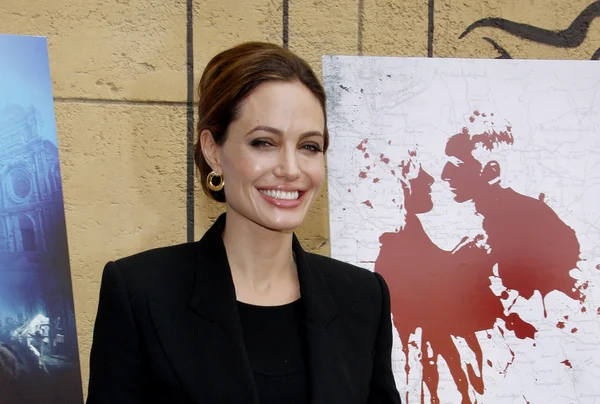
Angelina Jolie’s split from Jon Voight deepened after he spoke publicly about her mental health in 2002. She responded by distancing herself and legally dropping his surname, a move that signaled both personal hurt and public independence. The relationship eventually improved, but only after years of separation. Her choice reflected a pattern seen across several celebrity families: when a parent comments publicly on deeply personal matters, reconciliation often takes far longer than the original fallout.
8. Matthew McConaughey
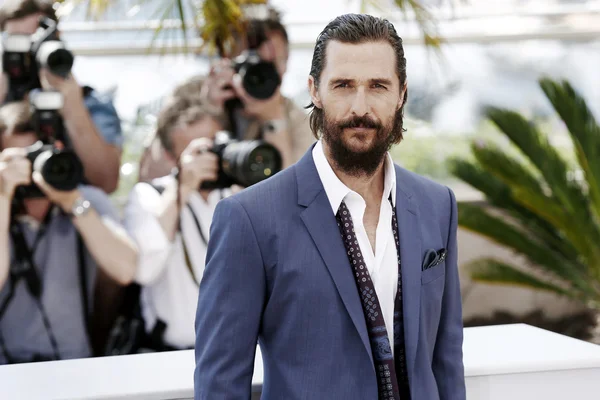
Matthew McConaughey stopped speaking to his mother for eight years after discovering that private conversations were ending up in the media. He later described how she appeared on Hard Copy and even showed people through his childhood room. His explanation was blunt: “I need just a mom right now, not a fan.” The estrangement eventually eased, but his story sharply captures what happens when a parent begins acting like a publicist, spectator, or celebrity accessory instead of a trusted relative.
9. Meghan, Duchess of Sussex
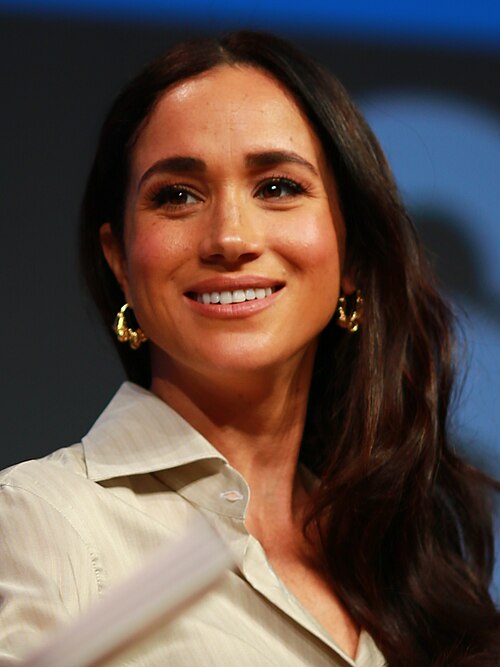
Meghan’s break with her father, Thomas Markle, became one of the most scrutinized family rifts in modern celebrity culture. The conflict centered on staged paparazzi photos and the publication of private correspondence, turning a deeply personal split into a long-running public spectacle. Reference accounts note that her father’s repeated engagement with media kept the story alive long after the initial damage was done. The result was not only distance, but a highly visible lesson in how public betrayal can make private repair nearly impossible.
10. Ariel Winter
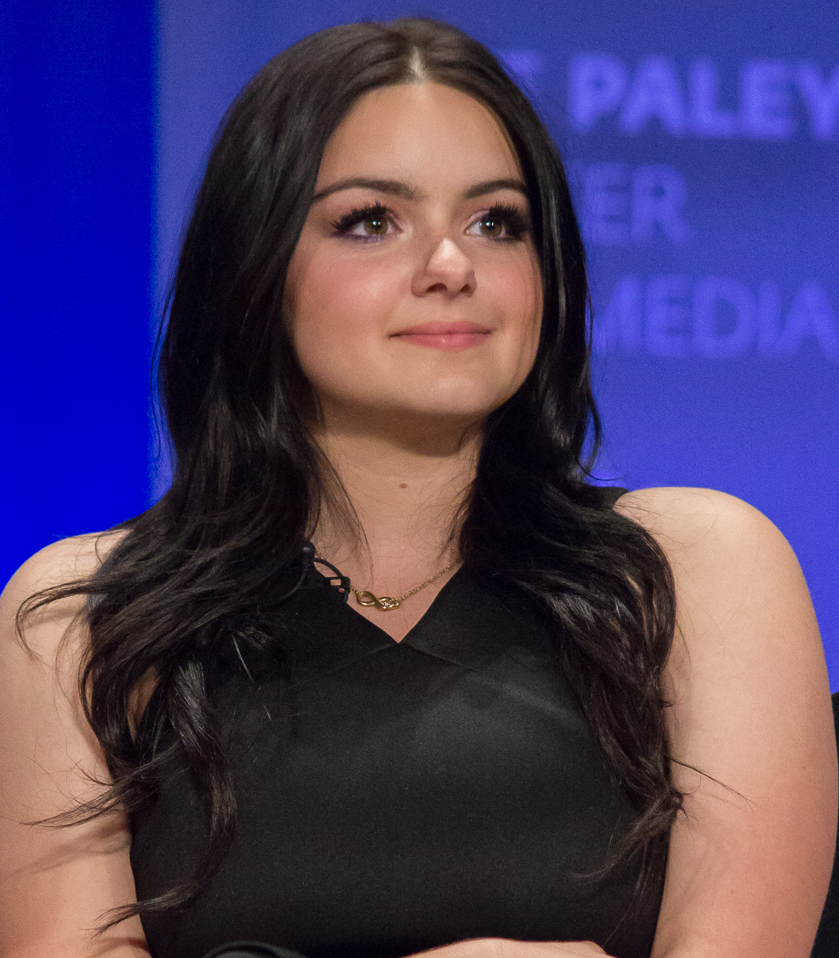
Ariel Winter was emancipated from her mother after abuse allegations and then lived with her older sister, who became her legal guardian. Her decision was less about fame than about creating a stable adolescence away from pressure and control. Still, her rise in television made the family conflict more visible, and she later spoke about wanting a more normal life than the one she had been allowed to have.
11. Leighton Meester
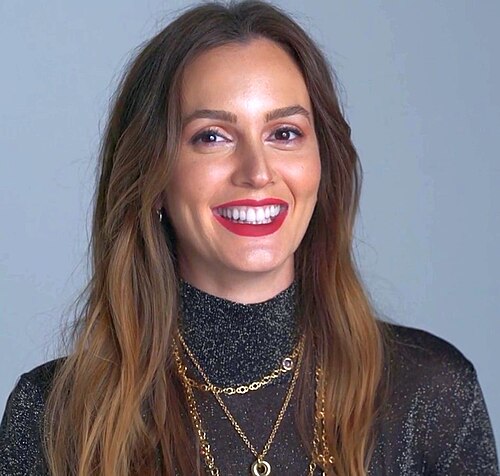
Leighton Meester’s estrangement from her mother followed a financial dispute that ended up in court. Meester had reportedly sent money intended to support her younger brother, then alleged that the funds were used for cosmetic procedures instead. The legal fallout hardened an already fragile relationship. In celebrity families, money conflicts often get dismissed as greed stories, but this case was equally about misused trust.
12. Lindsay Lohan
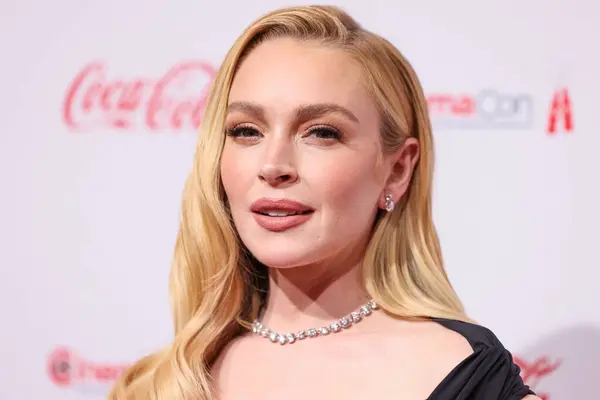
Lindsay Lohan’s relationship with her father, Michael Lohan, repeatedly collapsed under the weight of public disclosure. He spoke to tabloids about her legal troubles and addiction struggles, and she pushed back publicly, at times asking him to stop using her name for attention. Their bond never settled into stable trust for long, largely because private family matters kept being turned into media material.
13. Justin Bieber
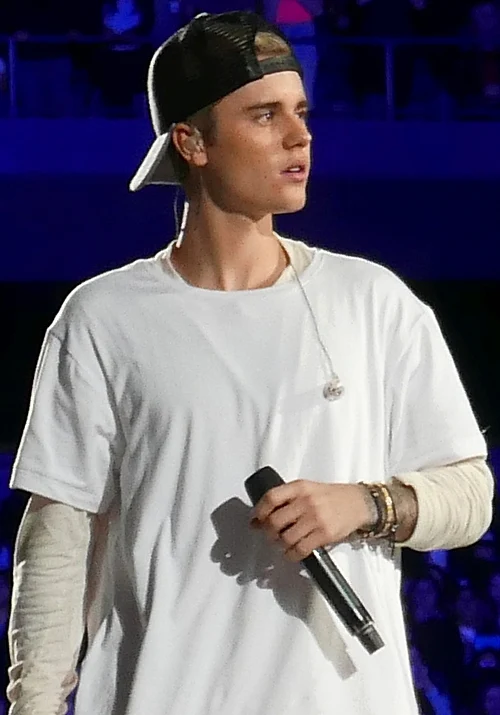
Justin Bieber’s estrangement from his mother was temporary, but it reflected how fame can distort even supportive relationships. During a turbulent stretch of legal troubles and personal instability, he admitted he felt ashamed and kept his distance. Unlike some others on this list, the split was not driven by exploitation or hostility from a parent. It was a case where the celebrity himself pulled away, and the relationship later recovered.

14. Demi Lovato
Demi Lovato cut ties with her father because of addiction, instability, and the toll the relationship took on her own recovery. The estrangement lasted until his death in 2013. Later, she honored him through a mental health scholarship, adding a complicated layer to the story: distance did not erase grief, and boundaries did not cancel care.
15. Kate Hudson
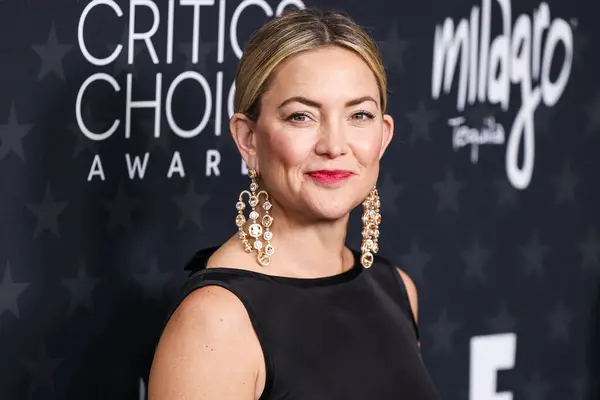
Kate Hudson’s break with Bill Hudson played out through public remarks that made the divide impossible to ignore. After years of distance, the conflict sharpened when her brother Oliver jokingly marked Father’s Day as “Happy Abandonment Day,” prompting Bill Hudson to say his children were “dead” to him and to ask them to stop using his surname. Kate has long identified Kurt Russell, who helped raise her, as her real father figure.
16. Brie Larson
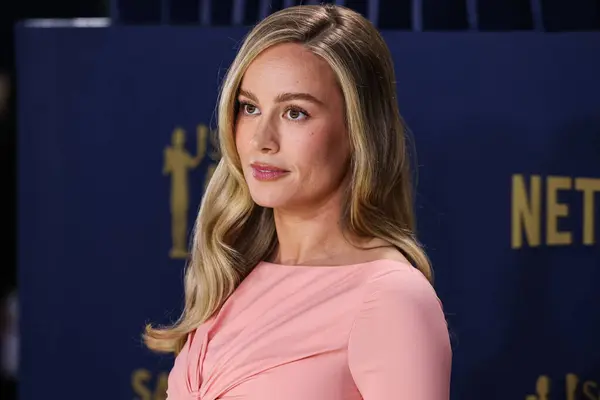
Brie Larson has said she stopped speaking to her father because she no longer believed he wanted to be an active parent. Her comments framed the split not as a single scandal, but as the end point of a long emotional absence. That kind of estrangement is quieter than lawsuits or tabloids, but it can be just as final.

17. Heather Graham
Heather Graham has described leaving home and later ending contact with her parents after a strict upbringing and major clashes over her career choices. Her distance from family was tied to autonomy as much as conflict. For performers who grew up under highly controlling expectations, fame sometimes becomes the first practical route to independence.
18. 50 Cent
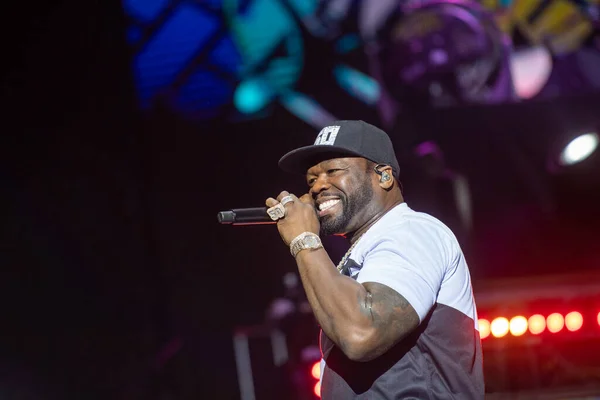
50 Cent’s estrangement from his eldest son, Marquise Jackson, reversed the usual pattern on this list by showing a celebrity cutting off family from the parent side. Their feud has unfolded on social media and in interviews, often in language that left little room for reconciliation. What stands out is how digital platforms turned a private family collapse into recurring public theater.
19. Kobe Bryant
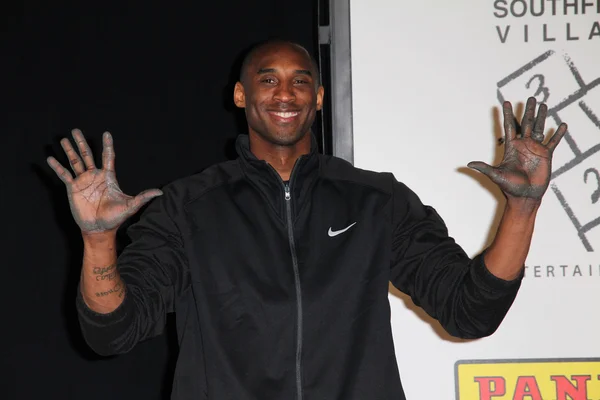
Kobe Bryant’s falling out with his parents intensified when they attempted to sell personal memorabilia without his approval. He went to court to stop the auction, and the dispute became a painful example of how ownership, legacy, and family entitlement can collide. Although there were signs the relationship was softening later, the damage from that episode remained part of his family history.
20. Aaron Rodgers
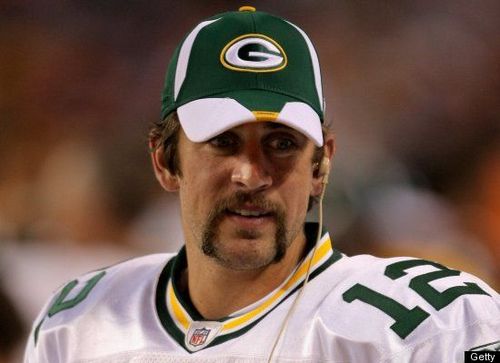
Aaron Rodgers has kept the reasons for his estrangement from family largely private, which in itself sets him apart. The split became widely known after his brother Jordan mentioned the lack of contact on television, but Rodgers has offered only limited hints about boundaries and personal choices. In a culture that expects celebrity families to explain everything, silence became part of the boundary.
What links these stories is not a single type of fallout. Some involve abuse allegations, some involve privacy violations, and some center on money, loyalty, or years of emotional distance. The common thread is that fame did not create every fracture, but it often made the fracture sharper, more public, and harder to repair. For public figures, family estrangement rarely stays private for long. Once trust breaks under celebrity pressure, the boundary itself can become part of the story.

