
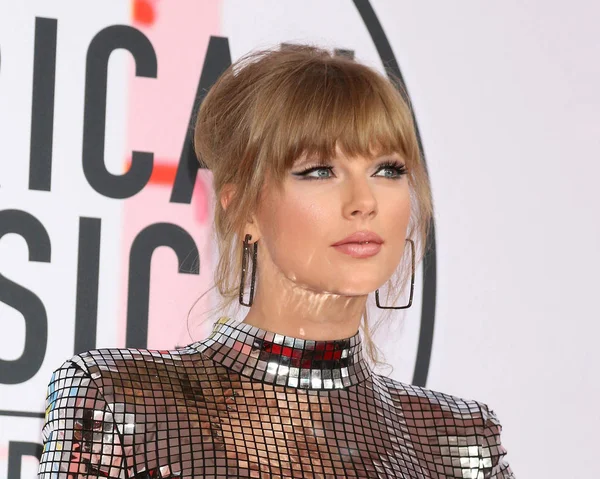
Celebrity beauty routines often sound glamorous from a distance. Up close, they can look more like tightly managed operations built around lighting, timing, privacy, skin prep, and image control. The stories tied to makeup chairs and dressing rooms reveal a pattern: many so-called high-maintenance stars are not just asking for luxury. They are protecting a very specific visual brand, whether that means a preferred camera angle, a silent room, or makeup designed to survive hours under hot lights and high-definition lenses.
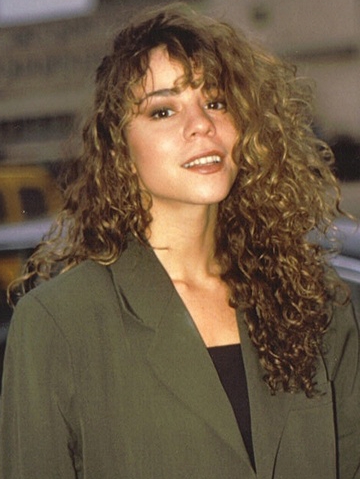
1. Mariah Carey treated lighting like part of the makeup
Mariah Carey’s reputation has long included a firm preference for her “good side,” careful control of shadows, and frequent touch-ups before appearances. The detail that stands out is how little separation there is between glam and production. In her case, makeup is not finished when the brush is set down; it continues through fan placement, camera positioning, and the overall way the face is framed. That approach helps explain why some artists describe certain celebrity clients as demanding when the real issue is total image management.
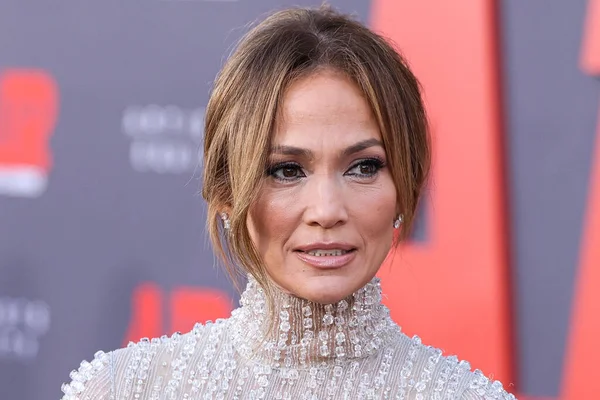
2. Jennifer Lopez turned the prep room into a controlled environment
Jennifer Lopez has frequently been associated with all-white dressing rooms, floral requirements, and strict temperature preferences. Those details can sound excessive, but they also point to a broader pattern in celebrity grooming: the room itself becomes part of the performance setup. The main goal is consistency. Reference material on celebrity aesthetic routines also notes that stars like Lopez have been linked to nonsurgical maintenance approaches such as fillers and skin-tightening treatments like Genius RF microneedling, showing how off-camera upkeep and on-site prep often work together.
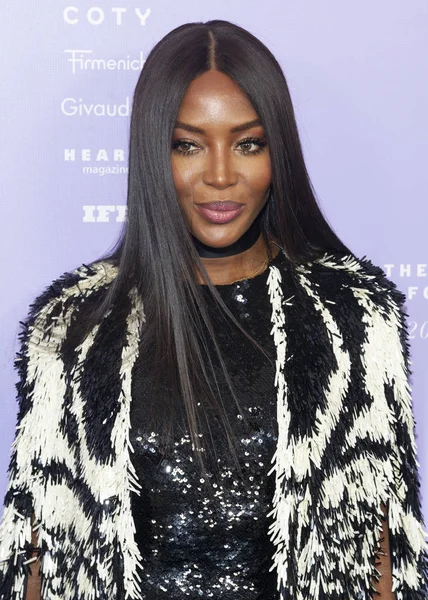
3. Naomi Campbell expected sanitation and precision before glam even began
Naomi Campbell’s standards reportedly start before product touches the skin. Makeup artists have described sanitized surfaces, a strict order of application, and a model’s understanding of lighting that can rival the crew’s. That makes her a different kind of high-maintenance figure: less chaotic, more procedural. The pressure on artists comes from the expectation that every step should be exact, clean, and camera-aware from the start.
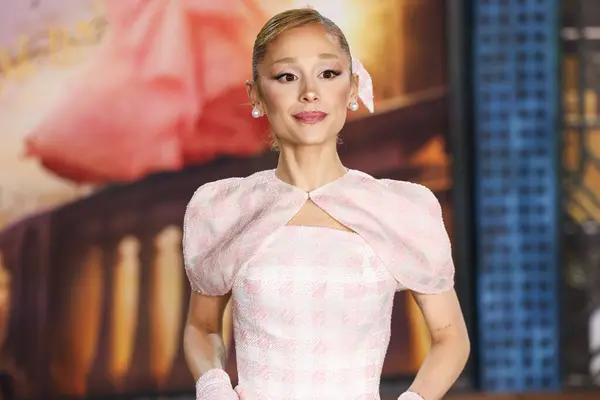
4. Ariana Grande made one camera angle part of her public image
Ariana Grande’s reported preference for the left side of her face is one of the clearest examples of a beauty choice becoming a production rule. Once a star’s audience gets used to a signature angle, preserving it can become part of the job for photographers, stylists, and makeup artists alike. Her ponytail carries the same logic. It is not just hair styling; it is brand recognition, maintained through repetition and strict visual consistency.
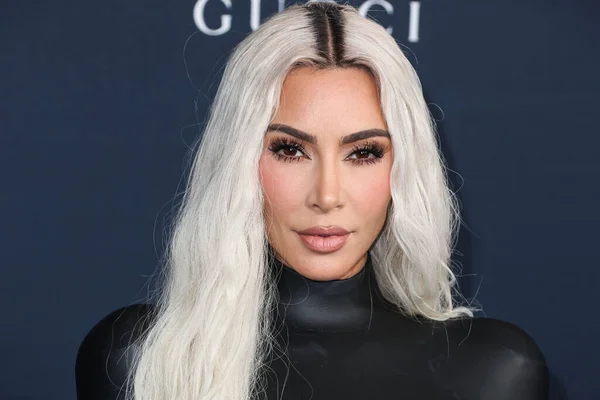
5. Kim Kardashian helped normalize marathon glam sessions
Kim Kardashian’s beauty reputation is built on involvement. Rather than simply showing up for hair and makeup, she has been described as deeply engaged in contour, finish, and the overall final look, often with a full glam squad in place. That level of oversight matches a larger celebrity beauty culture shaped by constant photography and close-up scrutiny. Reference material on red-carpet maintenance describes combination laser therapy as part of year-round skin upkeep for public figures, which helps explain why glam sessions for some stars begin long before event day.
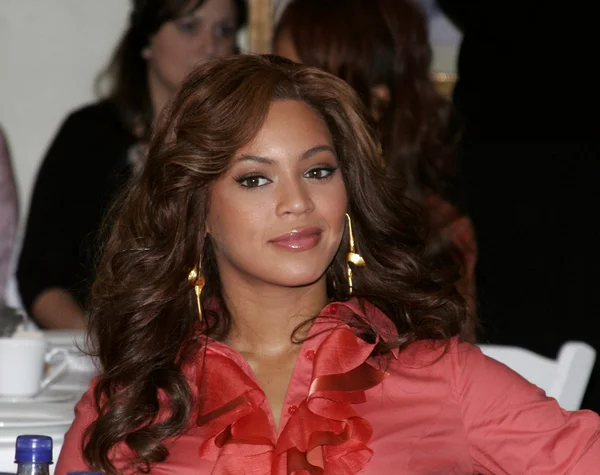
6. Beyoncé prioritized privacy, calm, and durability
Beyoncé’s reported requirements are less about spectacle than control: a quiet room, limited distractions, no-camera prep time, and a schedule that leaves little room for mistakes. That framework fits a performer whose makeup must hold up through intense stage conditions. Pre-event skin treatments have become part of that larger ecosystem, with celebrity beauty coverage noting the popularity of HydraFacial because it offers immediate results with little downtime. In practical terms, glam teams are often maintaining both a look and its endurance.
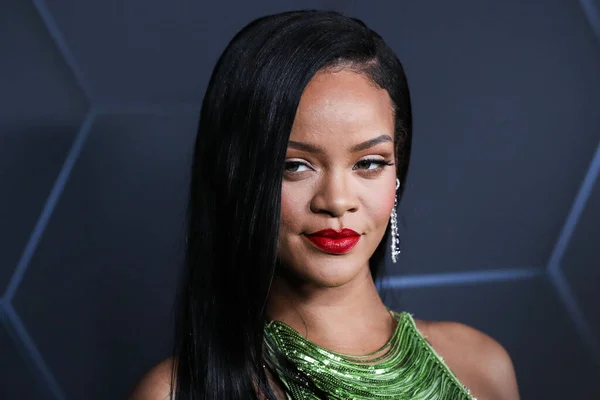
7. Rihanna brought creativity, but not always calm timing
Rihanna’s reported lateness is often mentioned alongside praise for her product knowledge and willingness to experiment. That combination can raise the pressure level in a makeup chair. Artists may have less time, but more creative input to process. Her background as the founder of Fenty Beauty adds another layer, because a client with strong technical familiarity tends to notice details quickly and expect the team to move at the same speed.
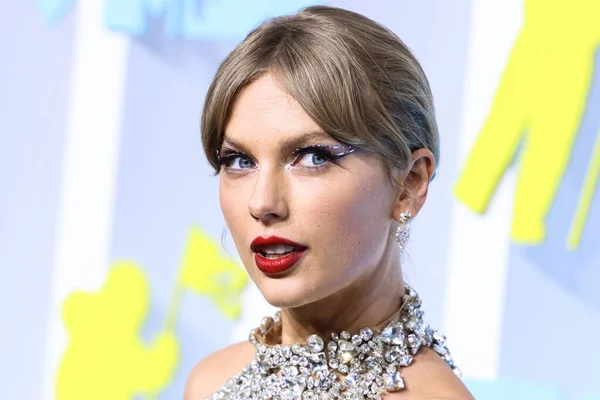
8. Taylor Swift made durability part of the beauty brief
Taylor Swift’s image is highly controlled, but the practical challenge is straightforward: the look has to last. A signature red lip, trusted inner circle, and precise dressing-room lighting all support that goal. During a tour built around three-hour sets, the beauty team’s role extends well beyond aesthetics. Products must survive heat, sweat, costume changes, and repeated close-up filming without losing the polished effect audiences expect.
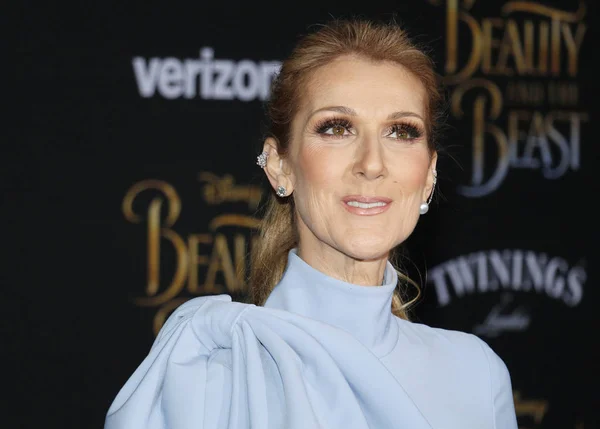
9. Celine Dion tied glam conditions to vocal protection
Celine Dion’s prep environment reportedly includes humidity control, stillness, and careful avoidance of irritants near the eyes and throat. That shifts the meaning of “maintenance.” In some cases, the rule is not vanity-driven at all; it is directly connected to performance capacity. For singers, makeup artists are working inside a broader health protocol, where scent, temperature, and even conversation level can matter.
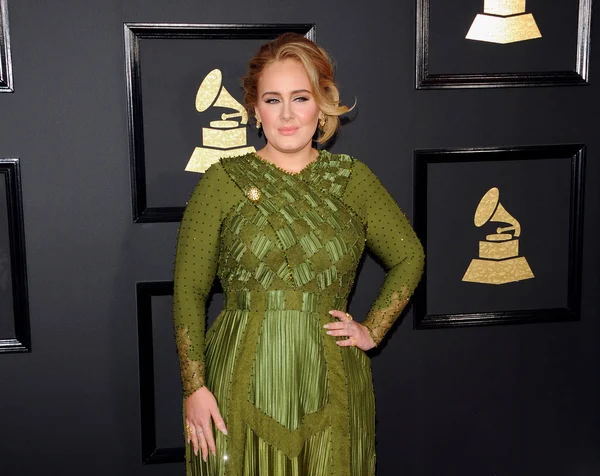
10. Adele kept one signature feature non-negotiable
Adele’s winged eyeliner has become so central to her look that the technique itself functions almost like wardrobe continuity. The atmosphere around her glam sessions is often described as relaxed, but the standard is not casual. When a face is built around one defining element, small inconsistencies become obvious fast. That is why classic beauty can be just as demanding as elaborate stage makeup.
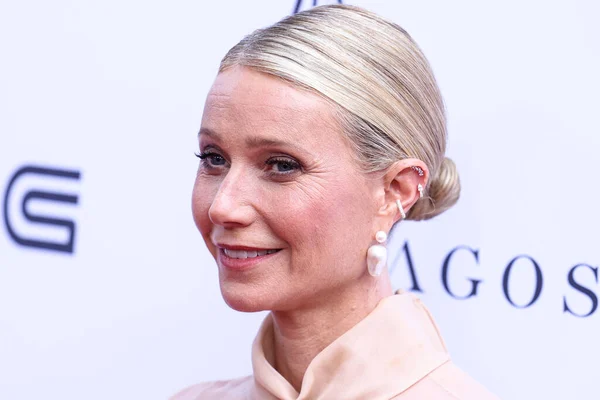
11. Gwyneth Paltrow focused on ingredients as much as appearance
Gwyneth Paltrow’s reported preference for quiet, scent-free rooms and tightly controlled product ingredients reflects a version of celebrity maintenance rooted in wellness language. Makeup artists working with clients like this are not simply selecting flattering formulas. They are navigating ingredient standards, sensitivities, and personal philosophies about what belongs on the skin. The demand is subtler than a dramatic rider, but it can be equally strict.
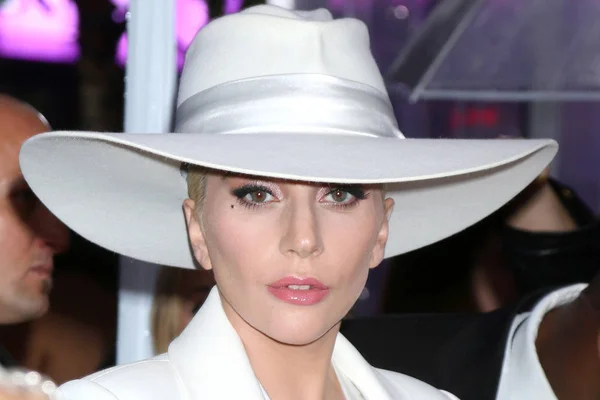
12. Lady Gaga turned glam into engineering
Lady Gaga’s looks often require prosthetics, heavy stage makeup, and extreme speed. That kind of prep calls for coordination more than pampering. Artists may need to work around costumes, character choices, and materials that have to read clearly under stage lights or on film. Her reputation for intensity comes partly from the fact that the beauty process itself is unusually technical, with little margin for error once the transformation begins.
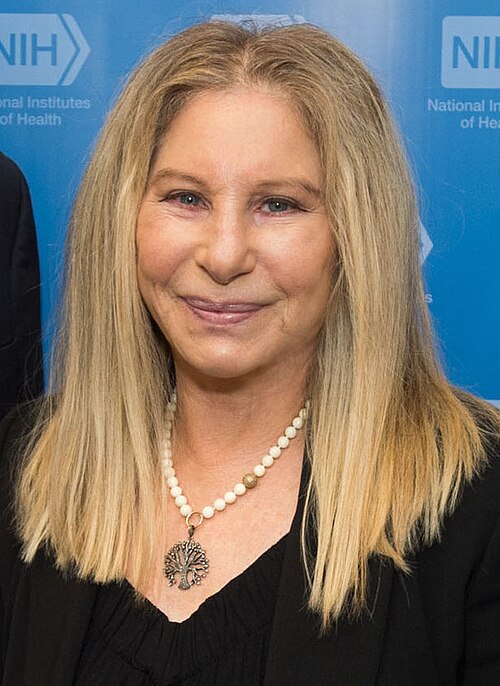
13. Barbra Streisand showed how long image control can last
Barbra Streisand’s long-standing attention to preferred angles, shadow placement, and color theory highlights something deeper than a diva stereotype. Some stars remain closely involved in how their face is lit and framed because they understand exactly how screen images are built. For makeup artists, that means the client is not only the subject of the work but also an active visual editor of it.
The common thread in these stories is not simply vanity. It is control over how a public face is produced, protected, and repeated. Some celebrities create pressure through lateness or strict rules. Others do it through precision, technical knowledge, or the expectation that a familiar image must look identical every time. Either way, the makeup chair is often where celebrity myth gets assembled in real time.

