
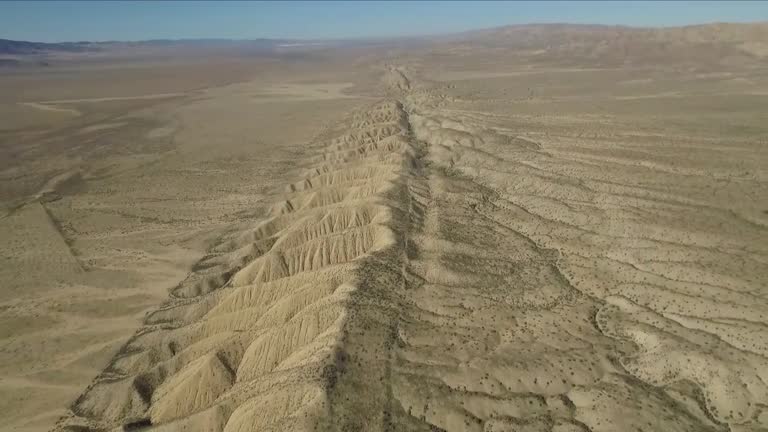
The San Andreas fault does not offer a countdown clock. It offers fragments: bent ground, locked segments, buried evidence of ancient ruptures, and small repeating tremors that hint at how strain moves through California’s crust.
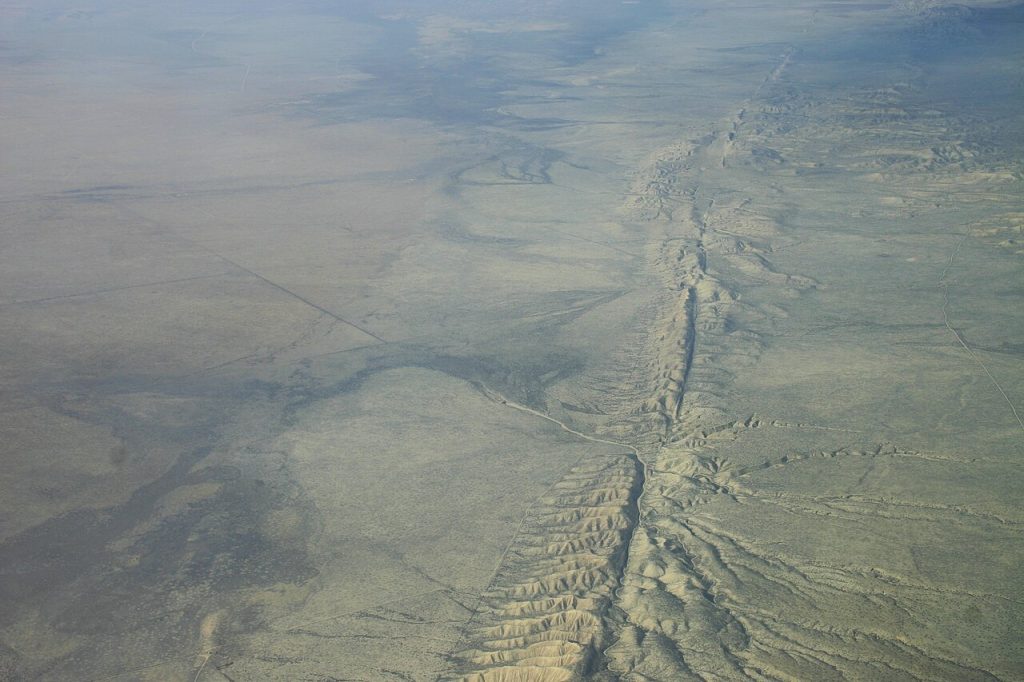
What seismologists watch most closely are not omens in the popular sense, but measurable patterns. Together, they show why researchers keep treating the fault as a long-term hazard without claiming they can name the day a major earthquake will arrive.
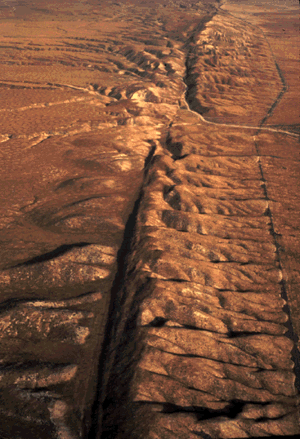
1. Stored motion along locked stretches
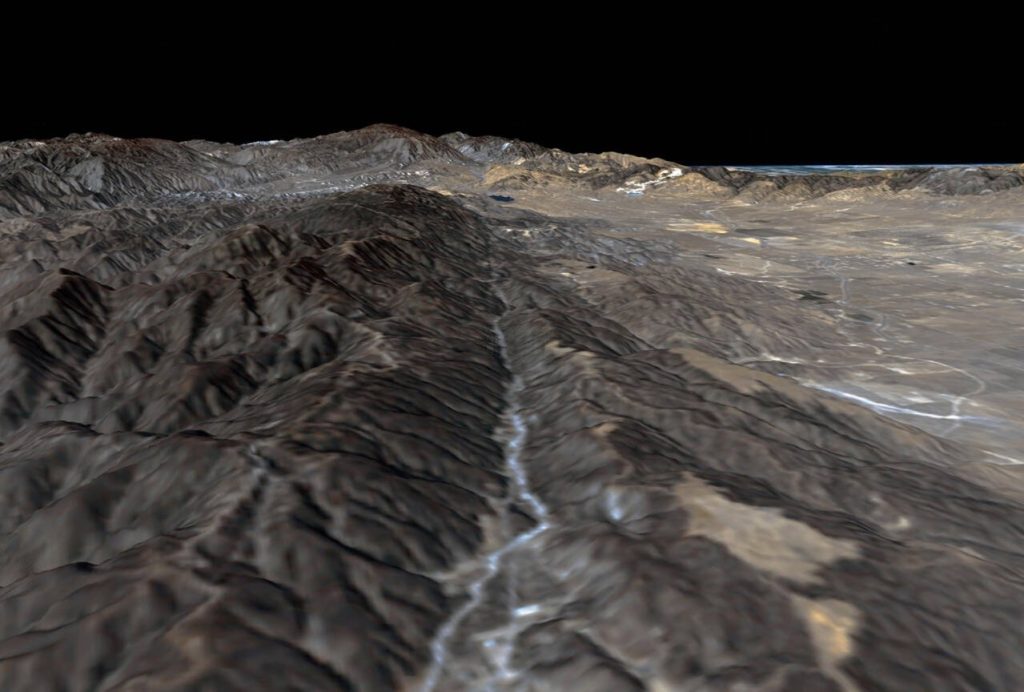
One of the clearest warning signals is slip deficit, the mismatch between how much tectonic plates want to move and how much a fault actually slips. When parts of the southern San Andreas remain locked, strain accumulates instead of being released gradually.
Satellite radar studies described in the main reporting found several meters of stored motion across parts of Southern California, a sign that the fault has been saving energy rather than spending it in smaller releases. Researchers treat that stored motion as a physical ledger, not a prediction tool. It shows the fault is loaded, which matters because a locked fault can eventually release years or centuries of strain in one large rupture.
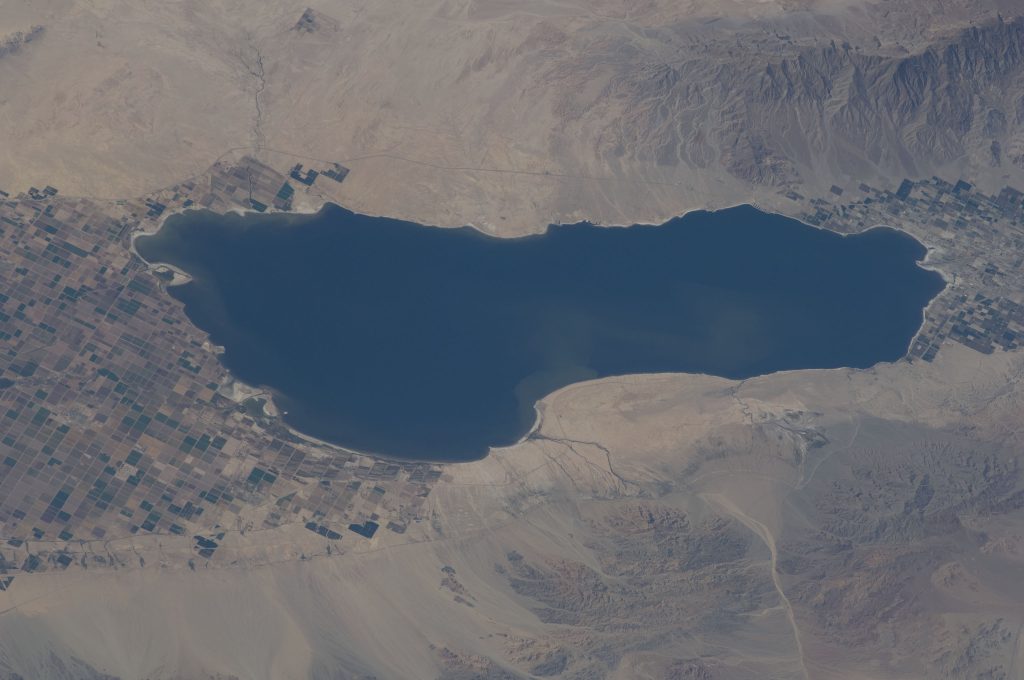
2. Long quiet gaps in the southern fault
Scientists pay close attention to sections that have gone unusually long without a major rupture. Sediment studies near the Salton Sea suggest the last major event on part of the southern San Andreas occurred in the late 1600s, leaving a long seismic gap in a region that has not produced a comparably large rupture in recorded California history.
That kind of silence is important, but not simple. A recent study of Myanmar’s Sagaing fault found that more than 310 miles of the fault ruptured in one event, including sections scientists did not expect to fail together. The lesson for California is that long-quiet segments matter, yet future ruptures may not stay neatly confined to them.
3. Microearthquakes that repeat in the same places
Deep instruments at the San Andreas Fault Observatory at Depth near Parkfield have allowed scientists to monitor repeating microearthquakes inside the fault zone. These tiny events often recur in the same patches, showing where small amounts of slip are happening again and again.
The value of those mini-quakes is contrast. If one patch is slipping repeatedly while nearby areas remain stuck, researchers can map a fault that is not behaving uniformly. That unevenness helps explain why some sections creep while others keep storing stress.
4. Surface creep in some places, stubborn locking in others
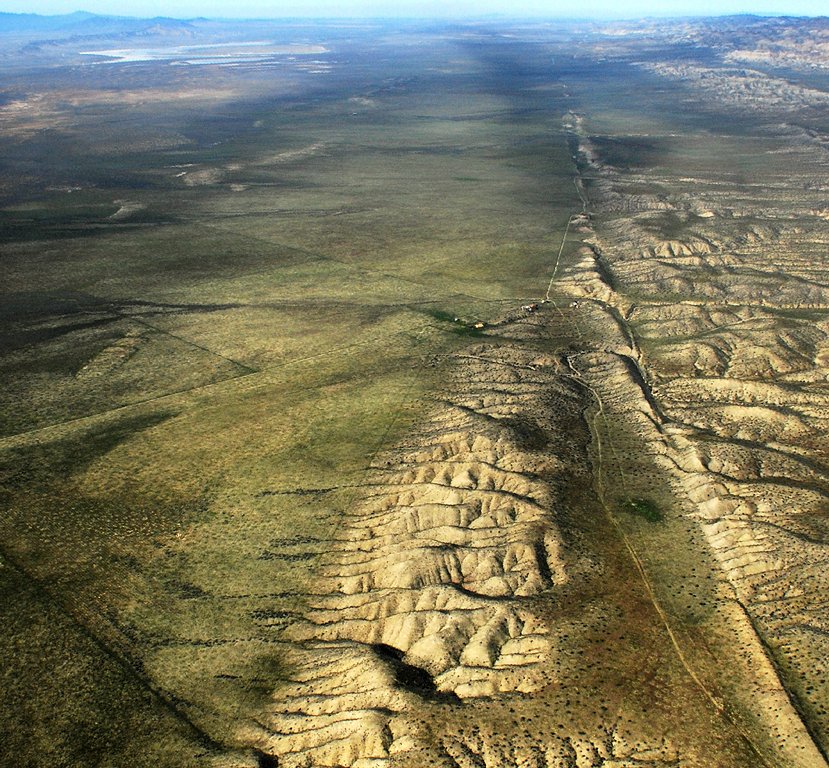
The San Andreas is not one machine with one rhythm. Some sections move slowly at the surface and can be tracked with alignment arrays and satellite measurements. Others stay locked for long periods, which makes them more concerning from a hazard standpoint.
This patchwork behavior is one reason earthquake prediction remains so difficult. A fault can look calm at the surface while deeper sections are loading, or it can release motion gradually in one corridor while holding tightly somewhere else. The mixed behavior matters more than any single dramatic signal.
5. Rupture paths that may be larger than past earthquakes
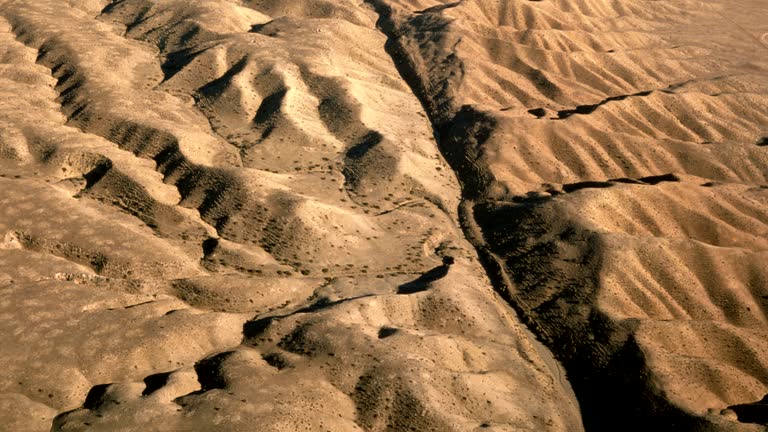
One of the more sobering shifts in earthquake science is the growing emphasis on scenario range rather than historical replay. Caltech researchers studying Myanmar concluded that “earthquakes never come back exactly the same way,” and California scientists are increasingly applying that same logic to the San Andreas.
That matters because a future rupture may not resemble 1857 or 1906. According to reporting on the new modeling work, California’s 1906 earthquake ruptured 296 miles of the fault, but newer studies suggest a future event could combine segments in ways that exceed familiar historical patterns. A rupture running from the Salton Sea far up the state has long been one of the scenarios scientists discuss because of the scale of simultaneous shaking it could produce.
6. Dangerous geography around the San Gorgonio Pass
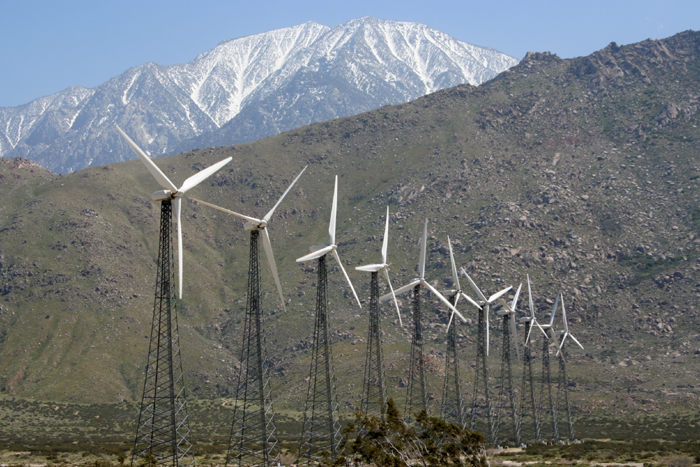
Some warning signs are not just about the fault itself, but about where the rupture would do the most systemic damage. Geologists have long pointed to San Gorgonio Pass as a critical choke point because water, transportation, and power corridors converge there.
Experts have warned that San Gorgonio Pass could become a regional bottleneck in a major rupture, with consequences far beyond the desert. The same reporting also highlighted a feared scenario in which shaking energy is directed toward the Los Angeles Basin, where sediments can amplify and prolong motion.
7. Early warning systems built around seconds, not certainty
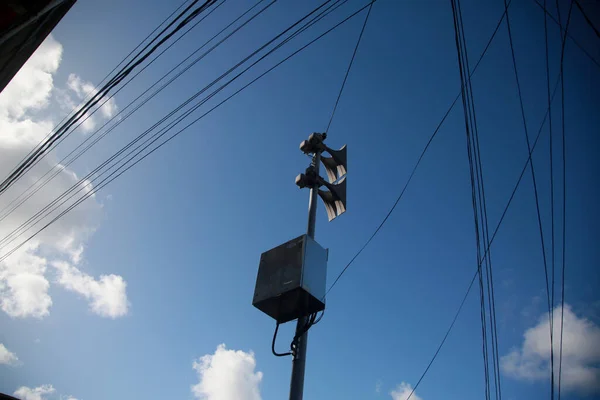
Modern earthquake science has not solved prediction, but it has improved reaction time. California’s warning network rapidly processes ground motion from seismic stations and sends alerts once an earthquake has already begun and strong shaking is imminent.
The state explains that the ShakeAlert message estimating magnitude and location is generated after sensors detect a quake, while the public system can give some people only seconds of lead time before strong shaking arrives. That distinction is crucial: early warning is not a forecast of next month’s disaster, but a tool designed to reduce harm in the first moments of one.

Put together, these signs explain why scientists keep sounding careful alarms about the San Andreas without claiming to predict the next megaquake. The fault shows accumulated strain, uneven slipping, ancient rupture history, and the capacity for behavior that may not mirror the past. The central message remains narrow but consequential. Researchers cannot name the day, yet the measurable clues are strong enough to show why California’s most famous fault is watched so closely.

