
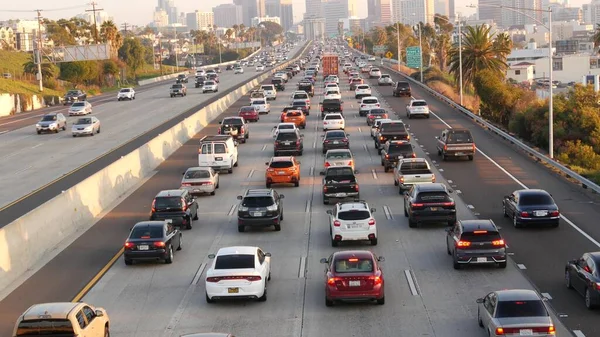
California’s 2026 vehicle laws are not limited to obscure code updates. Several of the changes reach into ordinary moments behind the wheel: passing a stalled car, parking near a crosswalk, buying a used vehicle, or riding an e-bike after dark. Some rules sharpen penalties. Others add consumer protections or widen safety requirements that many drivers may not expect. Here are the California changes with the clearest everyday impact.
1. Drivers now have to slow down for more than emergency vehicles
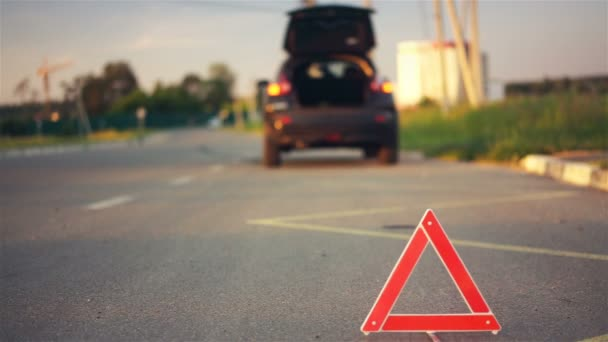
California expanded its “Slow Down, Move Over” rule through AB 390. The requirement no longer applies only to emergency responders or marked highway crews. It now covers stationary vehicles displaying hazard lights or another warning device. That matters on ordinary shoulders and breakdown lanes, where stranded drivers, tow operators and passengers often stand only a few feet from moving traffic. When safe, motorists must change lanes away from the stopped vehicle. If a lane change cannot be made safely, the expectation is to slow down.
2. Red-light cameras are moving into a broader enforcement role
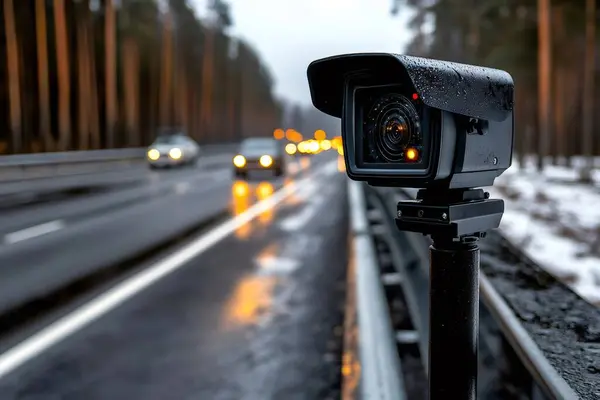
Local governments can now use automated systems for red-light enforcement under SB 720. The shift gives cities and counties another way to police dangerous intersections without relying entirely on an officer witnessing the violation in person. The practical change for drivers is simple: intersections may carry more enforcement even when no patrol car is visible. The DMV said violations captured by these systems are subject only to civil penalties, which places the focus on deterrence and traffic control rather than criminal prosecution.
3. License plate covers are drawing a harder crackdown
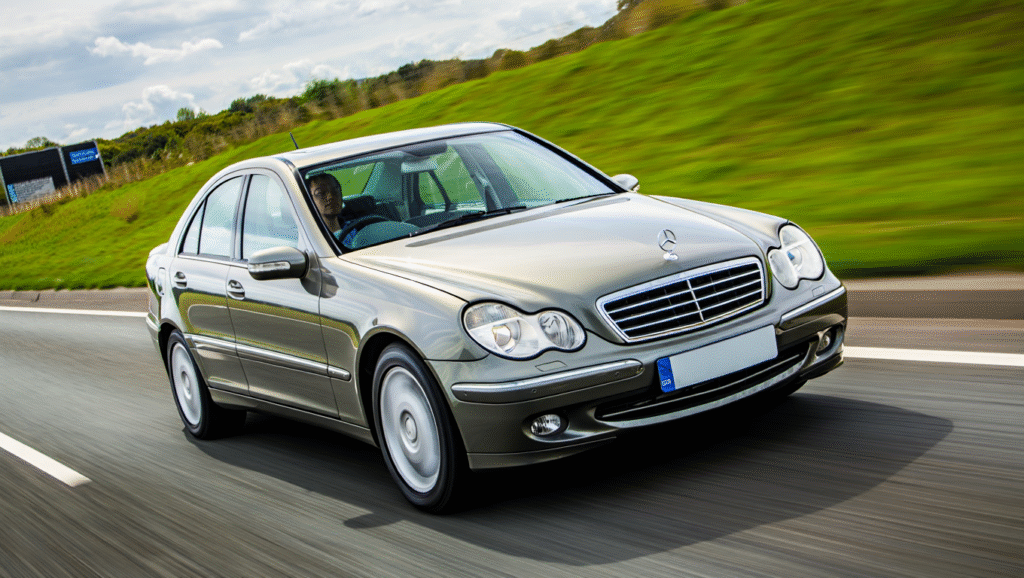
California tightened its stance on products designed to block the visual or electronic reading of license plates. Under the 2026 rule, manufacturing such a device in the state can bring a $1,000 infraction. This targets the growing use of tinted covers, flippers and similar accessories that interfere with toll systems, camera enforcement and vehicle identification. For drivers, the broader message is that plate visibility is no longer a minor cosmetic issue in the eyes of regulators.

4. Used-car buyers get a stronger escape hatch
The California Combating Auto Retail Scams Act, known as SB 766, takes effect Oct. 1, 2026. It bars dealers from misrepresenting key parts of a sale, including total vehicle cost and financing terms, and adds a three-day right to cancel for certain vehicle purchases or leases under $50,000. That changes the pressure around signing day. Instead of treating the paperwork as final the moment a buyer leaves the lot, the law creates a short buffer for reconsideration and makes misleading add-ons harder to hide inside a contract.
5. Parking fines may no longer spiral as quickly for low-income drivers
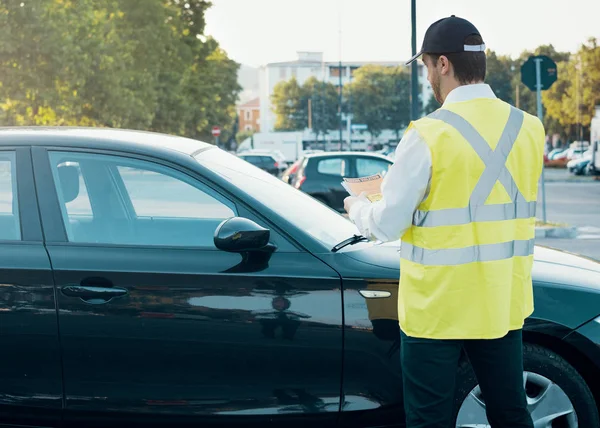
Through AB 1299, local governments can waive or reduce parking penalties for people who cannot afford to pay, and they must offer a payment plan when requested. The change addresses a familiar cycle in many cities, where one unpaid ticket can grow into towing, liens and lost transportation. It is a short provision with large consequences. Access to a car often determines whether someone can keep a job, manage child care or make medical appointments, so the law shifts some parking enforcement away from automatic escalation.
6. DUI oversight now lasts longer in the gravest intoxicated driving cases
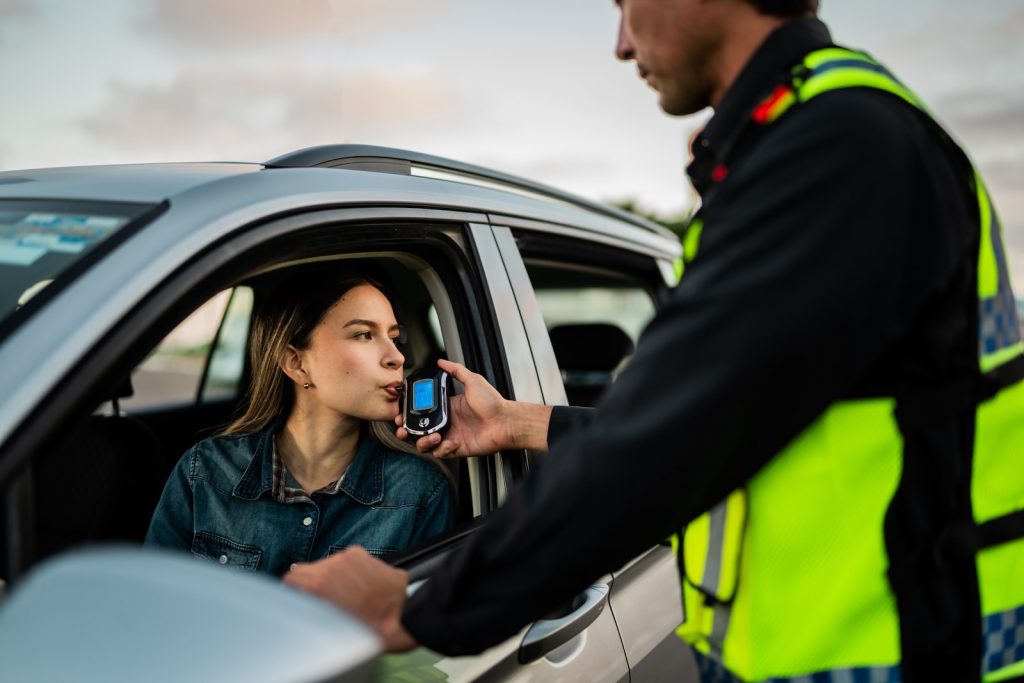
California increased probation for vehicular manslaughter and gross vehicular manslaughter while intoxicated from two years to between three and five years. The state also extended its ignition interlock device program for specified DUI offenders to 2033. Together, those changes show how the state is leaning on longer supervision and in-car prevention technology rather than short monitoring windows. Assemblywoman Cottie Petrie-Norris said, “AB 366 will preserve our current protections and expand this mandate, ensuring that every individual convicted of a DUI must install an IID.”
7. Electric off-road motorcycles are no longer sitting in a legal gray area
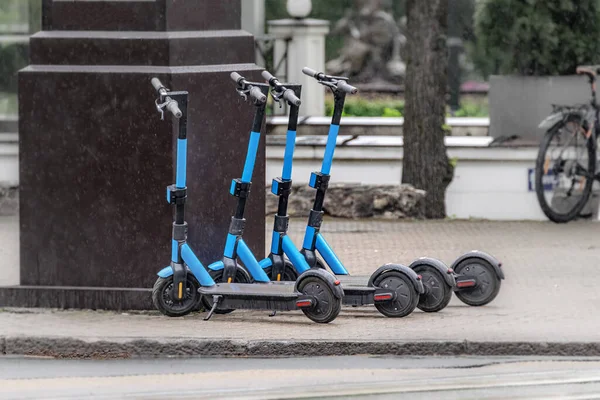
Under SB 586, an off-highway electric motorcycle, often called an eMoto, is formally treated as an off-highway motor vehicle. That means the vehicles must follow off-highway rules, including identification requirements. The update is aimed at a fast-growing category that often blurred the line between dirt bike, e-bike and small motorcycle. Riders now face clearer boundaries about where these machines belong and what equipment or registration markers they need.
8. E-bikes need better rear visibility at all hours
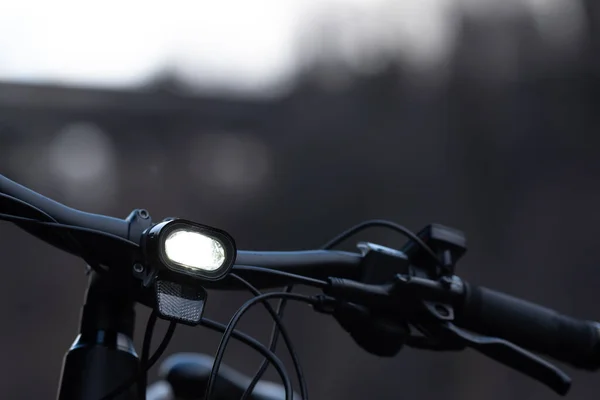
California’s updated e-bike rule requires a red reflector or a red rear light with a built-in reflector during all hours of operation. The standard is notable because it is not limited to night riding. That reflects how e-bikes are increasingly used for commuting, deliveries and neighborhood trips at all times of day, often in traffic patterns that move faster and feel less predictable than traditional bike use. Visibility, in this context, is treated as an all-day safety issue rather than a sunset issue.
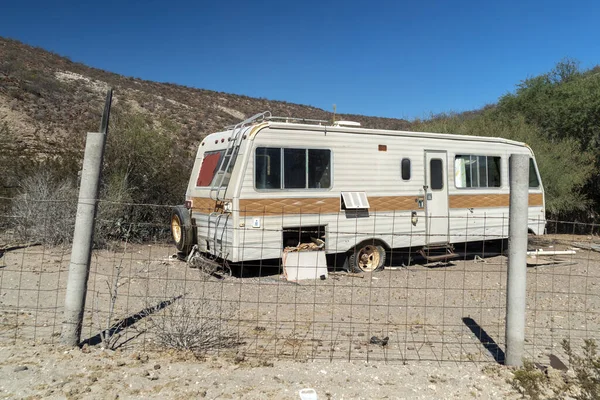
9. Abandoned RV removal is getting easier in two counties
Alameda and Los Angeles counties now have authority, until 2030, to remove and dispose of certain abandoned recreational vehicles valued at $4,000 or less once a public agency verifies they are inoperable. The rule is narrow, but the local effect can be significant on streets where derelict RVs have become persistent hazards. The law is framed around inoperability and low value, which keeps the focus on neglected vehicles rather than ordinary parking disputes. For neighborhoods dealing with blocked sightlines, sanitation problems or repeated complaints, that distinction matters.
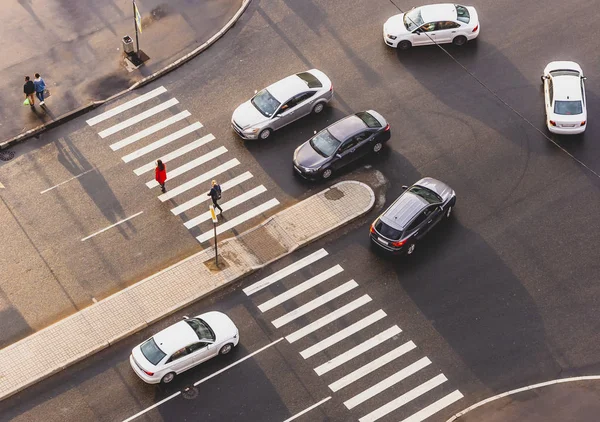
10. A not-new parking rule still deserves attention in 2026
One of the easiest tickets to trigger may come from a law that predates 2026 but is still expanding in real-world enforcement: daylighting. California’s crosswalk parking rule makes it illegal to stop, stand or park within 20 feet of a crosswalk on the approach side, even when the curb is not freshly painted red. That detail continues to catch drivers off guard. KQED reported that some cities have taken different enforcement approaches, but the underlying rule is statewide and tied to pedestrian visibility at intersections.
California’s 2026 driving laws point in a clear direction: more automated enforcement, more attention to roadside visibility, and fewer assumptions that old habits still fit the rules. The biggest risks are not limited to reckless driving. They also live in routine decisions that feel harmless until a citation, a denied claim or a failed transaction says otherwise. For drivers, riders and car shoppers, the adjustment is less about memorizing bill numbers than recognizing how much of the state’s road policy now targets everyday behavior.

