
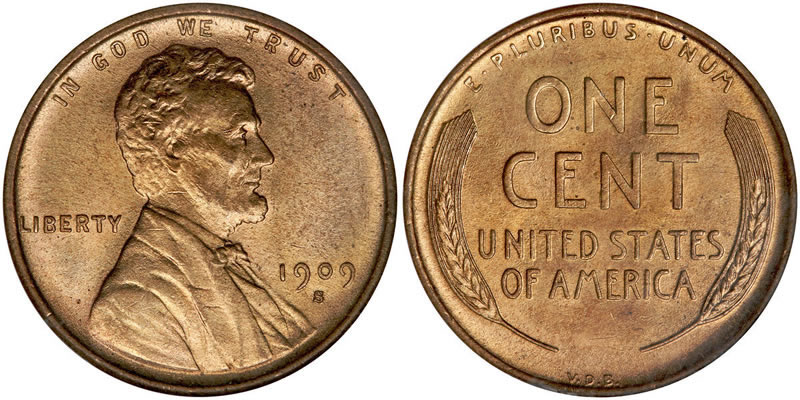
Lincoln Wheat pennies invite a very specific kind of hope: that a coin once spent for a loaf of bread or a streetcar ride might still be hiding in a jar, an envelope, or a family drawer. Minted from 1909 to 1958, they sit at the crossroads of design history, wartime improvisation, and minting mistakes that still shape collector interest today. For casual collectors, the real challenge is not admiration but identification. Most Wheat pennies are ordinary survivors. A few, however, stand apart for reasons that can be learned quickly once the right clues are in view.
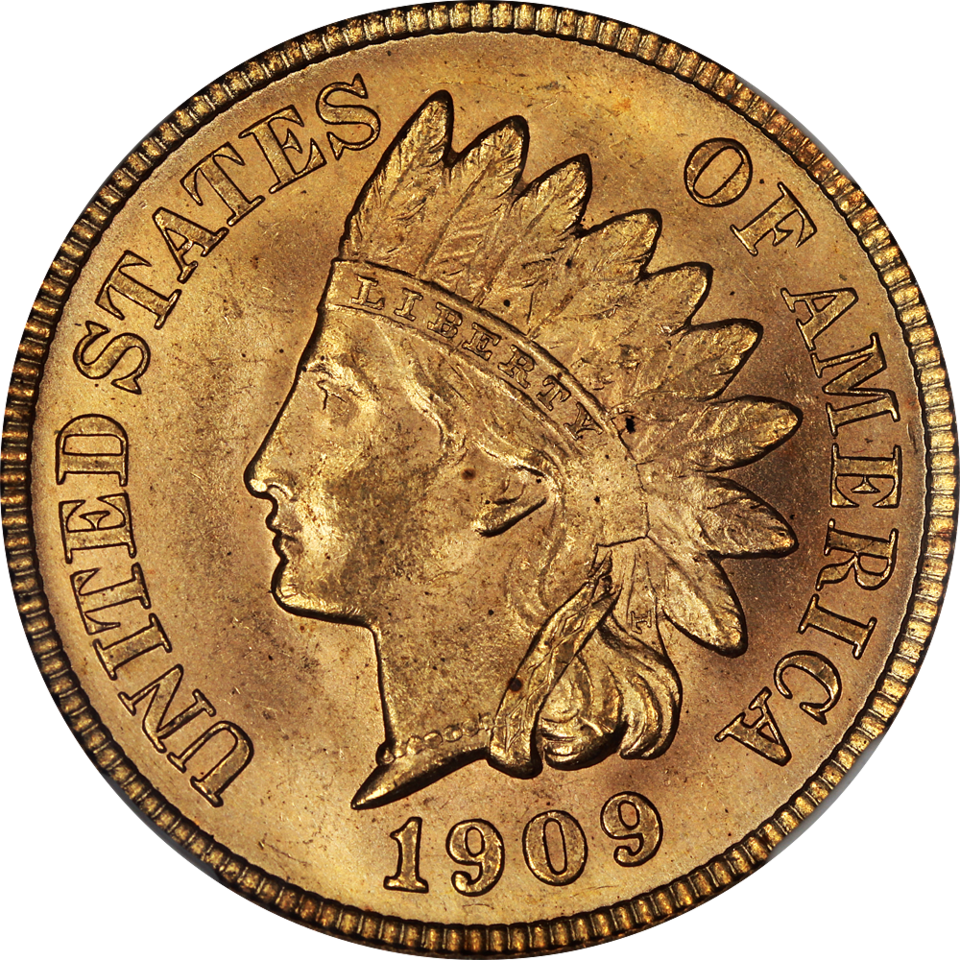
1. The debut year matters more than many collectors expect
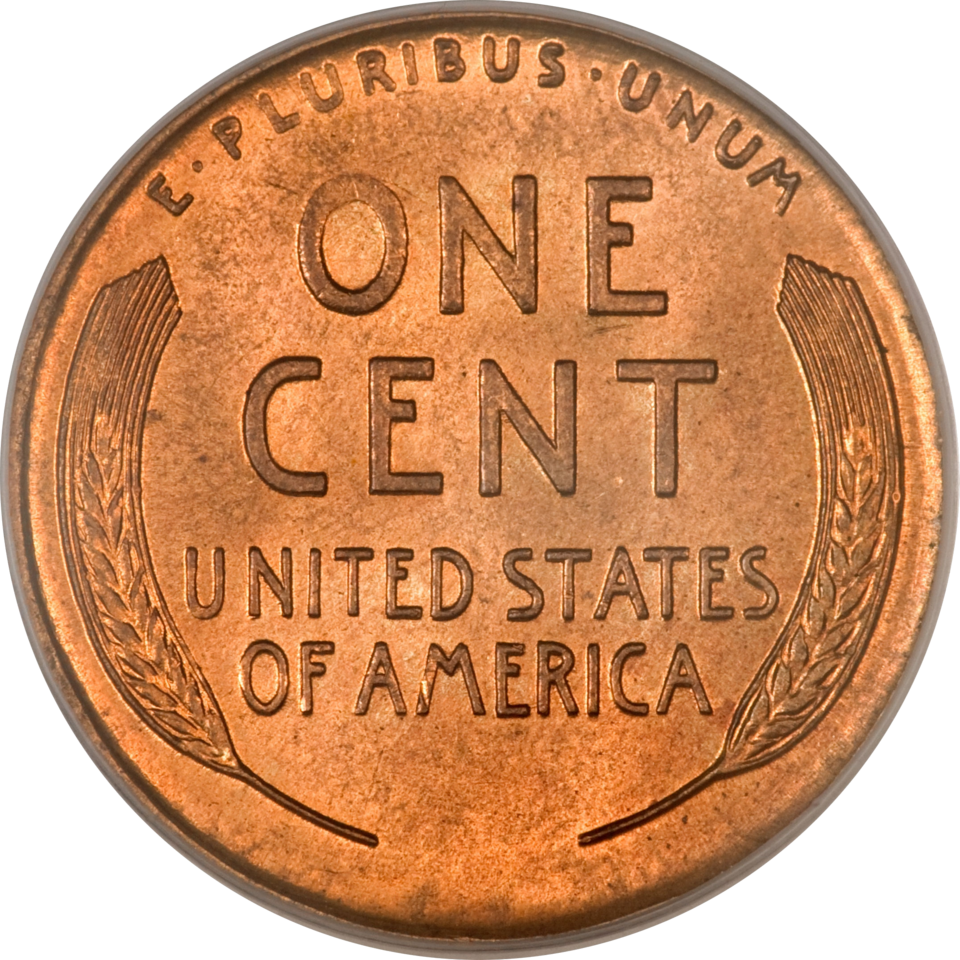
The Lincoln cent began in 1909 as the first regularly circulating U.S. coin to feature a real historical figure, Abraham Lincoln. President Theodore Roosevelt pushed for a more artful American coinage, and sculptor Victor David Brenner supplied the portrait that would become one of the country’s most familiar designs. The reverse, framed by wheat stalks, gave the series its lasting nickname. That origin story still drives collector attention. The earliest pieces are not merely old coins; they mark a turning point in American coin design and remain the foundation of nearly every Wheat penny checklist.
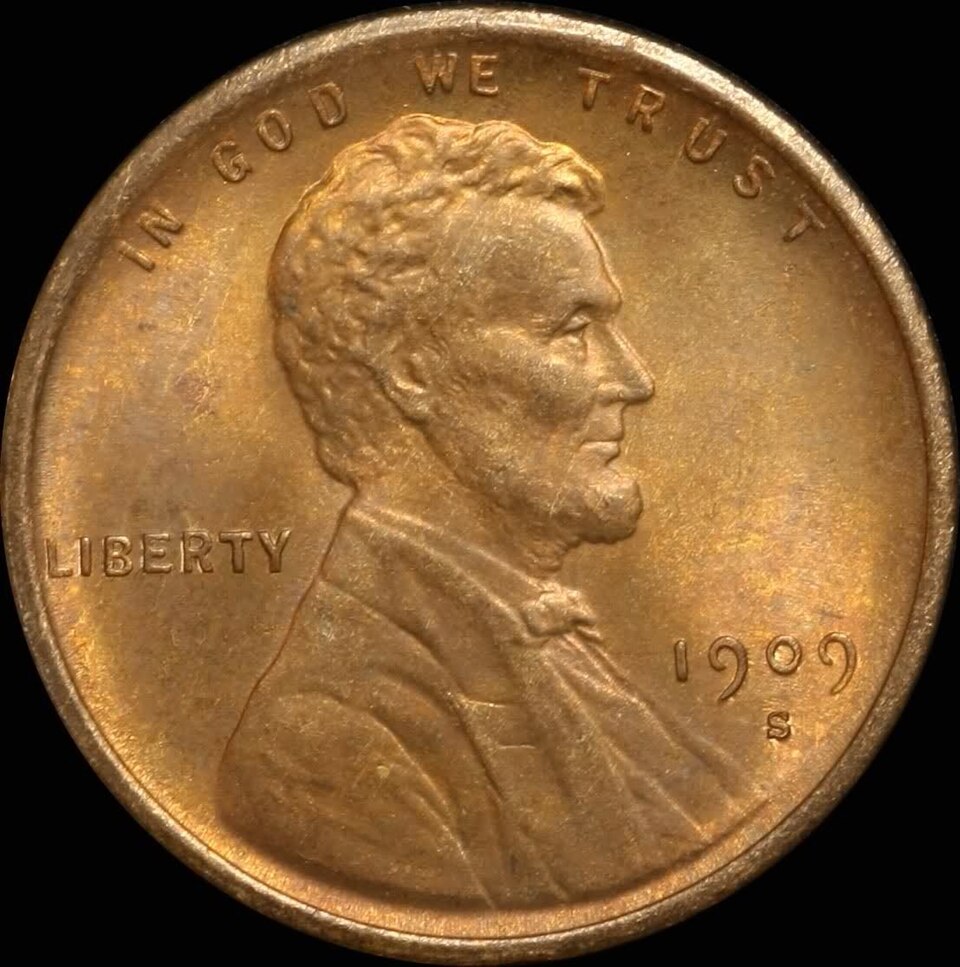
2. A tiny “S” and three initials can change everything
The best-known key date in the series remains the 1909-S VDB. San Francisco struck only 484,000 of the 1909-S VDB cents, and the initials on the reverse became controversial almost immediately. Brenner’s “V.D.B.” was removed shortly after release, which gave the coin an instant aura of scarcity. That combination still matters because it teaches an essential lesson: value often comes from several traits working together, not one. Date, mintmark, and a design detail must all line up. A worn 1909 cent without those exact markers is a different coin entirely.
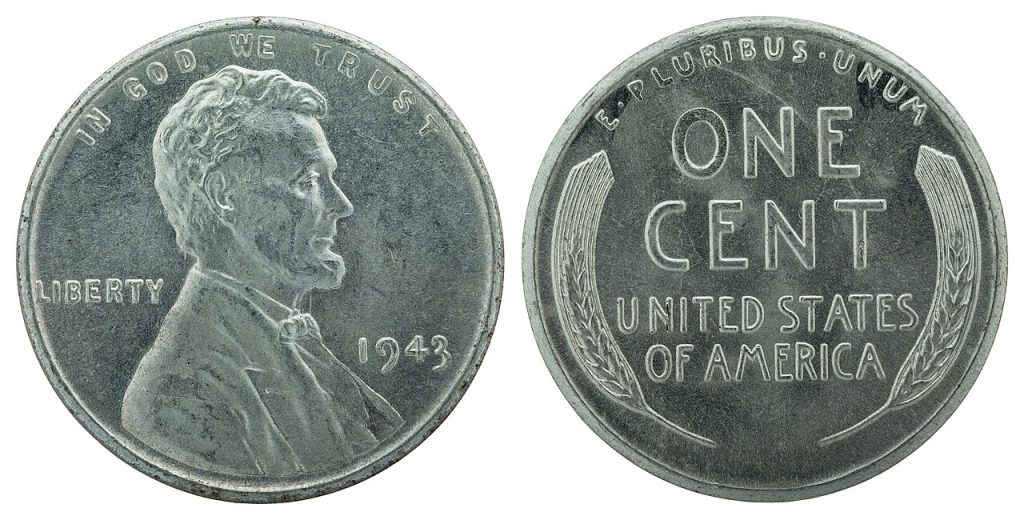
3. The wartime steel cent is unusual, but not automatically rare
In 1943, the Mint changed the cent’s composition because copper was redirected to wartime needs, producing the series’ distinctive silver-colored issue. The result was the one-year zinc-coated steel cent, a coin that looks dramatically different from the bronze cents around it. That visual difference fuels constant overestimation. Many 1943 steel cents survive, and circulated examples are usually collected for their history more than their scarcity. Their importance lies in context: they show how deeply national priorities can reach into ordinary objects.
4. Magnetism is one of the simplest screening tools
A magnet can answer one of the most common Wheat penny questions in seconds. Standard 1943 steel cents are magnetic, while an authentic copper or bronze 1943 error cent is not. The reverse applies in 1944, when normal cents returned to copper and the rare leftover steel-planchet errors remain magnetic. It is a small test with big usefulness. Reference guides note that a genuine 1943 copper cent should weigh about 3.11 grams rather than 2.7 grams like a steel cent. Together, weight and magnetism help casual collectors avoid the most common mistake: mistaking altered steel cents for famous rarities.
5. Counterfeits often imitate the coin everyone wants
The 1943 copper cent is so famous that it has inspired large numbers of altered pieces. A common trick is copper-plating an ordinary steel cent to imitate the rare error. To an untrained eye, the color alone can seem convincing, especially when the coin has darkened with age. That is why appearance cannot carry the full burden of identification. If a reddish 1943 cent still clings to a magnet, the case is effectively settled. The same caution applies to internet-era collecting in general: dramatic claims are common, while genuine mint errors remain genuinely scarce.
6. Some of the best Wheat pennies are valuable because of mistakes
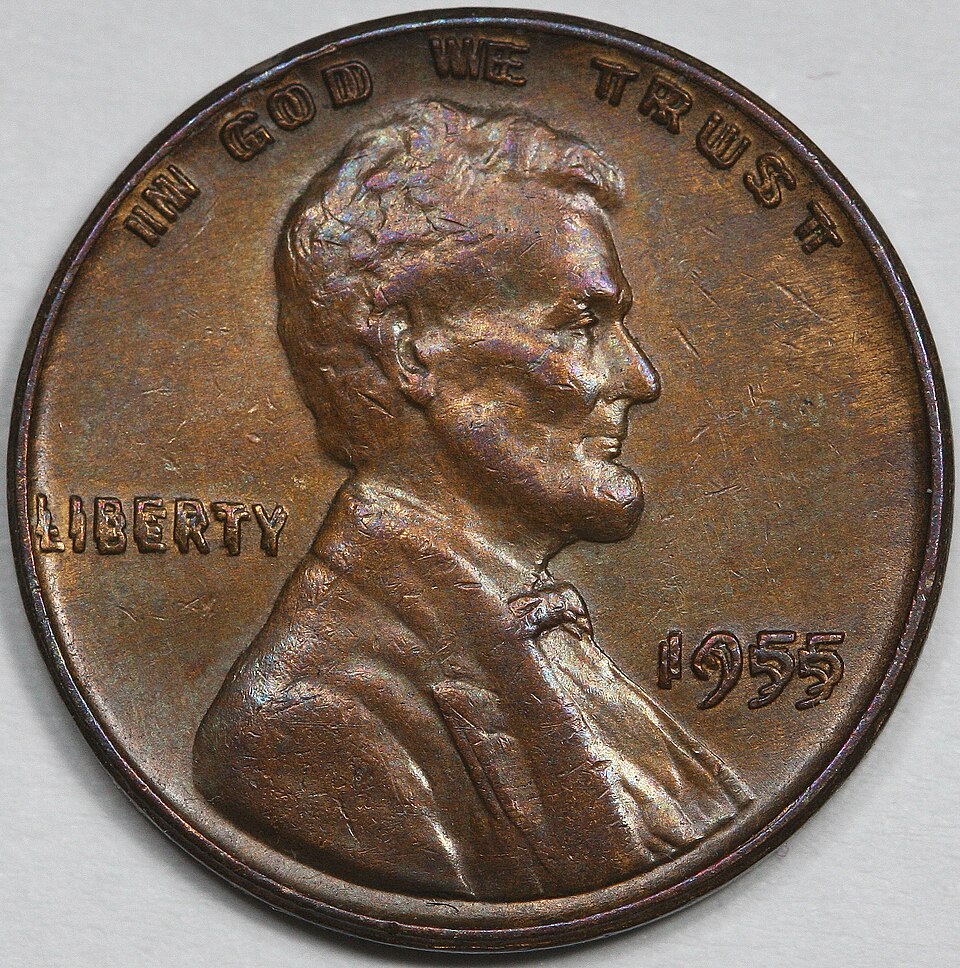
Error collecting gives the Wheat cent series much of its lasting drama. The 1955 doubled die obverse is among the most recognizable examples because the date and lettering show obvious doubling, even without advanced magnification. Other desirable varieties include repunched mintmarks, doubled designs from earlier decades, and wrong-planchet strikes from the war years. One of the most extreme examples is the 1958 doubled die obverse with a major auction record of $336,000. That figure is a reminder that collectors do not chase age alone. They chase visible anomalies, documented rarity, and coins that tell a vivid production story.
7. Low-mintage dates still anchor the series
Not every important Wheat penny is an error. Several dates are prized simply because fewer were made or fewer survive in strong condition. Collectors routinely watch for 1914-D, 1922 Plain or “No D,” and 1931-S pieces because they remain difficult set-building coins. The 1931-S is especially instructive, with fewer than 900,000 produced. These coins show that scarcity can emerge quietly, without any dramatic mint error at all.
8. Mintmarks are small, but they carry outsized importance
On Wheat pennies, mintmarks serve as a compact geography lesson and a major value signal. Philadelphia issues generally have no mintmark, Denver uses “D,” and San Francisco uses “S.” For casual collectors, checking that tiny letter before anything else can prevent both false excitement and missed opportunities. A coin’s city of origin often explains why one date is common while another is a key piece. The same year can exist in ordinary numbers from one mint and in much tighter supply from another, which is why date alone rarely tells the whole story.
9. Condition and authentication decide whether a discovery holds up
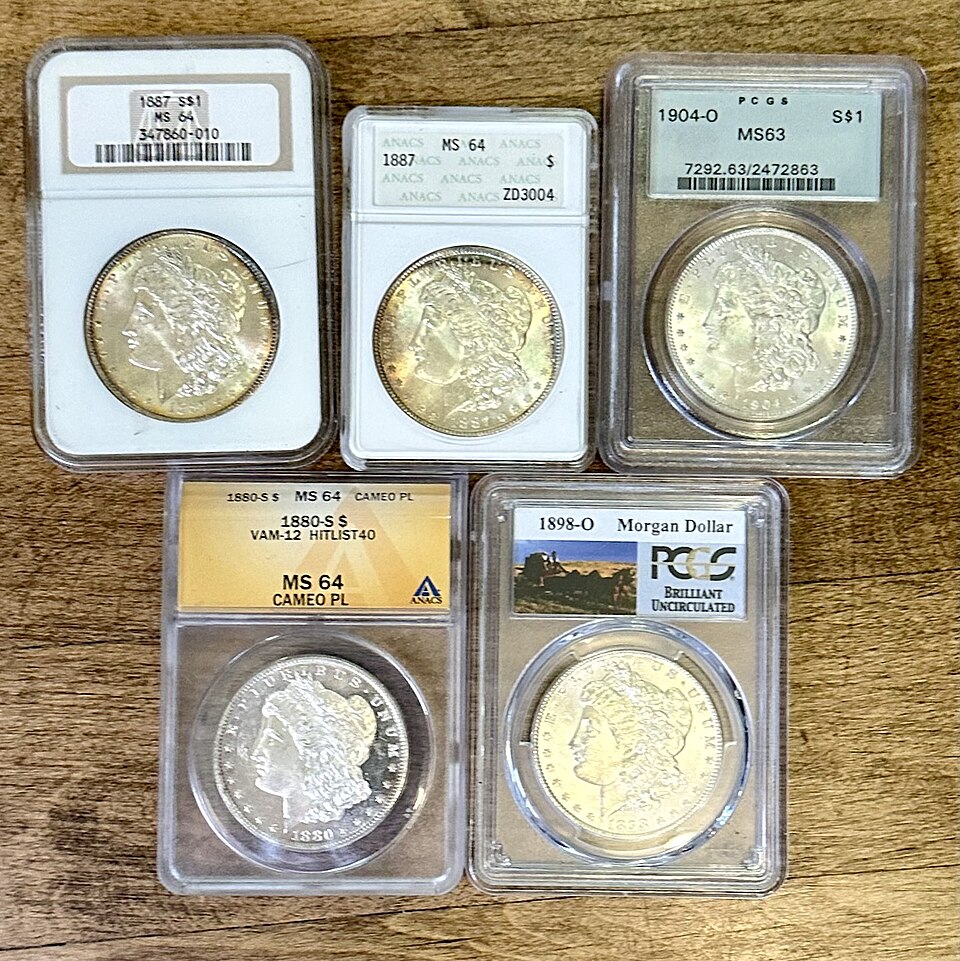
Collectors often focus on the thrill of the find, but the market cares just as much about preservation and proof. Sharp detail, original surfaces, and limited wear can separate a noteworthy Wheat penny from one that is merely old. Professional grading also matters for coins that might be rare, both to confirm authenticity and to establish a trusted condition standard. That becomes especially important with headline coins. As Mike Sherman of PCGS said, “it’s always exciting when there’s another million-dollar coin sale. It proves the rarity and value collectors place in these uncommon Mint Errors.”
For most jars and inherited tins, the outcome will be more modest. Still, Wheat pennies reward a slower kind of attention. A little knowledge about mintmarks, composition, errors, and condition turns a handful of old cents into a clearer record of American design, manufacturing, and memory. That may be the real attraction of the series. Even when a coin is not rare, it rarely feels empty.

