
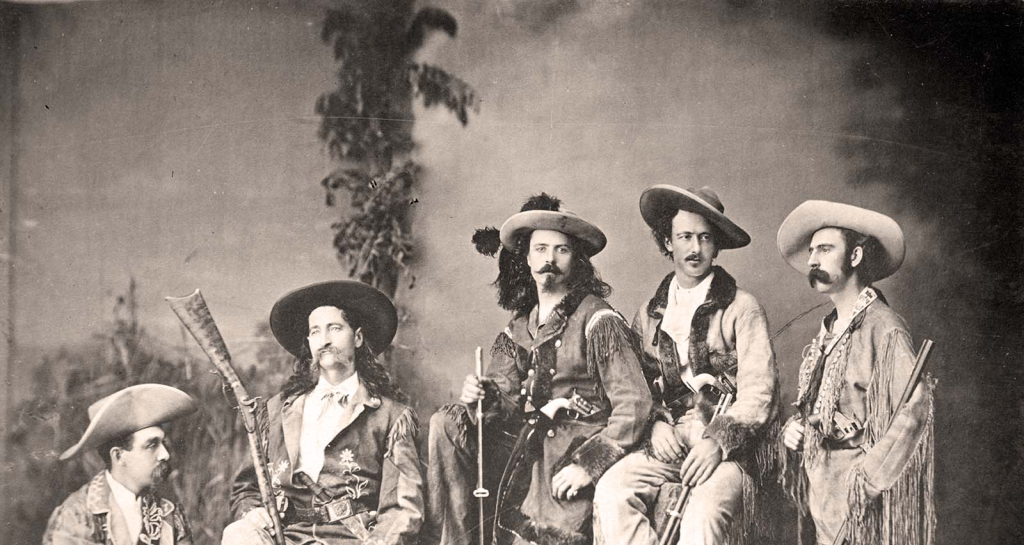
The Wild West left behind a gallery of unforgettable names, but the popular image of the gunslinger was never as simple as a fast draw in a dusty street. The very word “gunslinger” is a modern, 20th-century invention, and many of the people attached to it were not easily sorted into hero or villain. Some were lawmen. Some were outlaws. Some moved between both worlds. What tied them together was not just gun skill, but reputation, timing, and a frontier culture in which a public quarrel could become a permanent legend.
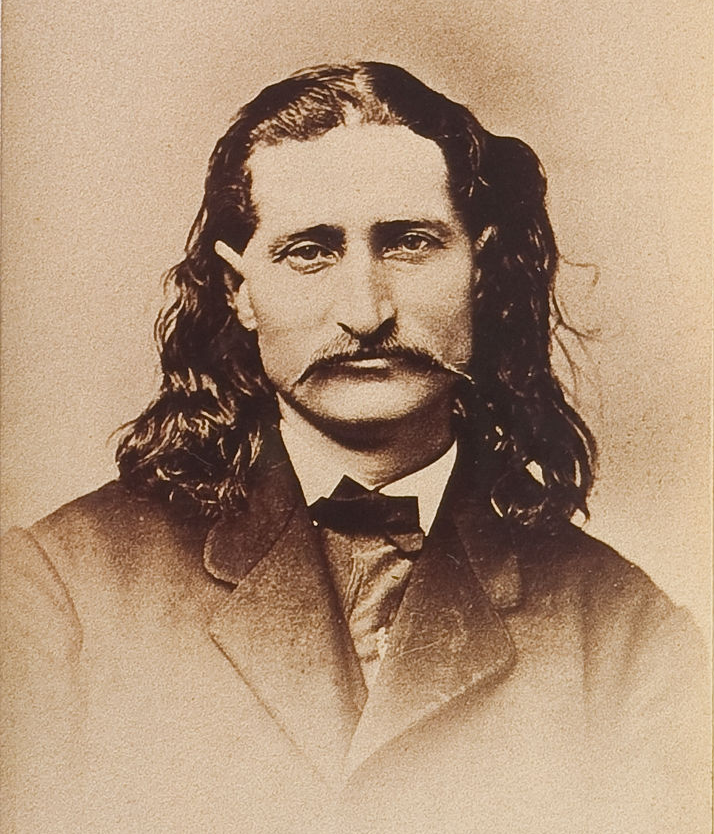
1. Wild Bill Hickok
James Butler Hickok became the model for the classic frontier gunman, but his fame rested on a mix of real skill and heavy mythmaking. His 1865 fight with Davis Tutt in Springfield, Missouri, stood out because it resembled the kind of open-street duel later copied by films. The men faced each other at roughly 75 yards with cap-and-ball revolvers, and Hickok’s careful shot killed Tutt. That detail mattered. As Wyatt Earp later put it, “Whoever won at gunplay most often was the man who did it slow.” Hickok’s reputation grew because he fit that principle: disciplined, practiced, and deliberate rather than theatrical. His death only deepened the myth. In 1876 he was shot from behind in Deadwood while holding the poker hand later remembered as the “Dead Man’s Hand.”
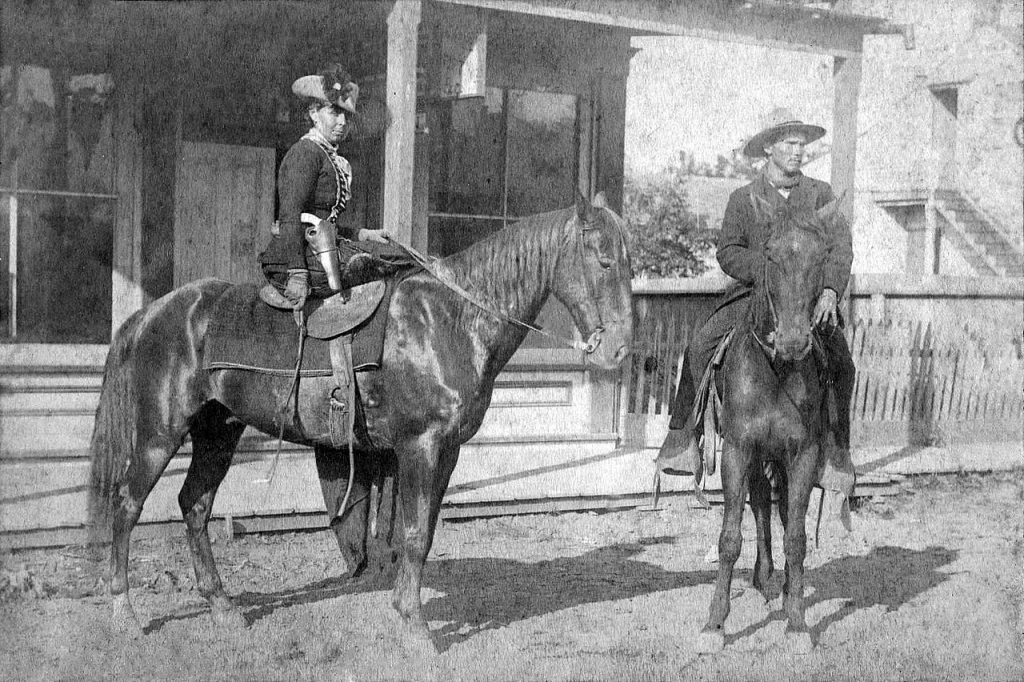
2. Belle Starr
Belle Starr stood apart because the frontier’s most famous outlaw circles were overwhelmingly male. Born Myra Maybelle Shirley, she built a public image that was as striking as her criminal associations, linking her name to horse theft, harboring fugitives, and a style that made her impossible to ignore.
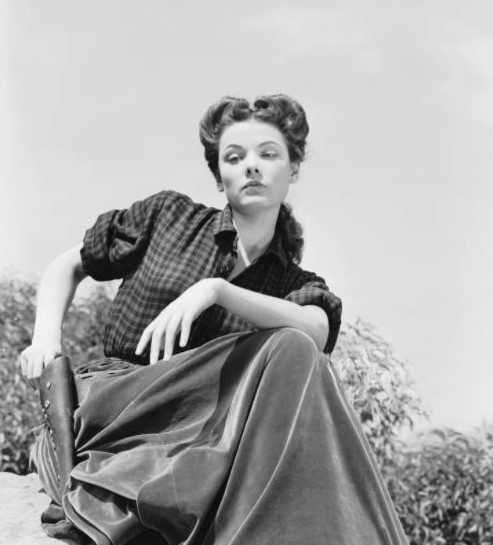
Her story endured because it never settled into a neat ending. She was killed in 1889 near her Oklahoma home, and the murder remained unsolved. That uncertainty helped turn her from regional outlaw into one of the West’s lasting mystery figures, a woman whose notoriety was enlarged by what history could not fully explain.
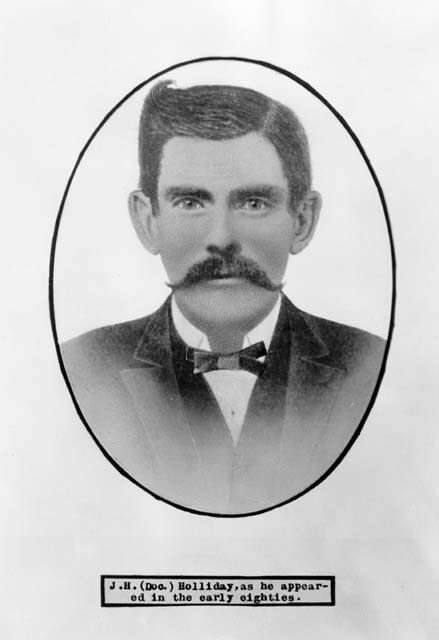
3. Doc Holliday
John Henry Holliday was a trained dentist, but tuberculosis pushed him west, where gambling and violence replaced professional stability. His name became inseparable from Wyatt Earp and the 1881 gunfight near the O.K. Corral, where his nerve under pressure helped shape one of the best-known episodes in frontier lore. Holliday’s appeal lay in contrast. He was chronically ill, often physically weakened, yet remained one of the most feared men around a card table or in a dispute. That tension between fragility and danger made him memorable long after his death from tuberculosis at age 36.
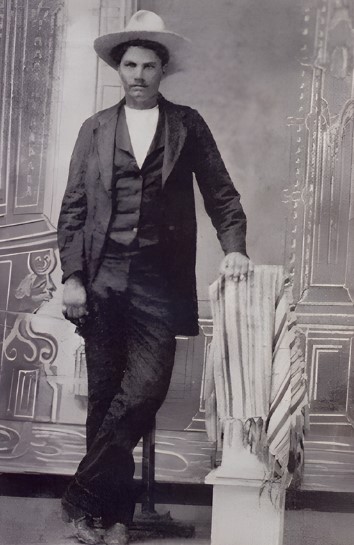
4. John Wesley Hardin
John Wesley Hardin’s biography read like a warning about how quickly violence could become identity. The son of a Methodist minister, he claimed an extraordinary number of killings, though historians have long treated those figures with skepticism. Even with lower estimates, his record placed him among the most feared gunmen of the era. He spent years in prison after his capture in 1877 and later studied law, giving his life an unusual second act. It did not last. In 1895 he was shot in the back of the head in an El Paso saloon, a grim end that matched a frontier pattern in which ambush was often more common than any romantic face-to-face duel.
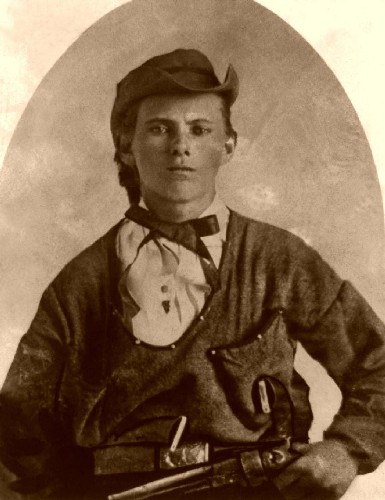
5. Jesse James
Jesse James survived in American memory because he was turned into more than an outlaw. After fighting for the Confederacy during the Civil War, he led the James-Younger Gang in robberies that made him nationally notorious. Newspapers helped recast him as a defiant folk figure, even though his crimes were plainly violent and self-serving. His legend sharpened after the failed Northfield bank raid in 1876, which crippled his gang and set the stage for his final betrayal. In 1882 Robert Ford shot him from behind. That ending fixed Jesse James in the national imagination as both criminal and symbol, which was exactly the kind of contradiction the West produced again and again.
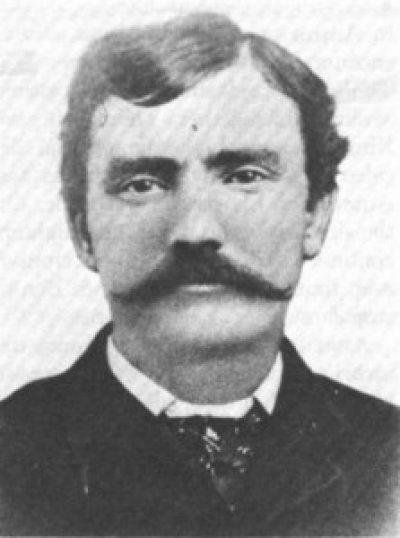
6. King Fisher
John King Fisher represented the frontier’s blurred moral lines better than almost anyone on this list. He stole cattle, cultivated a flamboyant public image, and at times served as a lawman, crossing a boundary that was often thinner than later stories suggested. That overlap was not unusual in the West, where a gunfighter could be an outlaw or a lawman, and sometimes both at different points. Fisher’s career captured that instability. His life ended in an ambush in San Antonio in 1884, leaving behind the image of a man whose charm and danger were never far apart.
7. Billy the Kid
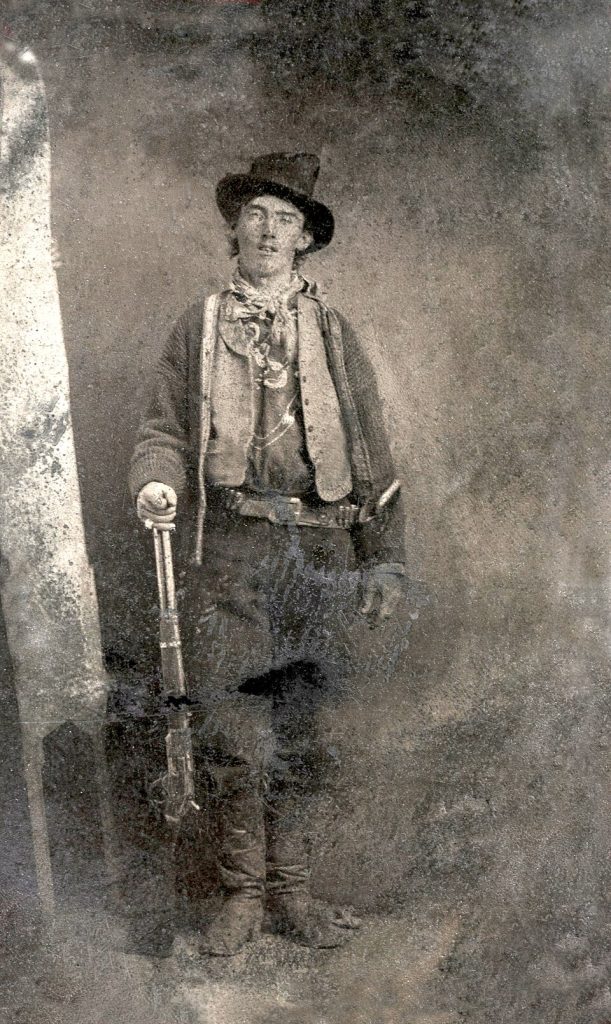
Billy the Kid remains one of the most durable names from the frontier partly because youth changed the way his violence was remembered. Born Henry McCarty and also known as William H. Bonney, he became famous during New Mexico’s Lincoln County War and was long credited with 21 killings, one for each year of his life, though that number has been widely disputed. He escaped custody in 1881 by killing two deputies, a breakout that fixed his reputation as reckless, clever, and impossible to contain. His freedom lasted only months before Pat Garrett tracked him down and killed him. The combination of young age, outlaw charisma, and an early death made him less a historical figure than a permanent American legend.
8. Tom Horn
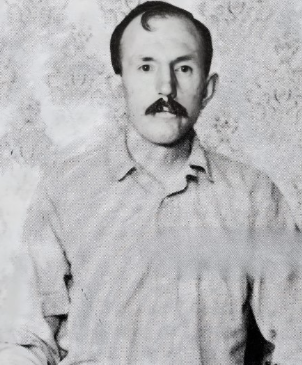
Tom Horn’s notoriety came from a colder side of frontier violence. He was prized for tracking ability and marksmanship, then used those skills in cattle-country conflicts where private power often mattered as much as formal law. His story pointed away from saloon drama and toward hired enforcement. He was convicted in the killing of 14-year-old Willie Nickell and hanged in 1903. Debate over his guilt never disappeared, but his place in Western history does not depend on certainty alone. Horn embodied a harsher truth about the Old West: many deadly acts were tied not to personal honor, but to money, land, and the interests of powerful employers.
These figures remained famous because each embodied a different version of frontier power. Some were admired, some feared, and some managed to be both. Their legends survived because they sat at the point where fact and performance met. That was the real tension of the Old West. The names endured, but the lives behind them were rarely clean, heroic, or simple.

