
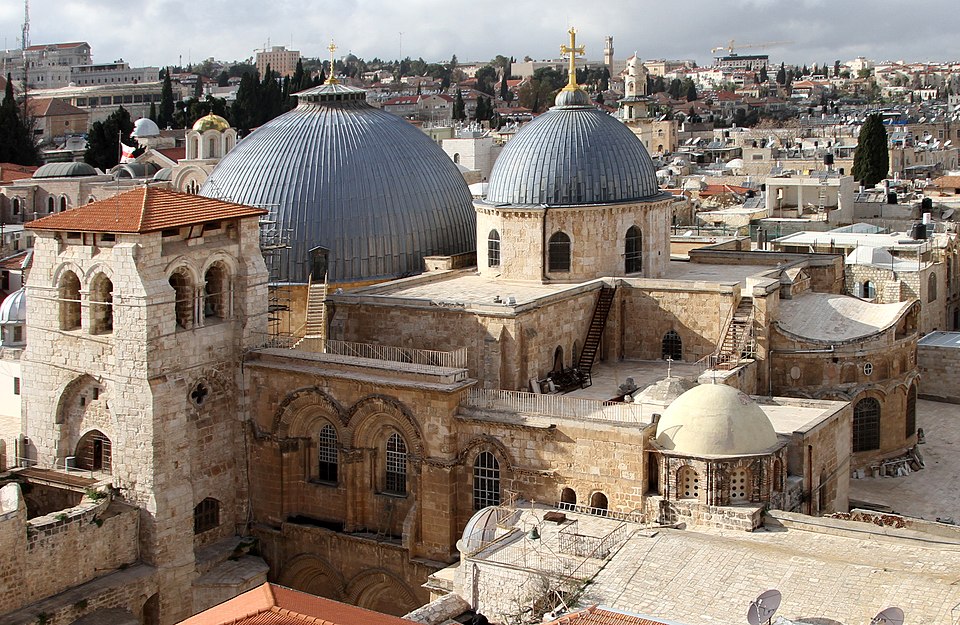
Under the worn stone floor of Jerusalem’s Church of the Holy Sepulchre, tiny botanical traces have opened a large cultural and historical conversation. Archaeologists working beneath one of Christianity’s most revered sanctuaries have identified ancient remains of olive and grape cultivation, renewing attention to the Gospel of John’s description of a garden near the tomb.
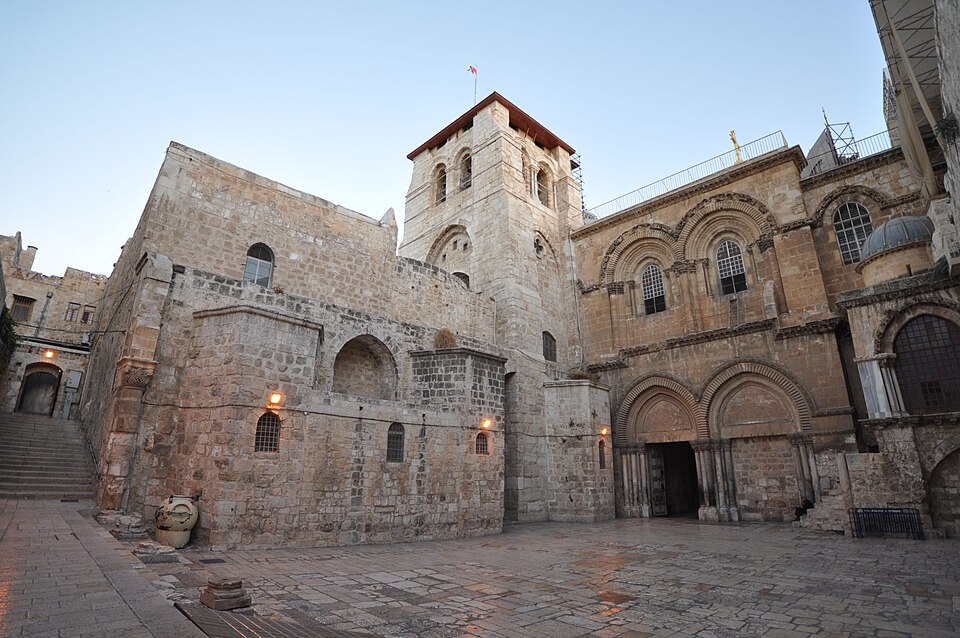
The debate is not only about belief. It is also about landscape, memory, and how a sacred place can hold many eras at once: quarry, cultivated ground, burial zone, imperial monument, and living church.
1. The seeds and pollen point to cultivated land
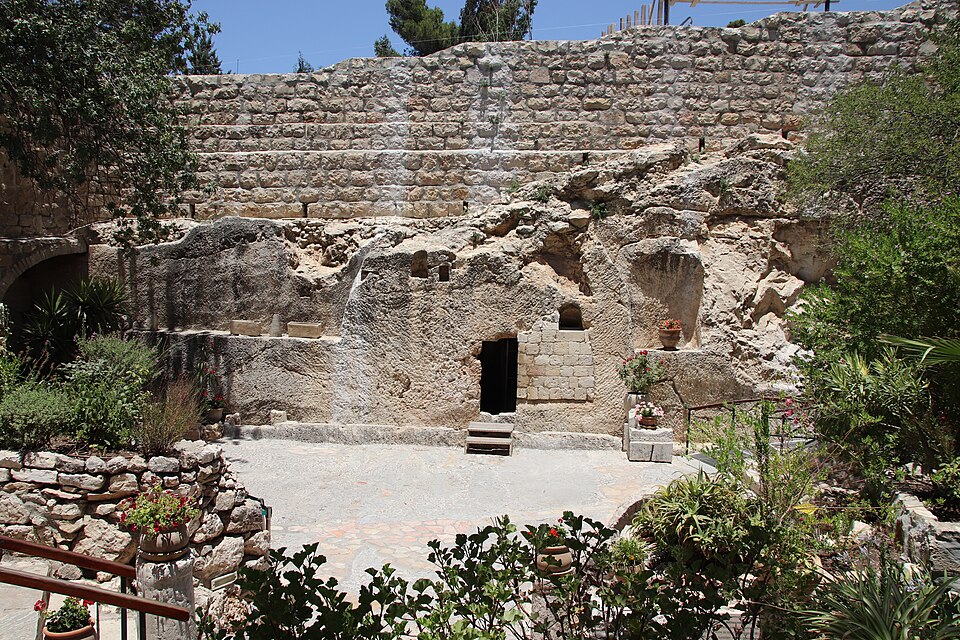
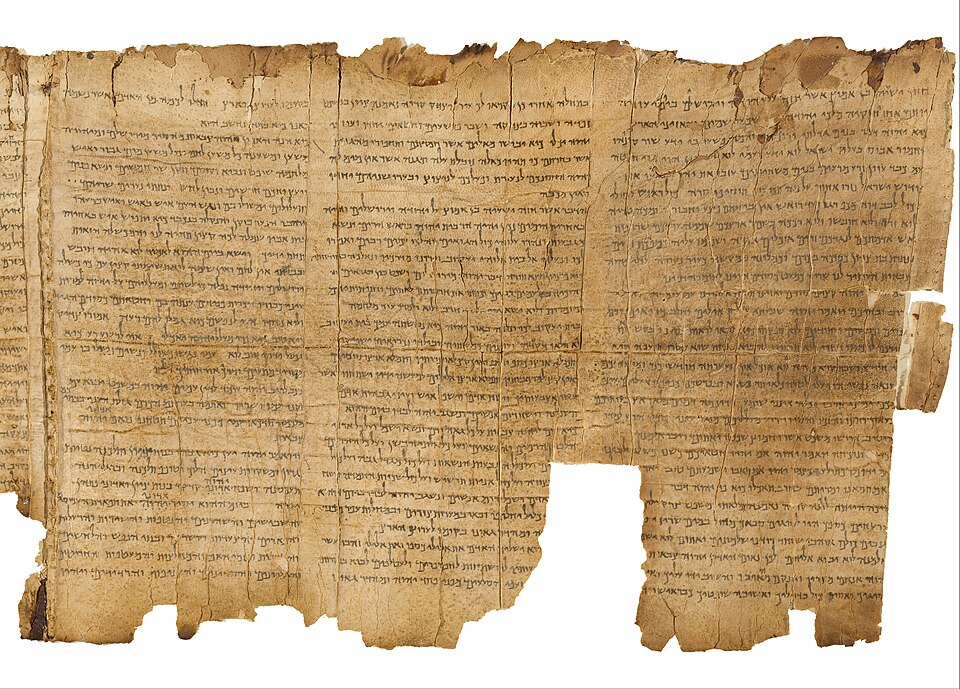
One of the most discussed findings is the identification of olive trees and grapevines beneath the basilica floor. Archaeobotanical study and pollen analysis indicate that the area once supported plant life associated with cultivation rather than bare stone alone. That matters because the Gospel of John places a garden beside the crucifixion and burial site. Prof. Francesca Romana Stasolla said, “The archaeobotanical findings have been especially interesting for us, in light of what is mentioned in the Gospel of John.” The evidence has drawn attention because plant remains can preserve quiet details of daily land use that architecture alone cannot supply.
2. The site appears to have changed function over time
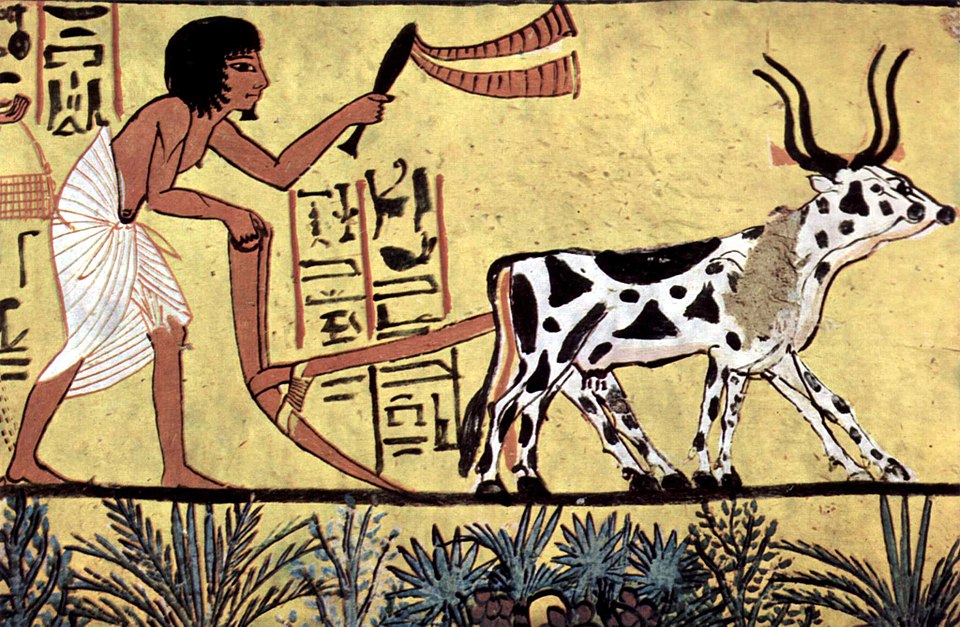
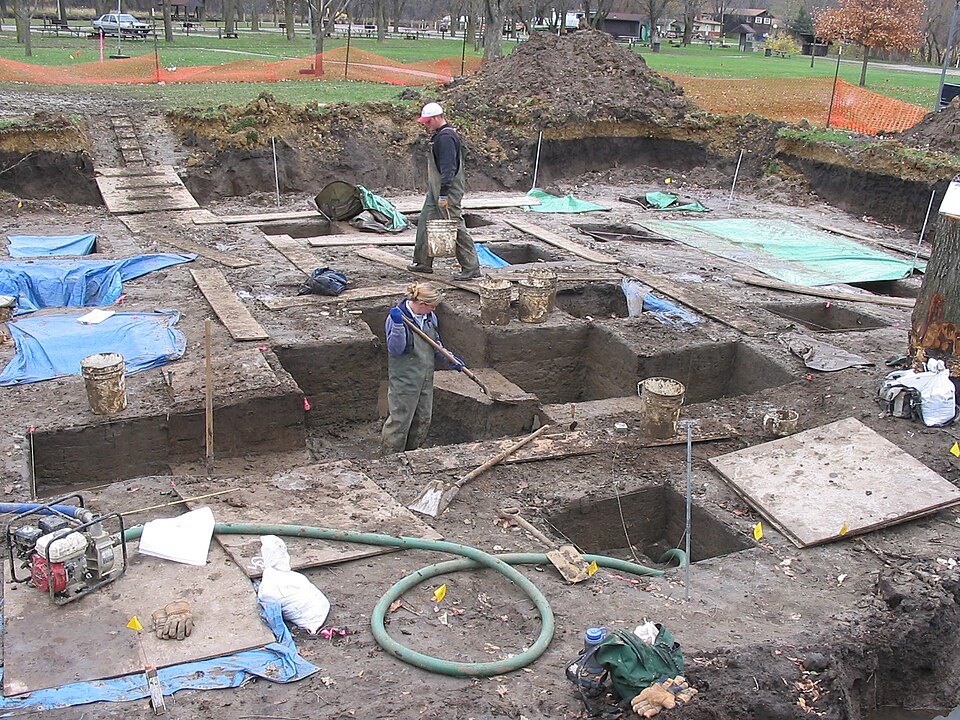
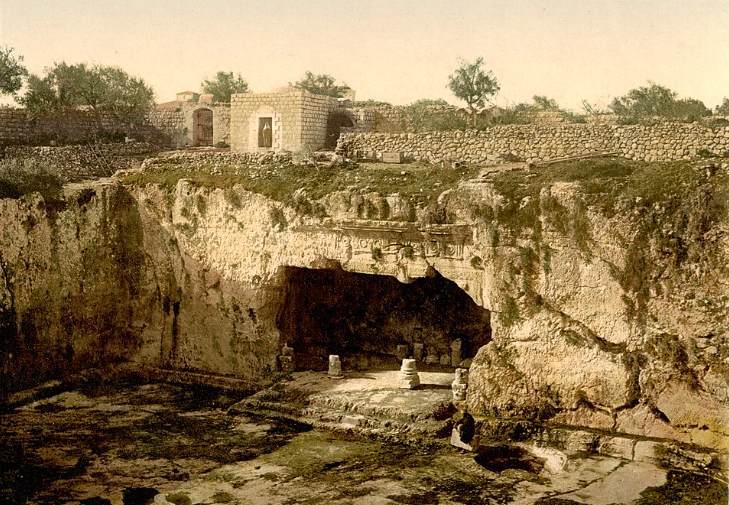
The excavations suggest a layered sequence rather than a single-use landscape. Researchers describe the area first as an Iron Age quarry, then as land adapted for agriculture, and later as a burial zone with rock-cut tombs. This progression gives the garden claim a broader setting: the site was not frozen in one identity, but repeatedly reshaped by human use. Stasolla explained the transition in direct terms: “The quarry had to be gradually abandoned, and after the stone extraction ended, it was used for agricultural areas and tombs. That’s how it must have been in the 1st century CE.” In this reading, the garden is part of a practical urban fringe, not merely a symbolic detail.
3. Low stone walls strengthen the picture of managed plots
Beyond seeds and pollen, archaeologists reported traces of low stone walls separating garden plots. Such features suggest organized cultivation, with earth intentionally contained and divided. These are modest remains, yet they help transform the idea of a garden from literary image into physical terrain. That detail also links the plant evidence to a visible pattern of land management. In sacred archaeology, the smallest structures often matter most because they show how ordinary activity once unfolded before memory made a place extraordinary.
4. Dating remains careful, not final
The findings have attracted attention partly because they seem to echo scripture, but the chronology still demands caution. Reports on the material place it in a pre-Christian archaeological context, while radiocarbon dating has not yet been done on the botanical remains described in several accounts. That means the discussion rests on stratigraphy, associated layers, and context rather than a single completed test. This restraint is central to the debate. Archaeology rarely offers one dramatic answer; it more often builds a case from converging fragments, each one important and each one limited.
5. New technology is filling gaps the eye cannot see
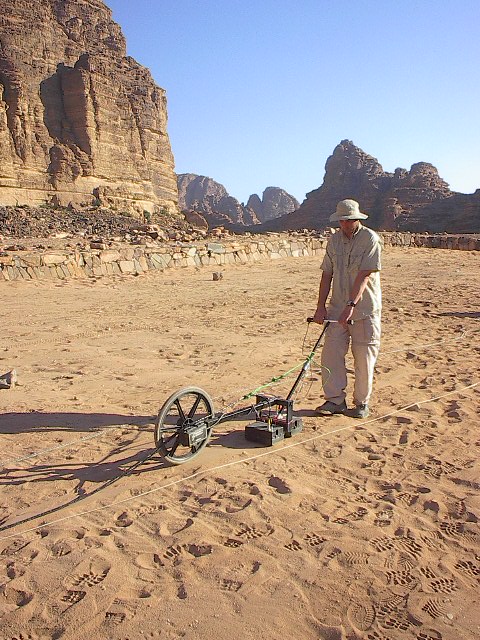
Because the church remains open for worship and pilgrimage, excavation has proceeded in sections rather than through one wide-open trench. To compensate, the team has used ground-penetrating radar and 3-D mapping to reconstruct the wider setting. The result is less a single reveal than a mosaic assembled from separated zones. Stasolla described the challenge this way: “While we have not been able to see the entire church excavated in one glance, new technologies are allowing us to reconstruct the bigger picture in our labs.” That digital reconstruction matters because the argument over a garden depends on relationships between spaces, not just isolated finds.
6. The church itself sits inside a much longer historical sequence
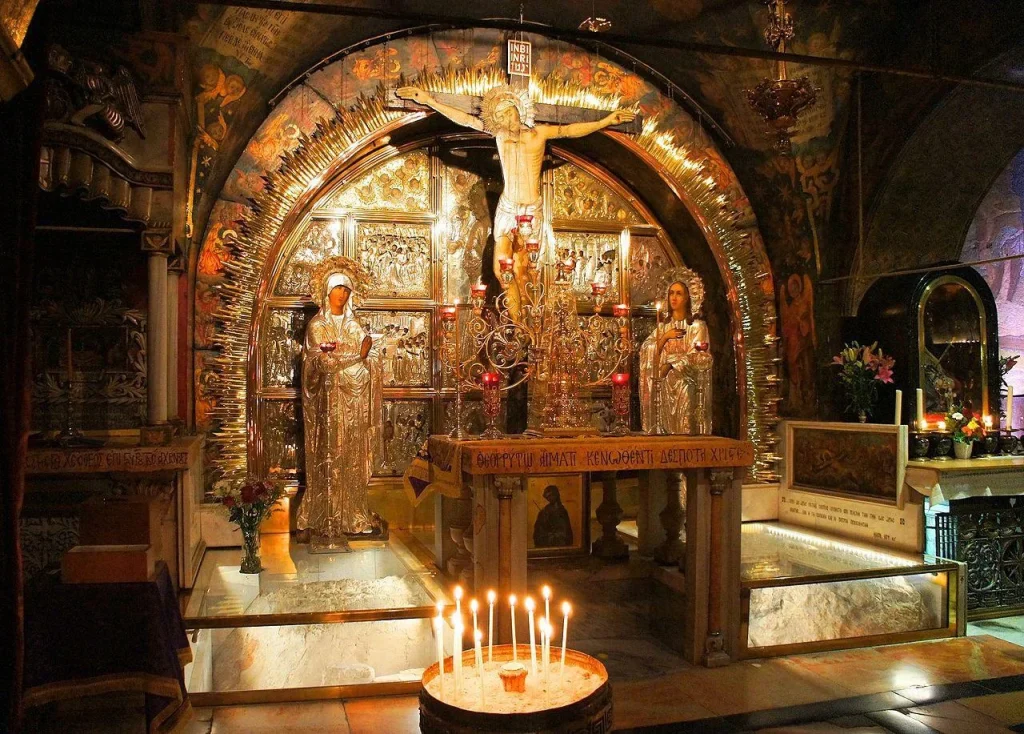
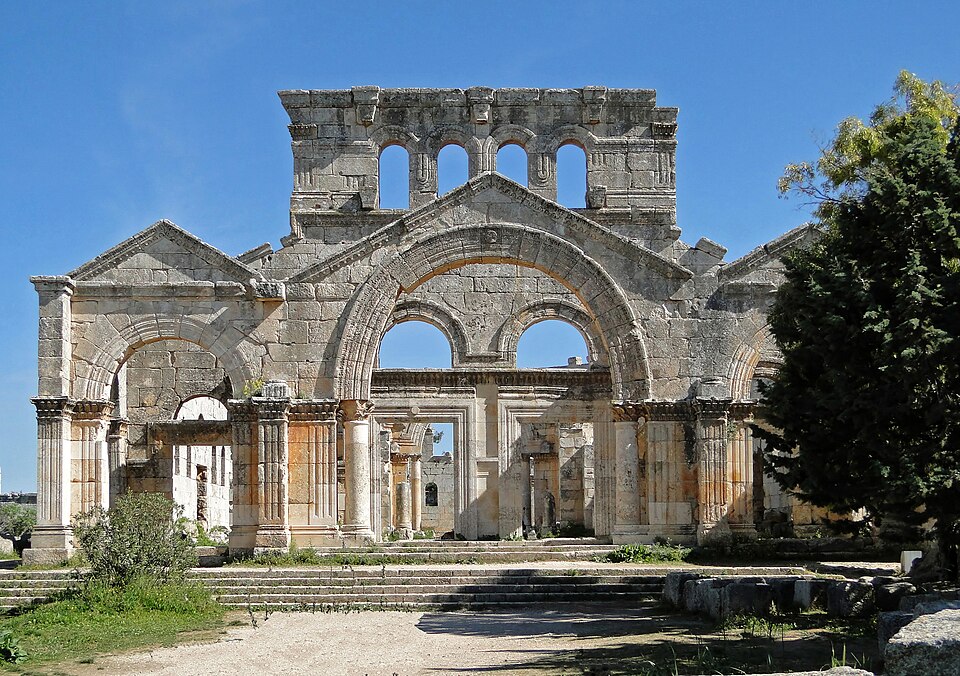
The Holy Sepulchre is often approached only as a destination of devotion, yet the excavations are also clarifying its urban history. The present church, founded in the fourth century under Constantine, stands above layers that record quarrying, burial, rebuilding, destruction, restoration, and continuous ritual use. Coins, pottery, lamps, and other objects have widened the frame far beyond a single biblical question. Archaeologists have also identified elements tied to the church’s earliest monumental phases, including a circular marble base beneath the aedicule area and coin deposits associated with late antique construction. These discoveries do not resolve every question about the tomb’s identity, but they show how quickly the site became formalized and remembered in material terms.
7. The deepest argument is about memory as much as proof
The most enduring discussion around the site is not simply whether a garden once stood there, but what archaeology can and cannot settle. Stasolla has repeatedly drawn a line between historical investigation and belief, while still emphasizing the power of collective memory. “Whether someone believes or not in the historicity of the Holy Sepulchre, the fact that generations of people did is objective,” she said. That perspective shifts the conversation. The botanical traces matter not only because they may align with a Gospel passage, but because they deepen the known biography of a place that has shaped devotion for centuries.
Beneath the incense, stone, and procession routes of the Holy Sepulchre, the ground is yielding a more textured portrait of ancient Jerusalem. Seeds, walls, tombs, and quarry scars do not speak in one voice, but together they describe a landscape that changed long before it was enclosed by a church. The garden debate therefore continues on two levels at once: as a question of evidence, and as a question of how sacred places preserve human remembrance across time.

