
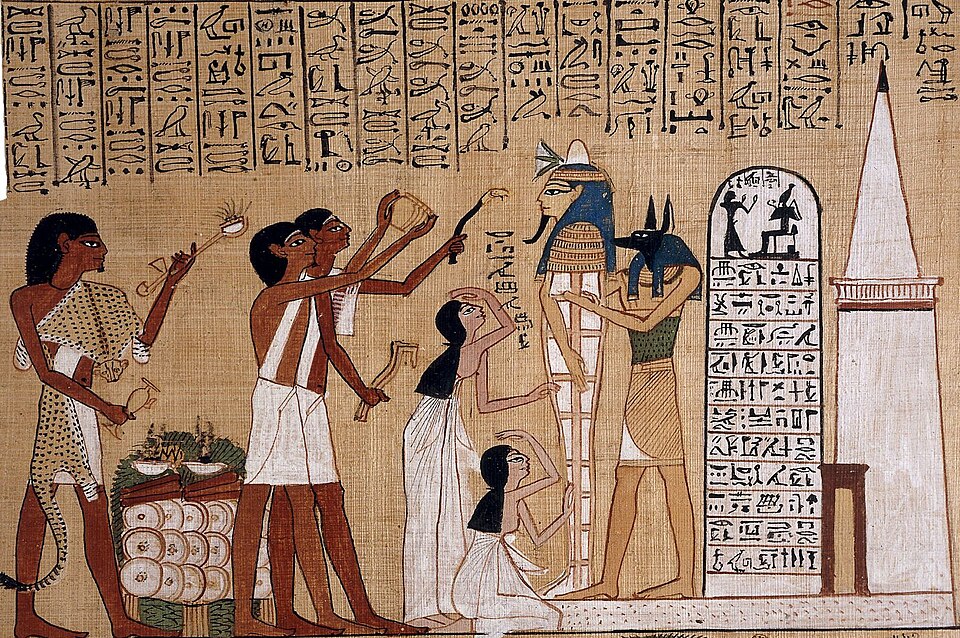
The Exodus remains one of the ancient world’s most debated memories. Archaeology has not produced a single object that settles the question, but several texts, names, and cultural patterns continue to draw scholarly attention because they resemble elements preserved in the biblical tradition. What emerges is not a tidy proof. It is a cluster of clues: Egyptian records of upheaval, Levantine figures inside Egypt, traditions about attacks on Egyptian cult practice, and early Israelite material that seems to carry a selective Egyptian imprint rather than the mark of a whole nation migrating at once.
1. Egyptian texts describe a Levantine outsider rising during a period of crisis
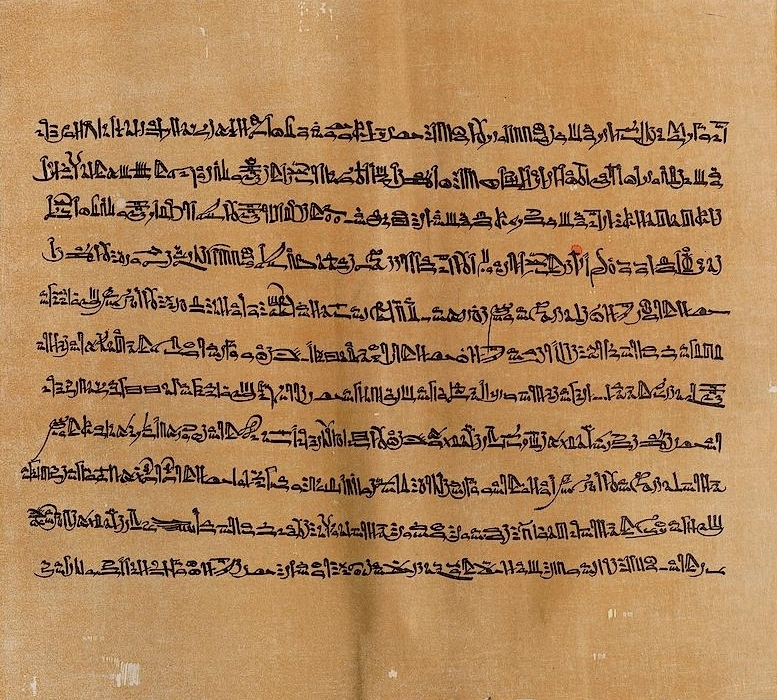
One of the most discussed clues comes from late New Kingdom Egypt, when royal texts describe disorder followed by restoration. The account preserved in Papyrus Harris I presents Egypt as fractured before order was reestablished under the new dynasty. In that same broad historical setting, another Egyptian tradition speaks of a Levantine figure who gained power in a time of instability and disrupted normal religious life. For scholars interested in Exodus backgrounds, that matters because the biblical story also places a non-Egyptian population at the center of a confrontation with the Egyptian state. The details do not line up cleanly, and the Egyptian texts are openly royal and propagandistic. Still, the presence of a remembered crisis involving Levantine actors gives the Exodus tradition a recognizable historical landscape rather than a purely abstract setting.
2. A royal stele speaks of “troublemakers” who brought in fighters from the Levant
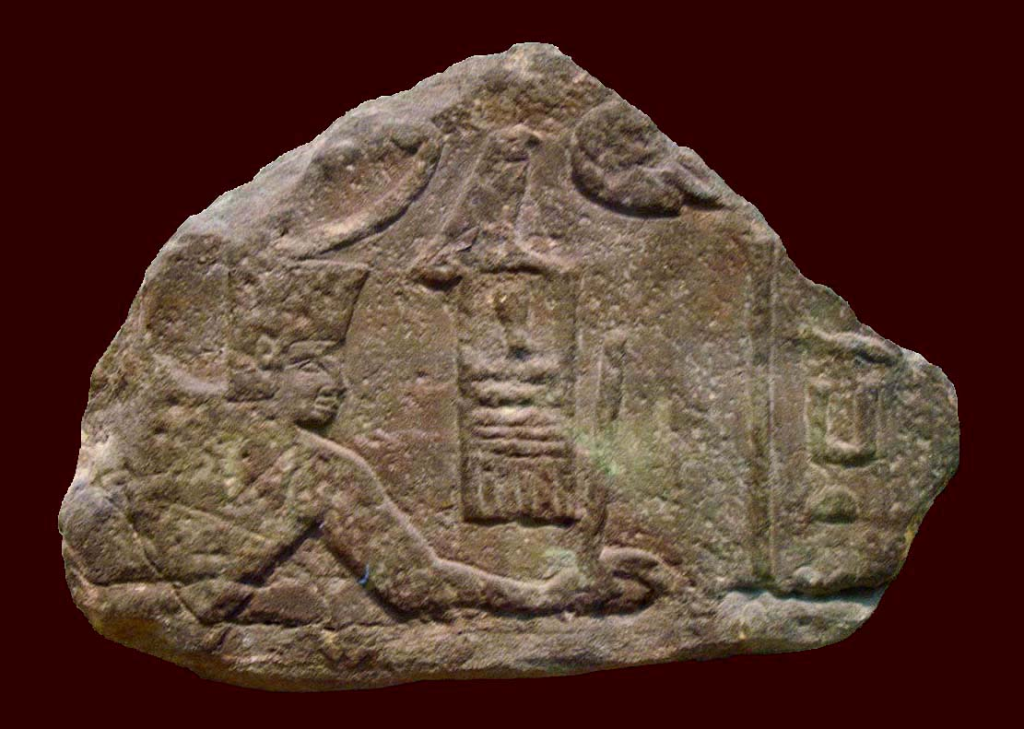
The reference article highlights an inscription from Setnakhte’s reign describing internal enemies who recruited Levantines as combatants and fled with wealth before being defeated. That combination is striking because the biblical text also preserves fragments of a memory in which departure from Egypt is tied to valuables, armed movement, and a mixed company rather than a simple image of helpless fugitives. This is one of the denser pieces of evidence in the discussion.
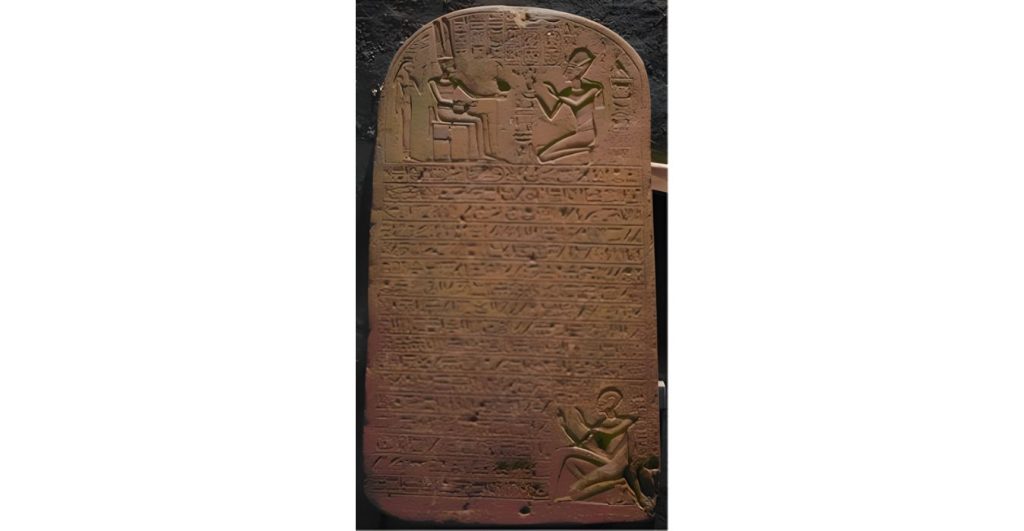
The Egyptian inscription does not mention Israelites, Moses, or an exodus by name. But it does preserve a scenario in which local unrest, outsiders from the north, and the transfer of gold and silver all belong to the same episode. Scholars who see an echo here argue that later biblical tradition may have reshaped a conflict remembered very differently on each side of the border.
3. Manetho’s later Egyptian account preserves a memory of expulsion linked to Moses
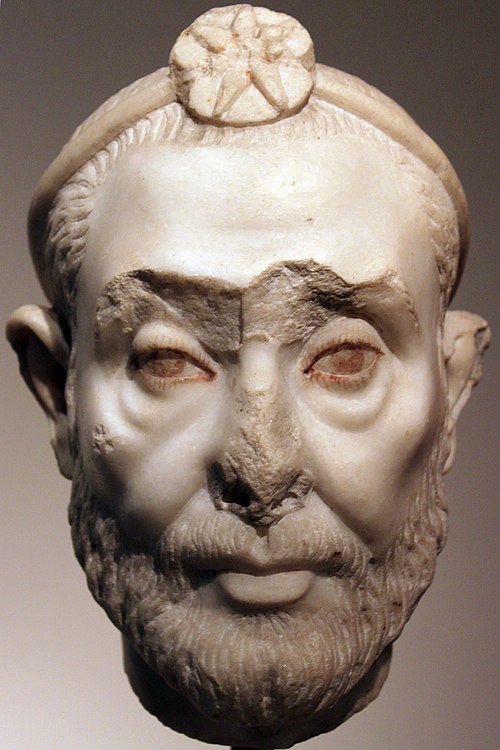
The Egyptian priest Manetho wrote many centuries after the era in question, and his work survives only through later transmission. Even so, his story has remained impossible to ignore. In the version cited by Josephus, a leader called Osarseph gathers marginal groups, opposes Egyptian religion, allies with people from Jerusalem, and is later said to have taken the name Moses. No specialist treats this as a straightforward chronicle. The chronology is tangled, rulers are confused, and polemical motives are visible. Yet the narrative preserves a durable Egyptian memory type: foreigners or dissidents inside Egypt, religious offense against native cults, and eventual expulsion. That is not the same story as Exodus, but it is close enough in outline to keep attracting comparison.
4. Early biblical poetry may remember a smaller group leaving Egypt, not a mass migration
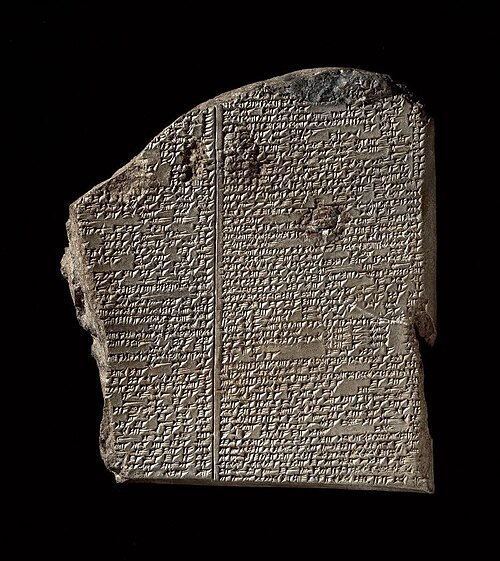
Some scholars point to very old Hebrew poetry as an important clue. In discussions of the Song of Miriam, the text celebrates deliverance from Egypt but does not actually name Israel. That omission has encouraged the view that the earliest layer of the tradition may have referred to a smaller community whose story was later woven into the national story of all Israel. This matters archaeologically because it softens a common objection. If the original memory belonged to a limited group rather than hundreds of thousands of migrants, the expected material footprint in Sinai and Egypt would be much smaller. The debate then shifts from “Where is the evidence for a massive migration?” to whether a more modest departure could have left only scattered traces.
5. Levite names preserve an unusually strong Egyptian flavor
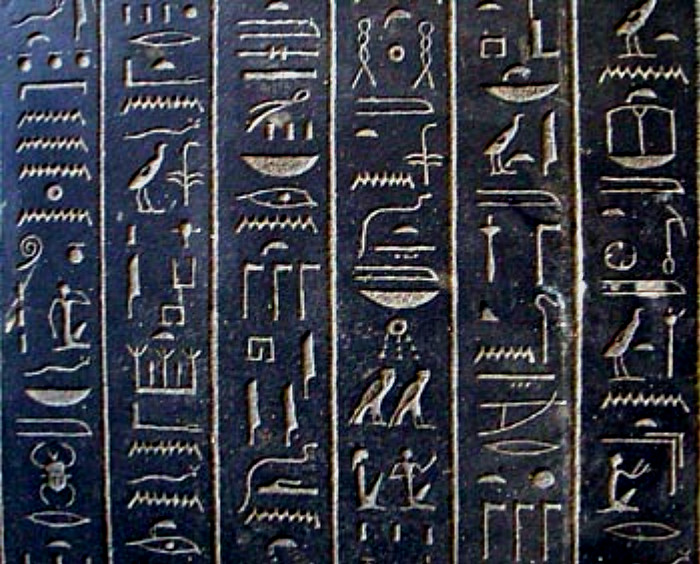
Names often survive where monuments do not. Several figures associated with the Levites carry names scholars identify as Egyptian or Egyptian-derived, with Moses being the best known example. The reference material notes that this pattern is concentrated among Levites rather than spread evenly across all early Israelite groups. That unevenness is significant. It suggests contact with Egypt that may have been real, specific, and socially limited. Instead of imagining all Israel as a people freshly arrived from the Nile, some scholars see a smaller Egyptian-connected priestly group joining an already established population in Canaan. In that model, the Exodus becomes not a national migration in the modern sense, but an inherited memory that expanded as Israel’s traditions were compiled.
6. Israelite ritual traditions show selective Egyptian parallels
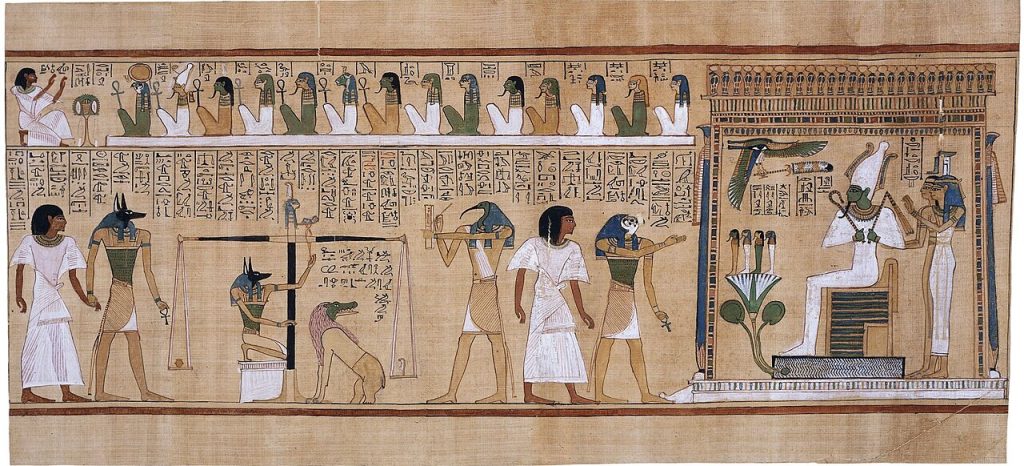
The reference articles note several Egyptian resonances in priestly material: circumcision, architectural comparisons between the Tabernacle and royal Egyptian tent structures, and possible parallels between the Ark and Egyptian sacred barks. None of these proves an exodus. Cultural borrowing happens in many ways across neighboring societies. Even so, the pattern is hard to dismiss because it is selective. The Egyptian imprint appears most strongly in traditions associated with priestly and Levite circles, not across every layer of Israelite culture. That selective borrowing fits a historical scenario in which one community carried Egyptian experience into Israel’s religious memory and institutions.
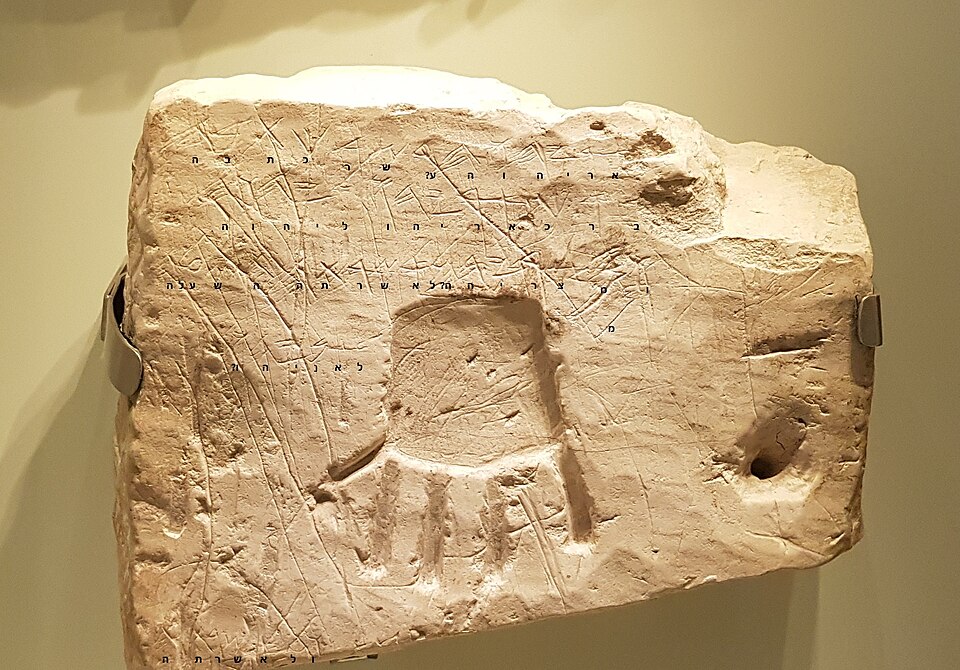
7. The divine name YHWH appears in Egyptian-era inscriptions
Another frequently cited clue is the appearance of the divine name in Egyptian records connected to the southern Levant. The reference material notes two inscriptions from the 14th and 13th centuries that preserve the name YHWH. These do not narrate Exodus, but they do show that the name belonged to the historical world in which an Exodus memory could have formed. That point narrows the gap between text and history. If the name was already known in the wider Egyptian orbit before the biblical books reached their final form, then the worship of YHWH was not a late literary invention dropped into an invented past.
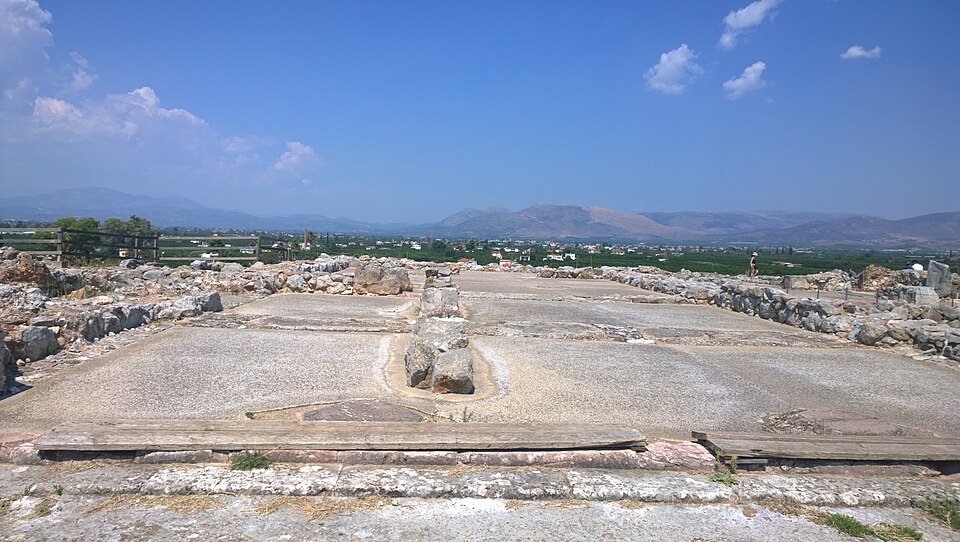
For scholars, that does not prove the biblical sequence of events, but it does anchor part of the tradition in the Late Bronze Age environment. Taken together, these clues do not amount to a final verdict. They point instead to a past in which Egypt, Levantine populations, contested religion, and movement between regions were all historically real. That is why the Exodus question endures. Archaeology has not confirmed the biblical story line by line, but it has preserved enough echoes to show why many scholars still treat the tradition as a memory shaped by history rather than a tale detached from it.

