
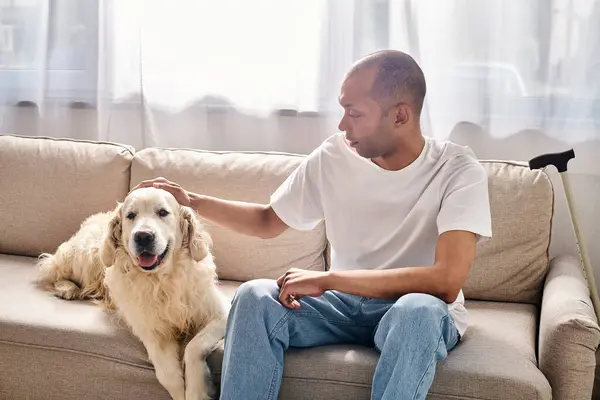
Walks matter, but they are not the only part of daily life that shapes how a dog feels. Much of a dog’s comfort comes from the smaller routines people repeat without thinking: how they greet, touch, pause, speak, and move through the day.
Dogs rely heavily on body language, scent, and predictability. That means a few ordinary habits can do as much for trust and wellbeing as a trip around the block.
1. Letting them choose contact
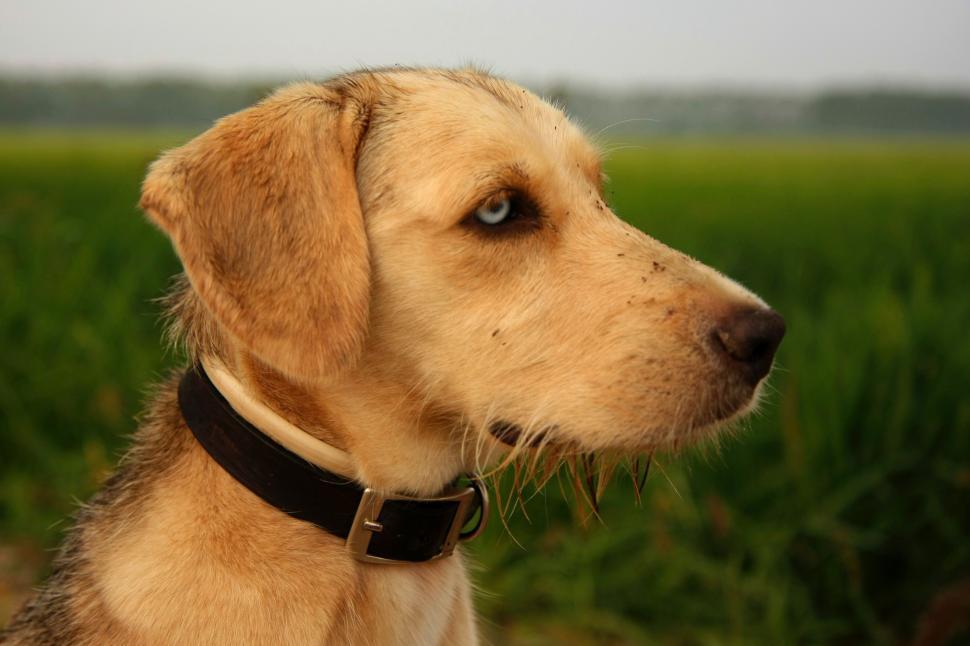
Many dogs respond better when people invite interaction instead of assuming it. A simple pause before petting gives the dog room to move closer, stay still, or step away, and that choice can make handling feel safer. One practical approach is the “pet, pet, pause” consent test. A few seconds of gentle touch followed by a stop lets the dog signal whether more contact is welcome. Signs such as leaning in may show interest, while looking away, stiffness, yawning, lip licking, or moving off can mean the dog would rather end the interaction.
2. Being approached in a calm, non-threatening way
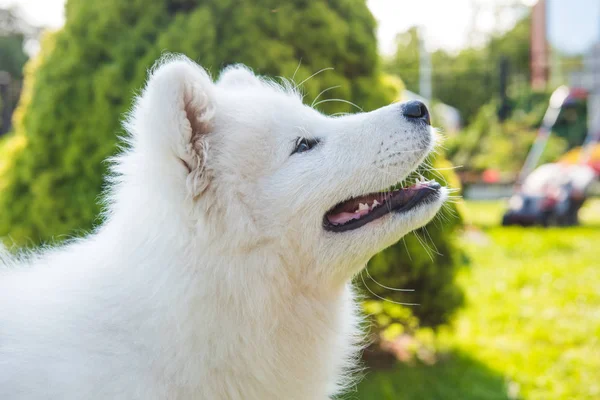
How a person enters a dog’s space often matters more than people expect. Many dogs are more comfortable when someone turns slightly sideways, moves slowly, and avoids looming over them. Guidance on dog greetings commonly recommends letting the dog approach first rather than reaching in immediately. Direct eye contact, bending over the head, loud squeals, hugging, or grabbing can feel intrusive, especially for dogs that are cautious or easily overstimulated. A respectful greeting can lower tension before it starts.
3. Time to sniff without being rushed
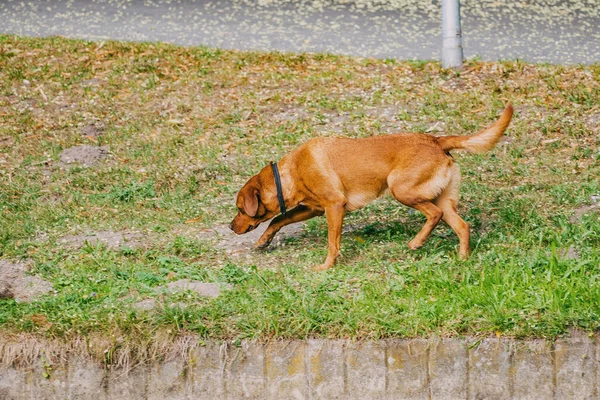
To people, a stop-heavy walk can look inefficient. To dogs, it is often the main event. Slow sniffing gives dogs a chance to gather information, process their surroundings, and engage the sense they use most. According to the Animal Humane Society, sniffing can be as enriching as physical exercise for many dogs. That makes everyday patience important even beyond walks: allowing a dog to investigate the yard, the hallway, the front step, or a new object at home supports mental stimulation in a way hurried handling does not. This can be especially meaningful for older dogs, who may not want long, fast outings but still need novelty and engagement.
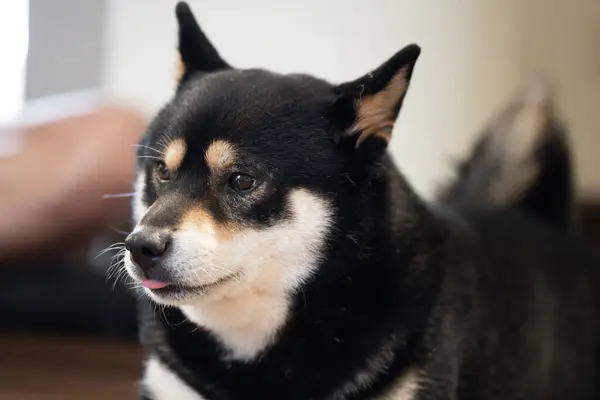
4. A household tone that stays steady
Dogs do not only notice words. They also pick up on tension. Research discussed in relation to a study on the smell of human stress found that dogs changed their responses after detecting stress odor from unfamiliar people. In daily life, that makes calm routines more important than they may appear. A rushed leash-up, frustrated training session, or tense entry at the door can change the atmosphere a dog is reading, even when no one says much at all.
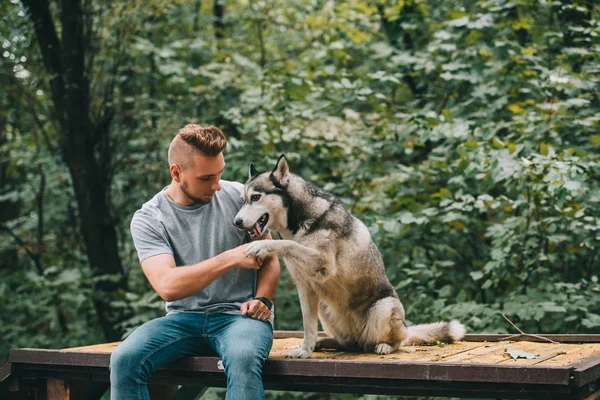
5. Patience during training and everyday cues
Training is not limited to formal sessions. Dogs are learning during mealtimes, greetings, door routines, and every repeated cue in the home. When people stay clear, consistent, and patient, dogs usually have an easier time understanding what is being asked. Stress and frustration can muddy that process. The same research on human stress suggests dogs are highly attuned to mood, which means emotionally steady practice is not just kinder in tone; it can also help a dog stay engaged and confident while learning.
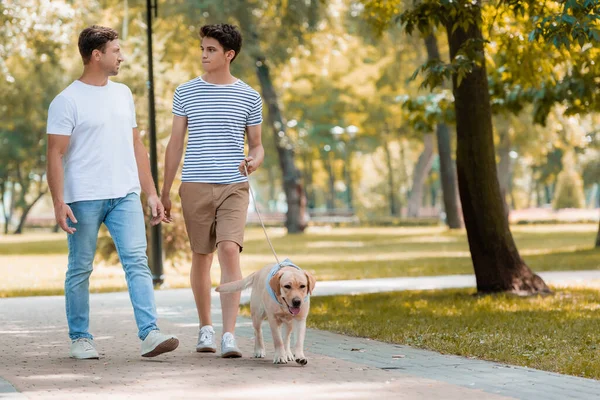
6. Protection from unwanted social interactions
Not every dog wants to greet every person or dog. Many do best when their handler notices hesitation early and steps in before discomfort turns into fear or conflict. That daily advocacy can be as simple as declining a stranger’s request to pet, creating more distance on a sidewalk, or skipping an on-leash greeting.

Reference guidance on considerate handling notes that dogs often dislike strangers entering their space suddenly, and that forcing close encounters can work against trust. A dog that feels backed up by its person often has less reason to stay on alert.
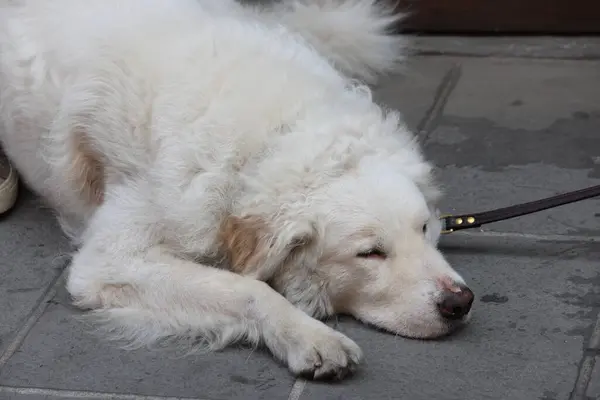
7. Respect for personal space inside the home
Dogs need room to rest as much as they need activity. Being followed to the bed, disturbed while relaxing, or crowded for affection can wear on dogs that prefer quieter downtime. This habit is easy to overlook because it happens in comfortable moments. Yet many dogs value being able to settle without someone hugging, leaning over, or repeatedly touching them.
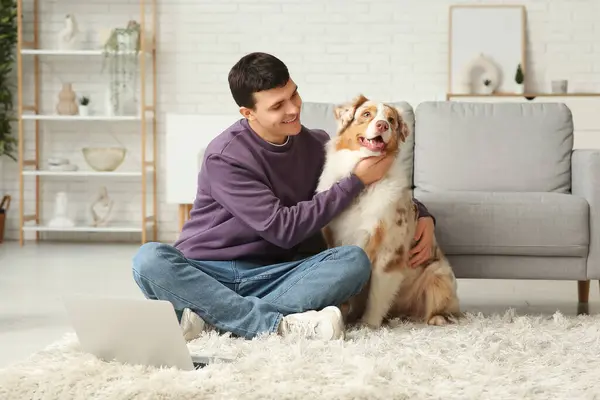
A home feels safer when rest is truly restful and affection is offered with attention to the dog’s response. For dogs, quality of life is built through repetition. Walks are one piece of that picture, but daily respect, patience, and choice shape the relationship just as strongly. When ordinary routines match how dogs actually communicate, they tend to feel more secure in their own homes and more comfortable with the people they trust most.

