
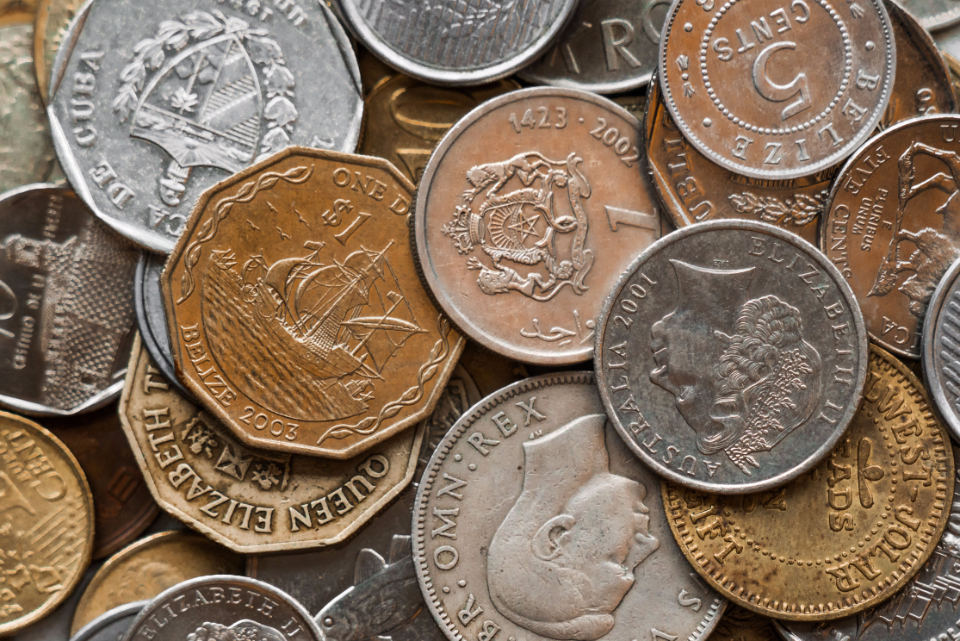
Most coins pass through daily life unnoticed. They land in tip jars, rattle around cup holders, and disappear into couch cushions without a second look.
Yet a small number of ordinary-looking American coins carry unusual histories: design mix-ups, doubled lettering, low-survival varieties, and pieces struck when the Mint was changing materials or artwork. Those are the coins that keep collectors checking change one coin at a time.
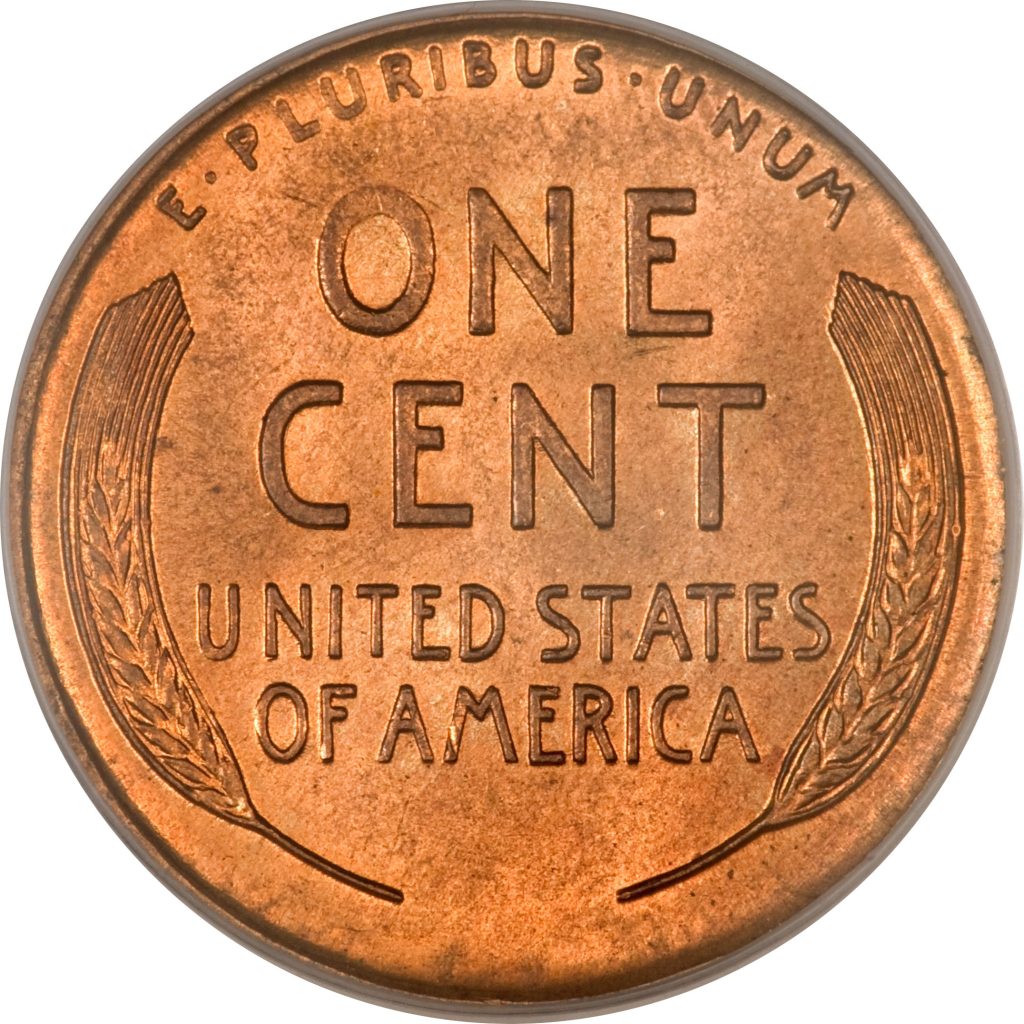
1. 1983 Lincoln Cent Doubled Die Reverse
The 1983 Lincoln cent is easy to overlook because millions were struck, and at a glance it looks like any other brown or reddish penny from the era. The important detail sits on the back. On the doubled die reverse variety, the entire reverse is doubled, including the Lincoln Memorial and the surrounding lettering. This variety belongs to a period when the cent had already shifted to a copper-plated zinc composition after 1982. Because the doubling is on the reverse design rather than a dramatic off-center error, many examples can escape notice in circulation. Careful collectors usually study the letters and the building details under magnification rather than relying on the coin’s overall appearance.
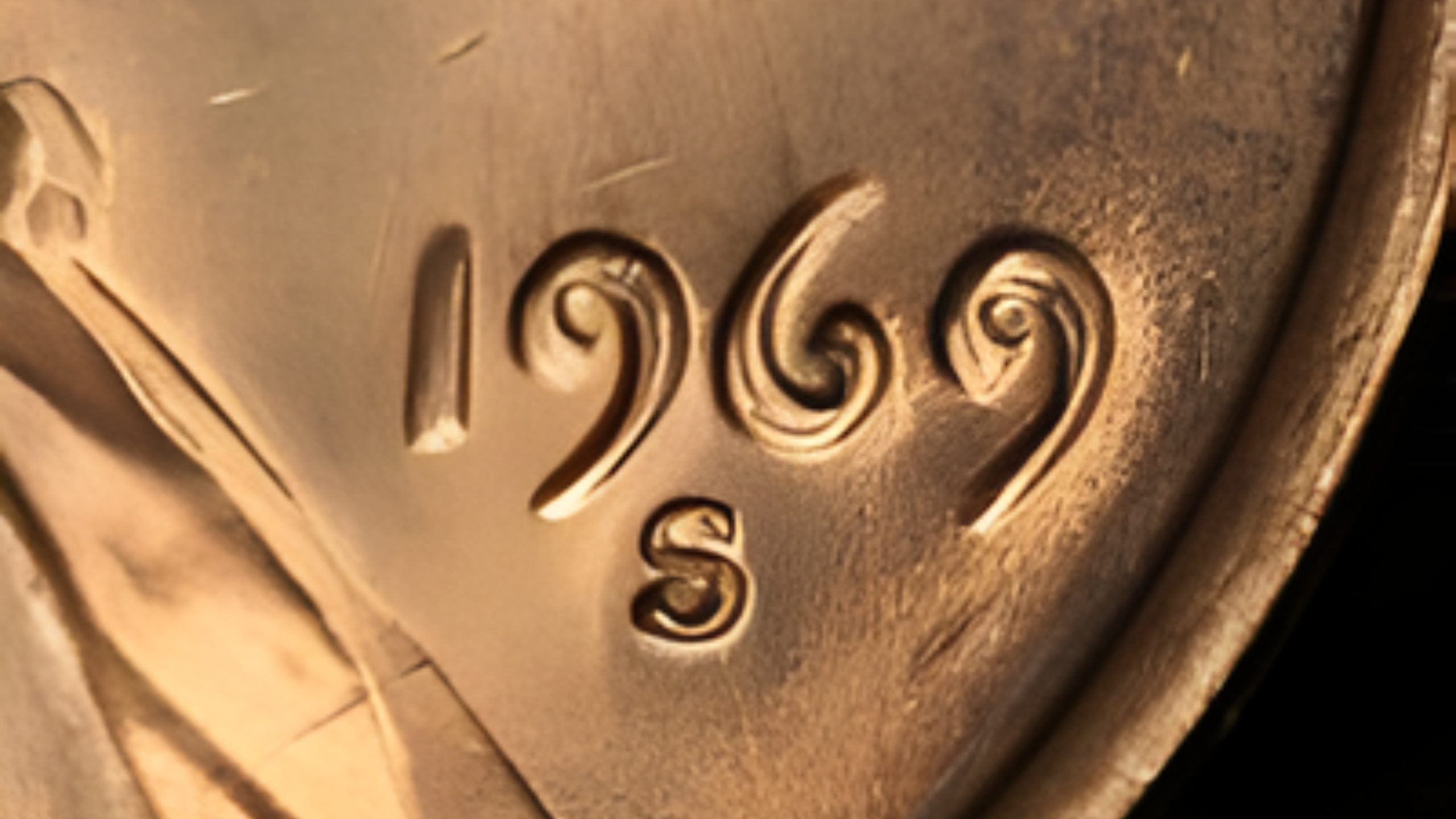
2. 1969-S Lincoln Cent Doubled Die Obverse
The 1969-S doubled die cent is one of the classic modern varieties in American coin collecting. Its appeal comes from visible doubling on the front, especially in the date and inscriptions, which makes it more dramatic than the sort of tiny anomalies that only specialists can spot. Examples are scarce enough that genuine pieces draw strong attention, but they also remind collectors to be cautious. Mechanical doubling and damaged surfaces can imitate the look of a true doubled die. In circulation, a worn example may still look like an ordinary cent unless the inscriptions are checked closely under good light.
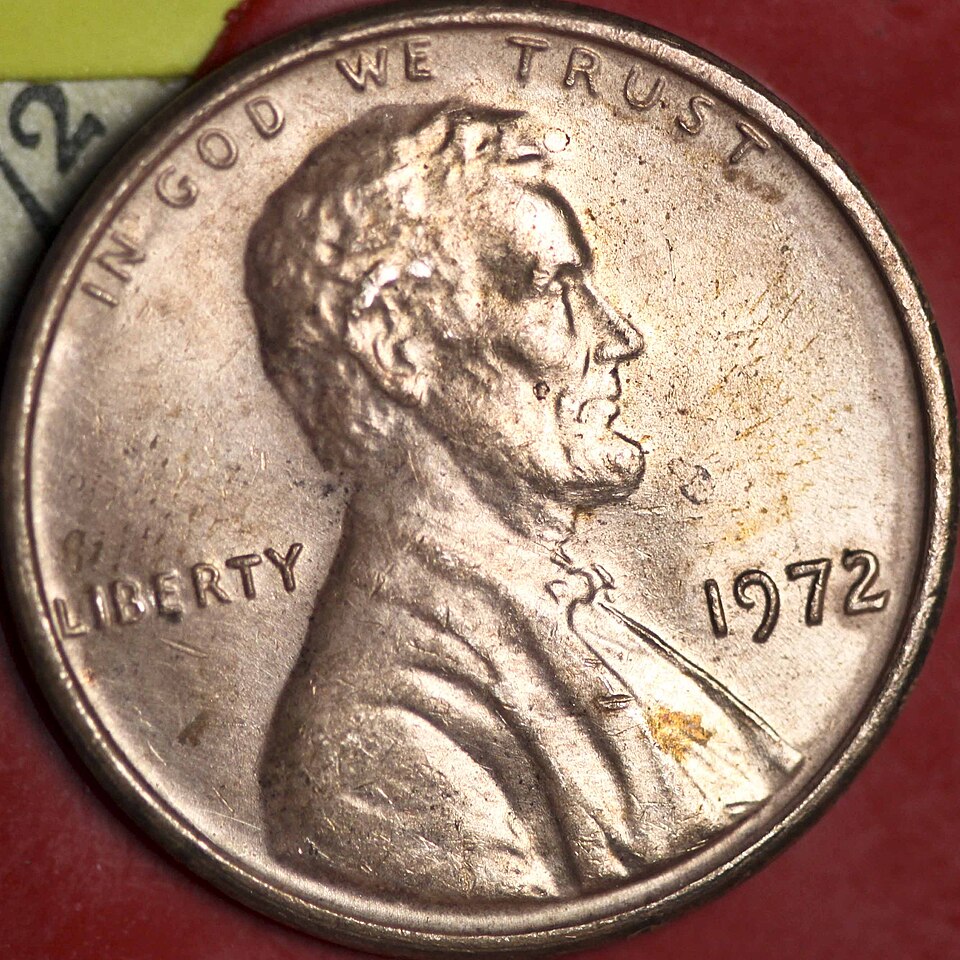
3. 1972 Lincoln Cent Doubled Die Obverse
The 1972 doubled die obverse cent remains one of the better-known “check your change” coins because the doubling can be bold enough to see without specialized equipment. On genuine examples, the words on the obverse often show clear separation, making this a variety that rewards patient searching. Its reputation has kept it in collector conversations for decades. That continued attention matters because many people spend cents without inspecting them, especially older Memorial cents that no longer stand out in commerce. A coin does not need to be ancient to be collectible; it only needs the right mistake in the right place.
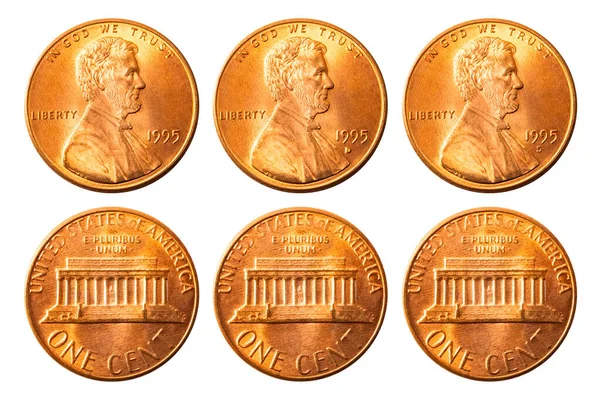
4. 1995 Lincoln Cent Doubled Die Obverse
The 1995 doubled die cent is a reminder that valuable varieties are not limited to mid-century coins. This issue became widely discussed because the doubling can often be seen in “LIBERTY” and “IN GOD WE TRUST,” making it one of the more approachable error varieties for beginners. That visibility also gives it cultural staying power. People who are not regular collectors still recognize it as the kind of penny that might plausibly turn up in circulation. In a jar full of common cents, this is the sort of coin that can reward a quick second glance.
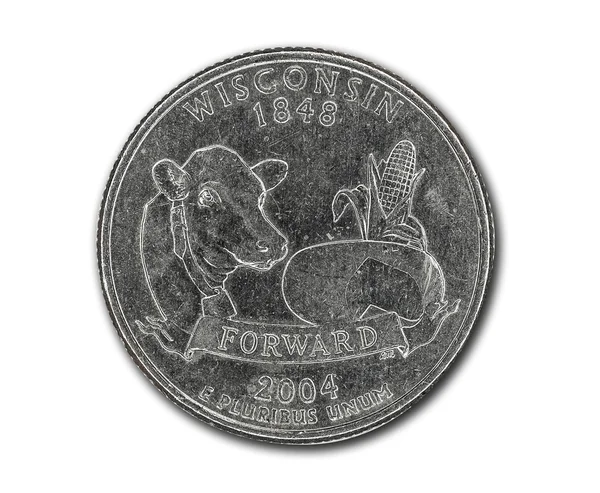
5. 2004 Wisconsin State Quarter Extra Leaf Variety
State quarters were handled so heavily that they created a new generation of casual coin searchers, and the 2004 Wisconsin quarter remains one of the standout finds from that series. Certain examples show an added leaf shape near the corn on the reverse, creating the well-known Extra Leaf varieties. Because the design already contains detailed farm imagery, the difference can be missed by anyone unfamiliar with the normal reverse. That is part of the coin’s fascination. It looks modern, familiar, and widely spent, yet a tiny design anomaly turned some ordinary quarters into pieces that collectors still hunt.
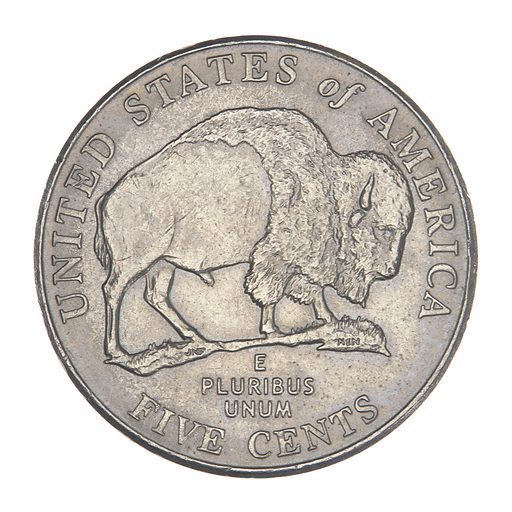
6. 2005 “Speared Bison” Jefferson Nickel
The 2005 Jefferson nickel with the so-called “Speared Bison” error came from the Westward Journey series, when the five-cent coin briefly departed from its long-running Monticello reverse. On this variety, a raised line appears to pass through the bison, creating one of the most memorable nicknames in modern numismatics.
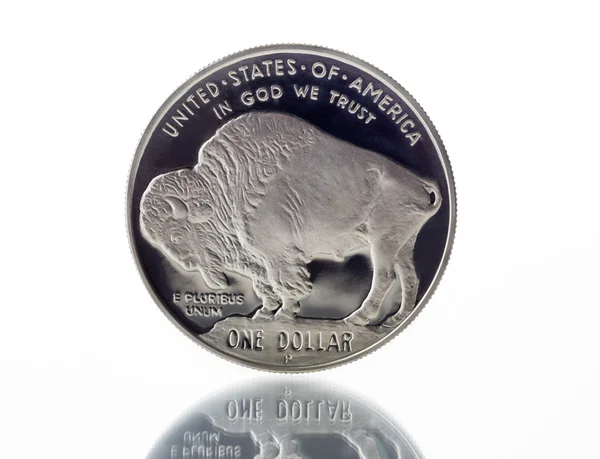
Its popularity owes much to how easy the error is to describe. Even people with limited coin knowledge can understand what they are looking for once the feature is pointed out. Since nickels circulate heavily and often receive little scrutiny, varieties like this can remain unnoticed in everyday use for long stretches.
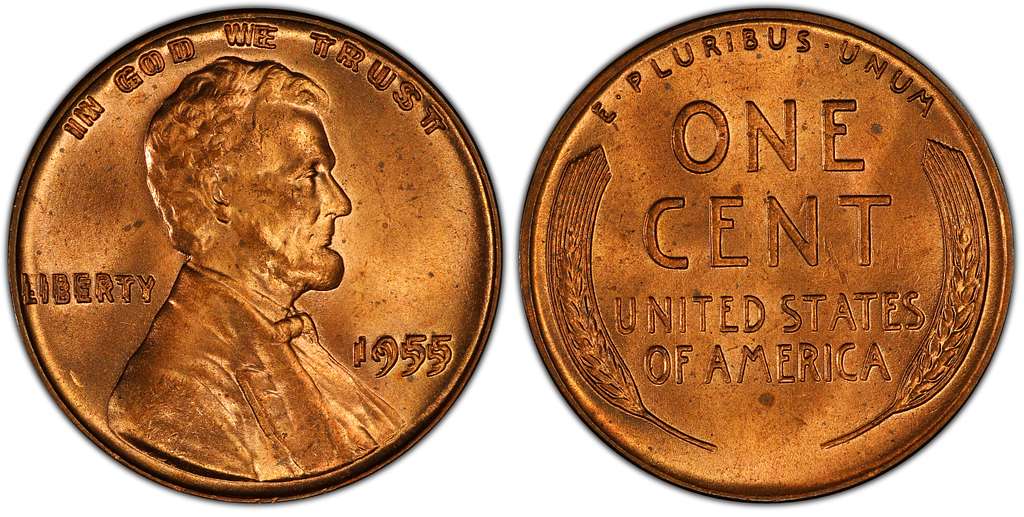
7. 1955 Lincoln Cent Doubled Die Obverse
Few American error coins are as famous as the 1955 doubled die cent. Strong doubling on the obverse inscriptions gave it a distinctive look that has made it a landmark coin for generations of collectors. It is the kind of piece that helped turn ordinary pocket change into a field of discovery. The coin’s fame has not removed its mystique. Worn examples can still be mistaken for damaged cents by non-collectors, while counterfeits and lesser forms of doubling have long complicated identification. What keeps it relevant is simple: it represents the enduring idea that a coin struck for daily commerce can become an accidental rarity.
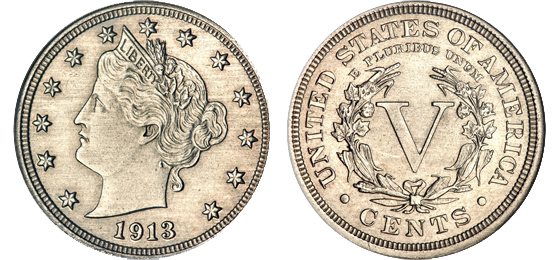
Not every unusual coin found in change will be a major rarity, and not every odd-looking piece is a true mint variety. Even so, the habit of looking closely has a long history in American collecting. That history includes pieces far beyond circulation finds, from the legendary 1913 Liberty Head nickel, of which only five are known, to modest cents and nickels that still surface in rolls, jars, and cash drawers. The lesson is less about luck than attention. Pocket change still rewards people who notice what everyone else ignores.

