
Hollywood has always sold reinvention. It has been far less generous about forgiveness. The modern version of a “ban” is rarely a formal document pinned to a studio gate. More often, it shows up as vanished franchise roles, canceled deals, missing press appearances, and a sharp move from prestige projects to the margins. In a business built on reputation, the distance between bankable and untouchable can be brutally short.
That tension has deep roots. The industry’s older blacklist era was not just gossip or myth; it became a system that reshaped careers and even television culture, with researchers arguing that the blacklist narrowed what audiences saw on screen for years.
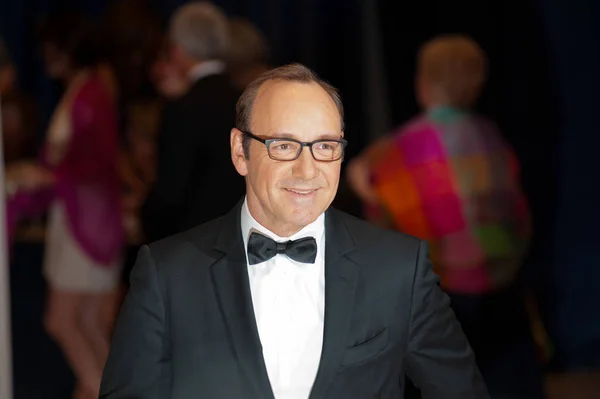
1. Kevin Spacey
Kevin Spacey had the kind of résumé that once made him look immovable: Oscars, prestige dramas, and the central role in a flagship streaming series. That status cracked fast in 2017 when multiple allegations of relation misconduct surfaced. The industry reaction was immediate and visible. He was removed from projects, and his completed performance in All the Money in the World was replaced after filming.
Even after courtroom outcomes that did not produce across-the-board liability, the larger Hollywood machine never truly reopened. Mainstream studios largely stopped building high-profile projects around him, and his post-scandal work has remained mostly outside the center of American prestige entertainment. In Hollywood terms, absence became the message.
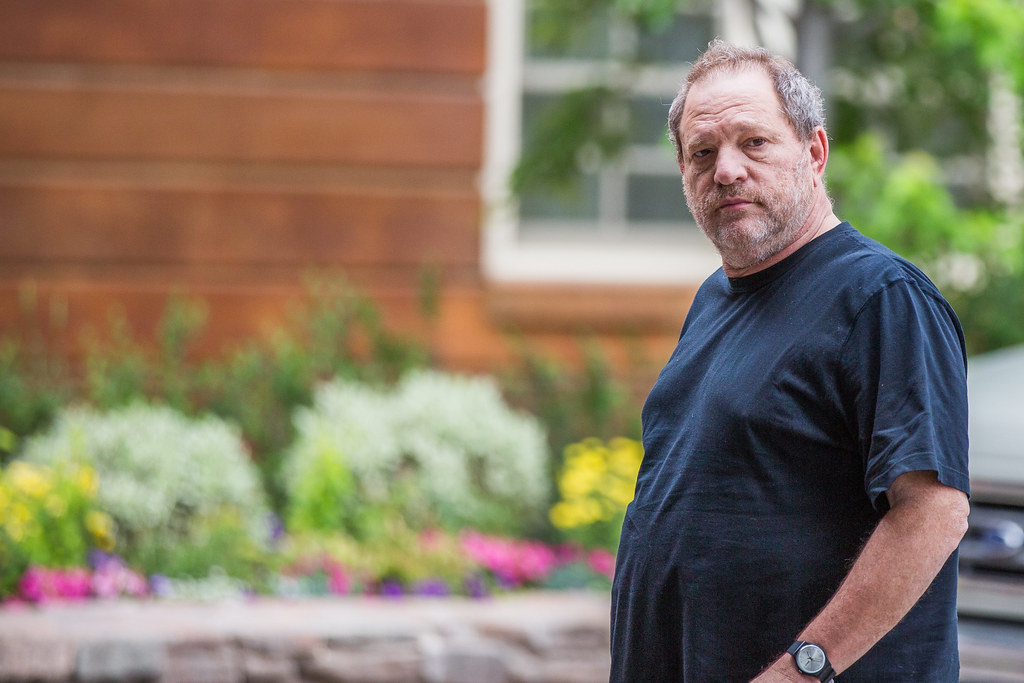
2. Harvey Weinstein
Harvey Weinstein’s collapse changed more than one career. It changed the power map of the business. Once one of the defining producers of the awards era, he became a symbol of how far institutional protection had stretched. The Academy expelled him in 2017, calling his conduct repugnant, and his downfall pushed Hollywood to more clearly formalize behavior standards.
The organization later made explicit that members could face discipline for violating its expectations, including actions up to and including suspension of membership or expulsion. His name, once synonymous with Oscar campaigns, became inseparable from industry reckoning. That reversal mattered because it showed that exclusion in Hollywood is not always about box office failure. Sometimes it is about power being revoked in public.

3. Roseanne Barr
Roseanne Barr staged one of television’s more dramatic comeback stories, only to watch it disappear almost instantly. The reboot of Roseanne was a ratings success, which made the fallout even more jarring when a racist social media post triggered the show’s cancellation.
ABC moved ahead without her, reshaping the property into The Conners. That detail said everything: the franchise could survive, but not with its original star attached. Barr continued working in smaller or ideologically aligned spaces, yet the mainstream network ecosystem that had revived her did not return.
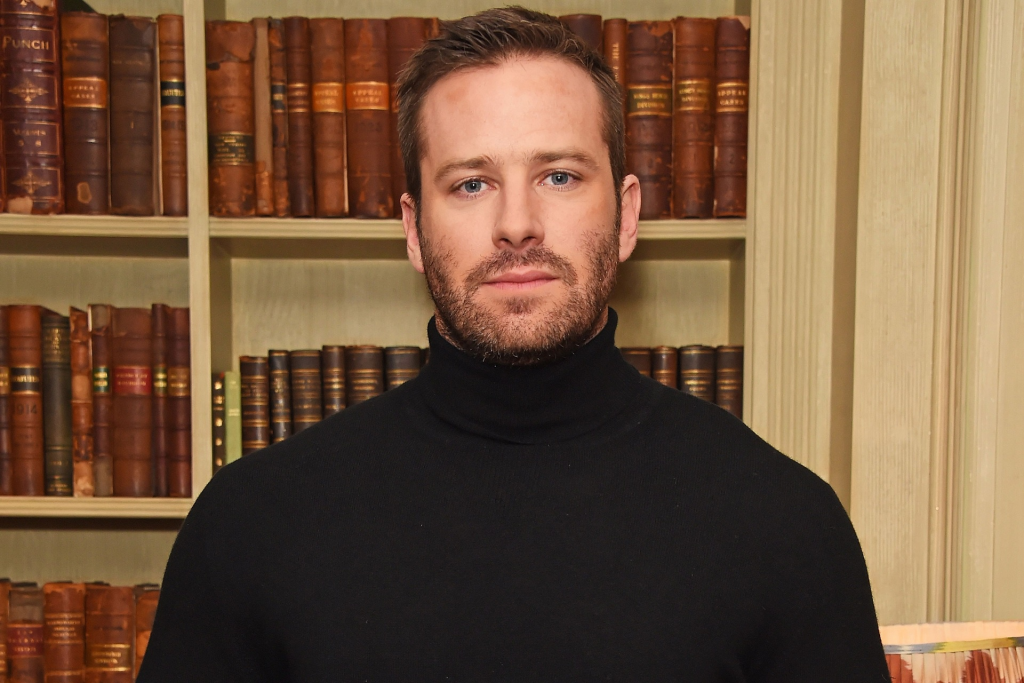
4. Armie Hammer
Armie Hammer looked positioned for a long run as a polished leading man after films such as The Social Network and Call Me by Your Name. Then allegations and leaked messages upended that trajectory. He lost representation and dropped out of multiple planned productions almost at once.
What made Hammer’s case stand out was the speed of the industry retreat. The shift was not a slow cooling-off period; it was an evacuation. Since then, he has remained largely detached from major studio filmmaking, a reminder that momentum in Hollywood can vanish faster than it is built.

5. Gina Carano
Gina Carano had crossed from mixed martial arts into one of the most powerful entertainment engines in the world through The Mandalorian. Her exit became a case study in how franchise culture handles controversy. After inflammatory social media activity, Lucasfilm said she was no longer employed by the company and had no future projects with it.
That kind of statement lands differently when it comes from a franchise giant. It does not just remove one job; it closes the door on an entire tier of blockbuster visibility. Carano kept working, but in a different lane entirely, far from the studio ecosystem that had made her a mainstream breakout.
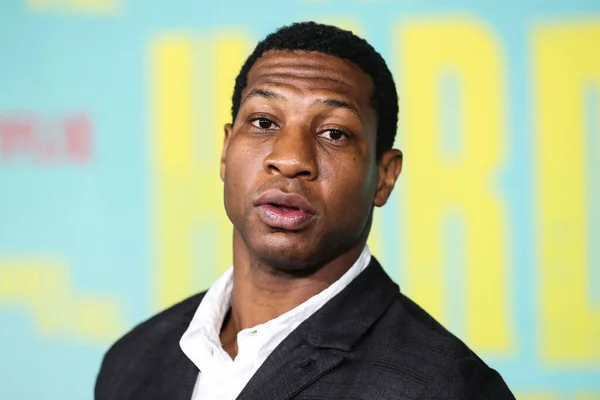
6. Jonathan Majors
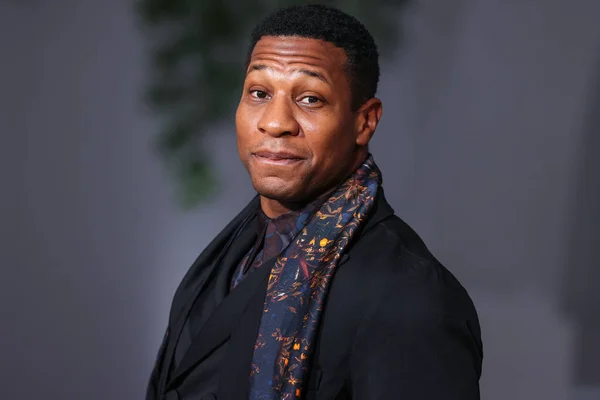
Jonathan Majors had been built into the future of a superhero universe, with Marvel positioning him as Kang the Conqueror across multiple projects. That made the fallout especially consequential. After his conviction, Marvel moved forward without his involvement, cutting short one of the most aggressively planned franchise rises in recent memory.
Hollywood rarely telegraphs long-term faith more clearly than handing an actor a saga-level villain role. Losing that slot does more than interrupt a hot streak; it rewrites the studio’s future plans and the actor’s place in them.
7. Danny Masterson
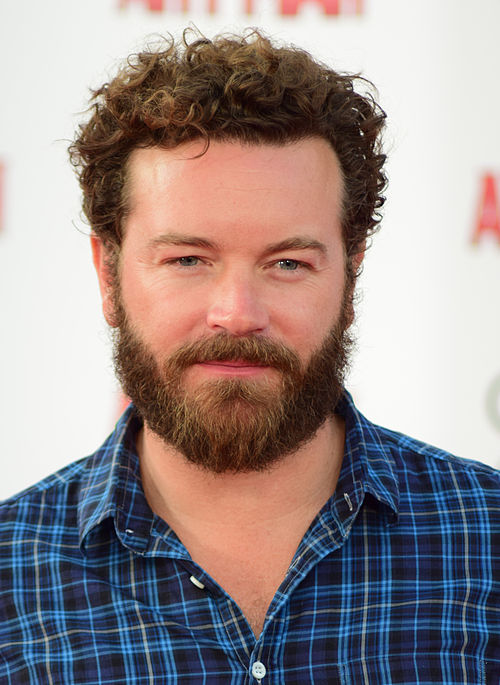
Danny Masterson’s career unraveled in stages before ending in finality. He was written out of The Ranch as legal proceedings advanced, and his standing in mainstream entertainment continued to collapse as the case moved forward. By the time he was convicted on two counts of rape, the question was no longer whether he could keep working in Hollywood. It was whether any meaningful path back existed at all. In practical terms, the answer was clear.
8. Bill Cosby
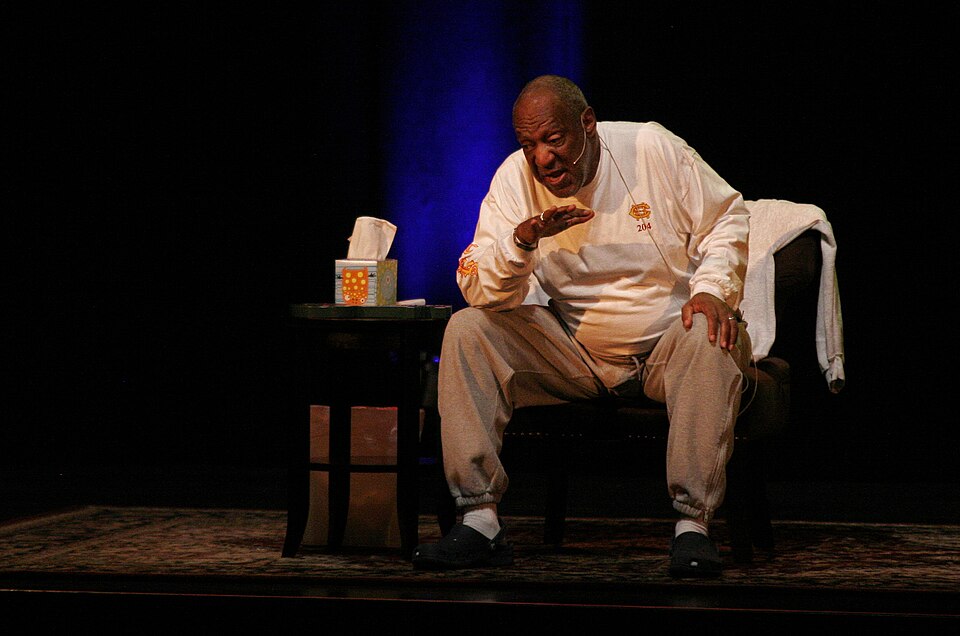
Bill Cosby’s fall carried a particular cultural shock because his screen identity had long been tied to authority, warmth, and family-safe comedy. That image fractured under decades of accusations and criminal proceedings. Although his 2018 conviction was later overturned, the entertainment industry did not restore him to active relevance.
His case also intersects with one of the rare formal punishments Hollywood institutions can issue: the Academy expelled him in 2018 under its conduct rules, and he remains among the small group of figures banned from Academy events or removed from membership. For a figure once treated as an entertainment institution himself, that was a stark reversal.

9. Katherine Heigl
Not every Hollywood exile comes through criminal court or headline-making scandal. Katherine Heigl became one of the clearest examples of how reputation alone can reshape a career. After publicly criticizing material associated with her breakout success and developing a label for being difficult, her movie-star ascent slowed dramatically.
She kept working, especially in television, but the glossy romantic-comedy lane that once seemed built for her narrowed. Her story reveals a different kind of banishment: the informal kind, where no one issues a decree, but the phone rings less and the roles get smaller.
10. Will Smith
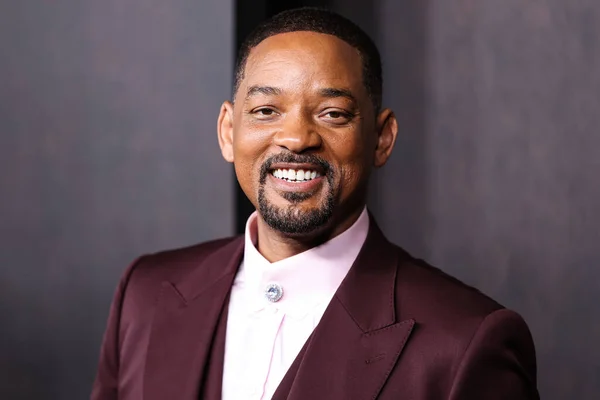
Will Smith is a reminder that Hollywood discipline can still become official when the venue is iconic enough. After striking Chris Rock onstage at the 2022 Oscars, he received a 10-year ban from attending Academy events. The Academy said the penalty was part of restoring trust and protecting the safety of guests and performers. His broader career did not vanish in the same way as others on this list, but the incident mattered because it exposed the line between scandal and institutional punishment. In a business that often prefers ambiguity, this was one of the rare moments when Hollywood put the consequence in writing.
The phrase “banished from Hollywood” sounds dramatic, but the real pattern is more layered. Sometimes the shutout is legal, sometimes corporate, sometimes cultural, and sometimes it is just the industry deciding that the risk outweighs the talent. What ties these stories together is not a single rulebook. It is the way Hollywood enforces belonging: through access, association, and silence. Once that machinery turns, a career can still exist. It just no longer exists where the spotlight is brightest.

