
Celebrity culture has a way of turning personal identity into a public test. For Black entertainers and public figures, that pressure often gets even sharper, especially when questions about colorism, nationality, genre, upbringing, or politics become part of the conversation.
What makes these moments so sticky is that they rarely stay about one person. They quickly expand into bigger arguments about who gets to represent Blackness, who gets challenged, and why the same standards are not applied equally across film, music, sports, and television.
1. Zoë Saldaña and the Nina Simone backlash
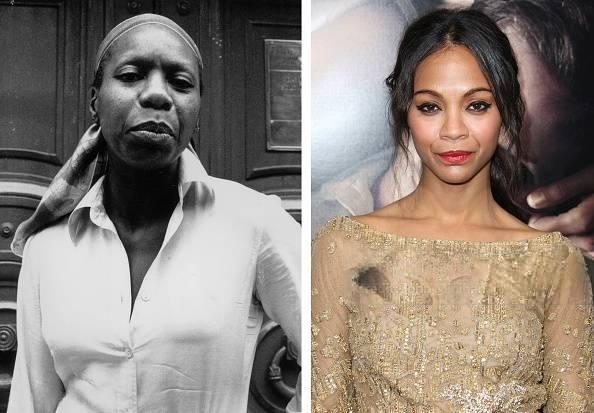
Few casting controversies showed the stakes of representation more clearly than Zoë Saldaña’s turn in Nina. Critics argued that portraying Nina Simone with a lighter-skinned actress, plus visible prosthetic changes, crossed a line rather than honoring the singer’s legacy. The argument was not only about resemblance. It became a flashpoint over colorism and the way Hollywood has historically treated darker-skinned Black women.
Saldaña later expressed regret, saying she should have used her position differently. That response helped keep the debate alive because it turned the conversation from simple casting criticism into a larger industry question about who gets protected, who gets replaced, and which Black stories are considered interchangeable.
2. Zendaya and the Aaliyah casting uproar
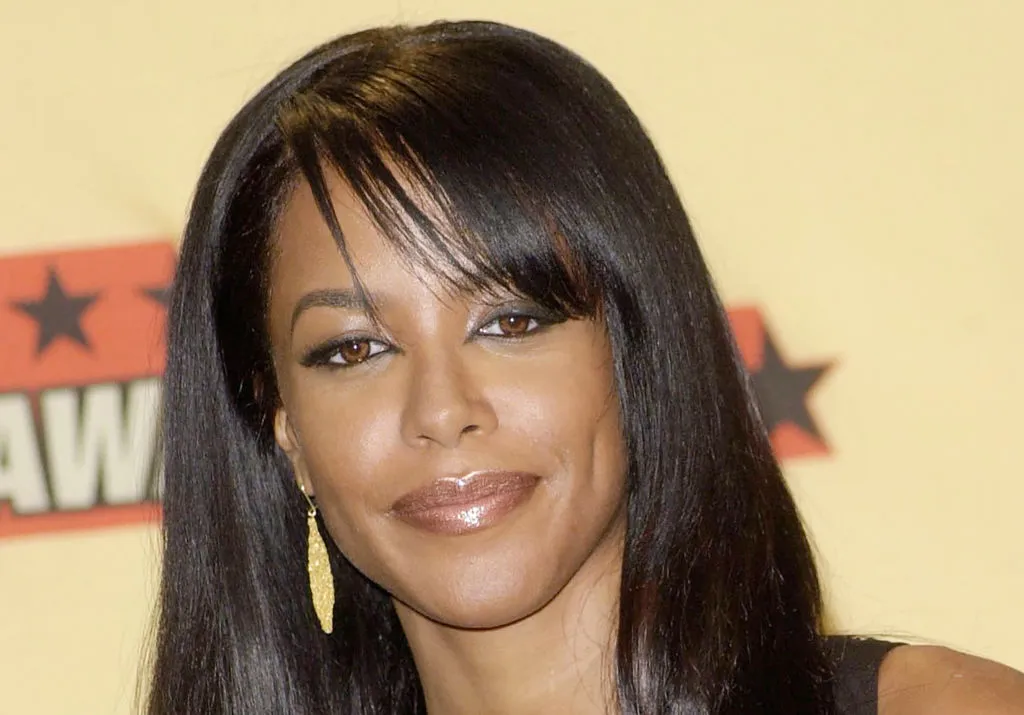
Zendaya’s early casting as Aaliyah triggered immediate pushback from viewers who felt the singer’s image and legacy could not be separated from colorism. The criticism focused on whether a lighter-skinned young star should portray an icon whose look and place in Black popular culture carried very specific meaning.
Zendaya eventually exited the project, and the moment stuck because it showed how quickly admiration can collide with representation politics. Later comments from Zendaya about being aware of her position as a light-skinned woman in Hollywood gave the backlash a longer afterlife than a single role usually gets.
3. Raven-Symoné and rejecting racial labels
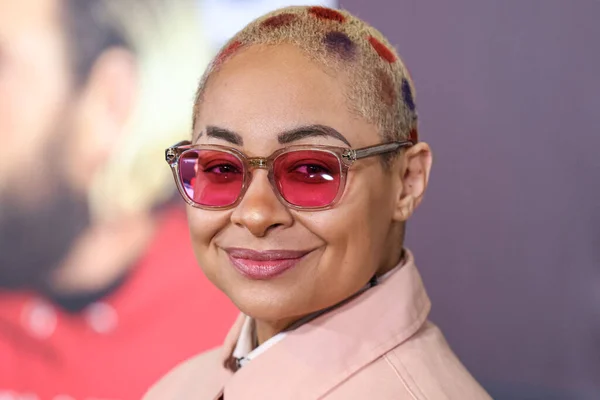
When Raven-Symoné said in an interview that she did not identify as African American and preferred simply to be called American, the reaction was immediate. To many critics, the comment sounded less like individuality and more like distance from Black identity.
She later clarified that she was not denying her heritage. Even so, the moment became one of the clearest examples of how a celebrity’s wording can ignite a broader clash over self-definition versus collective history. It also revealed how little room famous people are often given to describe race on their own terms once the public decides the phrasing carries symbolic weight.
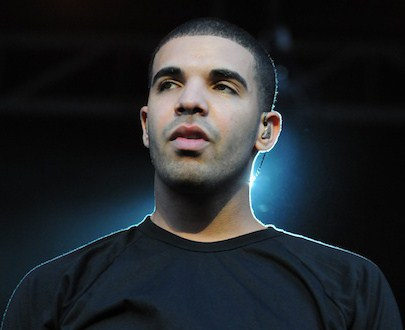
4. Drake and the long-running authenticity question
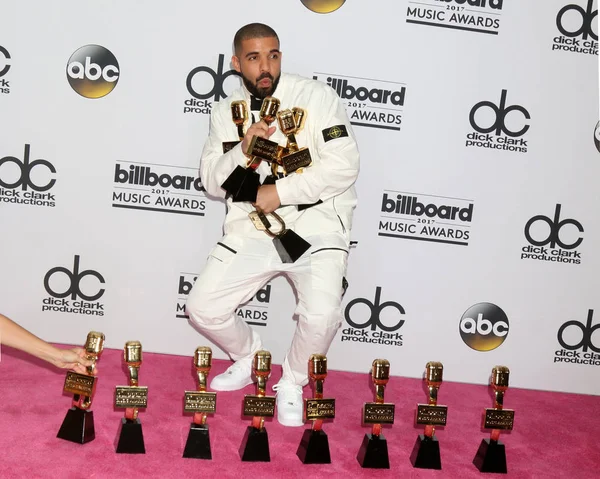
Drake has spent years hearing that his background does not match traditional expectations of rap credibility. Critics have pointed to his middle-class upbringing and his start on Degrassi, while supporters have argued that success, influence, and lyricism are not erased by a less stereotypical origin story.
The tension around him sits inside a bigger truth about hip-hop: Black culture drives the genre, yet artists still get judged against narrow templates of what Blackness should sound like. That pressure has not disappeared even as hip-hop has shaped generations of music listeners and industry standards.
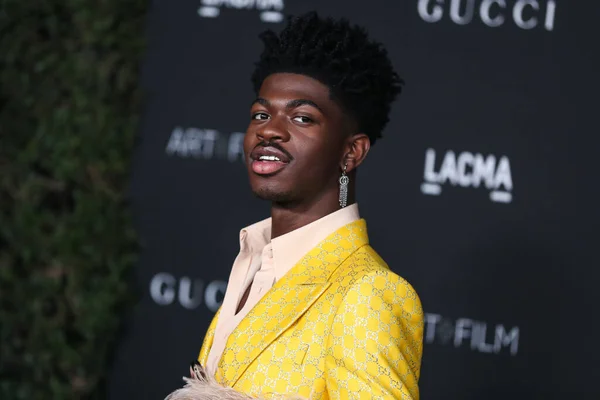
5. Lil Nas X and the country gatekeeping fight
Lil Nas X forced a genre argument into the mainstream when “Old Town Road” was removed from the country charts. What followed was not just a dispute over instrumentation or format. It became a debate about who gets accepted into a genre with deep Black roots but a narrow public image.
His response was strategic rather than defensive. By collaborating with established country figures, he pushed the discussion away from permission and toward visibility. The bigger context matters here too, because Black influence stretches across gospel, blues, country, Motown, rap, and pop, even when that history is not always centered in the industry conversation.
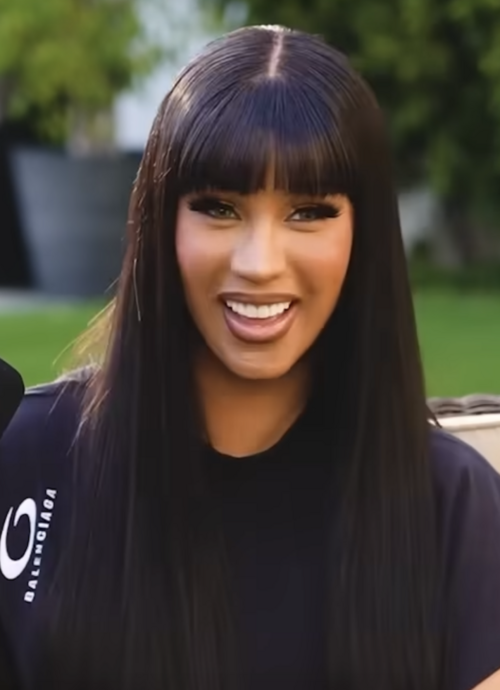
6. Cardi B and the Afro-Latina identity debate
Cardi B has repeatedly defended her Black identity against critics who treat Afro-Latina identity as something separate from Blackness. For many viewers, her background sparked confusion that revealed how often public discussions flatten the history of race across the Caribbean.
Her explanation did more than defend herself. It pushed a wider audience to confront the reality of the African diaspora and the fact that Black identity is not limited to one nationality, one accent, or one American experience. That is a major reason the conversation around her never stayed small.
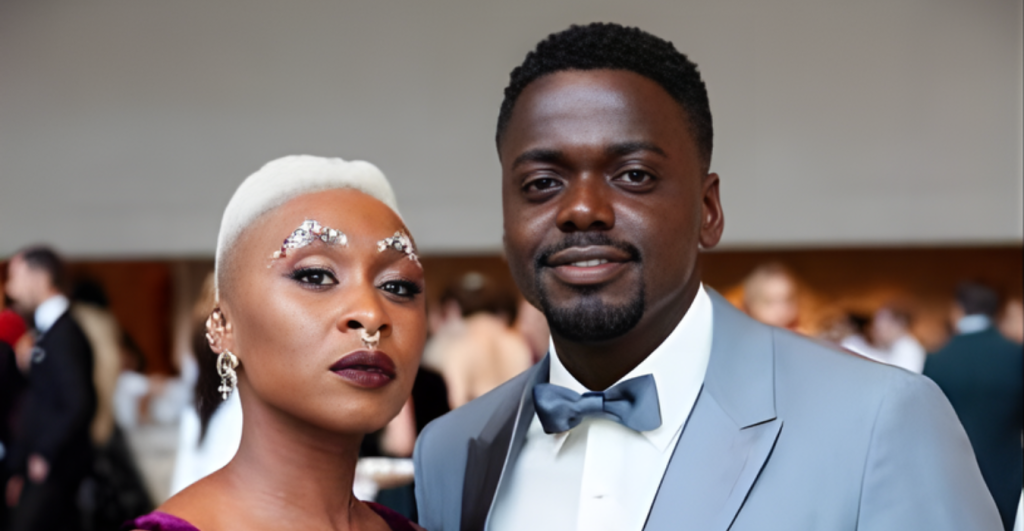
7. Daniel Kaluuya and Cynthia Erivo in diaspora casting debates
Questions about “not Black enough” do not always come from skin tone or genre. Sometimes they come from geography. Daniel Kaluuya’s role in Get Out and Cynthia Erivo’s casting as Harriet Tubman both stirred criticism over whether Black British actors should portray distinctly African American experiences.
Those debates exposed a real tension inside global Black storytelling. Some critics wanted a closer cultural link to the histories being portrayed. Others argued that anti-Black racism is not restricted by borders and that the diaspora shares overlapping experiences. The argument endures because both authenticity and artistic range matter, and public opinion rarely treats those values as easy companions.
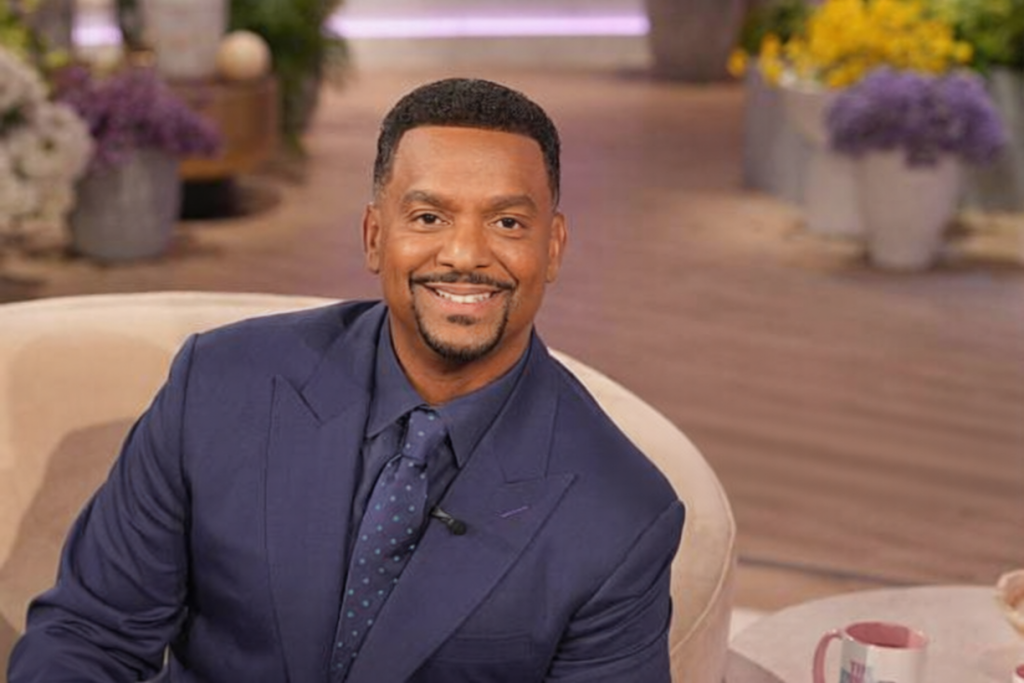
8. Alfonso Ribeiro and the Carlton effect
Alfonso Ribeiro faced a different kind of identity trap: people blurred the line between the actor and the character he played. Carlton Banks was often written as the polished punchline to Will Smith’s cooler image, and that fictional contrast fed real-world assumptions that Ribeiro himself was somehow outside acceptable Blackness.
That made his case unusually revealing. It showed how television stereotypes can leave the screen and attach themselves to a performer’s actual identity. In that sense, the criticism was never just about one sitcom. It was about how entertainment teaches audiences to sort Black people into narrow categories and then act shocked when real life does not fit them.
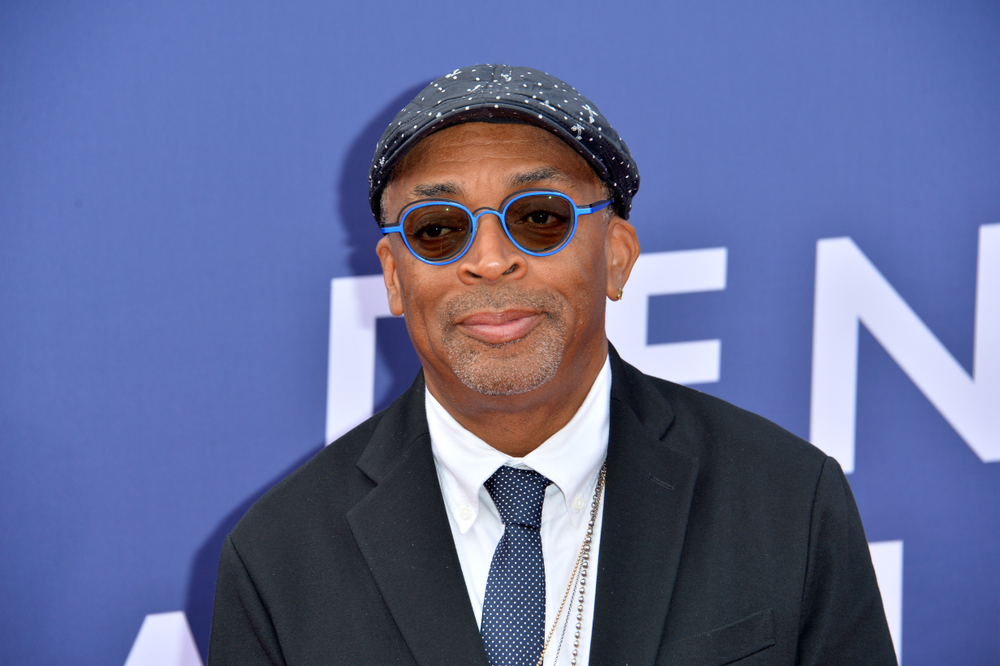
9. Tyler Perry and Spike Lee’s clash over representation
Tyler Perry’s feud with Spike Lee became a major proxy battle over who gets to define “real” Black storytelling. Lee criticized Perry’s work for leaning into stereotypes, while Perry defended his films as rooted in the people and experiences he knew.
This kind of fight has shown up elsewhere in Hollywood too, including arguments over whose stories are visible and whose are missing, like Spike Lee’s criticism of the lack of Black soldiers in Clint Eastwood’s Iwo Jima films. In Perry’s case, the disagreement revealed how representation debates do not only happen between Black celebrities and the broader public. They also happen within Black creative communities, where authenticity is constantly contested.
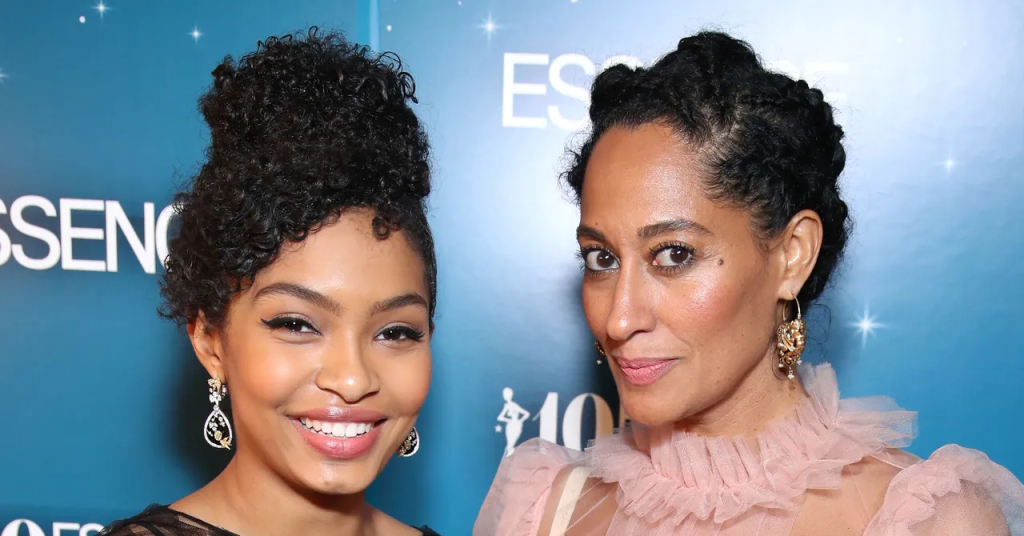
10. Tracee Ellis Ross and Yara Shahidi confronting “acceptable” Blackness
Tracee Ellis Ross and Yara Shahidi have both faced conversations shaped by privilege, appearance, and public polish. Because both are often framed as graceful, educated, and mainstream-friendly, critics have sometimes suggested they represent a version of Blackness that feels more comfortable to wider audiences.
That criticism connects to a deeper pattern described by artists and writers across entertainment: people of color are often treated as if every career choice either confirms or betrays an identity category. In creative industries where artists of color frequently describe imposter syndrome and narrow expectations, that burden can turn even obvious success into another kind of scrutiny.
These celebrity clashes lasted because they were never only about fame. They exposed how often Black identity gets treated as something to verify, defend, perform, or explain in public. The throughline is difficult to miss. Whether the issue was casting, music, nationality, biracial identity, or image, the loudest debates kept circling the same question: who gets to decide what “Black enough” means, and why does that judgment keep landing on the people being watched instead of the systems doing the watching?

