
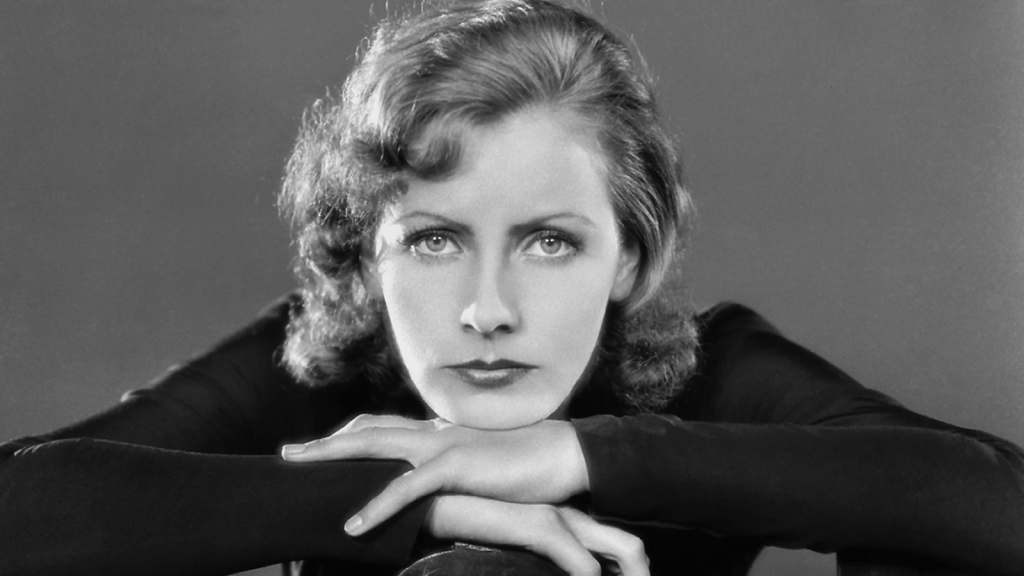
Long before studios treated authenticity as marketable, many actresses were already living outside the script. Some did it in coded ways, some in plain sight, and some through creative choices that bent Hollywood’s rules without announcing the rebellion out loud.
The result was larger than celebrity gossip or private biography. These women altered what glamour looked like, what screen femininity could hold, and what queer visibility would eventually become.
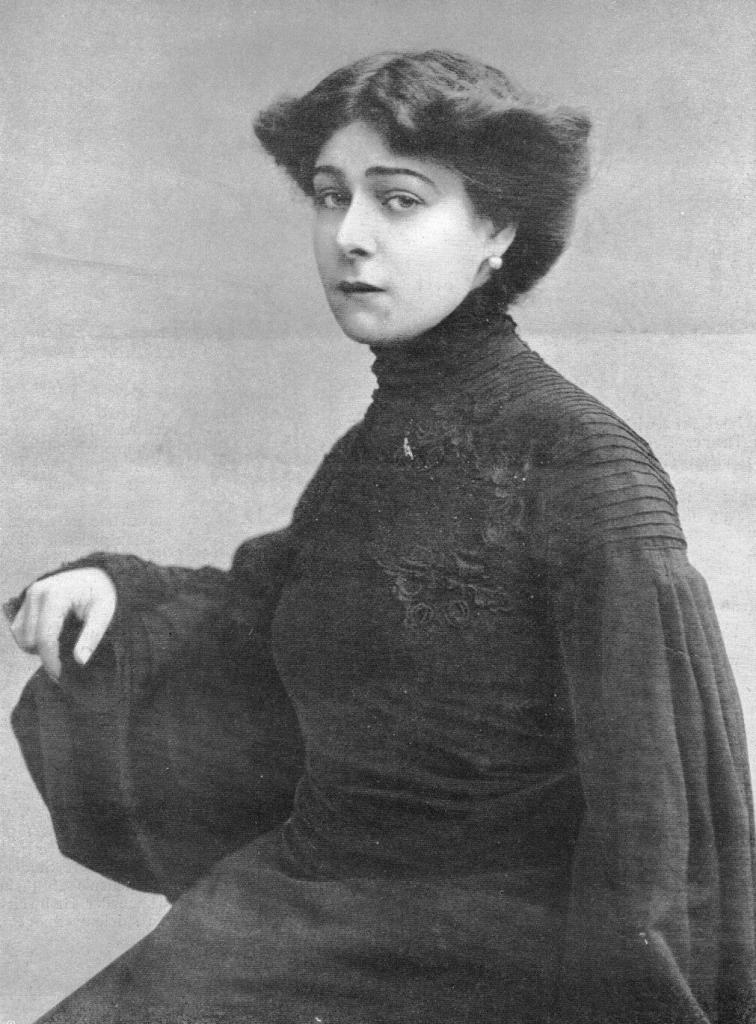
1. Alla Nazimova turned private survival into cultural infrastructure
Before Hollywood had language for queer community, Alla Nazimova helped create places where it could exist. The silent-era star, writer, and producer has long been linked to the phrase “sewing circle,” and her Sunset Boulevard property later became the Garden of Allah, a legendary gathering point in early Hollywood. That mattered in an era when careers could be damaged by rumor alone.
Her significance goes beyond her relationships. Nazimova held rare creative power for a woman in early film and used it while moving through an industry built on concealment, publicity management, and social code. She stands out not simply as an early queer icon, but as someone who made room for others.
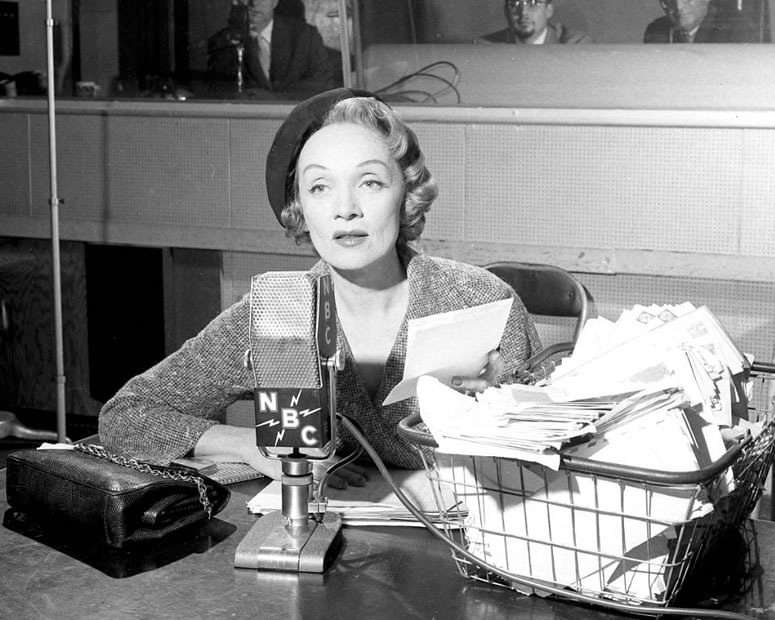
2. Marlene Dietrich made gender nonconformity look elegant, not marginal
Marlene Dietrich did not merely wear menswear; she transformed it into cinematic symbolism. In “Morocco,” the tuxedo became a challenge to the rules of femininity, and her androgynous image carried into fashion, nightlife, and public imagination. Her style made ambiguity visible without surrendering glamour.
Her life also sat at the center of what later writers described as Hollywood’s underground queer social world. Dietrich reportedly referred to a hidden network of actresses as the “sewing circle”, a reminder that old Hollywood’s polished surface concealed far more complexity than the studio system admitted. She became a model for stars who would later refuse the idea that femininity had to be narrow, passive, or legible.
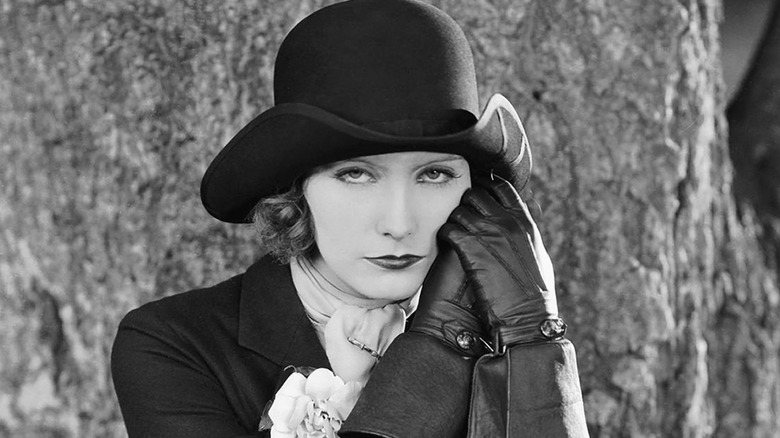
3. Greta Garbo turned privacy into resistance
Garbo’s mystique is often treated as branding, but it also functioned as a form of control. In a studio era that demanded romantic narratives for public consumption, she withheld access. That refusal was powerful. It denied the industry one of its favorite tools: the packaging of women into digestible stories.
Onscreen, Garbo repeatedly complicated gender and desire, especially in roles like “Queen Christina.” Offscreen, her close attachments to women and fierce separation from publicity expectations reinforced the sense that she would not be managed in the usual way. That distance became part of her legend.
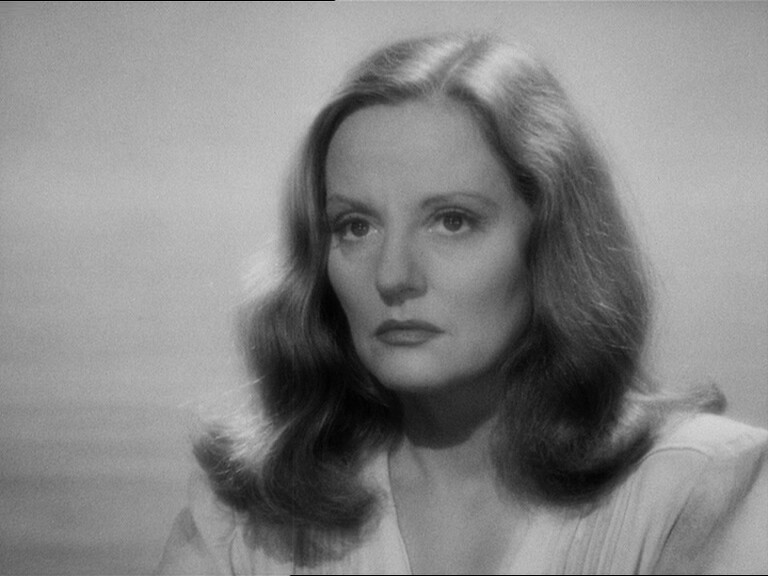
4. Tallulah Bankhead refused to sound apologetic
Tallulah Bankhead’s cultural force came from candor as much as performance. She built a persona that was witty, unruly, and difficult to domesticate, and that mattered in a period that punished women for excess of any kind. Stories about her fluid relation persisted because she projected the kind of freedom Hollywood usually tried to tidy away.
She also carried a reputation that cut across stage, radio, film, and queer folklore. In older accounts of Hollywood’s hidden sapphic and hermaphroditic circles, Bankhead appears again and again, attached to a striking number of names and to a style of self-presentation that refused embarrassment. Her legacy survives partly because she made discretion look optional.
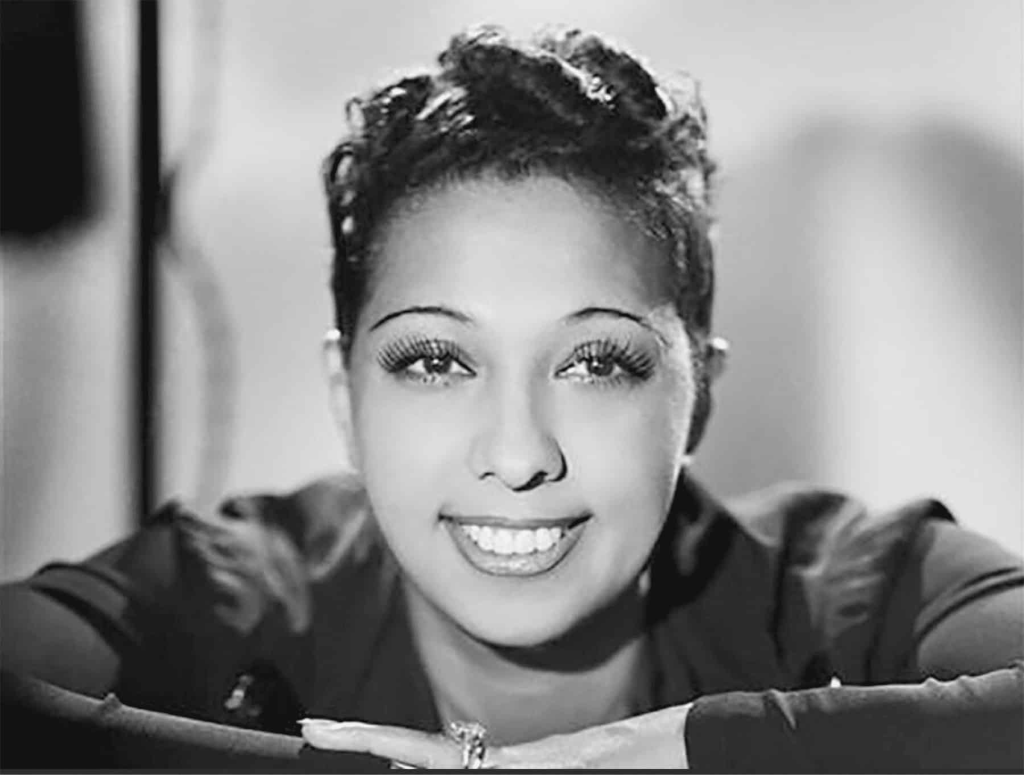
5. Josephine Baker linked relation freedom, race, and self-invention
Josephine Baker’s career cannot be separated from the fact that she found greater artistic freedom outside the United States. In Paris, she became an international sensation while escaping parts of the racial order that constrained American performers. That alone made her story larger than stardom.
She was also remembered for relationships that crossed conventional boundaries and for building a public life on reinvention. Baker’s image, politics, and personal choices challenged more than one hierarchy at once. In any serious history of women who widened the frame of performance and identity, she belongs near the center.
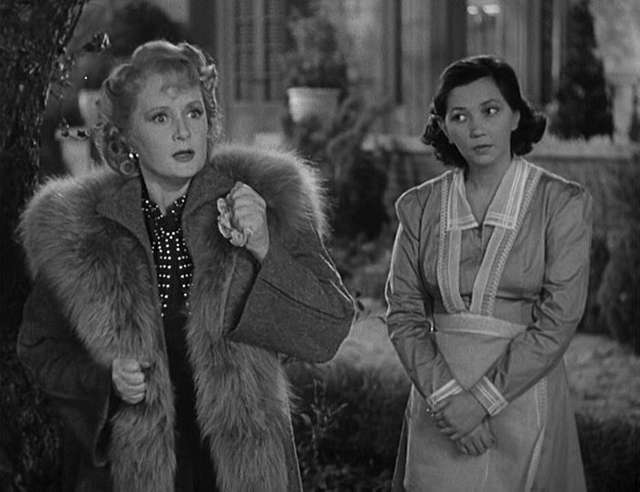
6. Patsy Kelly proved openness could cost a career
Not every pioneer was protected by prestige. Patsy Kelly, beloved for her comic work in the 1930s, is often remembered as one of the few women in classic Hollywood who lived with unusual openness for the time. That visibility came with consequences, including professional marginalization.
Her story gives the history sharper edges. Being ahead of one’s time was not an aesthetic flourish; it could mean fewer roles, fewer allies, and years in the wilderness before the culture caught up. Kelly’s later return to acclaim only makes the earlier exclusion more revealing.
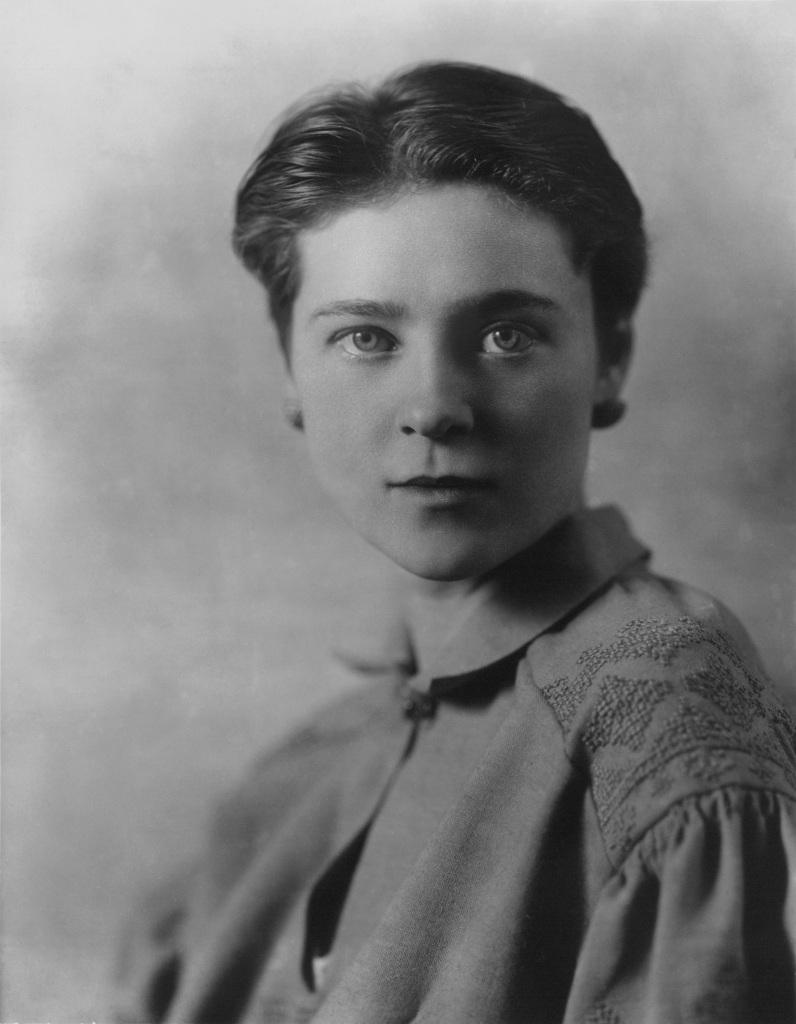
7. Eva Le Gallienne showed what openness could cost and create
Eva Le Gallienne’s career belongs as much to theater history as queer history, but the overlap is exactly the point. She was a major artistic force who founded the Civic Repertory Theatre and built serious cultural work around her convictions. According to later accounts, her relation also limited her path into mainstream film.
That pattern fits a broader truth of the era: visibility often narrowed commercial options even as it expanded artistic significance. Le Gallienne’s life illustrates how queer women were not only present in entertainment history; they were architects of institutions, repertory, and serious artistic ambition.
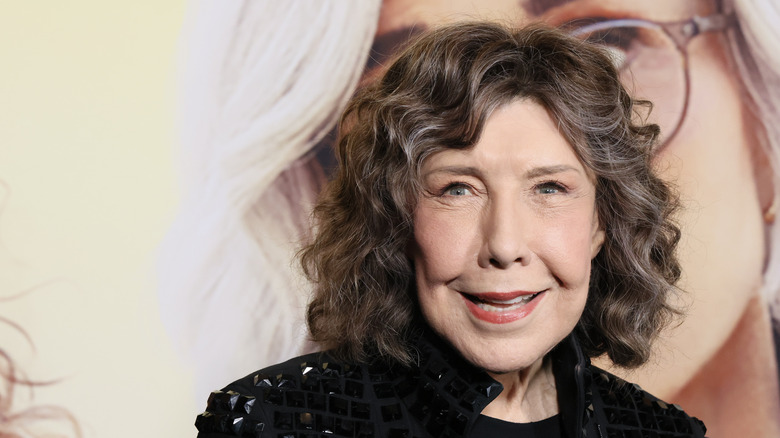
8. Lily Tomlin turned longevity into its own kind of breakthrough
Lily Tomlin represents a different phase of being ahead of the curve. She rose to fame in television and comedy without making her personal life a manufactured spectacle, then sustained a career long enough to outlast the industry’s old assumptions. Her decades-long creative partnership with Jane Wagner became part of that story.
This was not just about endurance. It was about normalizing the fact that a major performer could be unmistakably herself and remain central to American entertainment. Tomlin’s longevity helped shift queer identity from whispered sidebar to durable fact.
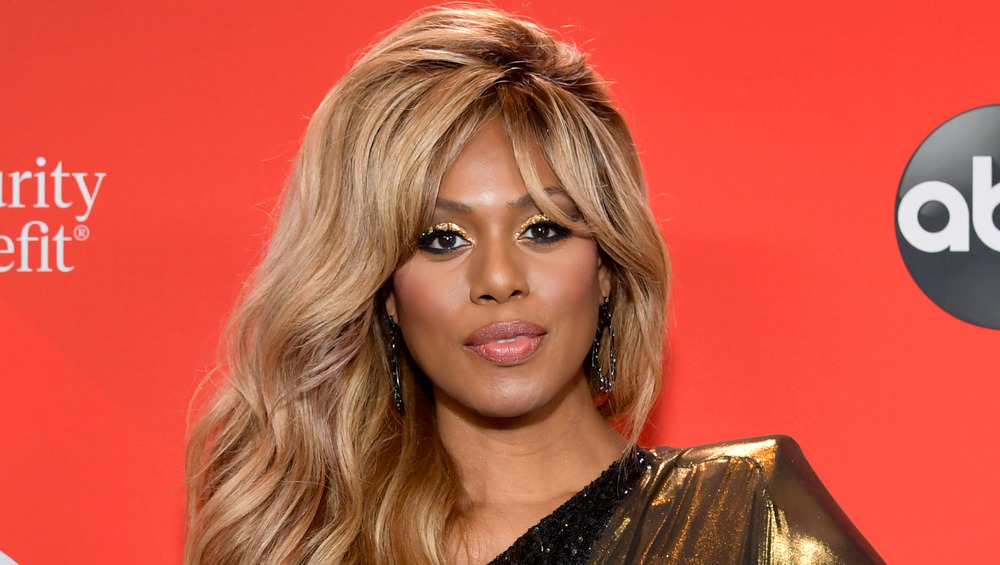
9. Laverne Cox expanded the meaning of a trailblazer
Any list that stops in old Hollywood misses how the definition of “ahead of their time” kept changing. Laverne Cox broke through in a media environment that was more visible than the studio era but still deeply restrictive for trans performers. Her recognition included becoming the first openly transgender person nominated for a Primetime Emmy in an acting category. That milestone belongs in the same lineage as earlier acts of defiance. Hollywood’s barriers changed shape across decades, and Cox confronted a newer version of the same old demand: be visible, but not too visible; be groundbreaking, but still comfortable to the mainstream.
Her success widened the road for everyone behind her. What ties these actresses together is not a single type of identity or career path. It is the pattern of disruption. Some challenged gender through costume, some through silence, some through outspokenness, and some simply by staying in the frame long enough to make exclusion look absurd. Their influence also helps explain why queer cinema and queer stardom look different now. The collapse of the Hays Code changed what could be shown, but these actresses changed what audiences could imagine.

