
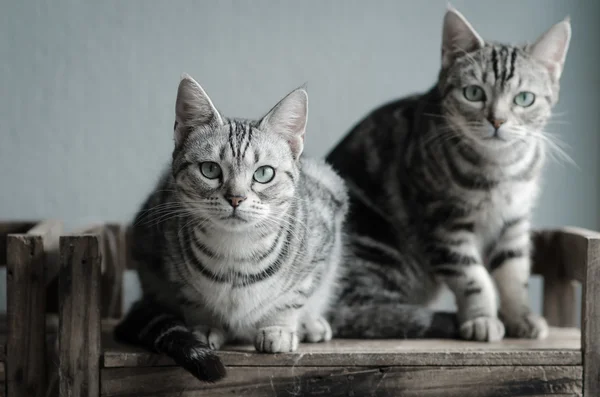
Cat breed can shape expectations, but it does not tell the whole story. Lifespan is influenced by genetics, body size, common health risks, and daily care, which is why one breed may have a reputation for longevity while individual cats still vary widely.
That nuance matters for anyone choosing a companion or caring for one already at home. Research on cat longevity has also found that crossbred cats lived about 1.5 years longer than purebred ones in one large U.K. dataset, and indoor living remains closely tied to longer survival. Still, several pedigreed cats appear again and again in longevity discussions for good reason.
1. Burmese
Burmese cats regularly appear near the top of breed longevity discussions. A large U.K. study found Burmese and Birman cats had the longest life expectancies at birth among common pet cat breeds in that dataset.
They are often described as social, people-focused cats, and expert guidance in the main article notes that some Burmese cats can live beyond 20 years. Breed predispositions still matter, including glaucoma and cranial deformities, which is why regular veterinary follow-up remains part of responsible care even for a generally healthy breed.
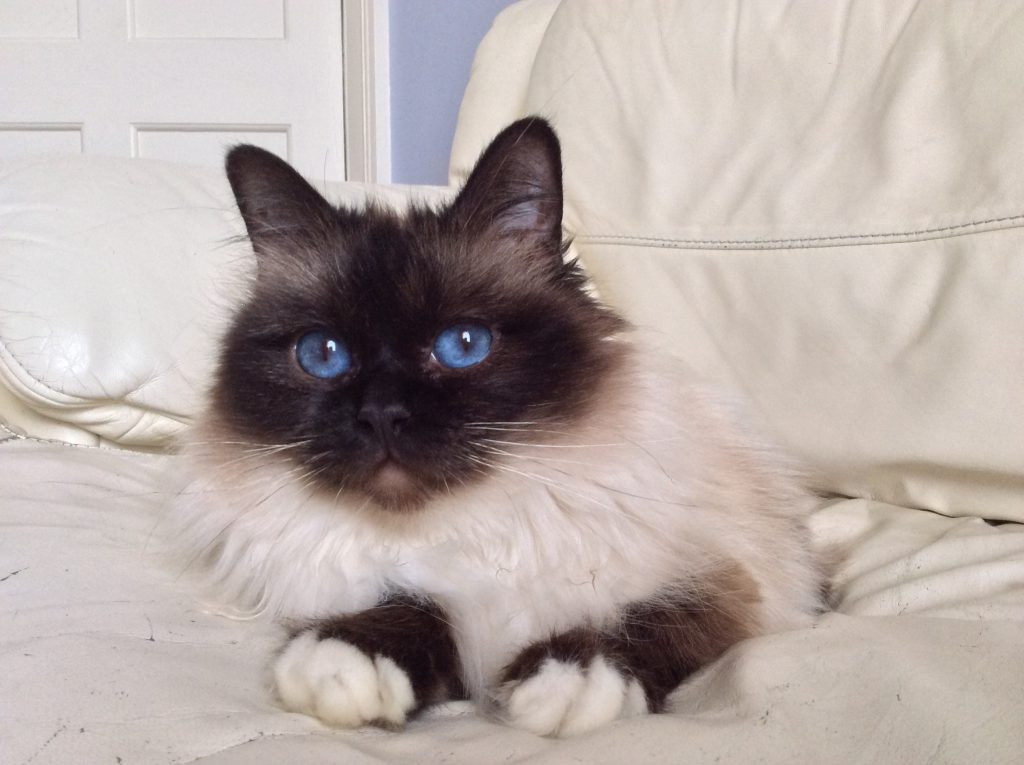
2. Birman
Birman cats are often associated with steady, above-average longevity. While the main article gave them a more modest estimate, the wider research picture is more favorable, with Birman cats ranking strongly in both clinical datasets and breed-focused longevity summaries.
That makes them a useful reminder that lifespan figures can shift depending on country, sample size, and record quality. Birmans also illustrate why no single number should be treated as a promise; care quality, weight management, and routine medical attention still shape outcomes over time.
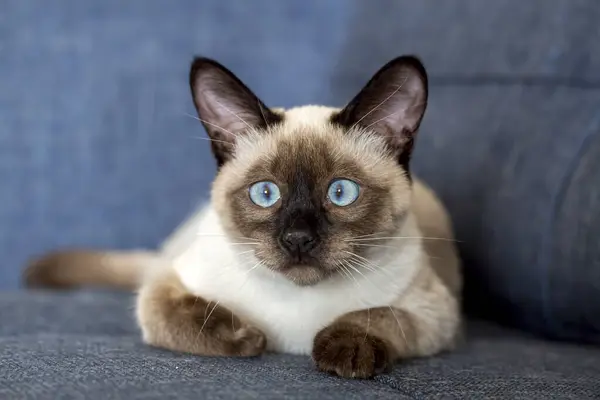
3. Siamese
Siamese cats have long been linked with extended lifespan, and breed organizations frequently place them among cats that often reach their late teens or even 20s. The main article also cited veterinary input that Siamese cats can often live up to 20 years.
They remain one of the clearest examples of a breed where temperament and longevity often attract the same families. Dental and respiratory issues can occur, so a long-lived Siamese still benefits from preventive care rather than a wait-and-see approach.
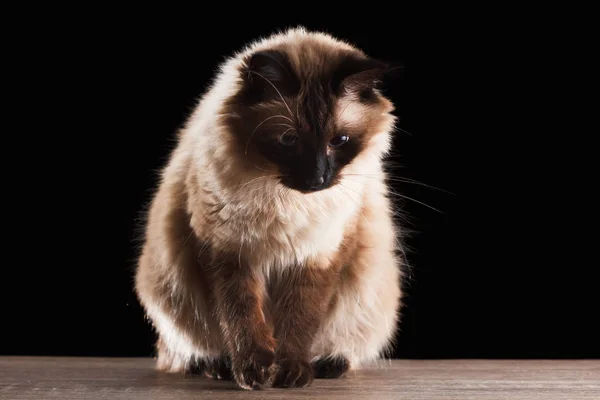
4. Balinese
The Balinese is often described as a long-haired Siamese, and its longevity profile tends to be similarly strong. Pet health guidance places the breed at 18–22 years in some cases, which places it comfortably among the longest-living pedigreed cats discussed in mainstream veterinary content.
The breed does carry notable watchpoints. Progressive retinal atrophy and hepatic amyloidosis are established concerns, and symptoms may begin showing in midlife. That makes early screening and consistent checkups especially important for owners hoping to protect vision and liver health as the cat ages.
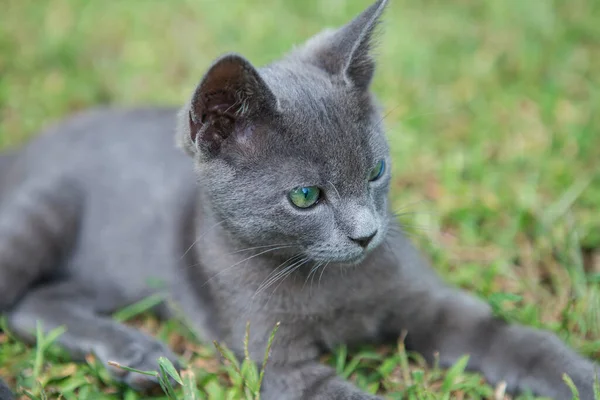
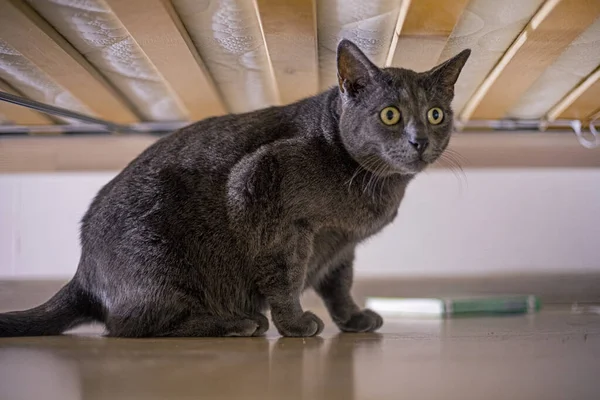
5. Russian Blue
Russian Blues are often prized for their quiet nature, dense blue-gray coats, and long lifespan potential. The main article cited a 15- to 20-year range, which aligns well with other breed summaries.
They are not free of health issues, with bladder stones and eye problems still noted as concerns, but they are frequently described as a breed that ages well under stable home routines. Their reserved personality can also make subtle health changes easier to miss, which raises the value of annual wellness visits.
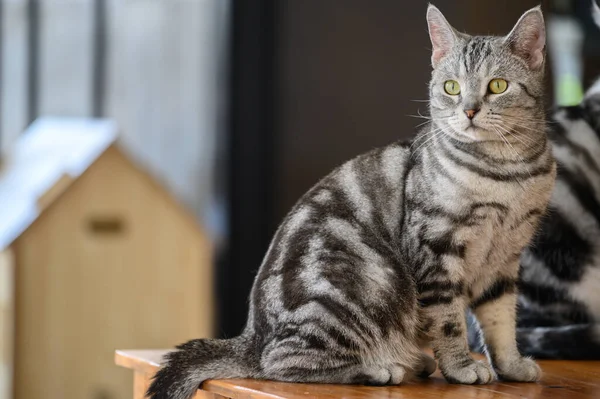
6. American Shorthair
American Shorthairs are widely known as hardy, low-maintenance cats, and they are often cited in the 15- to 20-year range. That combination of durability and easygoing temperament helps explain why they continue to rank among the most popular breeds in the United States.
They also show how longevity is not always tied to rarity or novelty. A cat with a practical build, moderate energy level, and straightforward coat care can sometimes be easier to keep at a healthy weight and on a consistent care schedule over many years.
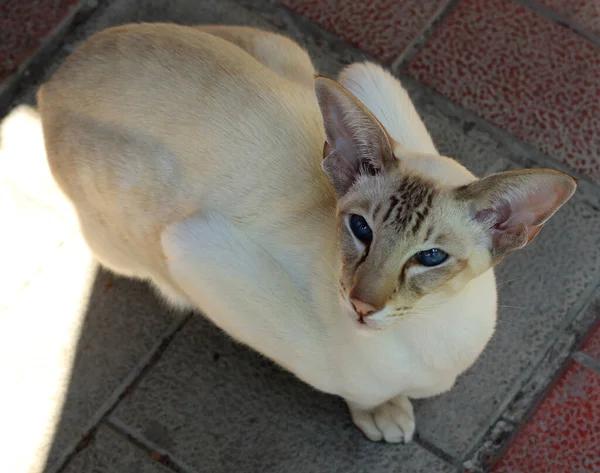
7. Oriental Shorthair
Oriental Shorthairs are part of the broader Siamese family line, so it is not surprising that they often show up in longevity conversations. Breed references have noted that many can live well into their later teens, and some sources place them among cats that may reach 20 years.
Their lean build and active temperament can work in their favor when paired with good nutrition. As with other highly interactive breeds, mental stimulation matters too, because stress, inactivity, and household disruption can complicate health over the long term.
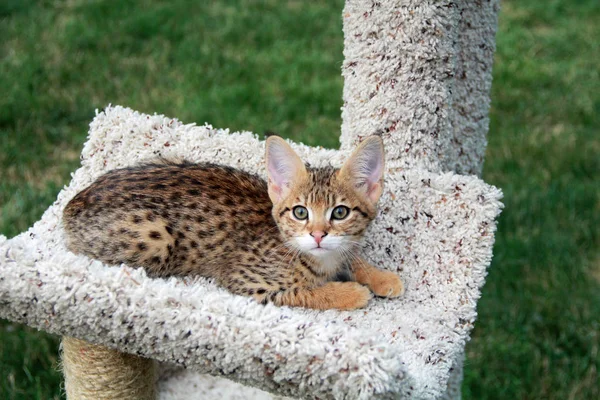
8. Savannah
Savannah cats stand out because their hybrid ancestry gives them a very different look and often a very different care profile. Longevity estimates vary, but veterinary breed summaries note that some can reach 20 years, even though the main article used a shorter average.
They are not a casual fit for every household. Their exercise, space, and legal ownership requirements can differ by location, and research before adoption is essential. A long-lived cat still needs an environment that meets its behavioral needs, not just a favorable number on paper.
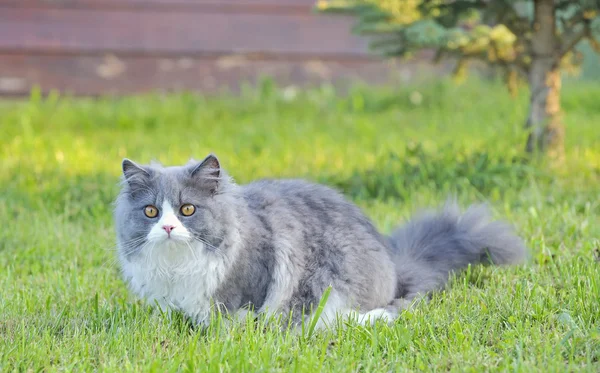
9. Ragdoll
Ragdolls are often discussed more for temperament than lifespan, yet newer breed references place them higher than many people expect. One veterinary summary gives them a 13- to 18-year range, which is longer than older estimates many readers may have seen.
Because they are a larger breed, weight control becomes especially important. Extra body weight can add strain to joints and reduce mobility, so a Ragdoll’s long-term outlook is closely connected to portion control, regular play, and monitoring for subtle changes in movement.
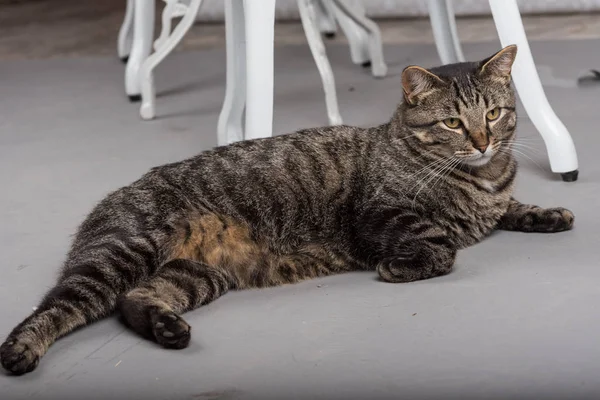
10. Manx
The Manx earns attention for its tailless or short-tailed appearance, but it also appears in breed longevity references as a cat that can live well into the teens. Some breed data cited by cat associations places Cymric and Manx types in a notably long-lived category. The important caveat is structural health. The same genetics behind the breed’s signature look can be linked with spinal and nerve-related problems, which makes careful breeding history and ongoing veterinary evaluation especially relevant.
Breed can offer a rough roadmap, but lifestyle keeps showing up as the stronger day-to-day influence. Indoor cats generally live longer because they face fewer threats from traffic, predators, harsh weather, and infectious disease, while enrichment, exercise, dental care, and routine exams help reduce the quieter risks of indoor life. For many households, the biggest takeaway is simple: a long-lived breed still needs a carefully managed routine. Cats tend to do best when nutrition stays balanced, body weight stays in check, and the home supports safety as well as stimulation.

