
National crime trends have moved in a better direction, but national mood rarely follows national averages. Even after a broad decline in homicide and several other offenses, a relatively small group of big-city trouble spots continues to shape how Americans talk about safety. That gap matters. Homicides fell 21% from 2024 to 2025 across 35 cities, and many violent and property crimes also dropped. Yet some places still post such weak safety rankings, high assault burdens, or stubborn violence exposure that they pull public perception far away from the improving national picture.
1. Memphis, Tennessee
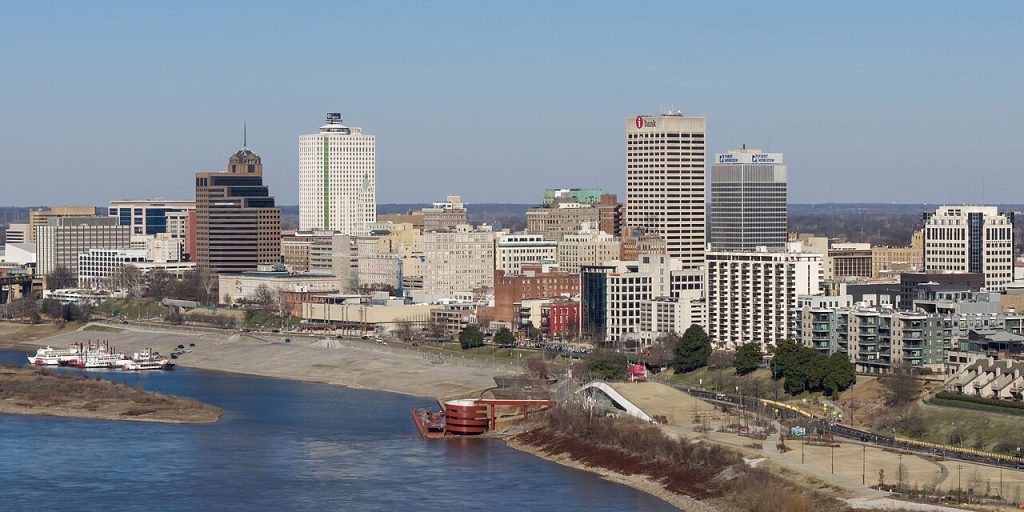
Memphis sits at the sharp end of nearly every broad safety conversation. In WalletHub’s 2026 city safety comparison, Memphis ranked 182nd out of 182 cities, placing last overall. The same dataset also lists Memphis among the cities with the highest assaults per capita and among those with the worst traffic-fatality rates, a reminder that urban safety is not limited to homicide alone. Its standing helps explain why one city can loom so large in national debates. When a place scores poorly across home, community, and financial safety, it reinforces the sense that danger is constant rather than localized.

2. New Orleans, Louisiana
New Orleans ranked just above the bottom in the same national safety comparison, landing 181st. That poor standing keeps the city central to the American imagination around urban risk, even during a period when many cities have recorded meaningful improvements. Broad declines do not erase a city’s symbolic role overnight. New Orleans remains one of the places people cite instinctively when discussing violent crime, and that reputation continues to outweigh the national downtrend.
3. Baton Rouge, Louisiana
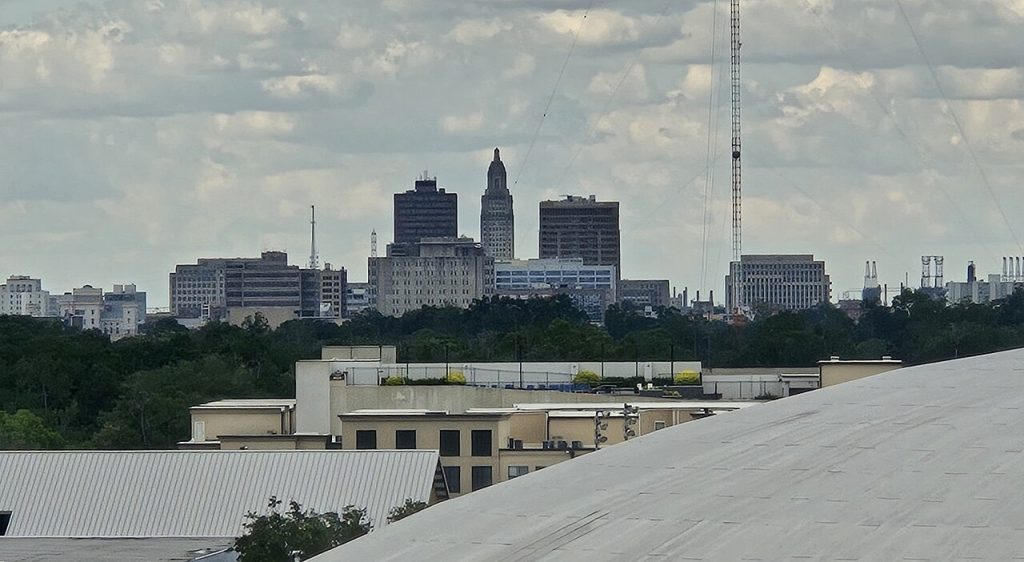
Baton Rouge ranked 180th in overall safety, placing it in the narrow band of cities that continue to drag down confidence in urban security. The ranking reflects a wider mix of pressures than street violence alone, including community and financial conditions that affect everyday stability. That overlap matters because crime tends to cluster where stress is layered rather than isolated. Research on violence and urban inequality has shown that violence is often concentrated in neighborhoods marked by poverty, segregation, and weaker local institutions, which makes citywide averages feel less reassuring than they appear on paper.
4. Detroit, Michigan
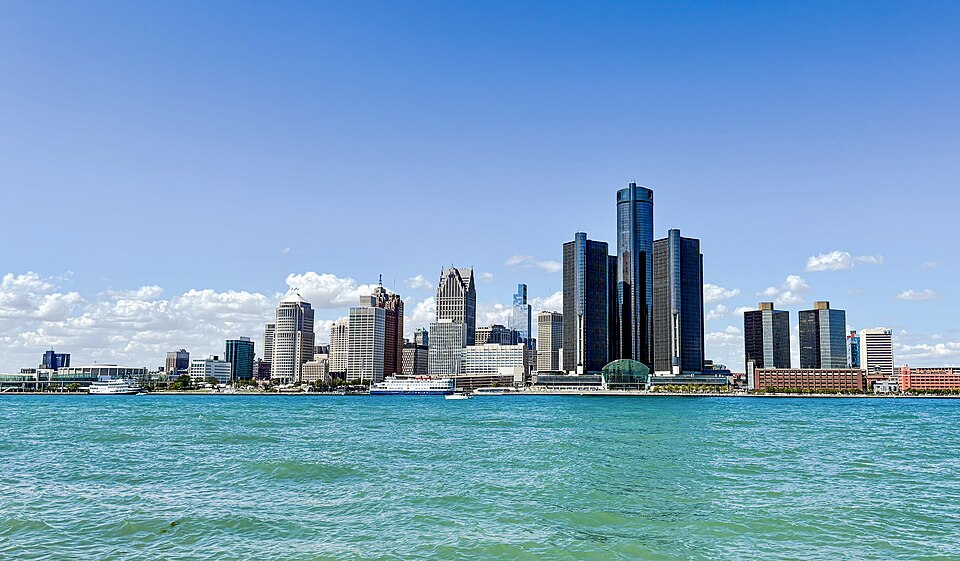
Detroit ranked 179th overall and also appeared among the cities with the most assaults per capita. WalletHub further lists Detroit among the cities with the most law-enforcement employees per capita, which underscores a recurring tension in public discussion: visible enforcement presence does not automatically translate into a stronger sense of safety. Detroit’s image has long exceeded the boundaries of current year data. That legacy effect is part of how certain cities keep influencing national perception even when trend lines improve elsewhere.
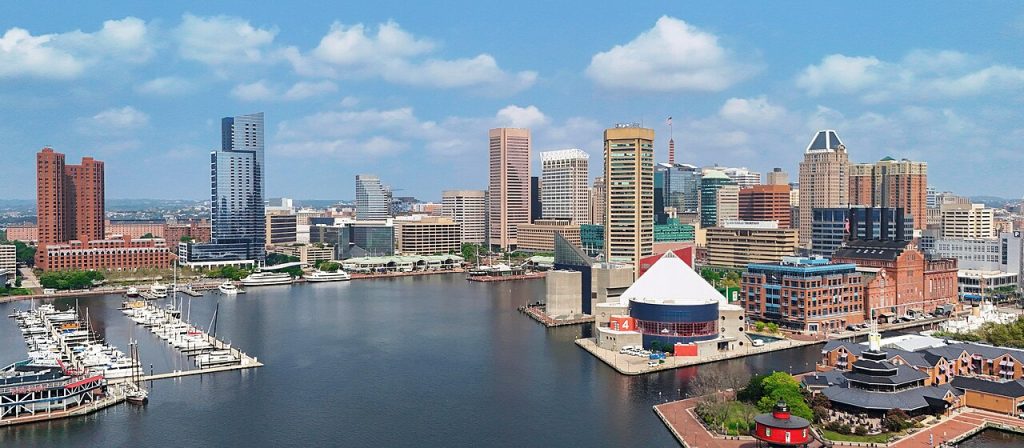
5. Baltimore, Maryland
Baltimore remains one of the most watched cities in crime analysis because its violence history has been so severe and so public. Even with the recent good news, its name still carries outsized weight in national safety conversations. There is an important contradiction here. The Council on Criminal Justice found that Baltimore saw the largest homicide drop compared with 2019, at 60%. Even so, cities with long-running reputations for lethal violence rarely lose their symbolic influence quickly, especially when many residents and outsiders still associate them with concentrated neighborhood harm.
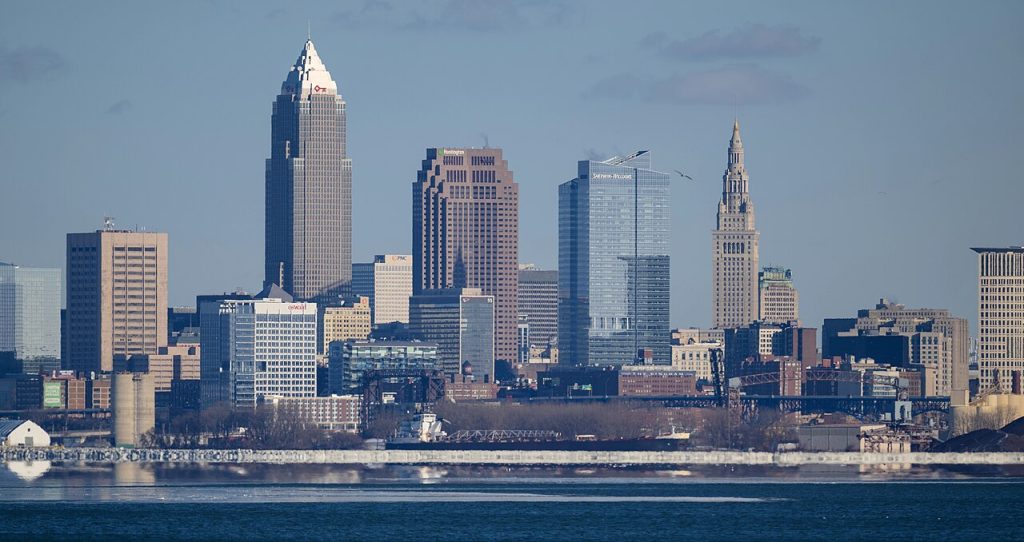
6. Cleveland, Ohio
Cleveland ranked 173rd in the 2026 safety comparison, near the bottom nationally. That position keeps it in the cluster of cities that feed a broader narrative that urban America remains more dangerous than improving trend lines suggest. The city illustrates how perception often follows cumulative disadvantage. Where violence, economic strain, and neighborhood distress overlap, safety concerns feel entrenched rather than temporary.
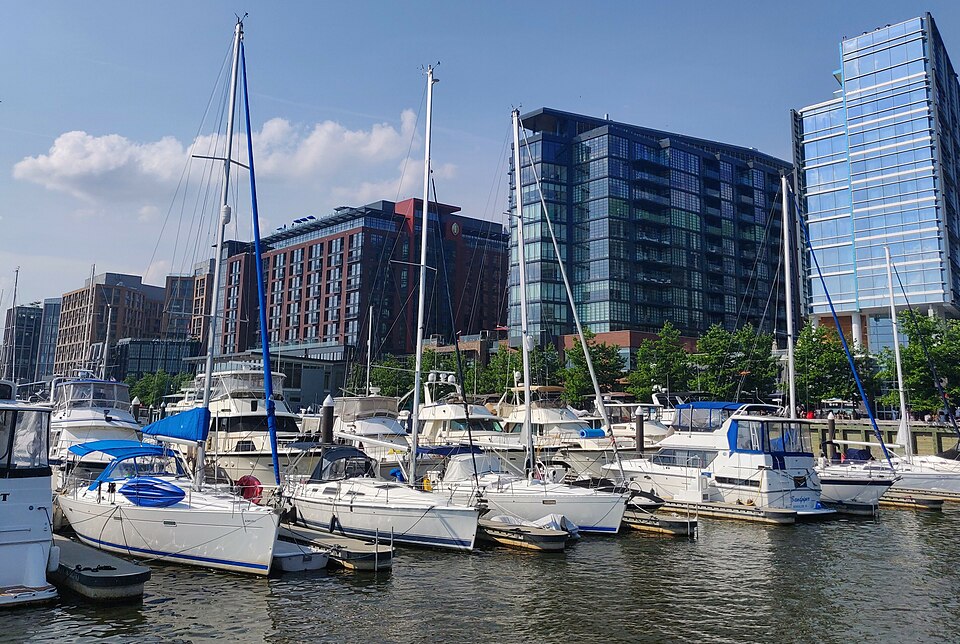
7. Washington, D.C.
Washington finished 172nd overall in WalletHub’s rankings, an unexpectedly weak showing for the nation’s capital. It also appeared among the cities with the most law-enforcement employees per capita and among those with the highest hate crimes per capita. At the same time, the city was part of the recent turnaround. Council on Criminal Justice data found Washington among the cities with roughly 40% homicide declines in 2025. That combination of sharp improvement and poor broader safety standing shows why one city can still distort national opinion: headlines change faster than civic reputation.
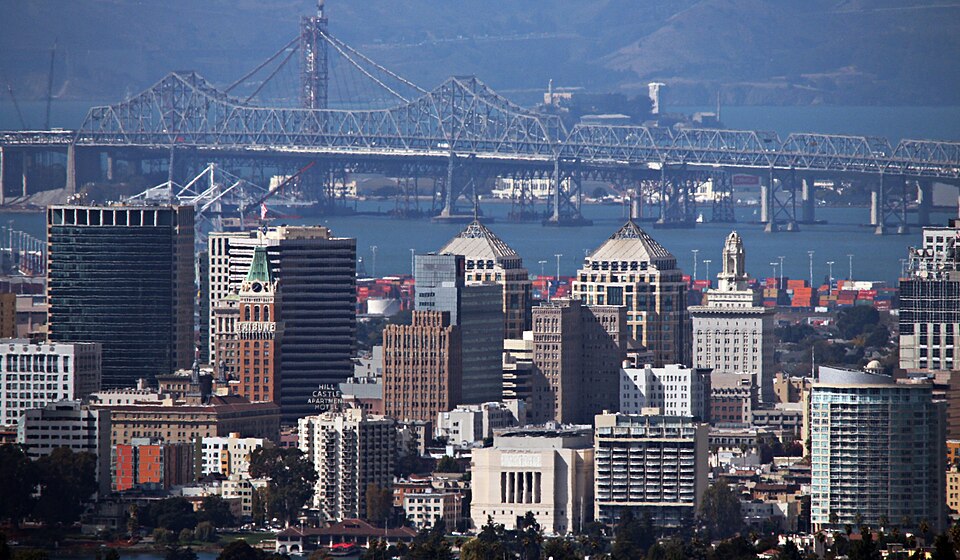
8. Oakland, California
Oakland ranked 169th overall and appeared near the worst end of the assault-per-capita list, where it placed 175th. Those indicators keep the city prominent in conversations about visible disorder and street-level violence on the West Coast. Its influence is cultural as well as statistical. Cities that become shorthand for public safety anxiety tend to remain reference points long after a single year’s data shifts.

9. Philadelphia, Pennsylvania
Philadelphia ranked 174th overall, placing it firmly among the country’s least safe large cities in the WalletHub comparison. That low position matters because Philadelphia is large, visible, and nationally familiar in a way that smaller troubled cities often are not. Big, historically significant cities shape national feeling more than isolated local numbers do. When a city of Philadelphia’s scale struggles, it can make progress in dozens of smaller jurisdictions feel invisible.
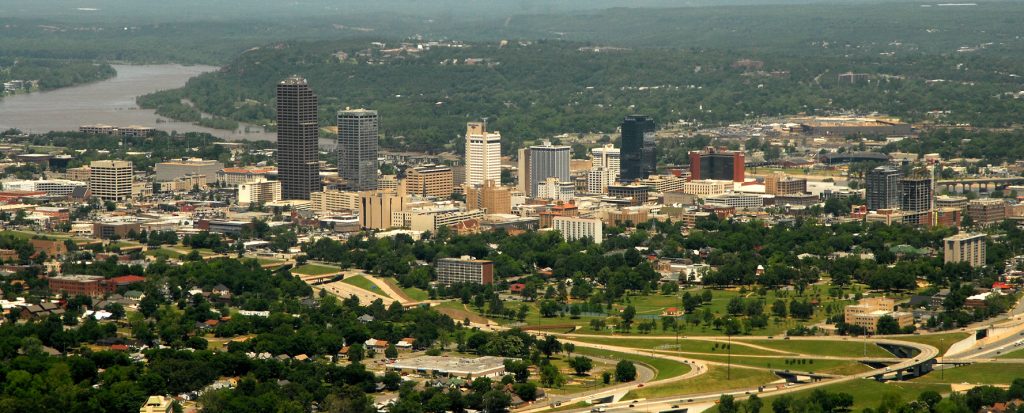
10. Little Rock, Arkansas
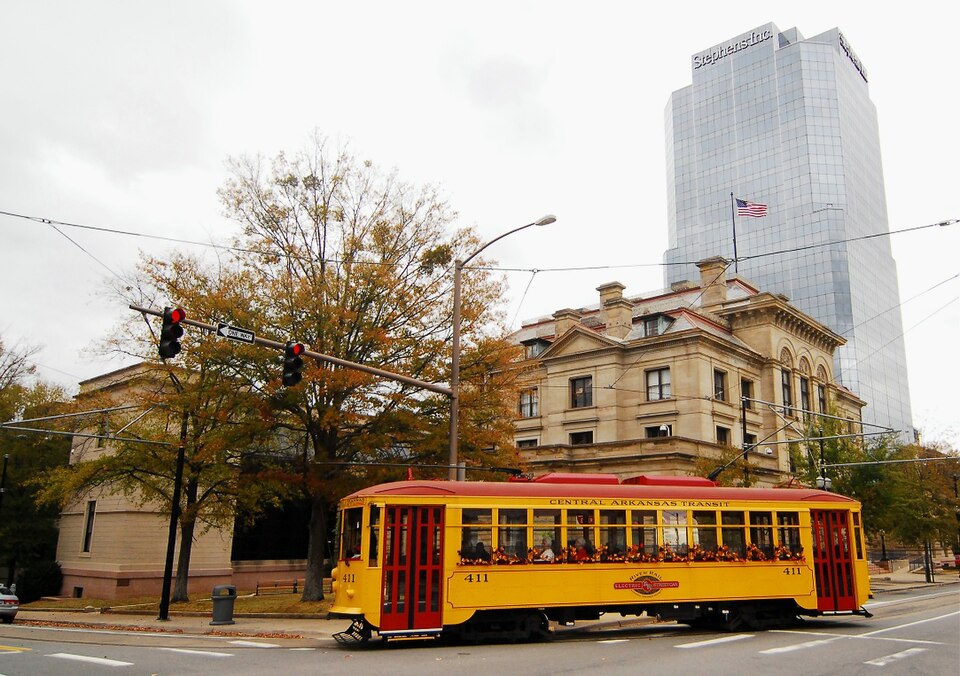
Little Rock stands out because it moved against the broader pattern. While most cities saw homicide declines, CNN’s summary of the Council on Criminal Justice report noted that Little Rock recorded a 16% increase from 2024, making it the only city in that sample with a double-digit rise. The city also appeared near the bottom of WalletHub’s safety rankings at 164th and was tied among the highest for assaults per capita. When a city worsens while the rest of the country improves, it attracts disproportionate attention and strengthens the impression that national progress is fragile.
These cities do not define the entire country, but they continue to define much of the conversation. Large declines in homicide, robbery, burglary, and carjacking have changed the underlying numbers, yet public understanding still bends toward the places where violence remains concentrated, visible, and historically familiar. That is one reason national safety can feel worse than national data suggests. Crime is not evenly distributed, and neither is fear.

