
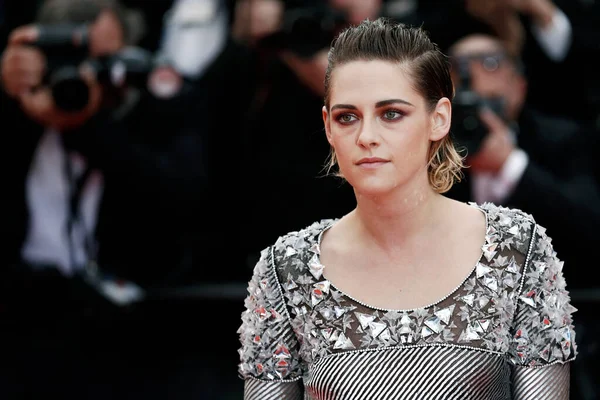
Hollywood has a long history of pretending there is only one kind of face, body, or energy that deserves the spotlight. For many queer actresses, that pressure landed as blunt criticism about being too “different,” too “butch,” too old, too tall, too serious, or simply not “marketable” enough.
What lasted was not the insult. It was the work. These performers built careers that made the original judgments look outdated, narrow, and wildly off target.
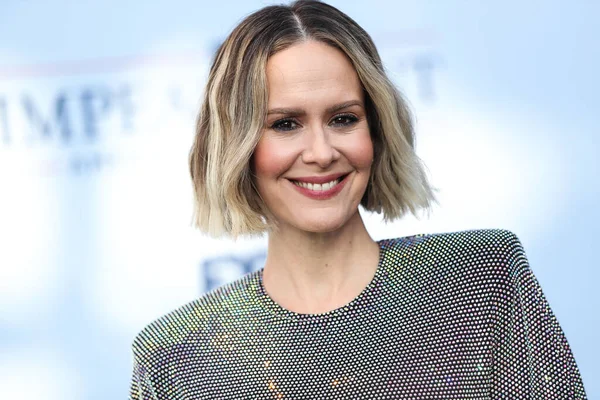
1. Sarah Paulson turned “too unusual” into a signature strength
Before she became one of television’s most dependable dramatic stars, Sarah Paulson was often viewed as too distinctive for standard leading-lady roles. That label aged badly. Her long run through Ryan Murphy projects, especially American Horror Story, showed exactly why a memorable face and an elastic screen presence matter more than fitting a template. Her Emmy-winning portrayal of Marcia Clark in an Emmy-winning turn as Marcia Clark helped lock in a second act that became bigger than the early doubts.
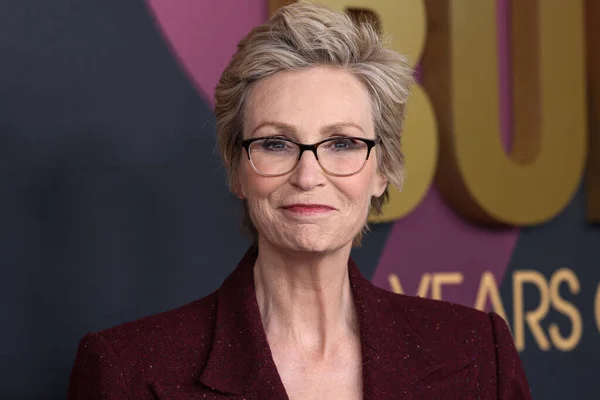
2. Jane Lynch made “too much” look like star power
Height, sharp timing, and a presence that could dominate a scene were once treated as liabilities in rooms built around conventional femininity. Jane Lynch turned every one of those traits into an advantage. Glee made her a household name, but the real point is longevity: stage work, sitcoms, hosting, voice acting, and prestige TV all kept flowing. Her career became so expansive that even lists of prolific queer actresses place her at the top, with steady screen work since 1988 as part of her reputation.
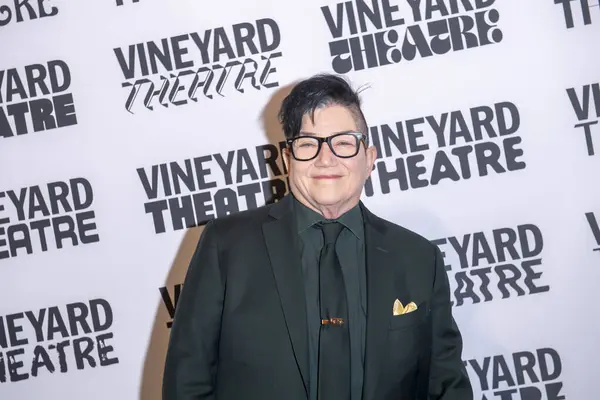
3. Lea DeLaria outlasted the joke
For years, Lea DeLaria’s butch style was treated as something to mock rather than something the industry could center. Then Orange Is the New Black arrived and exposed how shallow that earlier reaction had been. As Big Boo, she did not succeed by softening her presentation. She succeeded because the performance felt lived-in, funny, and completely self-assured. That shift mattered well beyond one role, because it gave mainstream audiences a fuller image of queer visibility without forcing it into prettier packaging.
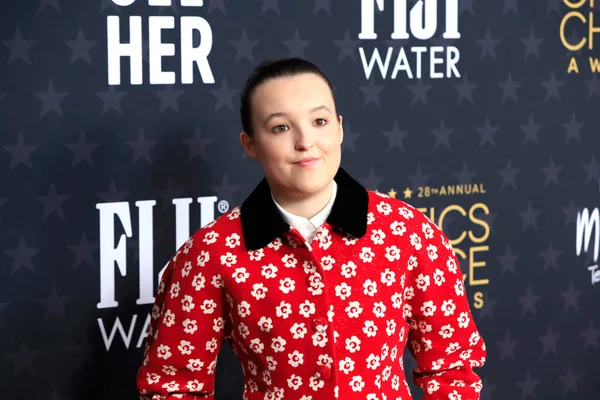
4. Bella Ramsey proved “Hollywood look” was never the point
Bella Ramsey has spoken about losing an early role because they did not have the “Hollywood look,” a phrase that says more about casting bias than ability. Later, the backlash around The Last of Us repeated the same shallow fixation on appearance. The performance answered it. Ramsey had already broken out in Game of Thrones, and the later acclaim only reinforced what that early rejection missed, including being told they lacked the “Hollywood look” in an early audition.
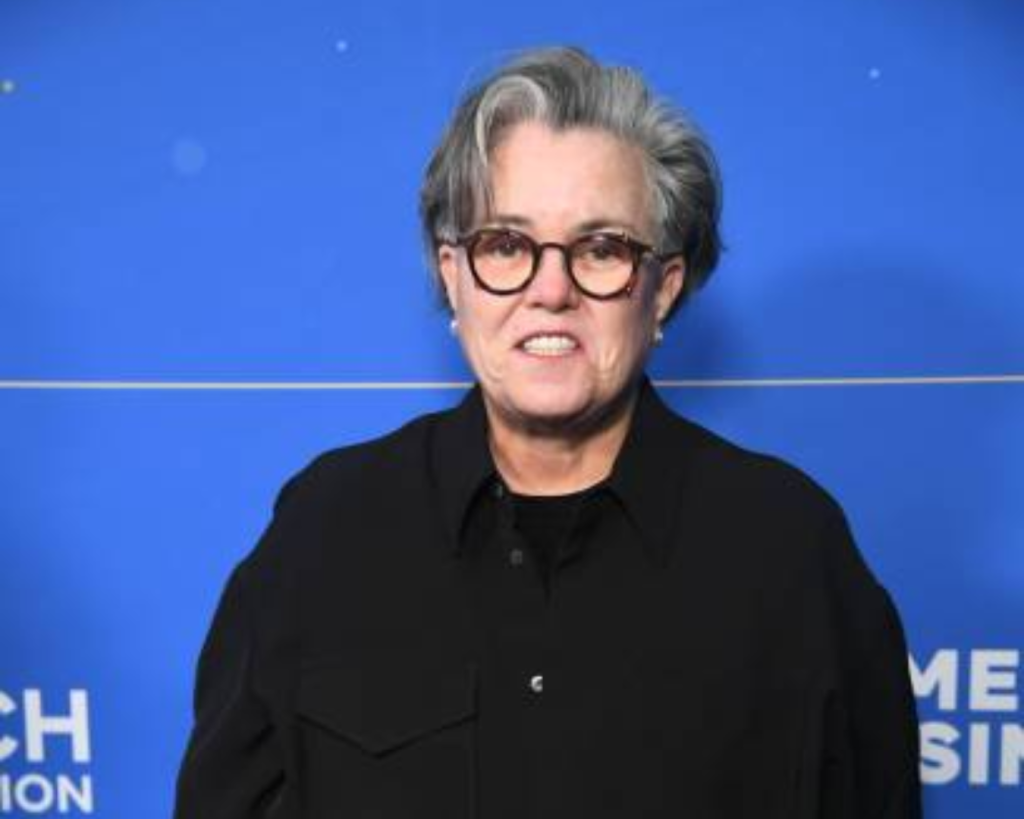
5. Rosie O’Donnell built an empire past tabloid cruelty
Rosie O’Donnell spent years under a media microscope that treated her body and style as public property. Instead of chasing approval, she became massively successful on her own terms. Her talk-show dominance, film work, and later acting roles created a version of stardom that did not depend on fitting the same visual lane as other female celebrities of the era. In hindsight, the tabloid framing looks flimsy next to the scale of her career.
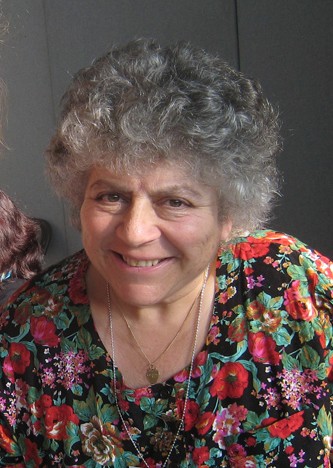
6. Miriam Margolyes made “characterful” the whole appeal
Miriam Margolyes was never built for decorative stardom, which is exactly why she became unforgettable. Her career shows how quickly the word “characterful” can move from insult to asset when a performer has intellect, comic timing, and absolute command of tone. Global audiences know her from Harry Potter, while newer fans keep discovering her through interviews and talk-show appearances that go viral because she is impossible to flatten into a bland celebrity persona.
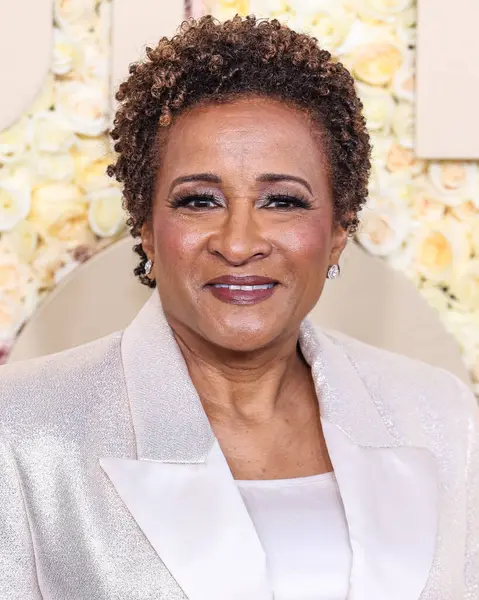
7. Wanda Sykes refused to sand down her edge
Wanda Sykes navigated an industry that often punishes women, especially Black women, for being too direct, too sharp, or too recognizable. Her voice, delivery, and confidence were never generic, and that became the point. Writing, stand-up, sitcoms, animated roles, and later prestige projects all benefited from a style that executives once might have seen as difficult to package. She did not become successful after becoming softer. She became successful while staying unmistakably herself.
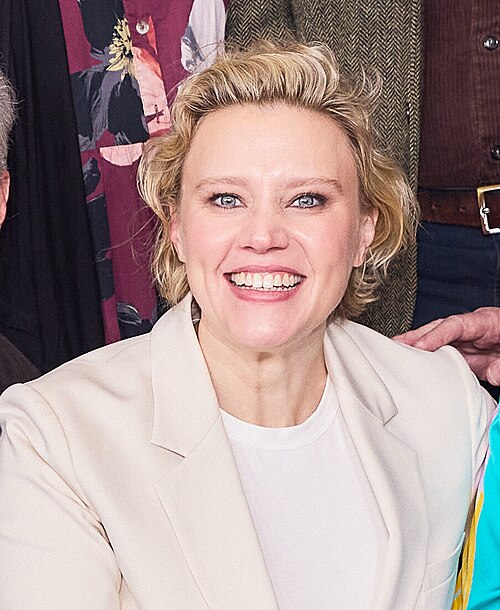
8. Kate McKinnon escaped the “only weird characters” box
There is a specific kind of industry compliment that doubles as a limit: great at oddballs, maybe not a real lead. Kate McKinnon blew past that. Her work on Saturday Night Live made shape-shifting look effortless, but film roles in projects like Ghostbusters and Barbie showed that eccentricity was not a cage. It was range. What once might have been described as too strange for mainstream appeal became one of the clearest commercial advantages in modern comedy casting.
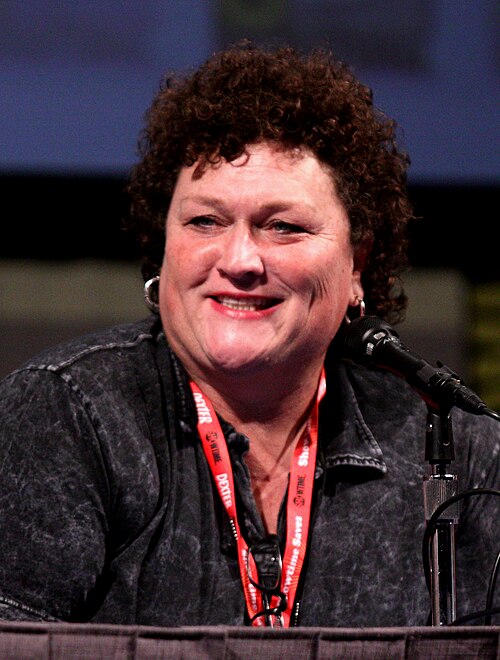
9. Dot-Marie Jones changed what femininity on screen could look like
Dot-Marie Jones heard for years that her athletic build and towering height were not feminine in the approved Hollywood way. That idea collapsed once audiences connected with Coach Beiste on Glee. The role directly addressed appearance-based judgment while allowing Jones to bring warmth, pain, and authority to the screen. Her success helped widen the visual vocabulary for women on television, particularly women whose bodies had long been treated as exceptions instead of possibilities.
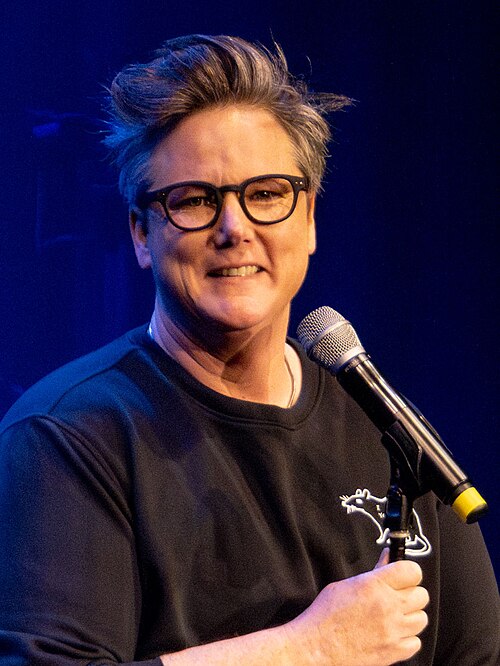
10. Hannah Gadsby stopped playing along with appearance-based humor
Some careers change because a performer lands the right role. Hannah Gadsby changed because the frame itself changed. In Nanette, Gadsby confronted the way queer bodies and gender nonconformity had been mined for laughs, then refused to keep feeding that machine. The result was not just popularity but a broader cultural shift in how comedy audiences discuss pain, shame, and presentation. That is a different kind of last laugh: not revenge, but reframing.
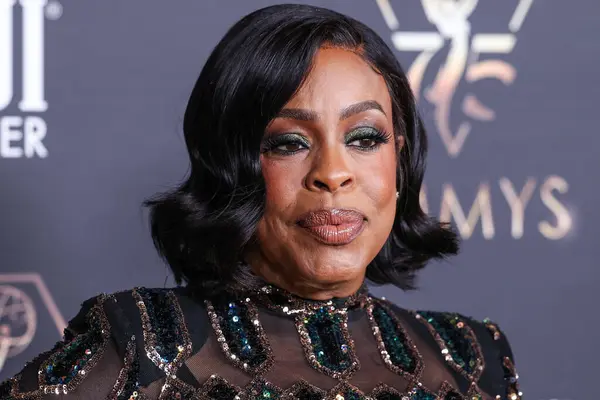
11. Niecy Nash-Betts broke out of the body-based stereotype
Niecy Nash-Betts spent years being underestimated as comic relief, with her image often doing the typecasting before the audition even started. Then came a string of dramatic performances that made the old assumptions look deeply lazy. Her work in When They See Us and later projects culminated in a lesbian role in The Rookie: Feds and an Emmy-winning dramatic run that reshaped how many viewers saw her range. The industry had one category in mind; she clearly had several.

12. Kristen Stewart made awkwardness part of the appeal
Few stars have been criticized more publicly for not performing likability in the expected way. Kristen Stewart was called awkward, unsmiling, and difficult to read during her blockbuster years. Instead of correcting that image, she moved toward work that benefited from intensity, reserve, and intelligence. That path led to major art-house credibility, including becoming the first American actress to win a César Award, and eventually to an Oscar nomination for Spencer.
The pattern across these careers is hard to miss. The criticism usually sounded personal, but it was really structural: a narrow idea of what women, and especially queer women, were supposed to look like on screen. Their careers did not just survive those judgments. They exposed how flimsy those judgments were in the first place.

