

A criminal gun case does not always begin with reckless behavior. In many situations, the legal risk starts with an ordinary decision: a road trip, a quick stop at a posted building, a firearm left in a car, or a favor for a friend That is why legal compliance has become part of basic ownership. Federal restrictions, state-by-state carry rules, storage laws, and transfer rules can all create exposure even when the firearm is never fired.

1. Crossing a state line and assuming a permit still works
A concealed carry permit that is valid in one state may not carry over cleanly into the next. Reciprocity is a patchwork, with some states recognizing all out-of-state permits, some recognizing only certain permits, and others applying stricter local rules once a person arrives. Even where a permit is honored, the carrier still has to follow the destination state’s rules on where a gun can be carried, how it must be transported, and what documentation must be on hand. That is what makes travel risky. A loaded firearm that is lawful and accessible in one vehicle stop can become a legal problem after crossing into a new jurisdiction, especially because reciprocity is not one-size-fits-all.

2. Leaving a gun where a child can reach it
Storage mistakes can trigger criminal consequences even inside the home. As of early 2025, 26 states have adopted secure storage or child access prevention laws, but the triggers vary. Some laws apply whenever the firearm is not under the owner’s immediate control. Others apply only after a child actually gains access. The details are not minor. Some states define a child as under 18, while others use lower age cutoffs such as 16, 17, or 14. Unlocked nightstands, dresser drawers, closets, and vehicles often become the weak point because they can turn a familiar storage habit into a criminal allegation. The issue also has a wider safety backdrop. A Johns Hopkins study found CAP storage policies were associated with lower youth firearm suicide rates, and in some models lowered suicide rates by up to 14%. That public-health context helps explain why storage violations receive serious legal attention.
3. Modifying a firearm into a different legal category
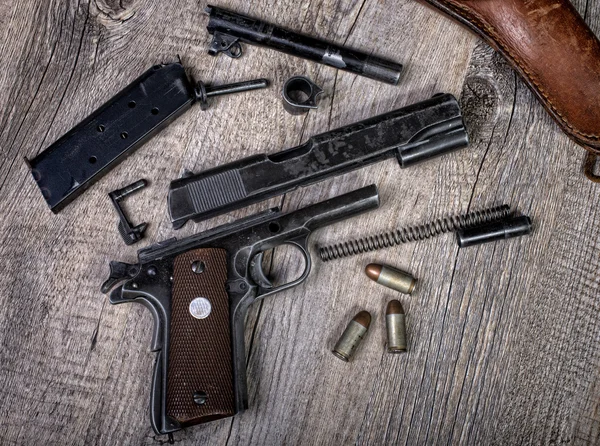
Home gun customization can move faster than legal understanding. Changes to barrels, operating parts, or certain accessories can affect how a firearm is classified under federal law, and that can create possession issues even when the owner believes the alteration was minor. Federal law restricts items such as machineguns and other firearms that fall under National Firearms Act rules if they are not properly registered. A cosmetic-looking project can become something much more serious if the change alters the firearm’s legal status.

4. Waiting too long to report a lost or stolen firearm
A missing firearm can create legal trouble long after it disappears. Some states require a report within a set time window, and missing that deadline can become its own offense. Delay also complicates any later effort to show when the firearm left lawful possession. This can matter if the gun later surfaces in a criminal investigation. At that point, the absence of a timely report can intensify scrutiny around storage, access, and control.

5. Carrying while impaired by alcohol or drugs
Many states treat carrying while intoxicated as a separate offense, even if the firearm is never displayed. The legal danger is not limited to alcohol. Drug-related conduct can also affect possession status, carry rights, and future transfer eligibility. North Carolina, for example, states that concealed handguns may not be carried by a person while consuming alcohol or while under the influence. Similar restrictions in other jurisdictions make impairment one of the easiest mistakes to underestimate during routine social situations.

6. Selling, lending, or buying for someone else the wrong way
Private transfers often look informal, but the law does not always treat them that way. Selling or handing over a firearm to someone who is prohibited from possessing one can carry criminal consequences, and buying on behalf of someone else can raise straw-purchase concerns if the real recipient is being concealed. This is where “doing a favor” becomes dangerous. A transaction between relatives or friends may feel harmless at the time, yet still cross a legal line if the recipient is disqualified or the paperwork does not reflect the true buyer.

7. Assuming only felonies can block legal possession
Many owners focus on carry permits and overlook the bigger threshold issue: whether they are still allowed to possess a firearm at all. Federal prohibited-person rules reach beyond felony convictions and can include unlawful drug users, fugitives, people subject to qualifying restraining orders, and people convicted of certain misdemeanor domestic violence offenses.

That misunderstanding can create two problems at once. A person may already be barred from possession, and inaccurate answers on transfer paperwork can create an additional criminal issue.
8. Walking into a restricted place without noticing the rule
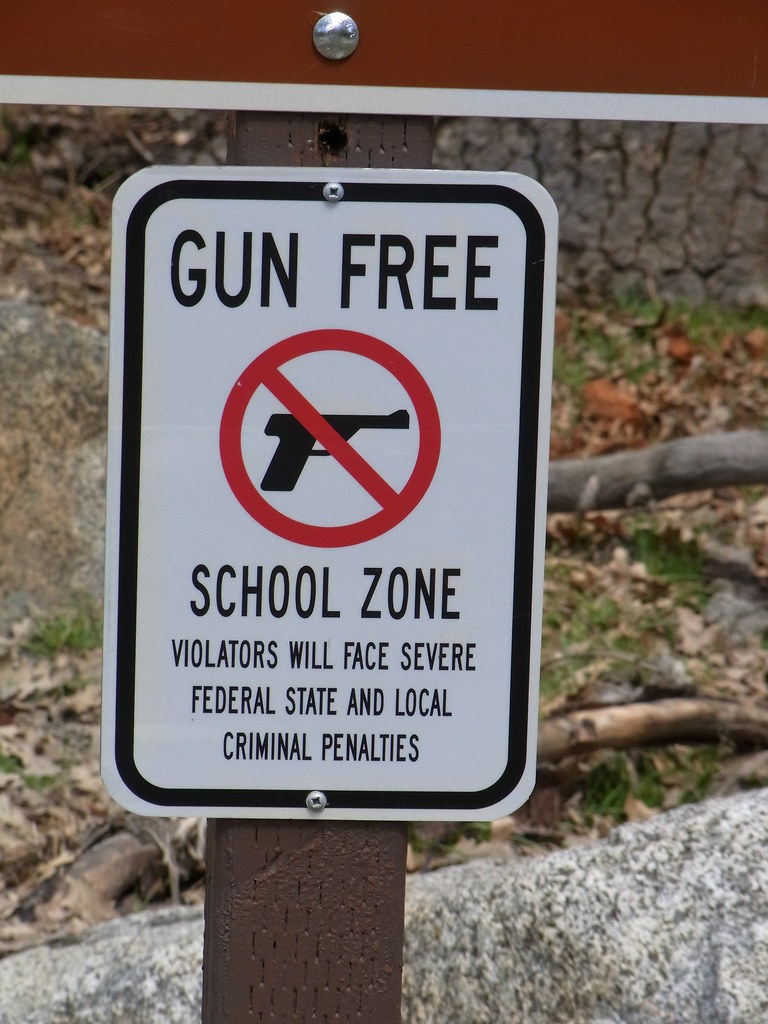
A permit does not override every location-based ban. Schools, federal buildings, post offices, courthouses, some healthcare facilities, and private businesses with posted restrictions can all create trouble. In some places, even leaving the firearm locked in a vehicle may be regulated differently than expected. This is one of the easiest mistakes to make because it often happens during ordinary errands. The legal exposure starts not with a confrontation, but with a parking decision, a doorway, or a sign that was never seen.
Across all of these situations, the common thread is misreading the routine. Firearm cases often begin with something that seemed administrative, temporary, or too minor to matter. For gun owners, legal awareness now stretches well beyond safe handling. It includes travel planning, storage habits, transfer decisions, location rules, and an accurate understanding of who can lawfully possess a firearm in the first place.

