
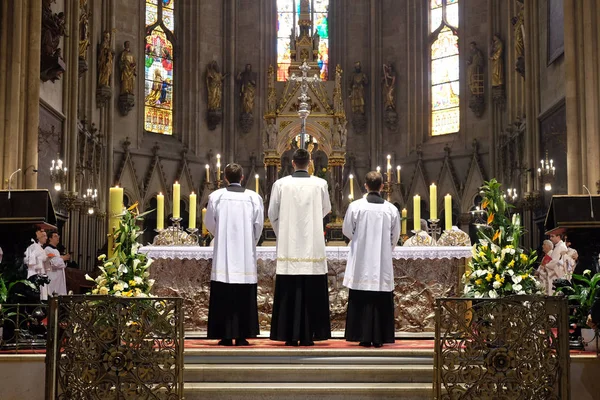
A Catholic Mass can feel readable before it feels understandable. A newcomer sees people crossing themselves, bowing, kneeling, answering in unison, and falling silent at exact moments, and the room seems to be speaking a language through the body as much as through words. That is largely the point. In Catholic worship, actions are not treated as decorative customs. They are meant to reveal belief, especially belief about Christ’s presence, prayer, reverence, and the shared nature of worship.
1. The Sign of the Cross is more than an opening cue
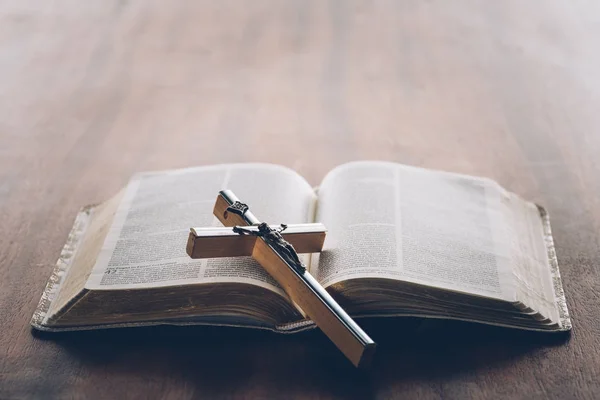
Mass begins with a gesture many visitors recognize immediately: hand to forehead, chest, and shoulders while naming the Father, Son, and Holy Spirit. It gathers two central Christian claims into one movement, the Trinity and Christ’s saving death on the cross. The gesture is also ancient, with evidence reaching back to Tertullian writing in 211. For Catholics, it is not stage-setting. It is prayer made visible.
2. Genuflecting is directed to Christ, not to the building
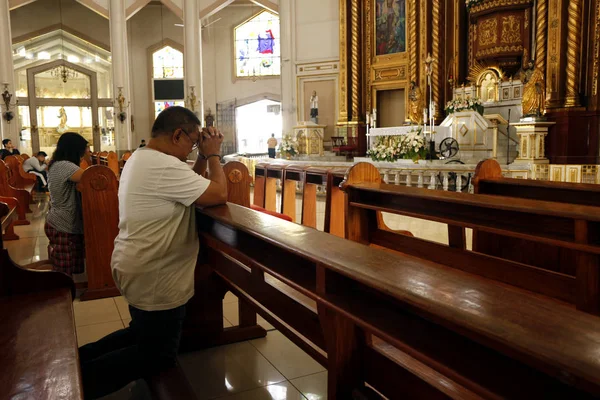
Many visitors notice people dip to one knee before entering a pew. That act, called genuflection, is directed toward the tabernacle, where consecrated hosts are reserved. The meaning becomes clearer once the Eucharist is understood. Catholic teaching holds that Christ is truly present in the Blessed Sacrament, not merely represented symbolically, but present under the appearances of bread and wine through a change of substance. The brief kneel is therefore an act of adoration, not an old habit of church etiquette.
3. Standing, sitting, and kneeling form a kind of physical grammar
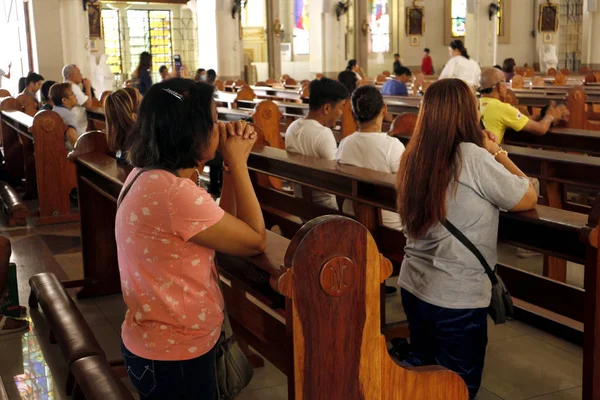
The constant movement can be one of the most noticeable things in the room. Yet the pattern is not random. Sitting is associated with attentive listening, especially during the readings and homily. Standing marks prayer, readiness, and respect, which is why the assembly stands for the Gospel, the Creed, and several communal prayers. Kneeling is linked to adoration during the Eucharistic Prayer. Catholic practice treats the body as part of worship, not as a bystander. Church teaching on the structure of the Mass presents these postures as ordered signs that match the purpose of each moment. Even before a visitor knows every response, the body language of the congregation is already teaching what the liturgy considers solemn, receptive, or sacred.
4. The Gospel receives special honor for a reason
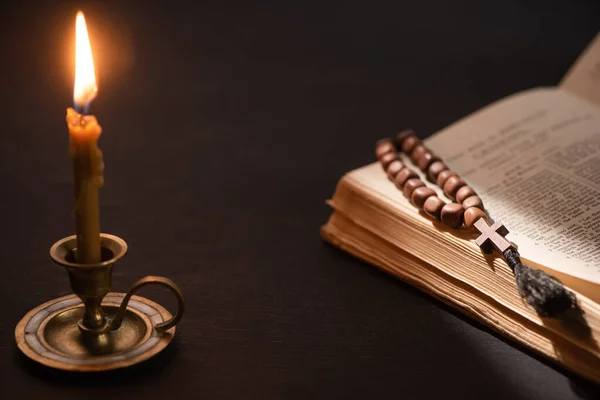
Mass includes multiple Scripture readings, but the Gospel is set apart. The congregation stands, an acclamation is sung or spoken, and the reading is introduced with visible solemnity. This distinction signals that the Church hears the Gospel as the account of Christ’s life, words, and deeds. A visitor may not know the structure yet, but the liturgy makes the hierarchy visible.
5. The altar, not the room, is the real center
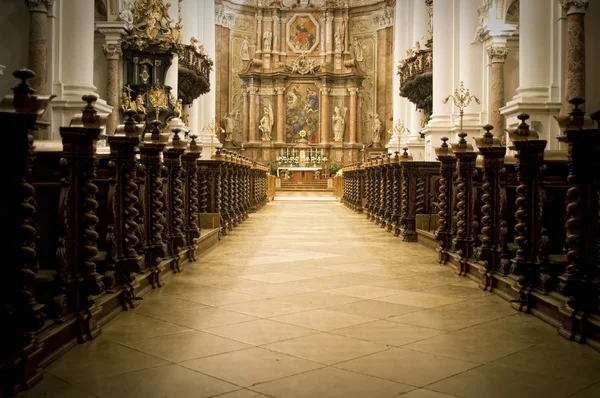
Newcomers often assume the main focus must be the pulpit, choir, or tabernacle. In the Mass itself, the altar holds the center. It is kissed or reverenced at the beginning because Catholic teaching sees it as more than furniture. It is both table and sacrificial sign. The altar stands at the heart of the liturgy because the Eucharist is understood as the sacramental making-present of Christ’s one sacrifice.
6. Bread and wine are brought forward as gifts and offering
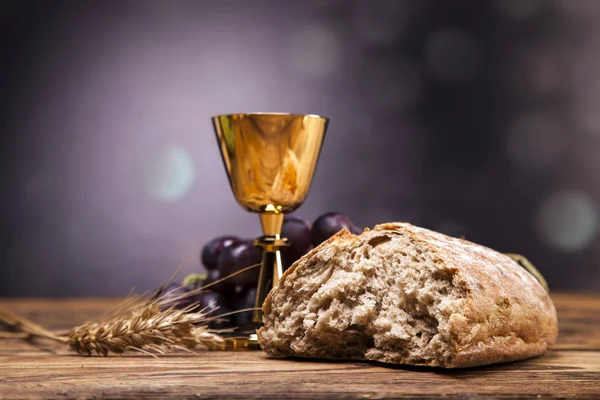
The procession of bread and wine can look simple, even practical. In Catholic understanding, it carries a double meaning: God’s gifts are received, and human labor is offered back to God. That is why this quiet moment matters. What appears ordinary is being placed on the altar for the central prayer of the Mass.
7. Bells mark the point Catholics believe everything changes
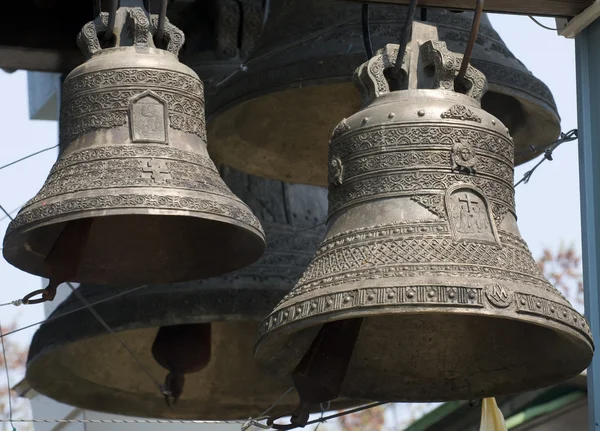
When small bells ring during the Eucharistic Prayer, visitors often sense that something decisive is happening. That instinct matches the intention. The bells draw attention to the consecration, when Catholics believe the bread and wine become Christ’s Body and Blood while their outward appearances remain the same. In older church life, bells also helped mark sacred time for the wider community. Inside the liturgy, they still function as a sharp audible signal that the holiest moment has arrived.
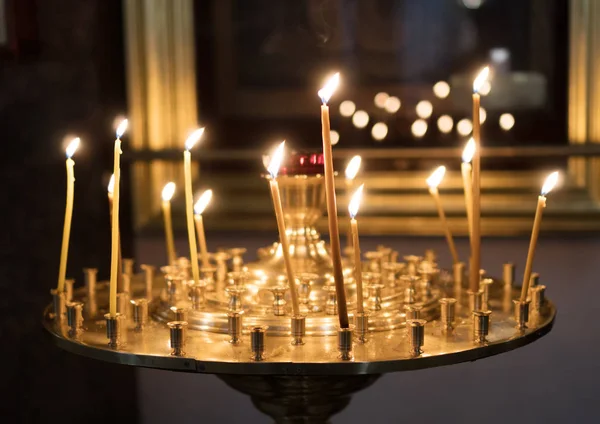
8. Incense is meant to engage more than sight
When incense is used, the atmosphere changes instantly. The scent, the smoke, and the slower pace make the liturgy feel weightier, and many visitors remember it long after the service ends. Its symbolism is biblical and ancient. Catholic tradition links incense with prayer rising to God, including the image in Revelation 8:4. The effect is sensory, but the intention is theological.
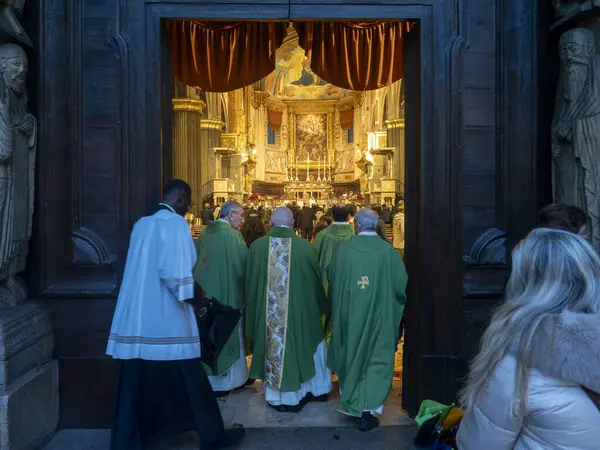
9. Vestments shift attention away from personality
The priest’s clothing is one of the clearest visible differences in the room. Vestments indicate that he is acting in a liturgical role, not appearing as a private individual. Catholic teaching describes the priest at the Eucharist as acting in persona Christi, in the person of Christ. The garments underscore office, sacrament, and continuity rather than personal style.

10. Congregational responses mean the people are not an audience
Mass is built around spoken participation. The people answer greetings, proclaim the Creed, join the “Holy, Holy, Holy,” and say “Amen” at crucial points. This shared speech matters because Catholic worship is corporate. The assembly is not watching sacred things happen from a distance; it is taking part through voice, attention, and assent.
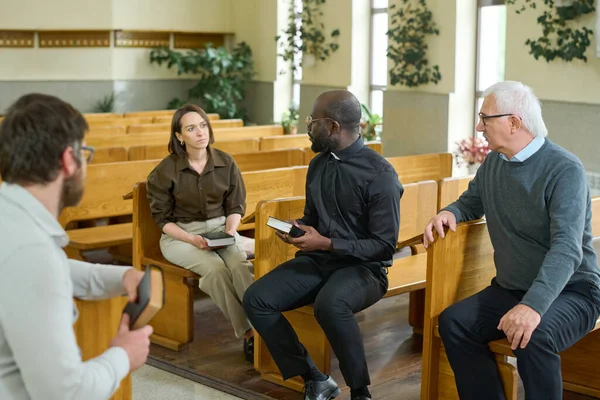
11. Not everyone goes forward for Communion because Communion also says something public
This moment can be sensitive for visitors. Some people remain in the pew while others join the Communion line, and to an outsider that can look exclusionary or personal. In Catholic teaching, receiving Communion is not only a private act of devotion. It is also a public sign of unity in belief and communion with the Catholic Church. The Eucharist is understood as Christ Himself, and receiving it expresses agreement with what the Church believes and teaches. For that reason, Communion is ordinarily received by Catholics who are properly prepared.
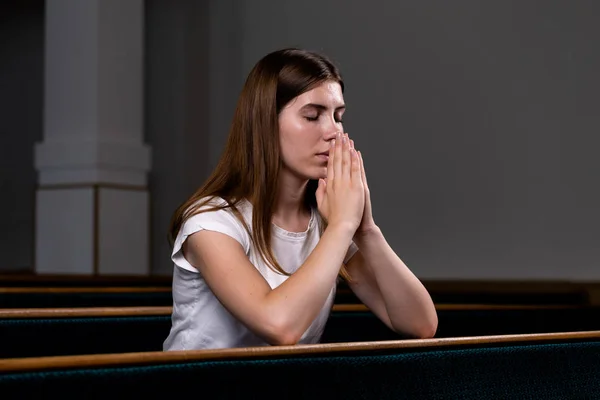
12. The silence after Communion is one of the fullest parts of the Mass
After the procession, hymn, and movement, the church often becomes very quiet. For a first-time visitor, that silence can feel unusually dense. It is meant for thanksgiving and prayer. After so many visible signs, the stillness lets the meaning settle inward, and for many worshipers it becomes the most contemplative moment of the entire liturgy.
What visitors first notice at Mass is often external: kneeling, bells, incense, vestments, ritual words, and silence. Yet each of those details points beyond itself. Seen together, they show why Catholic worship can feel carefully choreographed to a newcomer. The gestures are not there to create spectacle. They exist to make belief visible, audible, and, at times, impossible to miss.

