
The Exodus remains one of the most enduring stories in the ancient world, but archaeology has not delivered a single decisive proof that matches the biblical account in full. Instead, the debate has been shaped by fragments: settlement patterns, Egyptian texts, place names, labor records, and memories of migration preserved in later traditions.
That uneven record is precisely why the subject continues to draw attention. Some findings suggest contact between Semitic populations and Egypt on a meaningful scale, while other evidence has pushed many archaeologists toward the view that ancient Israel emerged largely from within Canaan. Between those poles, several clues keep the conversation open.
1. Semitic communities are firmly documented in the Nile Delta
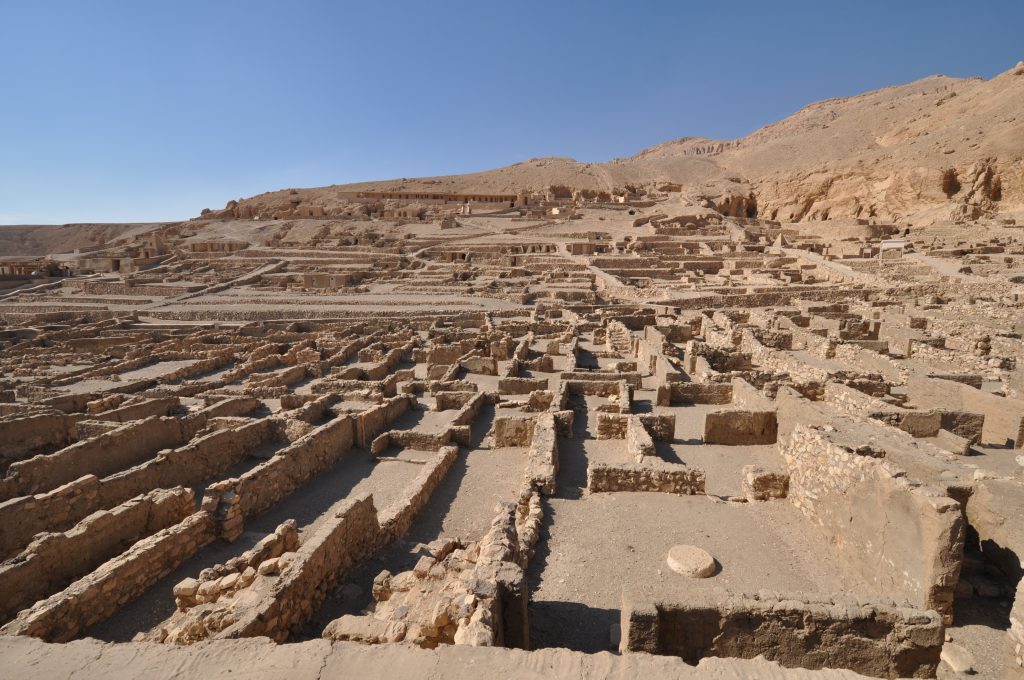
One of the strongest background clues is the well-established presence of West Semitic populations in Egypt’s eastern Delta during the second millennium BCE. Archaeology at Tell el-Dab’a, ancient Avaris, has revealed a mixed settlement with Levantine-style houses, pottery, and burials. That does not prove the biblical Israelites were there as a distinct nation, but it does confirm that people from Canaan lived in the region where later tradition places Goshen. This matters because the Exodus debate is no longer centered on whether Semitic migrants ever entered Egypt. They did. The harder question is whether one part of that broader movement later became the kernel of Israel’s escape tradition.
2. The Hyksos expulsion looks like a memory that may have echoed later
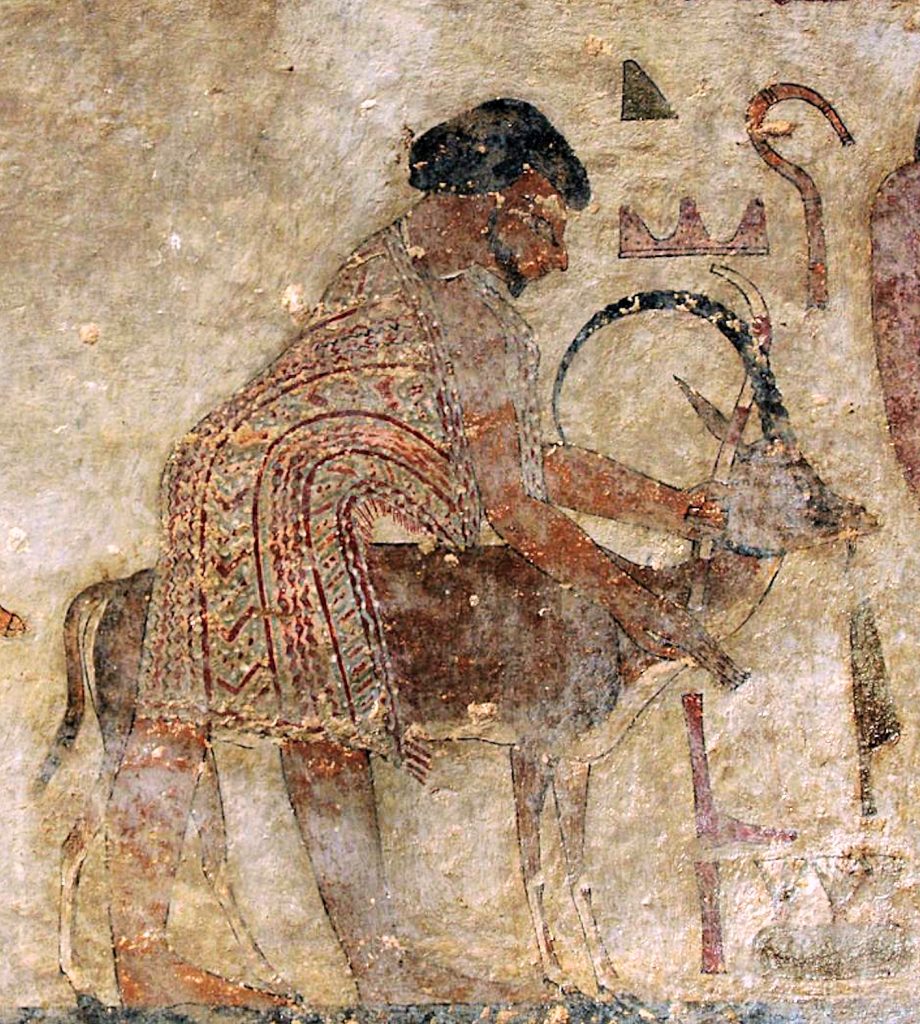
The Hyksos, foreign rulers of parts of Egypt during the Second Intermediate Period, were eventually driven out in the 16th century BCE. Ancient writers later linked that expulsion to the Exodus, and modern scholars often treat the connection more cautiously: not as identity, but as possible cultural memory. Jan Assmann has argued that the Exodus story may combine several older experiences into a single narrative, including the Hyksos episode. That overlap is attractive because it preserves a historical mechanism without requiring the biblical story to function as a literal transcript. A remembered expulsion of Asiatics from Egypt could have been reshaped over centuries into a story of oppression, liberation, and covenant. Even so, the dates do not line up neatly with traditional biblical chronologies, and the Hyksos were rulers, not enslaved laborers.
3. Egyptian labor texts mention the ʿApiru on building projects
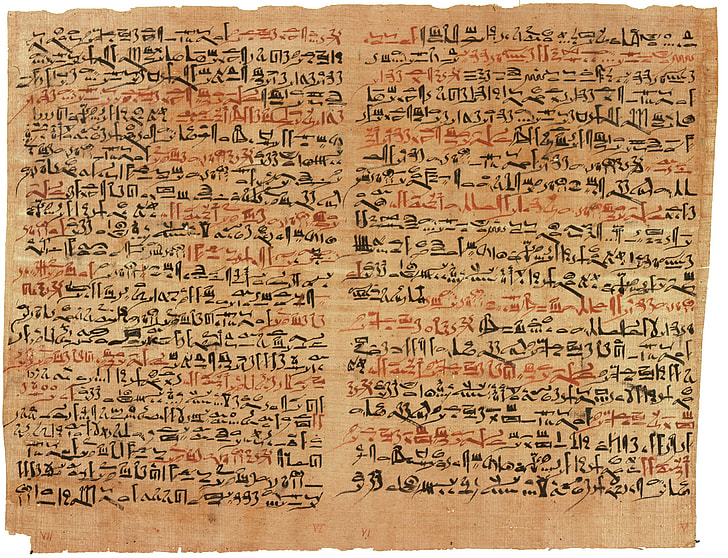
Texts from the New Kingdom refer to groups called ʿApiru or Habiru, a term often used for marginal, uprooted, or laboring populations across the Near East. In Papyrus Leiden 348, a line orders grain for “the ʿApiru who are drawing stone” for a construction project tied to Ramesses. Scholars do not agree that ʿApiru means “Hebrews,” and the two words are not automatically interchangeable. Still, the text shows something important: Semitic-speaking or socially marginal groups were indeed involved in state labor in Egypt. It offers a real ancient context for traditions of forced work, even if it stops short of identifying the biblical Israelites by name.

4. Escape routes named in Egyptian records resemble places in Exodus
Another often-cited clue comes from Egyptian administrative texts that mention movement through the northeastern frontier. Papyrus Anastasi V includes a report about slaves fleeing through the border zone, including places such as Succoth and Migdol, both familiar from the biblical itinerary. That does not verify the Exodus route, but it does show that the eastern Delta frontier was a known corridor for flight. The significance lies in scale and plausibility. The biblical story may preserve a route pattern grounded in real geography used by runaways, traders, soldiers, and officials. Archaeology has not traced a mass migration across Sinai, yet the border landscape itself fits the kind of movement the text imagines.
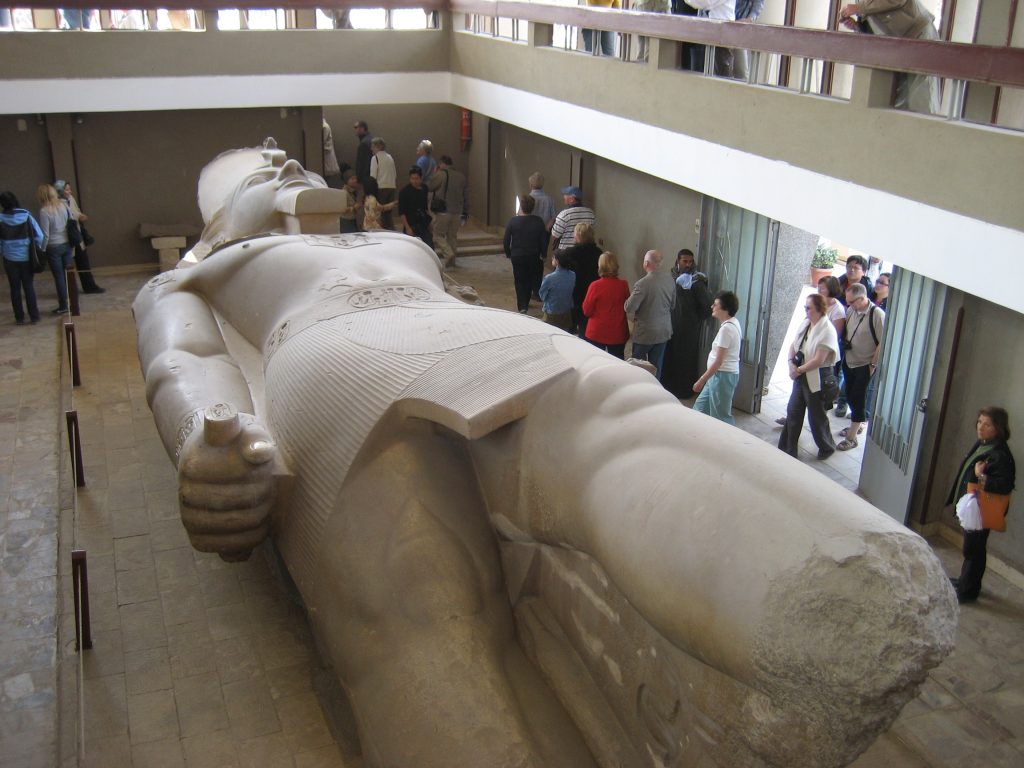
5. Pi-Ramesses anchors part of the story in a recognizable Egyptian setting
The book of Exodus places Israelite labor in connection with the city of Raamses. Archaeologists identify Pi-Ramesses on the eastern Nile Delta as a major royal center of the Ramesside period. That link has long encouraged 13th-century BCE dating proposals for some version of an exodus tradition. Yet the clue cuts both ways. Some scholars argue that “Raamses” may simply be a later place name inserted into an older story, much as later writers often updated geography for their audience. Even so, the name roots the narrative in a world of Egyptian royal building, Delta administration, and labor mobilization that is archaeologically real.
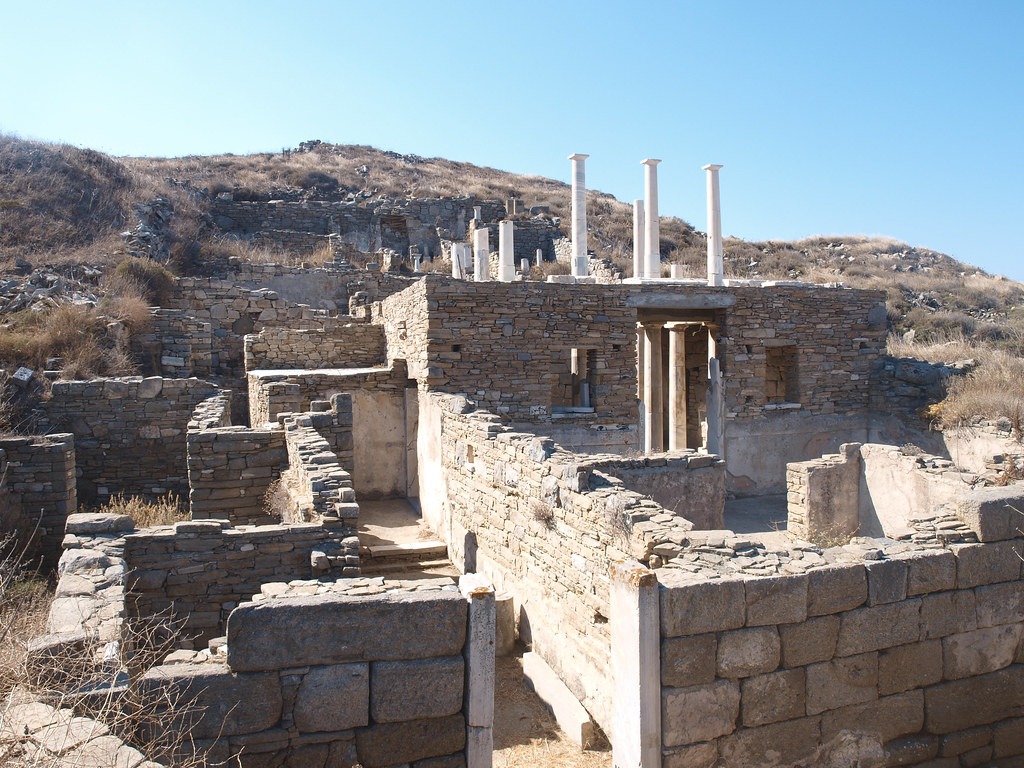
6. The oldest Israelite settlements look deeply Canaanite
Perhaps the most important clue is not Egyptian at all. Archaeology in the highlands of Canaan shows that the earliest Israelite settlements share material culture with local Canaanite populations: house forms, pottery traditions, cult objects, and writing practices. That is one reason many scholars conclude that Israel largely emerged from within Canaan rather than arriving as a vast nation from Egypt.
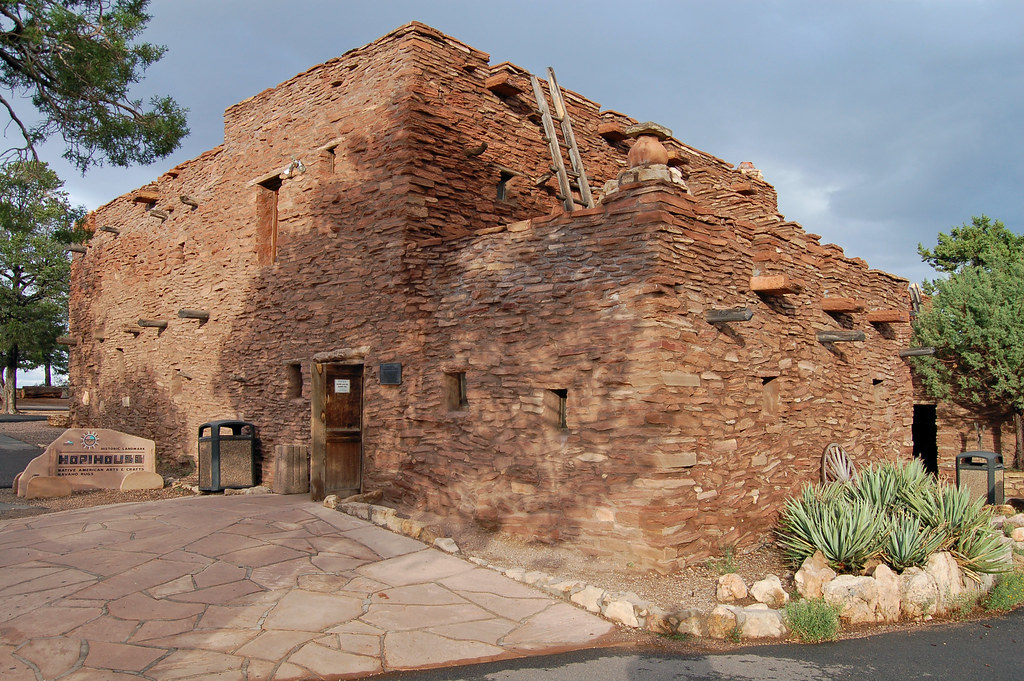
But this evidence does not erase every exodus possibility. It leaves room for a smaller group with Egyptian experience to have joined a Canaanite population and contributed a foundational liberation memory. That narrower model has become one of the most discussed middle positions in current scholarship.
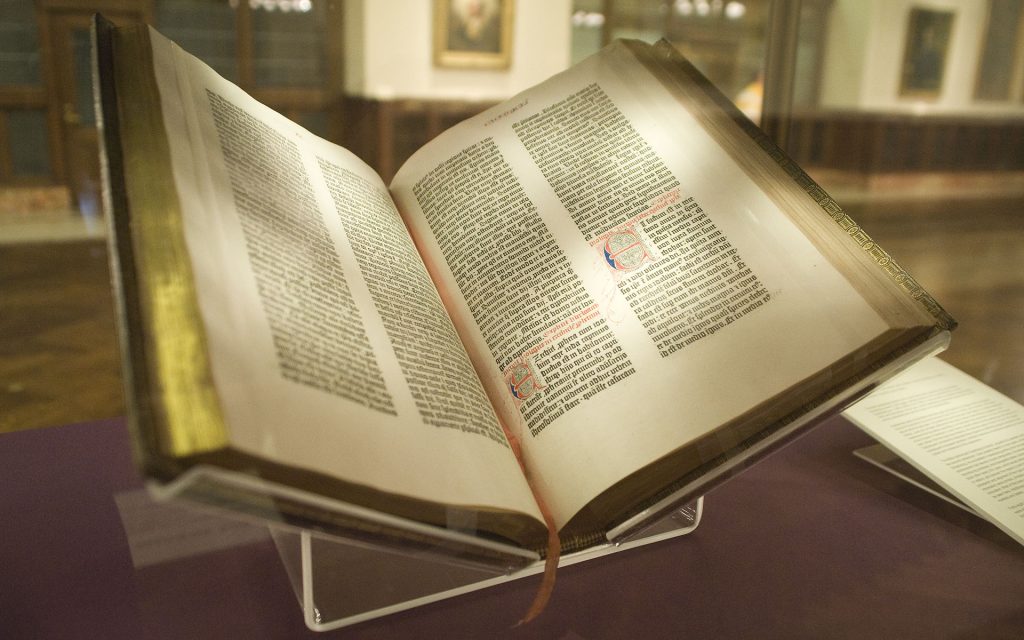
7. Later Egyptian and Jewish writings preserved rival memories of departure
Writers such as Manetho and Josephus preserve stories about foreigners, impure groups, or expelled populations leaving Egypt under a leader later associated with Moses. These accounts are late, polemical, and tangled with anti-Jewish rhetoric, which makes them difficult historical witnesses. They cannot be treated as straightforward confirmation. Yet they show that Egypt-to-Canaan departure traditions circulated widely in antiquity. Some may preserve distorted echoes of the Hyksos, the Amarna period, or later ethnic tensions. The persistence of those traditions suggests that the Exodus did not arise in a vacuum; it grew in conversation with older regional memories about migration, expulsion, and identity.
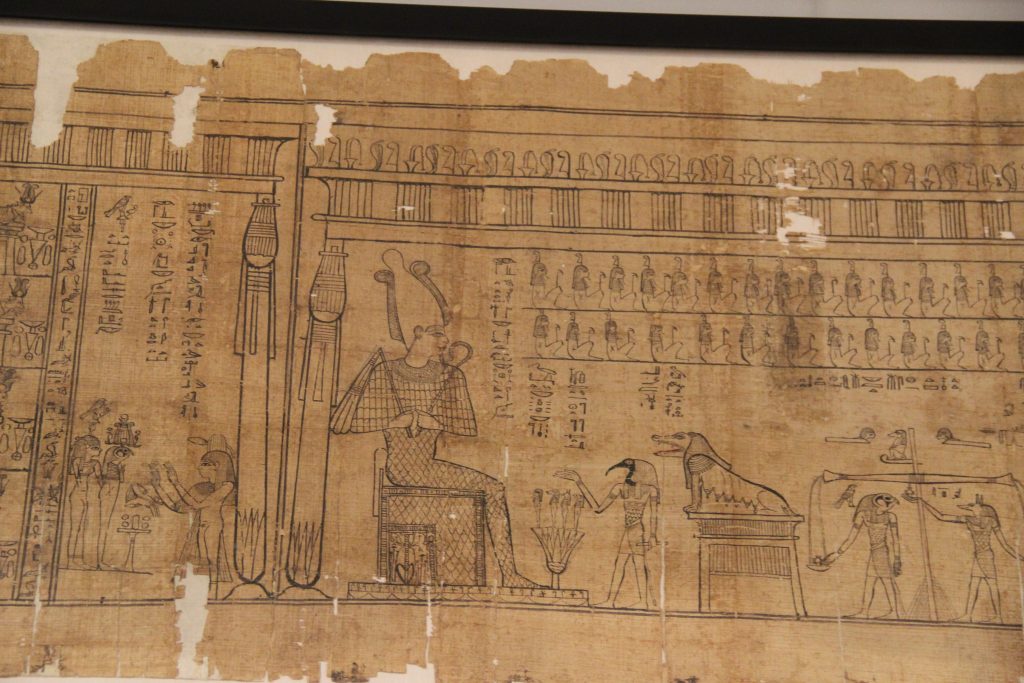
The debate continues because the evidence does not point in only one direction. There is no excavated trail of millions in Sinai, and no Egyptian inscription that simply records the biblical escape. At the same time, archaeology has uncovered a world in which Semitic migration into Egypt, forced labor, frontier flight, and remembered expulsions all belonged to the historical landscape. That combination keeps the Exodus alive as an archaeological question. Not because the case is settled, but because the clues are just substantial enough to resist dismissal and just incomplete enough to invite another reading.

