
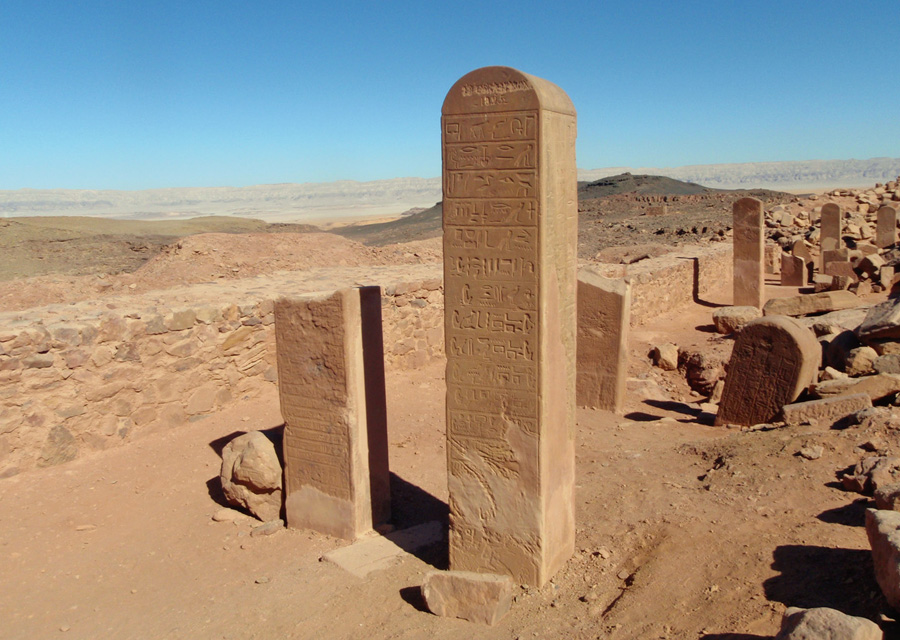
On a wind-cut plateau in southern Sinai, short lines scratched into stone have become far more than an archaeological footnote. The markings from Serabit el-Khadim, a turquoise-mining center tied to an Egyptian temple of Hathor, sit at the crossroads of language, labor, religion, and one of the oldest cultural memories in the ancient Near East.

They do not settle the Exodus story. What they do is force closer attention to the world around it: who wrote in Sinai, how early alphabetic writing emerged, and why a remote mining zone has become so important to scholars asking where biblical tradition may touch recoverable history.
1. The inscriptions come from a place where Egyptians and Semitic workers lived in close contact
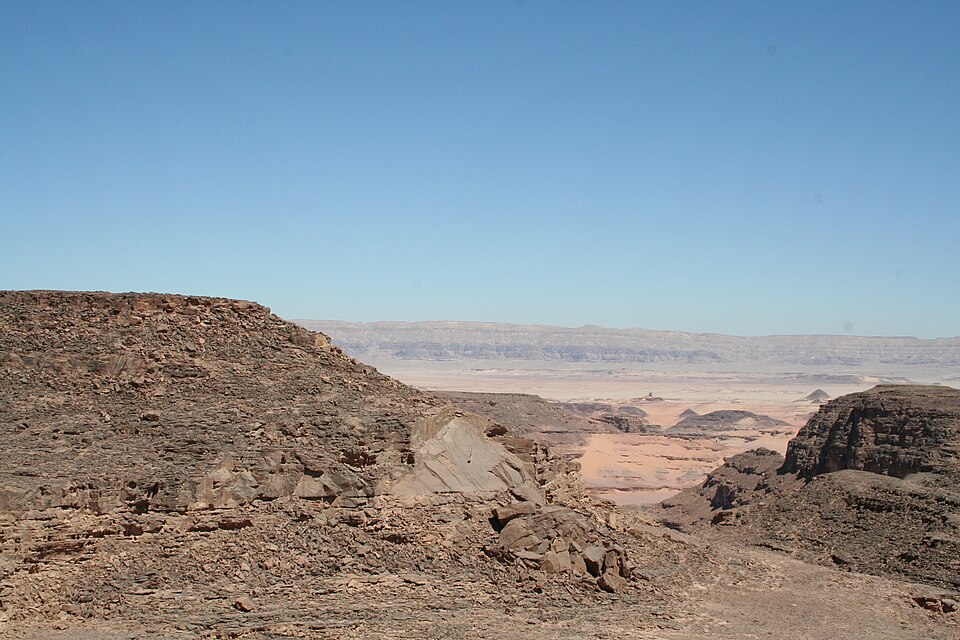
Serabit el-Khadim was not an isolated shrine in empty desert. It was a mining and cult site centered on turquoise extraction and a temple dedicated to Hathor, “Lady of Turquoise,” visited over many centuries. According to the surviving record, most of the known inscriptions were scratched on rocks near the mines, on access roads, and around the temple complex.
That setting matters because it places Semitic-speaking laborers and Egyptian administration in the same harsh but intensely organized landscape. This context is one reason the site remains so evocative for Exodus discussions. It preserves a desert workplace where non-Egyptian populations were present under Egyptian authority, leaving behind traces of devotion, identity, and literacy.
2. These scratches belong to the earliest alphabetic tradition ever found
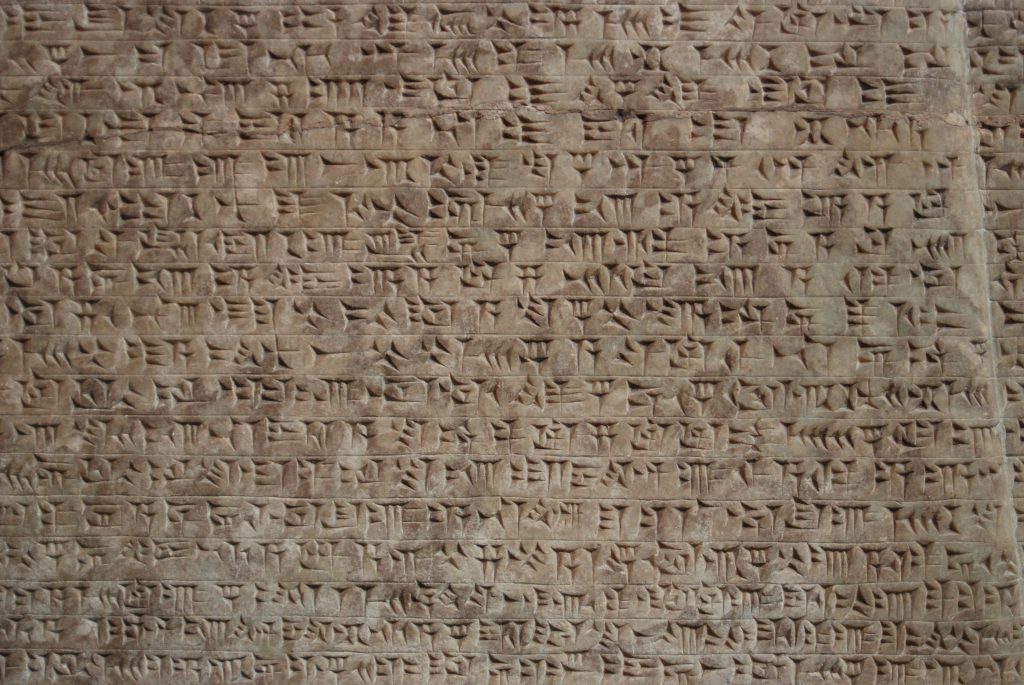
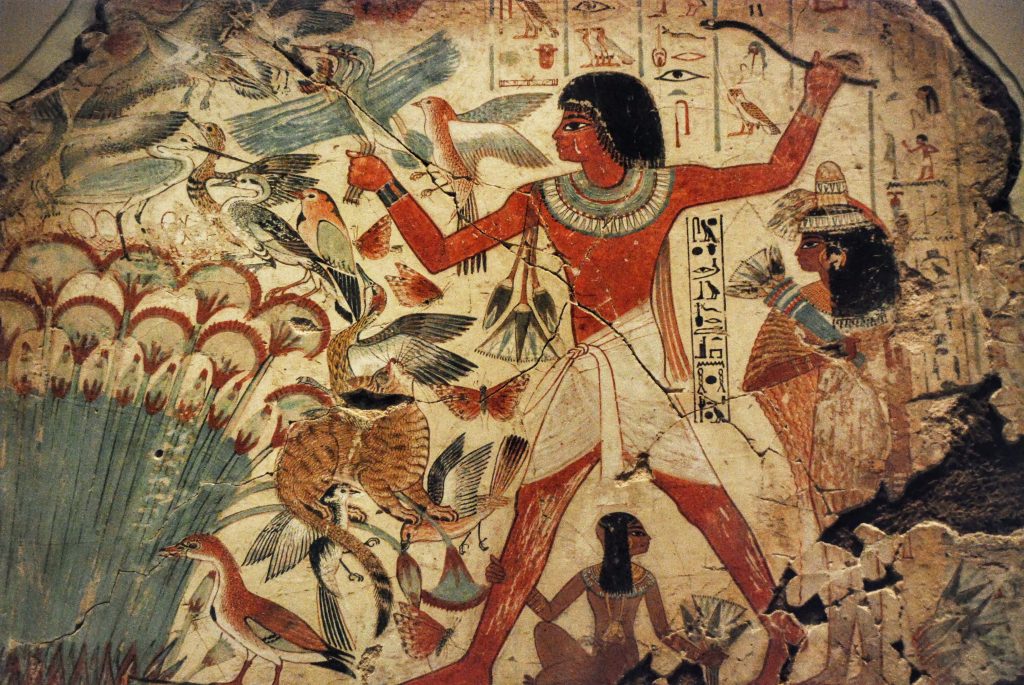
The Proto-Sinaitic texts are famous not simply because of where they were found, but because of what they represent. Scholars generally describe the script as one of the earliest alphabetic writing systems, with roots in Egyptian signs that were adapted to express Semitic sounds. In practical terms, this reduced writing from hundreds of hieroglyphic forms to a much smaller set of signs.
The importance of that shift is difficult to overstate. The script seen in Sinai stands near the beginning of a line that later connects to Phoenician and, through it, to Greek and Latin traditions. Reference material on the script describes it as the earliest alphabet preserved in the Sinai mines, making the site central not only to biblical debates but to the history of writing itself.
3. The signs were likely made by workers, not elite court scribes
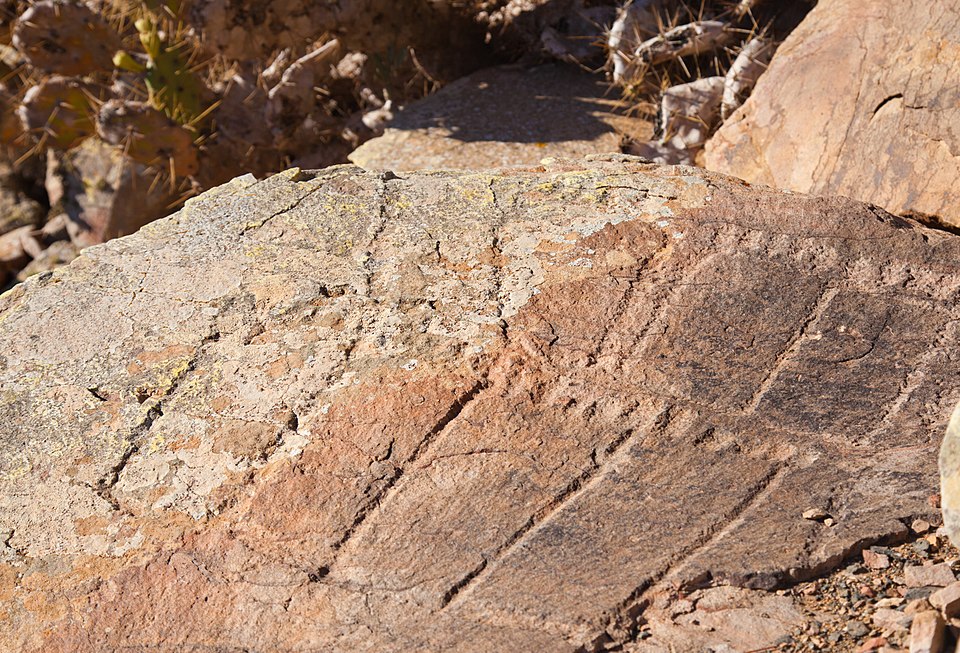
One of the oldest and most enduring observations about the Sinai inscriptions is their rough execution. Several examples are crudely carved, and early interpreters linked them to people outside formal scribal culture. That detail shifts the conversation from kings and monuments to laborers, caravan personnel, and camp communities.
Such a setting has obvious relevance for readers of Exodus, a text deeply concerned with work, servitude, wilderness movement, and divine appeal outside palace walls. Even without forcing a direct identification, the Sinai material shows that Semitic speakers in Egyptian-controlled environments were capable of leaving short written messages of their own.
4. A few repeated words opened the first door to decipherment
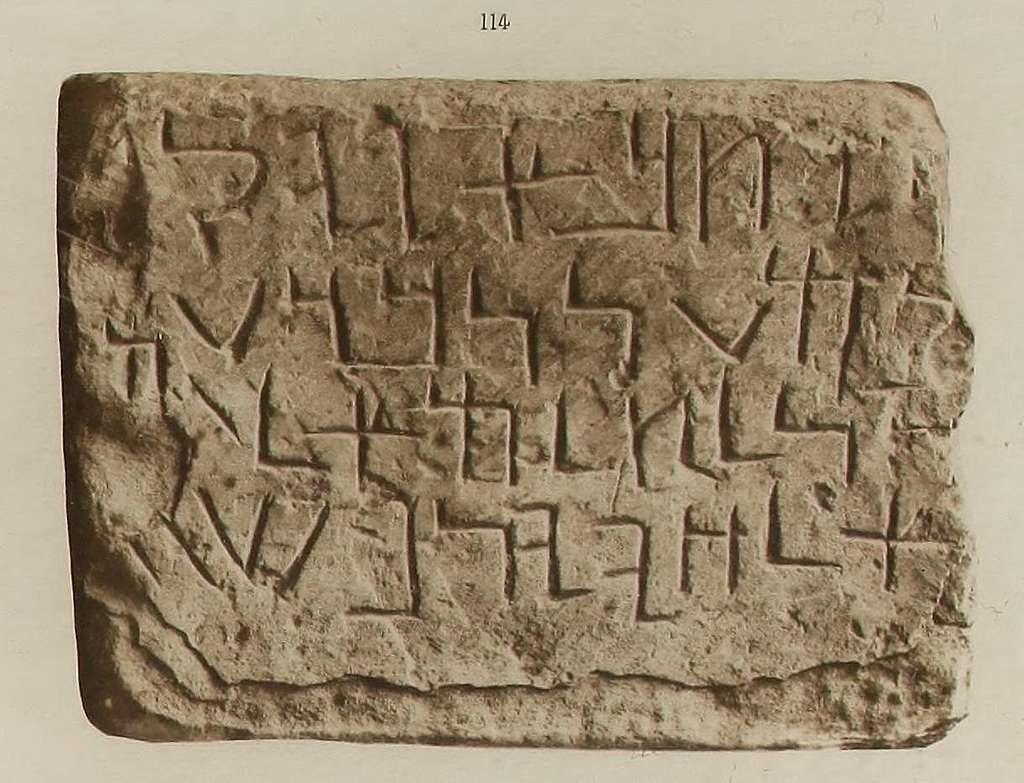
The script was not understood at once. Early excavators recognized that the signs looked related to Egyptian imagery, yet they did not behave like ordinary hieroglyphs. Progress came when scholars noticed recurring forms that could be read through Semitic language patterns, especially the word often rendered as “to the Lady,” an apparent reference to Baʿalat, identified with Hathor.
That breakthrough helped establish that the inscriptions were not random marks. They were brief texts with religious meaning, written in a Semitic tongue using a new alphabetic method. One well-known translation tradition at the site also points to divine appeal, including the plea, “O my god, ‘rescue’ [me] ‘from’ the interior of the mine.” The line gives the corpus an close tone: these are not state annals, but human voices under strain.
5. The dating keeps the debate alive
Dating remains one of the central issues. Scholarly references place the inscriptions broadly between the mid-19th and mid-16th centuries BC, while some discussions tie many of them to the reign of Amenemhat III around 1800 BC. That range is wide enough to leave room for major disagreements about historical setting, ethnic identity, and how later traditions may relate to the evidence.
It also explains why the inscriptions keep returning to public attention. A script dated so early and found in an Egyptian-controlled Sinai work zone naturally invites comparison with traditions about Semitic populations, Egypt, and departure narratives. The evidence does not produce a single timeline, but it keeps the geographical and cultural frame under active review.
6. New claims about the name Moses have intensified scrutiny
Recent attention has centered on Michael Bar-Ron’s proposed readings of several inscriptions, including phrases translated as “This is from Moses” and “A saying of Moses.” His study focuses especially on inscriptions numbered 357 and 361 from Serabit el-Khadim, using photographs and casts to argue for repeated personal signatures. One report describes his claim as “zot m’Moshe”, while another preserves the wording “NʾUM MŠ” as “A saying of Moses.”
Those readings are disputed. Critics argue that Proto-Sinaitic is too difficult and fragmentary for such confident conclusions, while supporters say the proposed identifications deserve close examination. What matters for the broader story is that the corpus is now being read not only as linguistic evidence, but as possible witness to named individuals, authorship, and memory.
7. The site preserves signs of religious complexity, not a single tidy tradition
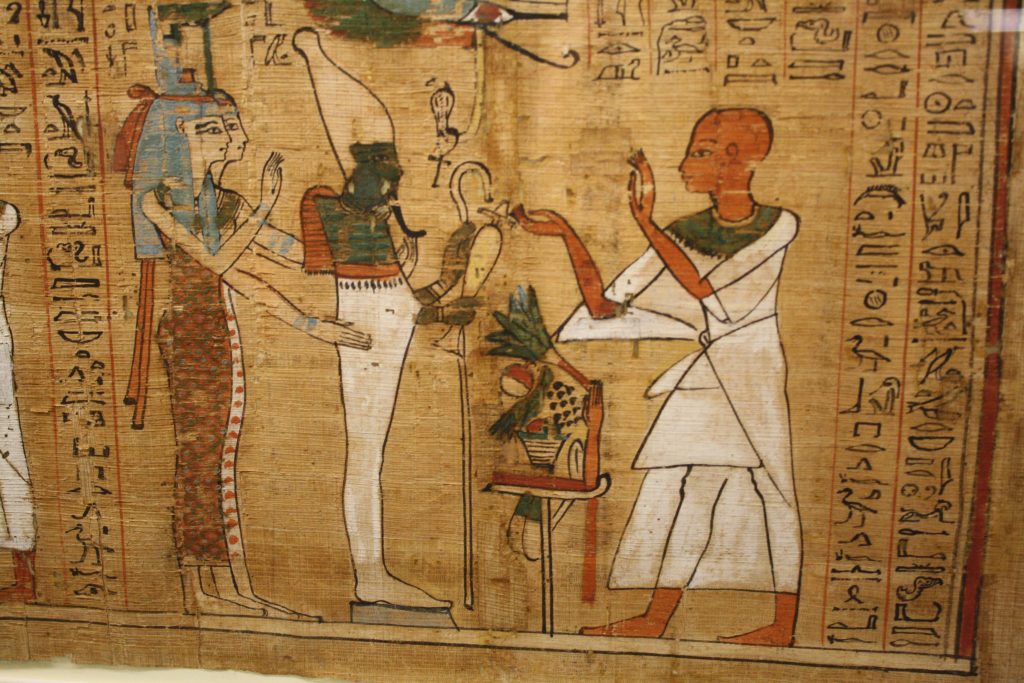
Serabit el-Khadim does not present a simple biblical landscape. The inscriptions and their setting point instead to a layered religious world where Egyptian and Semitic divine language overlapped. Texts linked to Baʿalat stand beside possible references to El, and scholars have long noted that the site joined mining, danger, prayer, and devotion in the same physical space.
This mixed environment matters because it makes Sinai look less like a blank wilderness and more like a contact zone. That does not confirm any one reading of Exodus, but it does complicate assumptions that the peninsula was merely a backdrop. In these inscriptions, Sinai appears as a place where identity was negotiated under pressure.
8. The bigger challenge is geographical, not just theological
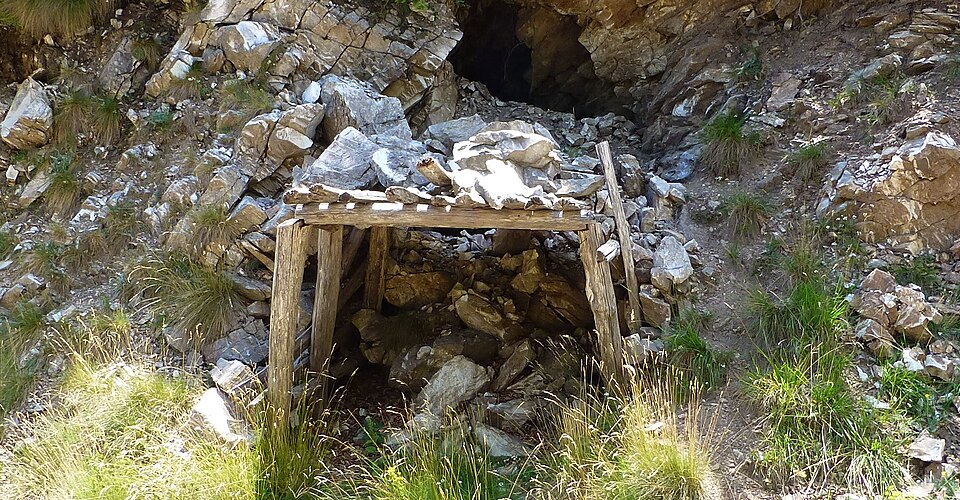
The most significant shift may be spatial. The Sinai inscriptions encourage scholars to think less about proving or disproving a single biblical figure and more about reconstructing the environments in which Exodus tradition could have taken shape. A mining district with Semitic workers, Egyptian oversight, local worship, and early alphabetic writing is already a rich historical setting. It suggests that the story world behind Exodus may have drawn from real desert-industrial zones rather than from abstract memory alone. That is why these scratches matter. They reframe Sinai as a lived landscape of labor, literacy, and religious encounter.
Whether the newest readings stand or fall, Serabit el-Khadim remains one of the most revealing sites for understanding the background of Exodus traditions. Its inscriptions are few, difficult, and often frustratingly brief, yet they continue to widen the conversation about how ancient people in Sinai spoke, wrote, worshiped, and remembered. In that sense, the stones are doing what the longest-lasting evidence often does: not closing the case, but making older certainties harder to keep.

