
Hollywood family stories are rarely simple, and for a number of well-known actors, the people who raised them were not their biological parents. Some were formally adopted as infants. Others were raised by grandparents, aunts, uncles, or mentors who became the defining parental figures in their lives.
What stands out across these stories is not one single path, but how differently each actor understood identity, belonging, and family. In several cases, the truth arrived years later. In others, adoption was always openly discussed at home.
1. Jack Nicholson learned the truth long after he became famous
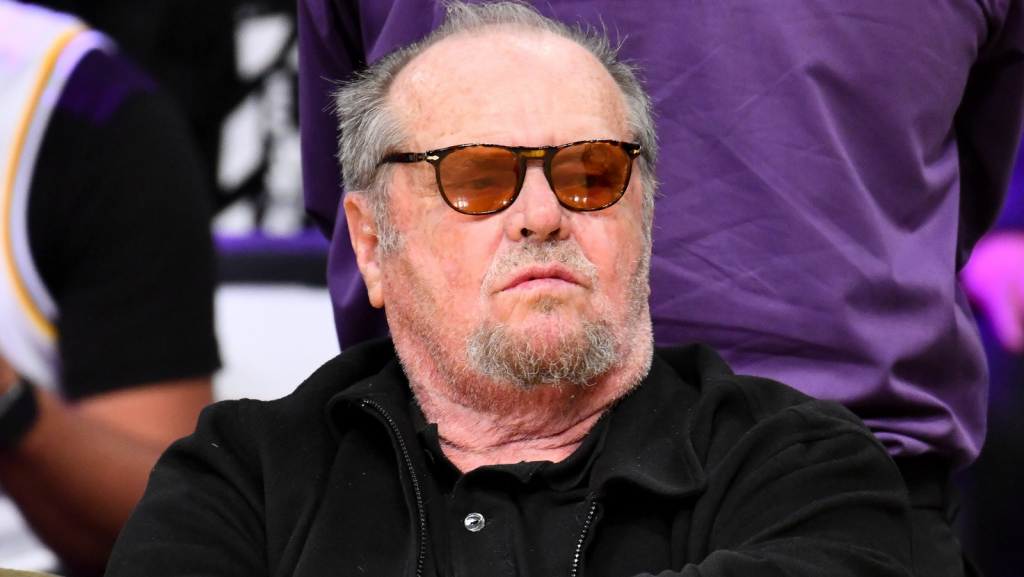
Jack Nicholson grew up believing his mother was his sister and his grandparents were his parents. He did not learn the reality of his family history until adulthood, after a journalist researching a feature uncovered it. By then, he was already an established star.
His response later became one of the most widely cited reflections on a late-life discovery. Nicholson said, “I’d say it was a pretty dramatic event, but it wasn’t what I’d call traumatizing… As a matter of fact, it made quite a few things clearer to me. If anything, I felt grateful.” His story remains one of the clearest examples of how family secrets could shape an actor’s understanding of self decades after childhood.
2. Ray Liotta spoke openly about gratitude and reunion
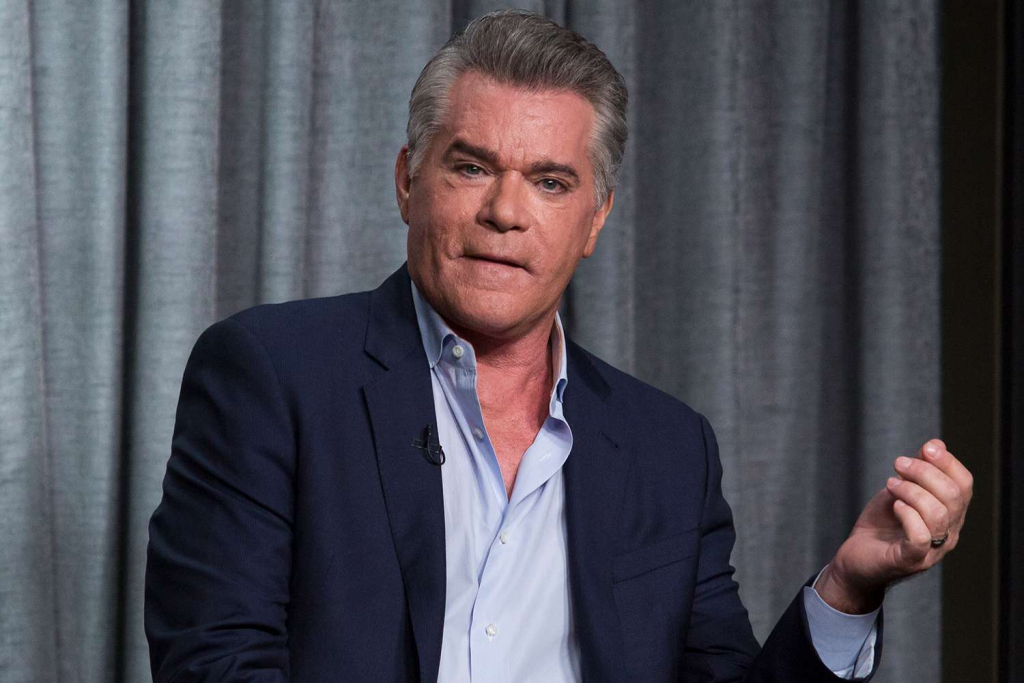
Ray Liotta was adopted as an infant and raised in New Jersey. As an adult, he searched for his biological mother and learned more about his extended biological family, including siblings he had never known about.
He described that search without bitterness. In an interview quoted by Business Insider, Liotta said he came away believing many adoptions happen “for the betterment of the kid.” He also said, “I was really grateful that I was adopted.” That mix of curiosity and appreciation helped make his story feel especially grounded.
3. Jamie Foxx credits the grandparents who became his parents
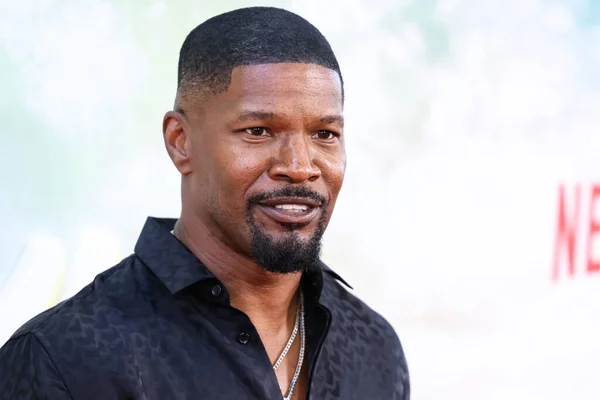
Jamie Foxx was legally adopted by his maternal grandparents when he was seven months old. Though he maintained some connection to his biological parents, he has consistently pointed to the discipline and stability of the home he grew up in as central to his development.
His grandmother is often at the center of that story. Foxx has tied much of his success to her expectations, structure, and belief in him, a theme repeated across profiles of his life and career. The result is less a celebrity origin story than a portrait of how kinship adoption can become the foundation of a future public figure.
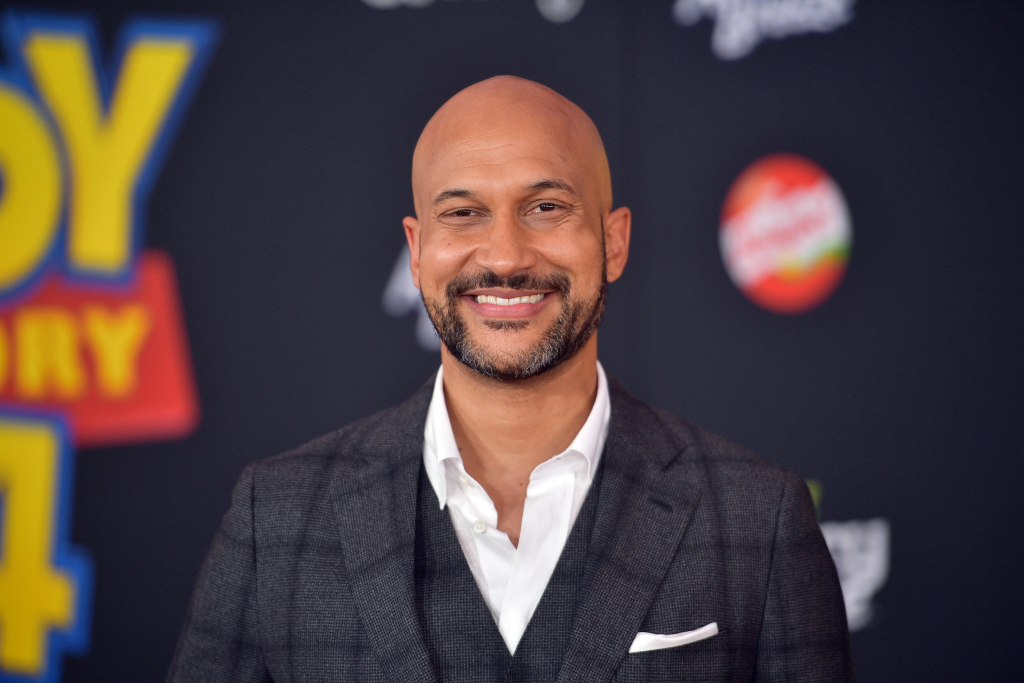
4. Keegan-Michael Key turned adoption into part of his public identity
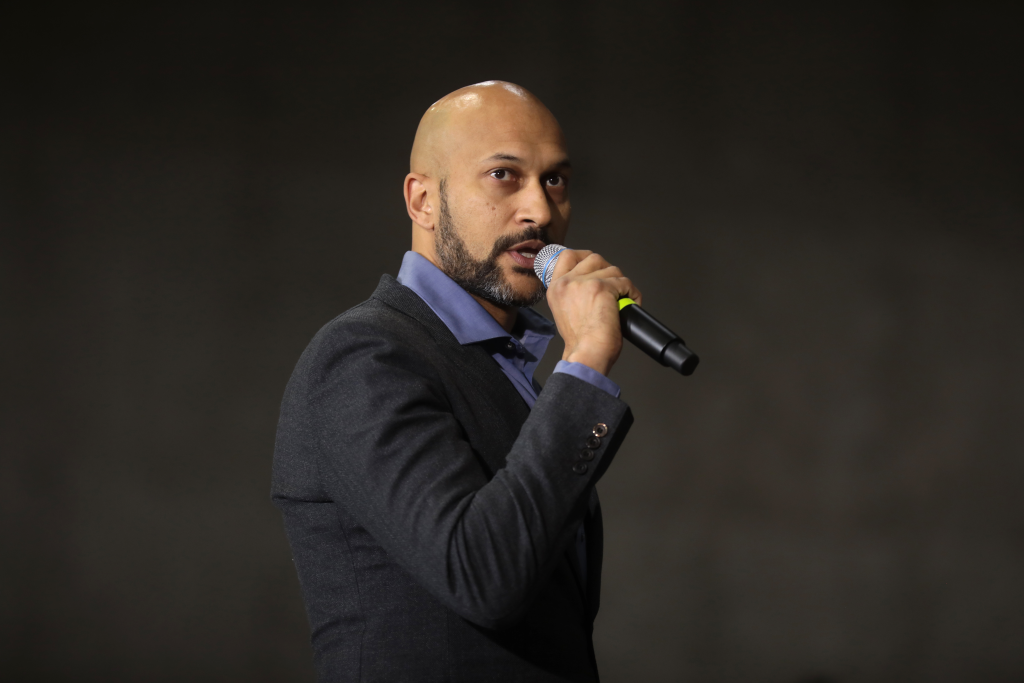
Keegan-Michael Key was adopted by social workers and raised in Detroit. As he got older, he learned more about his biological background, including details that helped him better understand his own racial identity. He has also spoken candidly about the emotional side of being adopted. In a 2021 interview, Key said, “I’m adopted; so to say that I spent a lot of time trying to get my parents’ approval is kind of an understatement.” He added, “I’ve been acting since I was born.” His comments gave the conversation around adoption a more personal and psychological dimension, especially for fans who knew him first as a comic performer.
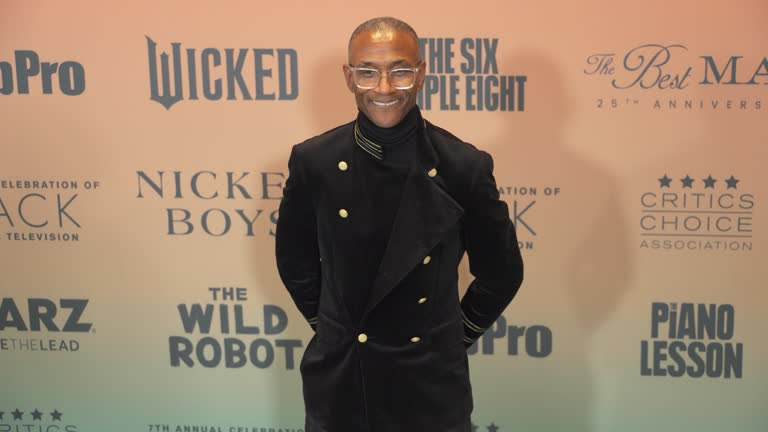
5. Tommy Davidson’s beginning was unusually hard
Tommy Davidson has said he was abandoned as an infant before being rescued and adopted. He was later raised by a white family during a period of deep racial tension in America, an upbringing that shaped both his perspective and his comedy.
That background gave his later success on In Living Color added resonance. His life story has often been discussed not simply as one of adoption, but as one of survival, identity, and the power of a stable home after a traumatic start.
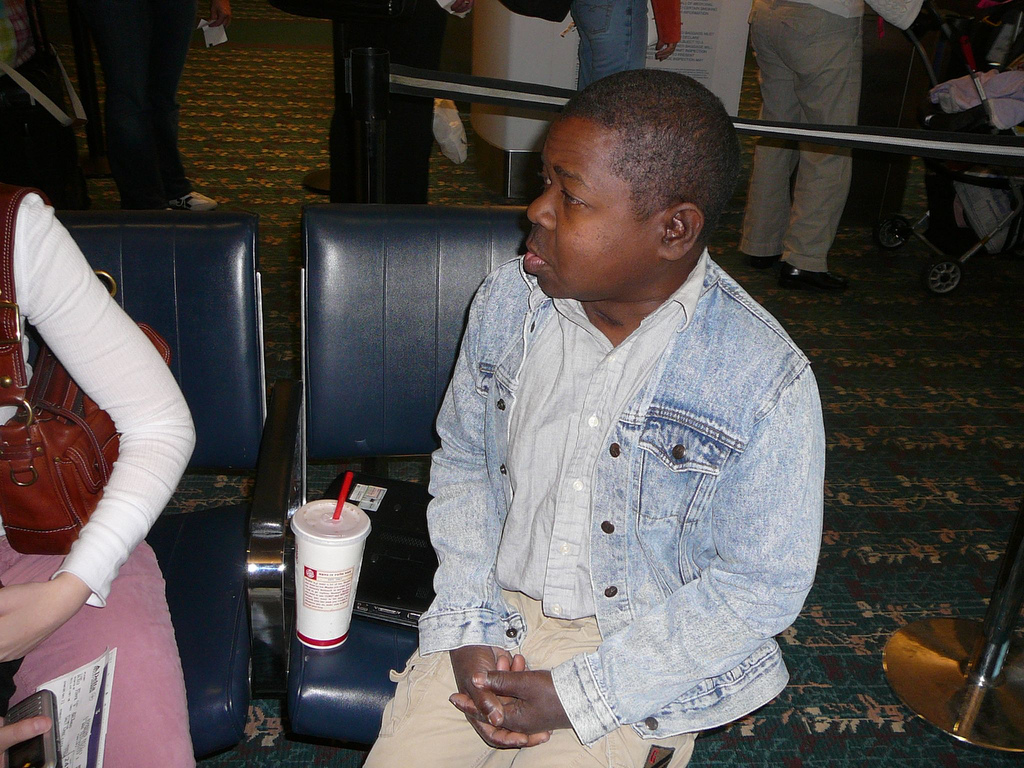
6. Gary Coleman entered fame after being adopted as a baby
Gary Coleman was adopted as an infant by a nurse and a pharmaceutical representative. Long before adulthood, he became one of television’s most recognizable child stars through Different Strokes. His later life was marked by health issues and legal troubles, but his childhood background has remained part of the broader story people remember about him. Coleman’s path reflects how adoption narratives in Hollywood are not always framed through discovery or reunion; sometimes they are simply one thread in a much more public and complicated life.
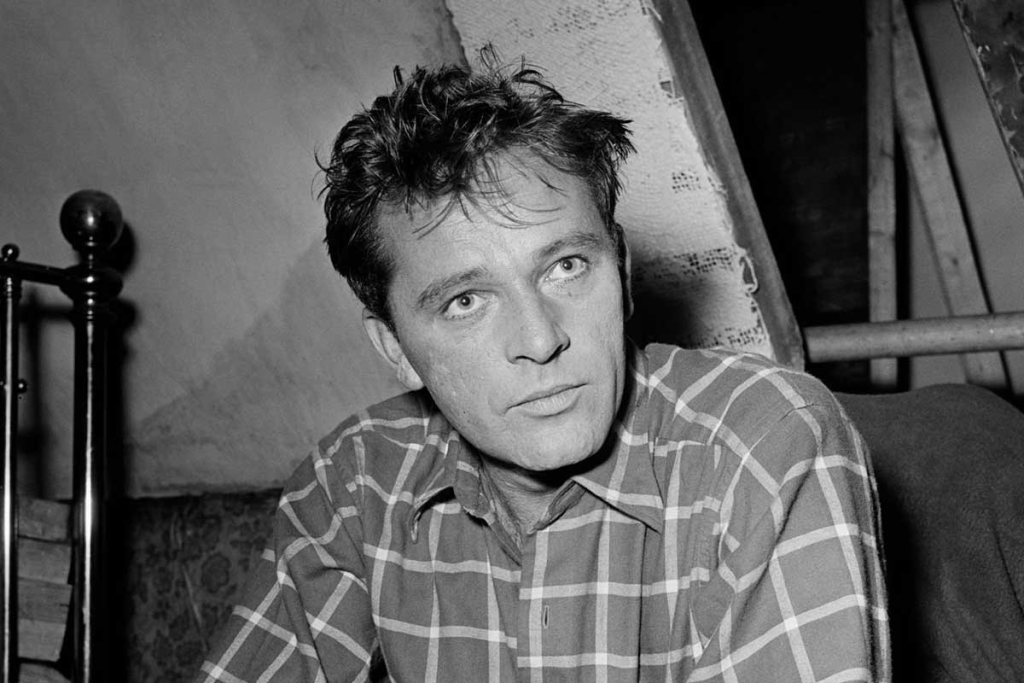
7. Richard Burton was shaped by the man whose name he took
Richard Burton was born into a large Welsh family but was later taken in by his schoolteacher, Philip Burton, who became his guardian and lasting influence. He eventually adopted his mentor’s surname, linking his public identity to the man who helped redirect his future.
That detail matters because Burton’s story sits slightly apart from more familiar infant adoption narratives. It shows how a non-biological parent figure can change the course of a life through education, advocacy, and belief in talent. In his case, that guidance helped produce one of the most commanding actors of his generation.
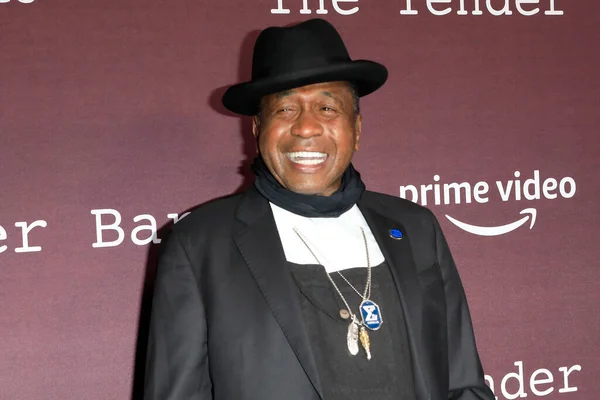
8. Ben Vereen did not discover his adoption until adulthood
Ben Vereen learned he was adopted only later in life while applying for a passport. By then, he had already built a major career on stage and screen, including his Tony-winning turn in Pippin and his work in Roots. That delayed revelation put him in a rare category shared by only a few public figures: people whose family history changed suddenly after their identity already seemed settled. His experience also underscored how common secrecy once was in adoption stories, even in otherwise close families.
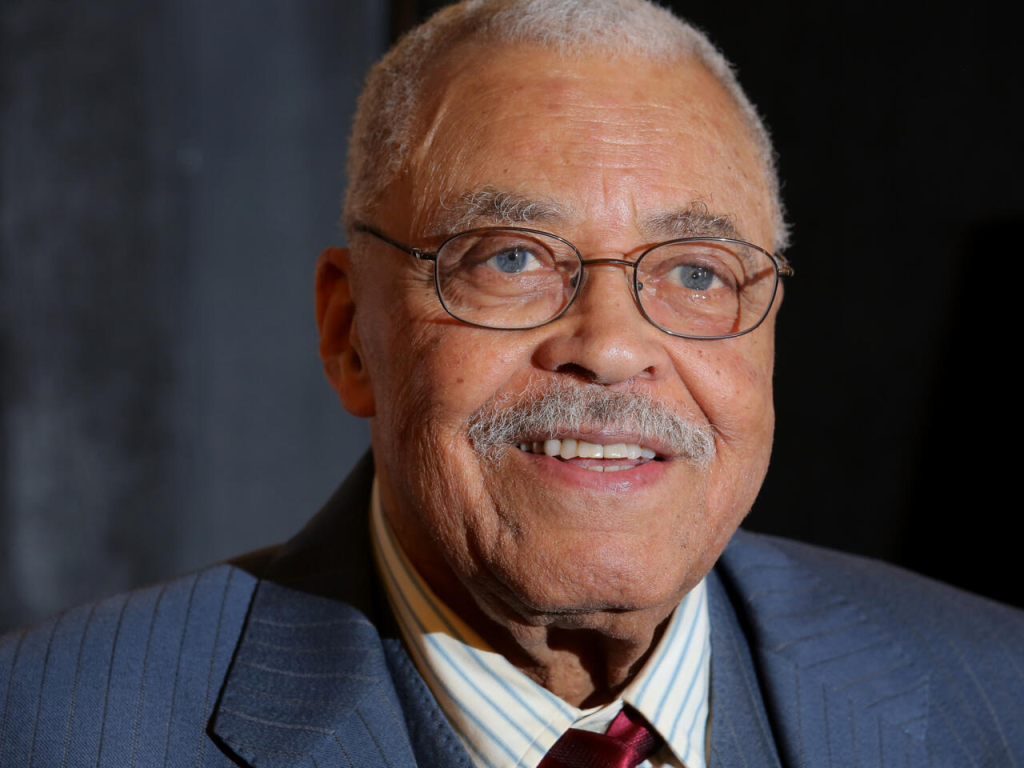
9. James Earl Jones found his voice after being raised by grandparents
James Earl Jones was raised by his maternal grandparents from the age of five after his parents separated. Though not always described in exactly the same legal terms as formal adoption, his upbringing clearly centered on relatives who became his primary family.
It also came with challenges. Jones struggled with a severe stutter as a child before growing into one of the most instantly recognizable voices in entertainment. That contrast has always made his background especially striking. The child raised away from his parents, quiet for years, became the voice behind some of film’s most memorable roles.
Taken together, these stories show that adoption and non-biological parenting have long been part of the entertainment world, even when audiences never knew it. Some actors spent years searching for biological relatives, while others focused on the people who raised them and left the rest alone. What links them is the lasting impact of family structure on identity. In Hollywood, as in ordinary life, the people who step in often shape the story most.

